
 Buy Crypto
- Markets
 Futures
- Spot
- Copy Trade
- Earn
- More
Ethereum 2025 Major Upgrade Completed, Faster and Cheaper Mainnet Is Here

On December 4, Ethereum's second major upgrade of the year, Fusaka, was officially activated on the Ethereum mainnet (corresponding to Epoch 411392). This upgrade took place both at the Ethereum consensus layer and execution layer, enhancing Ethereum's ability to process large-scale transactions from various Layer 2 networks. It increased the block Gas limit to 60 million and paved the way for subsequent blob parameter adjustments through BPO forks, with an expected 40% to 60% reduction in L2 fees.
Prior to the completion of this upgrade, it received positive feedback from some well-known figures in the industry. For example, Bitwise's Chief Investment Officer, Matt Hougan, stated on November 23 that "the current market pullback has caused many signals to be ignored, such as the increasing value capture of UNI, ETH, and XRP. I believe the market will soon begin to reprice around the positive impact of the Ethereum Fusaka upgrade, especially if it delivers as expected on December 3. This is an underrated catalyst and one of the reasons Ethereum may lead the rebound in this round of the crypto market."
The Fusaka upgrade actually includes a total of 13 EIPs, and it might not be very intuitive to introduce them all. So, what changes have occurred after this Ethereum upgrade was completed?
Faster, Cheaper
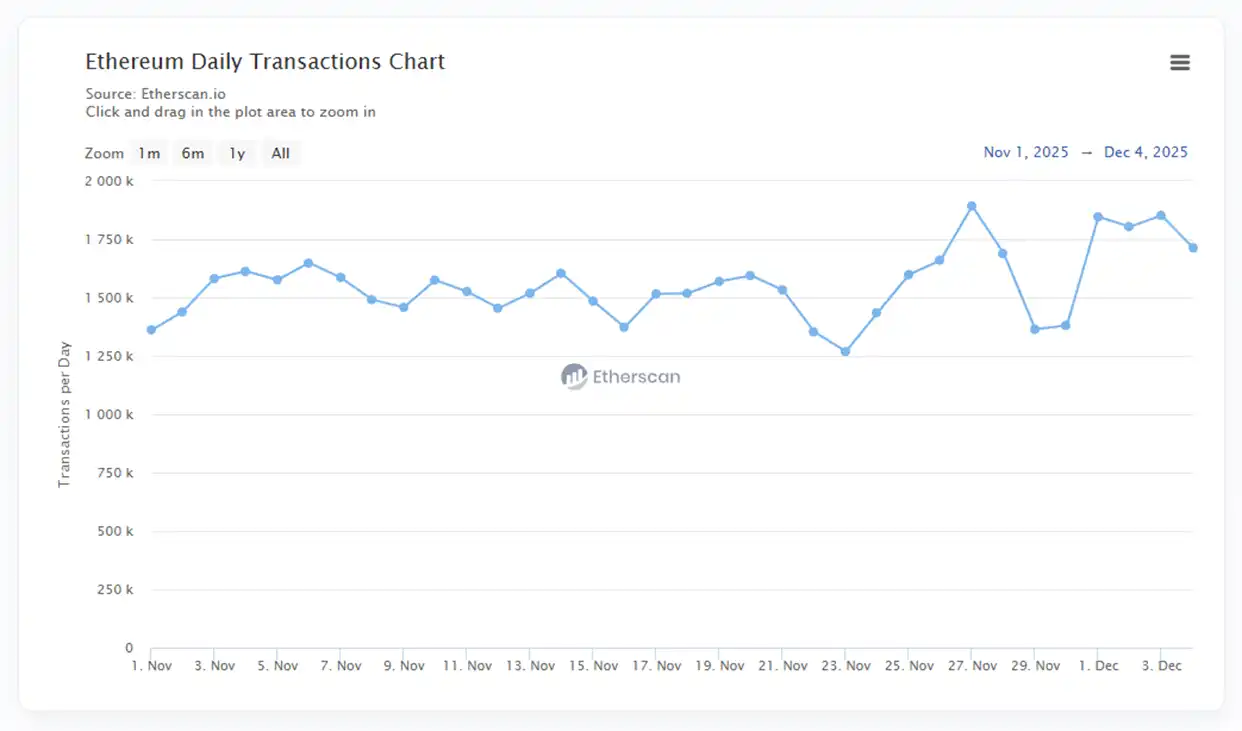
Let's directly observe the current Gas levels:

Over the past 7 days, the average Gwei value has been around 0.1, while over the past 30 days, the average Gwei value has been around 0.3. At the same time, the change compared to the transaction volume at the beginning of November is not significant.
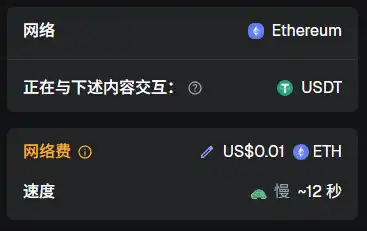
Currently, the Gas fee required for a single USDT transfer on the Ethereum mainnet has dropped to $0.01. I tried a transaction of this kind in a block with approximately 0.029 Gwei and it was completed in less than 1 minute.
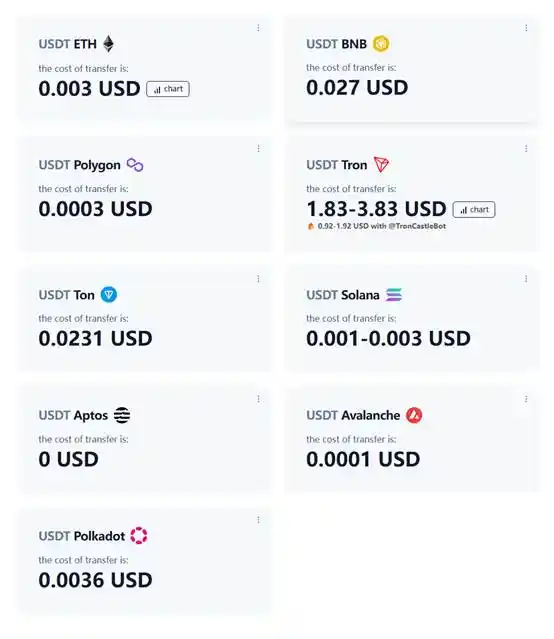
According to GasFeesNow data, the current Gas cost for transferring USDT on the ETH mainnet is only about 0.016% of that on the Tron blockchain:
Following the Pectra upgrade's EIP-7783, the Fusaka upgrade's EIP-7935 once again increased the default Gas limit, raising the Gas limit to 60 million. A higher Gas limit means each block can process more transactions, reducing both block congestion and transaction fees.
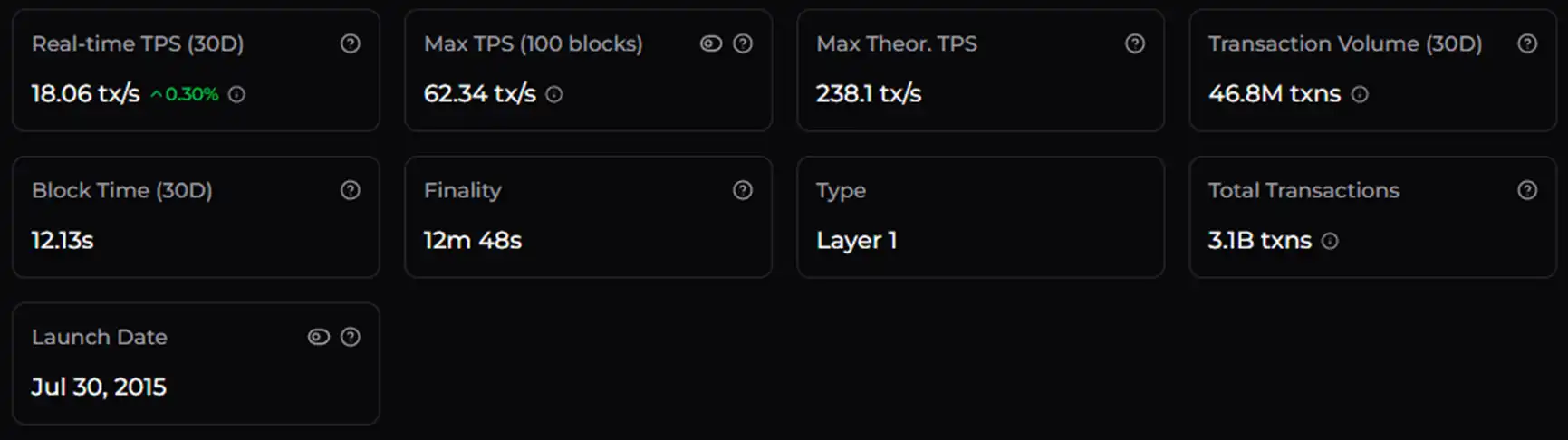
According to Chainspect's data, the current theoretical TPS peak of the Ethereum mainnet has reached 238.1, while early Ethereum only had a theoretical TPS peak of 15. In 10 years, it has increased nearly 16 times, a significant leap akin to a decade-long transformation.
PeerDAS, a Significant Milestone in Sharding
"The significance of PeerDAS in Fusaka is profound because it is essentially sharding. Ethereum can achieve block consensus without any single node having to view even a tiny fraction of the data. Moreover, it can resist 51% attacks—it employs client-side probabilistic verification rather than validator voting. Sharding has been Ethereum's dream since 2015, and data availability sampling has been ongoing since 2017; now, we have finally achieved it."
From Vitalik's tweet above, we can understand why PeerDAS is the most highlighted advancement in the Fusaka upgrade. PeerDAS (EIP-7954) introduces a data availability sampling mechanism using KZG proofs, allowing nodes to sample a small portion (1/8) of blob data and compare it with data held by peer nodes.
This enables Ethereum to increase the blob capacity per block without increasing the node size, allowing validation of L2 transactions with only a partial data download. For L2, this not only means theoretically 8 times the data throughput but also lower blob costs and user fees.
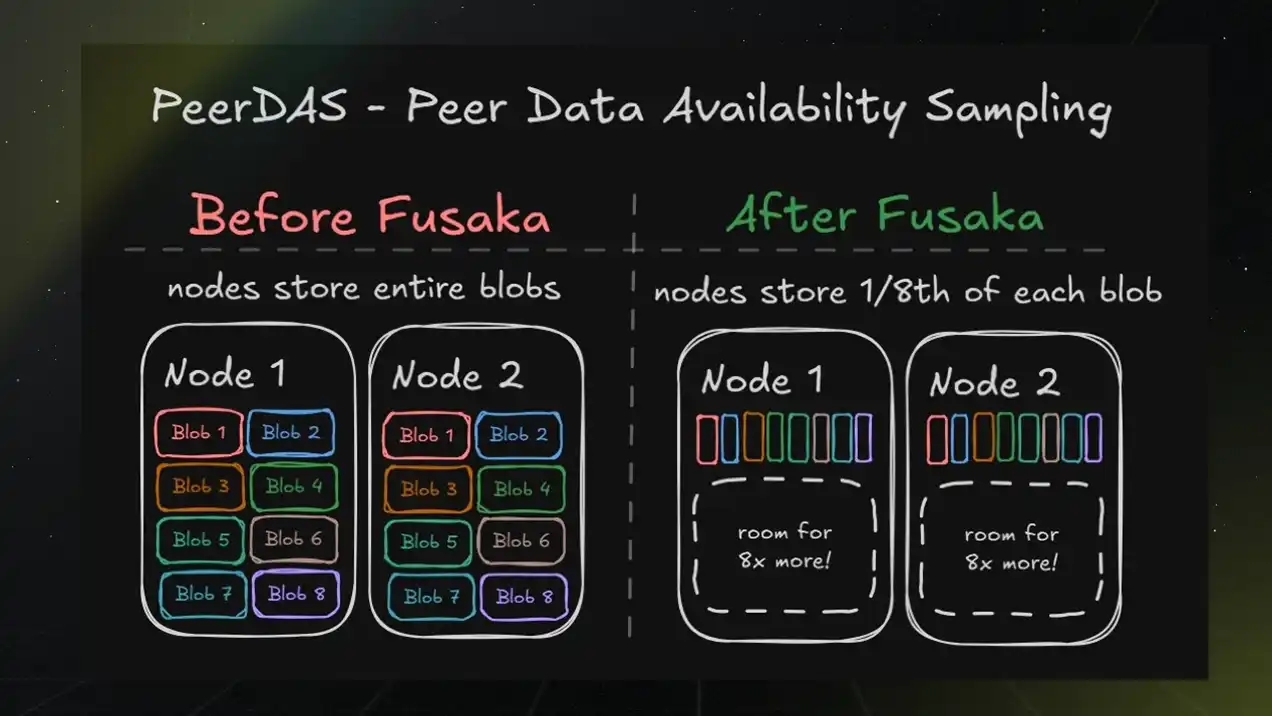
(Image Source: @jarrodwatts)
However, Vitalik also pointed out three aspects in which Fusaka's sharding mechanism is still imperfect:
· It can handle O(c^2) transactions at the L2 level (where c is the computational load per node), but this cannot be achieved on the Ethereum mainnet. To achieve a direct boost to the mainnet's scalability, besides the improvements from constant factor upgrades like BAL and ePBS, a mature ZK-EVM is also needed.*
· Proposal/Developer Bottlenecks. Currently, developers need to possess all the data and construct the entire block. It would be great if distributed block construction could be realized.
· We still need to shard the mempool.
Vitalik stated that over the next two years, the PeerDAS mechanism will continue to be improved, cautiously scaling it up while ensuring its stability, and leveraging it to scale Layer 2. Once ZK-EVM matures, it will be redirected to the Ethereum mainnet to scale it further and continue to improve L1 gas fees.
Surging blob Fee
blob Gas fees surge by millions:
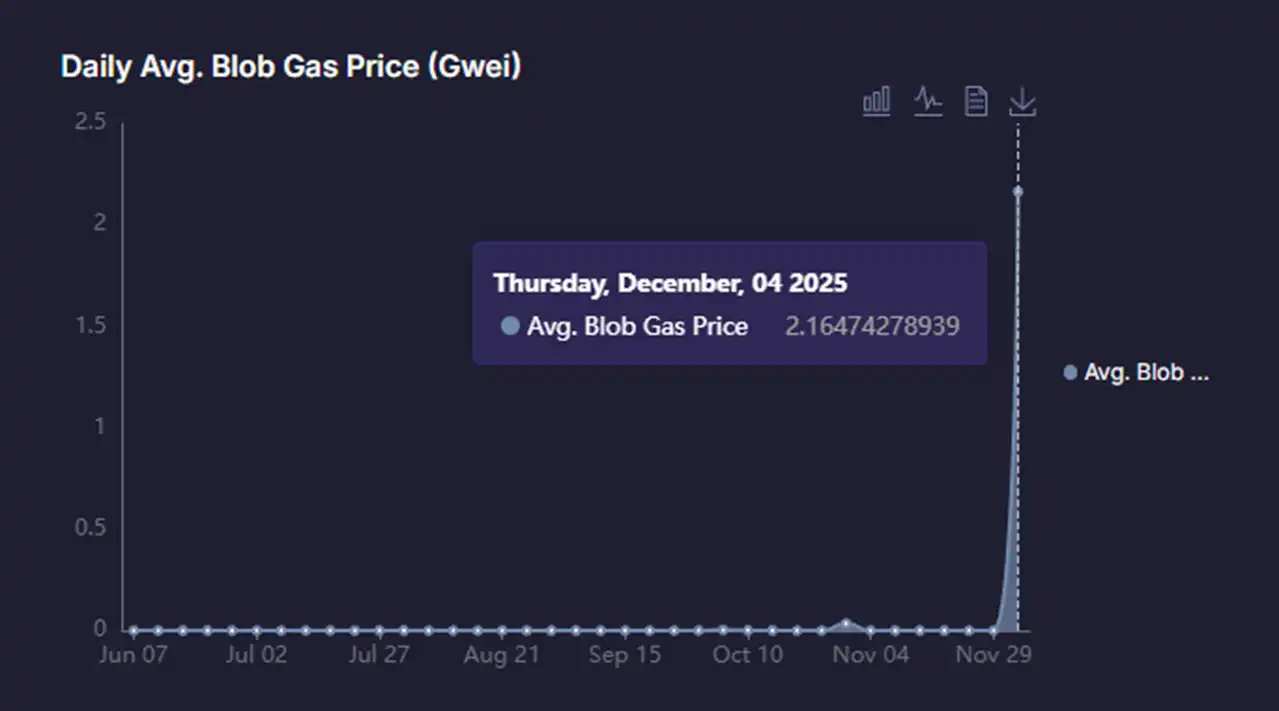
Before the Fusaka upgrade, blob Gas was essentially free because L2s submitting blob data to the mainnet were not subject to a minimum fee. As mainnet gas prices increased, L2s also stopped submitting blob data to the mainnet. This means that the Ethereum mainnet was essentially providing security for L2s free of charge.
Take Lighter, for example, they accounted for approximately 92% of all Rollup L2 TPS in the past day but paid less than $100 to the mainnet. Over a year's period, their average daily payment to the mainnet was only about $670.
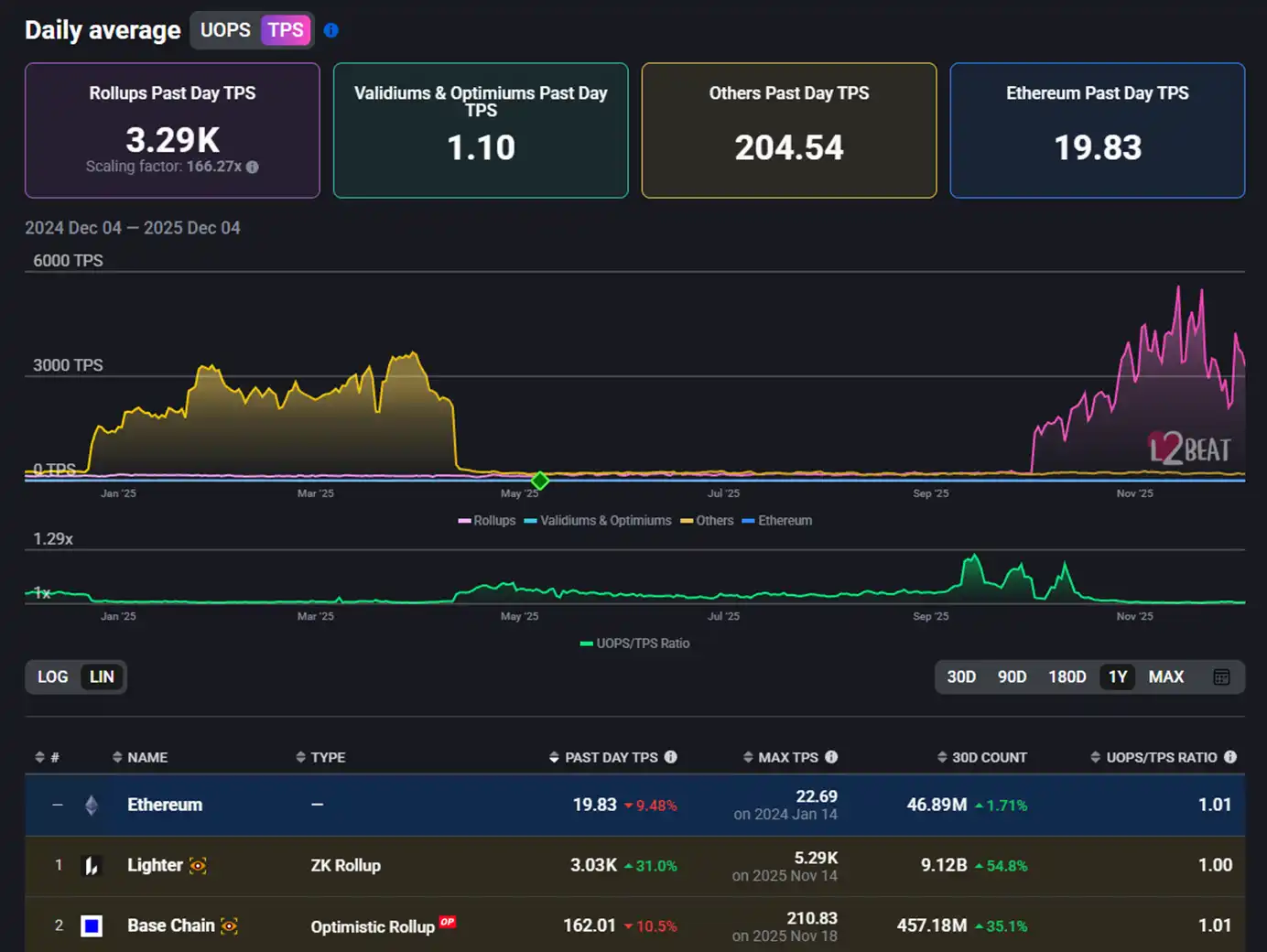
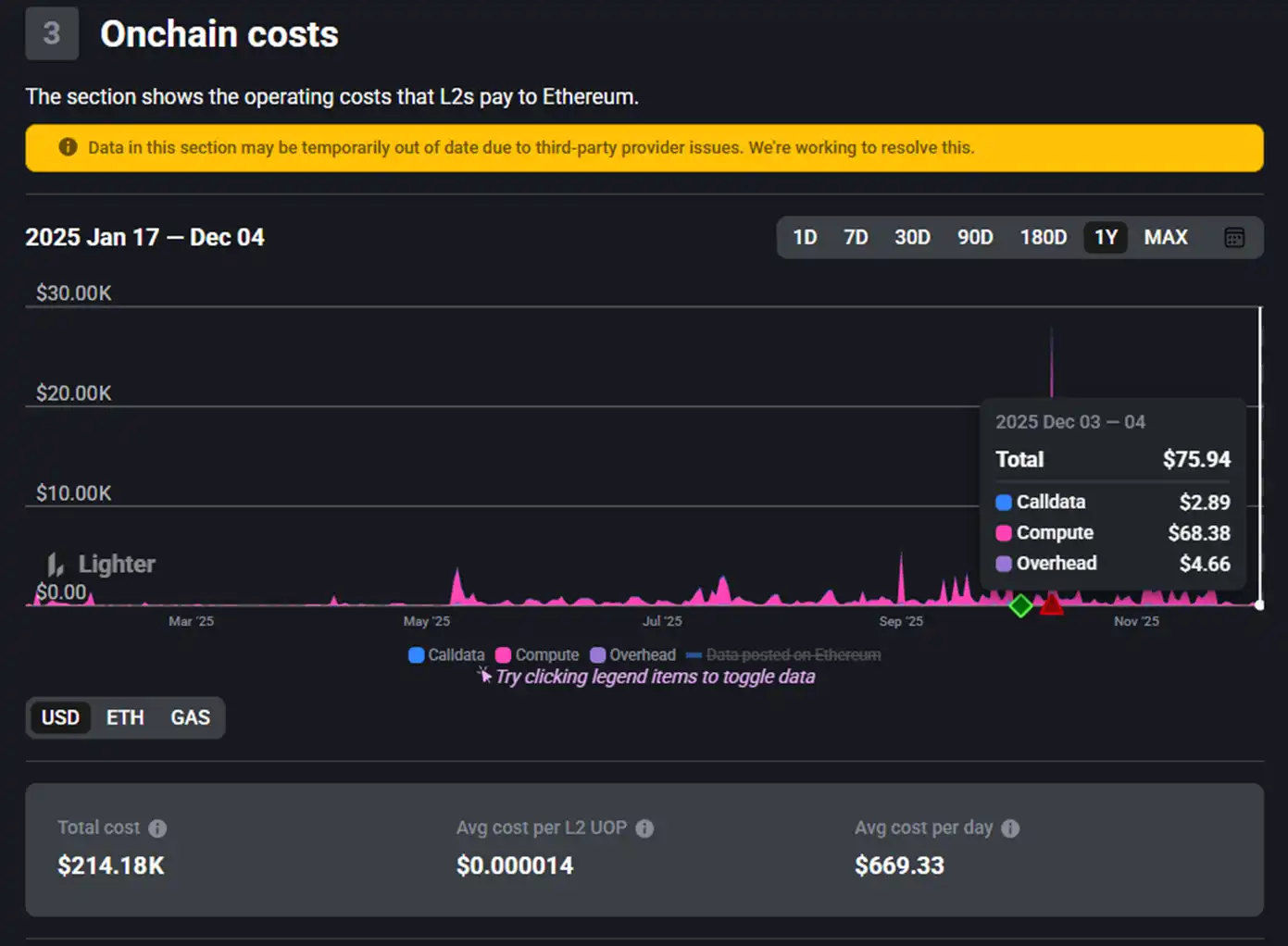
Therefore, it can be said that there was a "misalignment of incentives" regarding blob Gas fees between the mainnet and L2. L2s wanted blobs to be as small as possible to reduce user gas fees, while the mainnet wanted blob Gas fees to be as high as possible because it was providing security for L2s.
The EIP-7918 proposal of the Fusaka upgrade linked blob Gas fees to the mainnet's gas fees, providing a floor for blob Gas fees and making them more stable and predictable. Bitwise analysts state that after the Fusaka upgrade, the minimum threshold for blob Gas fees is roughly the mainnet's base execution fee divided by 16, which will create a more stable income and burn flow for the mainnet.
Of course, the actual impact on mainnet revenue and burn growth will depend on how each L2 grows.
You may also like

Abraxas Capital Mints $2.89 Billion USDT: Liquidity Boost or Just More Stablecoin Arbitrage?
Abraxas Capital just received $2.89 billion in freshly minted USDT from Tether. Is this a bullish liquidity injection for crypto markets, or is it business as usual for a stablecoin arbitrage giant? We analyze the data and the likely impact on Bitcoin, altcoins, and DeFi.

A VC from the Crypto world said AI is too crazy, and they are very conservative
The Evolutionary History of Contract Algorithms: A Decade of Perpetual Contracts, the Curtain Has Yet to Fall

Kicked out by PayPal, Musk aims to make a comeback in the cryptocurrency market

Solana ETF News: What Is a Solana ETF and Why Is Goldman Sachs Betting $108 Million on SOL?
Solana ETF news today shows Goldman Sachs disclosed a $108M position while total SOL ETF inflows reached $1.45B. Analysts now expect up to $6B in institutional demand as Solana trades 71% below its all-time high.

Bitcoin ETF News Today: $2.1B Inflows Signal Strong Institutional Demand for BTC
Bitcoin ETFs news recorded $2.1B inflows over 8 consecutive days, marking one of the strongest recent accumulation streaks. Here’s what the latest Bitcoin ETF news means for BTC price and whether the $80K breakout level is next.
Michael Saylor: Winter is Over – Is He Right? 5 Key Data Points (2026)
Michael Saylor tweeted yesterday “Winter‘s Over.” It is short. It is bold. And it has the crypto world talking.
But is he right? Or is this just another CEO pumping his bags?
Let us look at the data. Let us be neutral. Let us see if the ice has really melted.

WEEX Bubbles App Now Live Visualizes the Crypto Market at a Glance
WEEX Bubbles is a standalone app designed to help users quickly understand complex crypto market movements through an intuitive bubble visualization.

Polygon co-founder Sandeep: Writing after the chain bridge chain explosion

Major Upgrade on Web: 10+ Advanced Chart Styles for Deeper Market Insights
To deliver more powerful and professional analysis tools, WEEX has rolled out a major upgrade to its web trading charts—now supporting up to 14 advanced chart styles.

Morning Report | Aethir secures a $260 million enterprise contract with Axe Compute; New Fire Technology acquires Avenir Group's trading team; Polymarket's trading volume surpassed by Kalshi

Why a Million-Follower Crypto KOL Chooses WEEX VIP?
Discover why top crypto KOL Carl Moon partnered with WEEX. Explore the WEEX VIP ecosystem, 1,000 BTC protection fund, and exclusive rewards for serious traders.

CoinEx Founder: The Crypto Endgame in My Eyes

Spark Coin (SPK): Explodes 73% as Aave Bleeds $15B, A Good Investment Now?
Spark coin (SPK) surged 73% as $15 billion fled Aave after the KelpDAO hack. This article explains what Spark is, why it’s pumping, and whether it is a good investment right now.

As Aave's building collapses, Spark's high-rise is rising

RootData: Q1 2026 Cryptocurrency Exchange Transparency Research Report

What Is Memecoin Trading? A Beginner's Guide to How It Works, the Risks, and 2026's Hottest Tokens
Memecoins surged 30%+ at the start of 2026 while Bitcoin was flat. RAVE spiked 4,500% then crashed 90% in days. MAGA jumped 350% overnight. This guide explains exactly how memecoin trading works — and how to not blow up your account doing it.

Trump Extends Ceasefire: Bitcoin Hits $79K — What Crypto Traders Need to Know Right Now
Bitcoin surged past $79,000 after Trump extended the ceasefire indefinitely. We break down exactly what happened, how every major crypto reacted, and what traders should watch next — including the one level that could unlock an $85,000 BTC rally.
Abraxas Capital Mints $2.89 Billion USDT: Liquidity Boost or Just More Stablecoin Arbitrage?
Abraxas Capital just received $2.89 billion in freshly minted USDT from Tether. Is this a bullish liquidity injection for crypto markets, or is it business as usual for a stablecoin arbitrage giant? We analyze the data and the likely impact on Bitcoin, altcoins, and DeFi.
A VC from the Crypto world said AI is too crazy, and they are very conservative
The Evolutionary History of Contract Algorithms: A Decade of Perpetual Contracts, the Curtain Has Yet to Fall
Kicked out by PayPal, Musk aims to make a comeback in the cryptocurrency market
Solana ETF News: What Is a Solana ETF and Why Is Goldman Sachs Betting $108 Million on SOL?
Solana ETF news today shows Goldman Sachs disclosed a $108M position while total SOL ETF inflows reached $1.45B. Analysts now expect up to $6B in institutional demand as Solana trades 71% below its all-time high.
Bitcoin ETF News Today: $2.1B Inflows Signal Strong Institutional Demand for BTC
Bitcoin ETFs news recorded $2.1B inflows over 8 consecutive days, marking one of the strongest recent accumulation streaks. Here’s what the latest Bitcoin ETF news means for BTC price and whether the $80K breakout level is next.


 App
App