SlowMist: Web3 Phishing Technique Analysis

By: blockbeats|2025/02/03 17:15:04
0
Share
copy
Original Article Title: "SlowMist: Web3 Phishing Tactics Analysis"
Original Source: SlowMist Security Team

Lately, SlowMist was invited to participate in the Ethereum Web3 Security BootCamp organized by DeFiHackLabs. As a speaker, SlowMist's Head of Security Audit, Thinking, delved into the malicious ways and covert methods of phishing hackers across eight chapters titled "Fake, Bait, Lure, Attack, Conceal, Skill, Distinguish, Defend," combining practical examples to lead students to a deep understanding of phishing attacks and proposing relevant preventive measures. Phishing is one of the heavily targeted areas in the industry. Understanding the enemy is necessary to defend effectively. This article will extract key content from the sharing session to help users understand the current state of phishing attacks and effectively mitigate the threat of phishing attacks.

Why Phishing Happens

SlowMist: Web3 Phishing Technique Analysis

In the Web3 world, phishing attacks have become one of the major security threats. Let's first look at why users fall victim to phishing. In fact, even users with high security awareness sometimes feel the saying "if you walk by the river often, you will eventually get your shoes wet" applies to them. After all, maintaining the highest level of vigilance at all times is difficult. Attackers analyze factors such as recent hot projects, community activity, and user base to select highly visible targets, disguise them carefully, and then lure users using airdrops, high returns, and other baits. These attack methods are usually accompanied by social engineering. Attackers are adept at exploiting user psychology to achieve their fraudulent goals:

·  Enticement: Airdrop whitelist qualification, mining rewards, private key of wealth, etc.

·  Curiosity / Greed: Fearless exit strategy for a rug pull, can't miss the potential 100x coin, don't miss out at 10 PM tonight, meeting link https://us04-zoom[.]us/ (malicious); $PENGU airdrop whitelist must not be missed, https://vote-pengu[.]com/ (malicious).

·  Fear: Urgent alert: XX project has been hacked, please use revake[.]cash (malicious) to revoke authorization and prevent fund loss.

·  Efficient Tools: Airdrop farming tools, AI quantitative tools, one-click mining fleeceware, etc.

Attackers invest time in creating and deploying baits simply because it is profitable. Through the above means, attackers can easily obtain users' sensitive information/permissions, thereby stealing user assets:

·  MNEMONIC / Private Key Theft: Deceiving users into inputting their mnemonic phrase or private key.

·  Deceiving User to Sign with Wallet: Authorization signature, transaction signature, etc.

·  Account Password Theft: Telegram, Gmail, X, Discord, etc.

·  Social App Permission Theft: X, Discord, etc.

·  Inducing Installation of Malicious Programs: Fake wallet apps, fake social apps, fake conference apps, etc.

Phishing Techniques

Next, let's take a look at some common phishing techniques:

Account Theft / Impersonation

Recently, there has been a surge in incidents where Web3 projects' / KOLs' X accounts were hacked. After hijacking the account, attackers often promote fake tokens or construct similar domain names in the "good news" they release to deceive users into clicking. Of course, there are cases where the domain is legitimate because the attacker may have taken over the project's domain. Once the victim clicks on the phishing link, performs a signature, or downloads malicious software, their assets will be stolen.

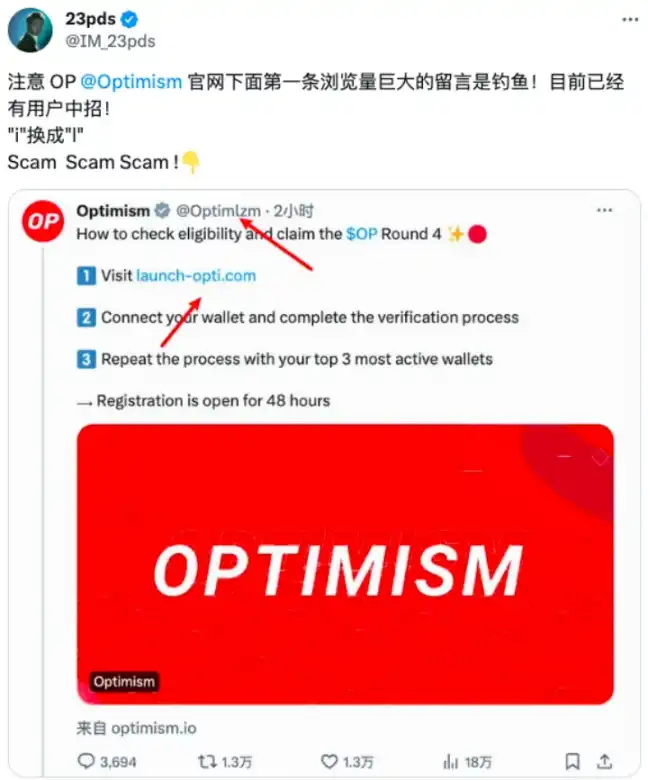
In addition to stealing accounts, attackers on X often use impersonated accounts to comment in the comments section of legitimate accounts to deceive users. The SlowMist Security Team has conducted targeted analysis and statistics: about 80% of well-known projects have the comments section of their tweets occupied by scam phishing accounts. Attackers use automated bots to follow the activities of well-known projects. After a project releases a tweet, the phishing group's bots will automatically leave a comment in the comments section to ensure they occupy the first comment position for high visibility. Since the post the user is viewing is sent by a real project and the disguised phishing group account and the project account are highly similar, as long as the user is not vigilant enough and clicks on the high-imposter account's phishing link under the guise of an airdrop or similar pretext, and then authorizes or signs, they will lose their assets.
Attackers will also impersonate administrators to post fake news, especially on platforms like Discord where this phenomenon is more common. Discord supports user-customized nicknames and usernames, so attackers will change their profile picture and nickname to match those of an administrator, then post phishing information in the channel or private message users. If users do not click on the account profile to view the username, it is difficult to detect the issue. Furthermore, although Discord usernames cannot be duplicated, attackers can use names that are highly similar to the administrator's username, such as adding an underscore or a period in the username, making it difficult for users to distinguish between real and fake accounts.

Invite Phishing

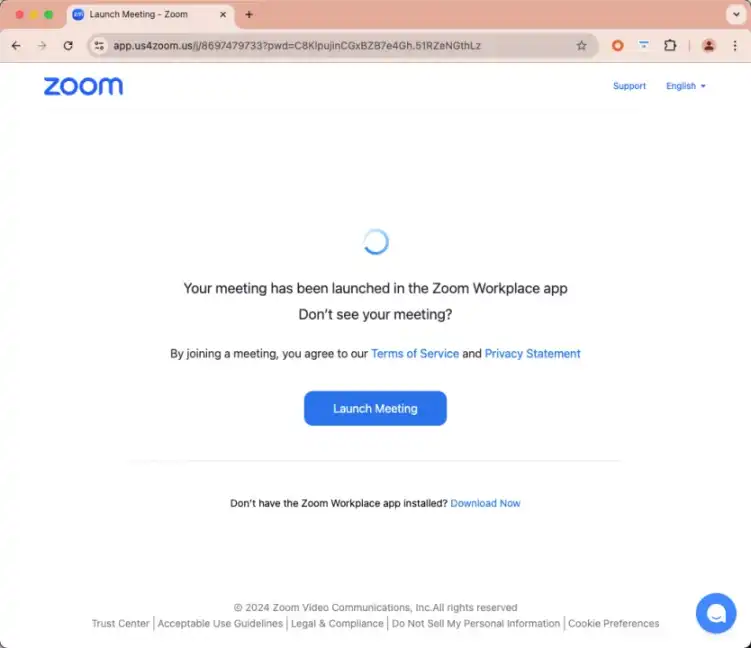
Attackers often establish contact with victims on social platforms, recommend "high-quality" projects or invite users to meetings, guide victims to visit malicious phishing sites, or download malicious applications. In the past, users have been hacked after downloading a fake Zoom app. Attackers use domains like "app[.]us4zoom[.]us" to disguise themselves as legitimate Zoom meeting links, with the page closely resembling the actual Zoom interface. When users click the "Start Meeting" button, they trigger the download of a malicious installation package instead of launching the local Zoom client or downloading Zoom's official client. As the malicious program prompts users to enter their passwords at runtime, and subsequent malicious scripts collect browser plugin wallet data and KeyChain data (potentially including various passwords saved on the computer), attackers collect this data to attempt decryption and obtain sensitive information such as the user's wallet mnemonic phrase/private key, leading to asset theft.
Search Engine Ranking Manipulation

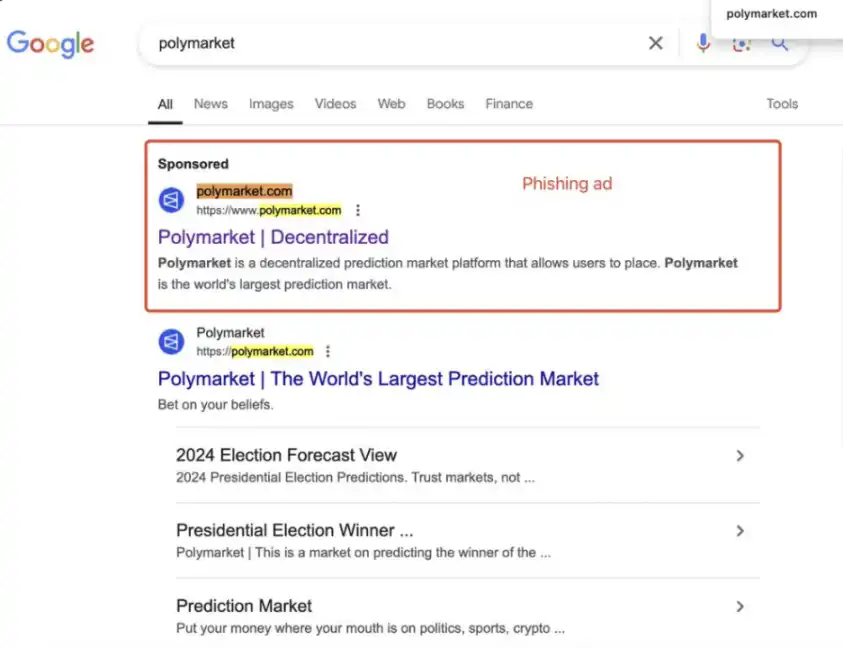
Search engine ranking results can be boosted through ad promotion, leading to phishing sites potentially ranking higher than the genuine official websites. In cases where users are unaware of the official website's URL, it's challenging to differentiate a phishing site solely based on the site's appearance. Phishing sites can customize the URL displayed in Google Ads promotions, where the URL shown in the Sponsored section may be identical to the official URL, but when users click the ad's URL, they are redirected to the attacker's constructed phishing site. Because phishing sites created by attackers closely resemble genuine official sites, it's challenging to distinguish between them, making it inadvisable for users to directly search for official websites using search engines as they are likely to land on a phishing site.
TG Advertisement Scam

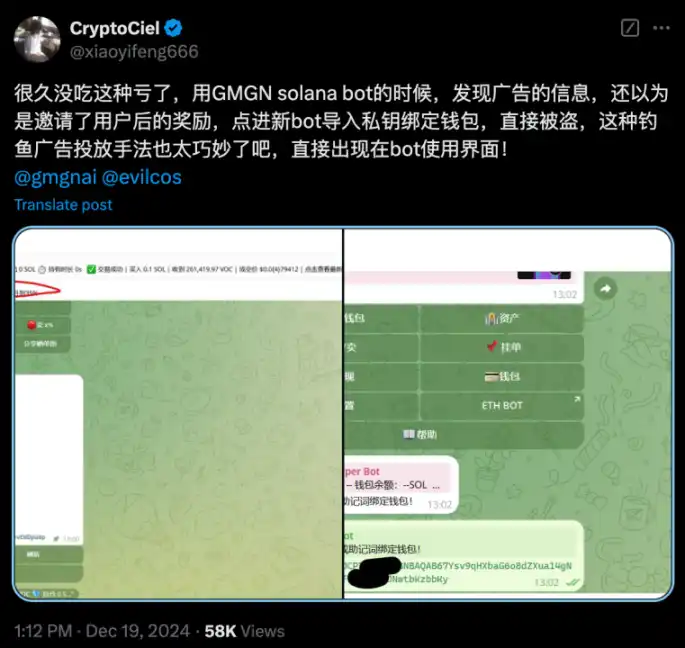
Recently, there has been a significant increase in users falling victim to fake TG Bots. Multiple users reported encountering a new bot at the top of the channel while using a trading bot, assuming it was an official new release and proceeding to import private keys to link wallets, only to be hacked. Attackers utilize Telegram to precisely target advertisements in official channels, enticing users to click. This form of phishing is highly covert because the ad appears in an official channel, leading users to instinctively believe it is an official robot release. Lacking vigilance, if users click the phishing bot and upload private keys to link, they risk being hacked.
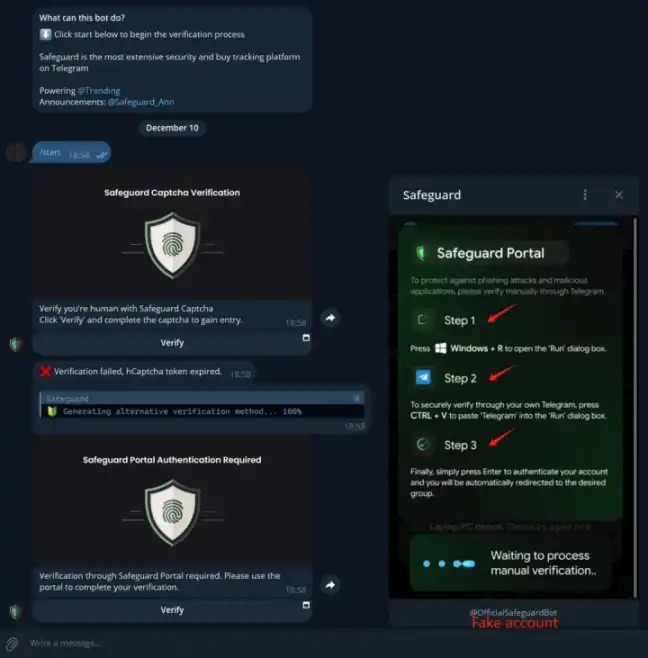
In addition, we recently disclosed a new type of scam, the Telegram Fake Safeguard scam, where many users were stolen from because they ran malicious code following the attacker's tutorial.
App Store

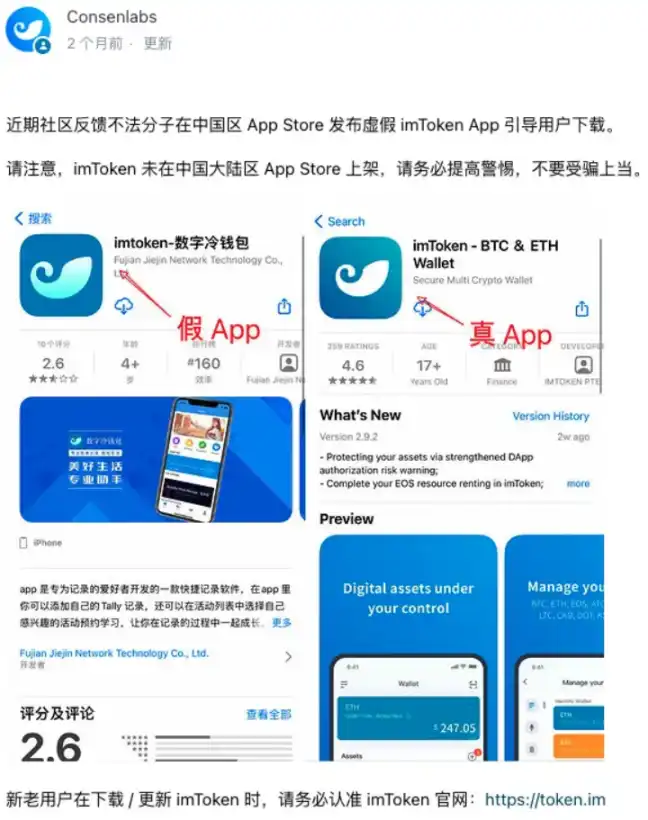
Not all software on the app stores (Google Play, Chrome Store, App Store, APKCombo, etc.) are genuine. Often, the stores cannot fully review the software. Some attackers lure users into downloading fraudulent apps through methods like buying keyword rankings. Dear readers, please pay attention to verification. Before downloading, make sure to check the app developer information to ensure it matches the officially announced developer identity. You can also refer to app ratings, download counts, and other information.
Phishing Email

Email phishing is the most classic trick, known for being "simple and unadorned." Attackers use phishing templates and combine them with Evilngins reverse proxy to create emails like the one in the image below: when users click on "VIEW THE DOCUMENT," they will be redirected to a fake DocuSign interface (now unable to open). Subsequently, if a user clicks on Google Login on that interface, they will be redirected to a reverse-proxied Google login window. Once the user enters their account, password, and 2FA on that window, the account will be taken over by the attacker.
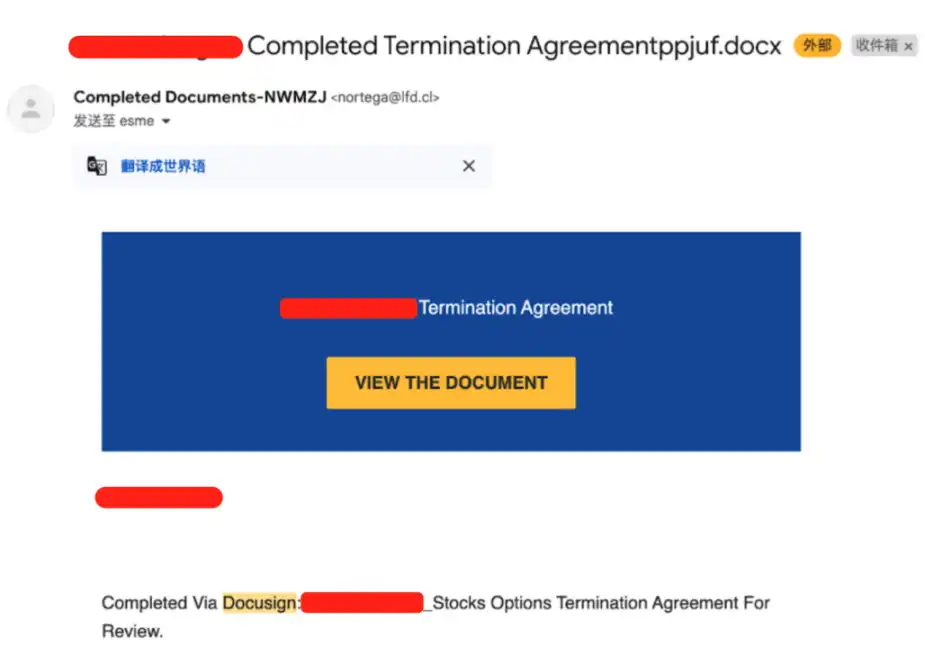
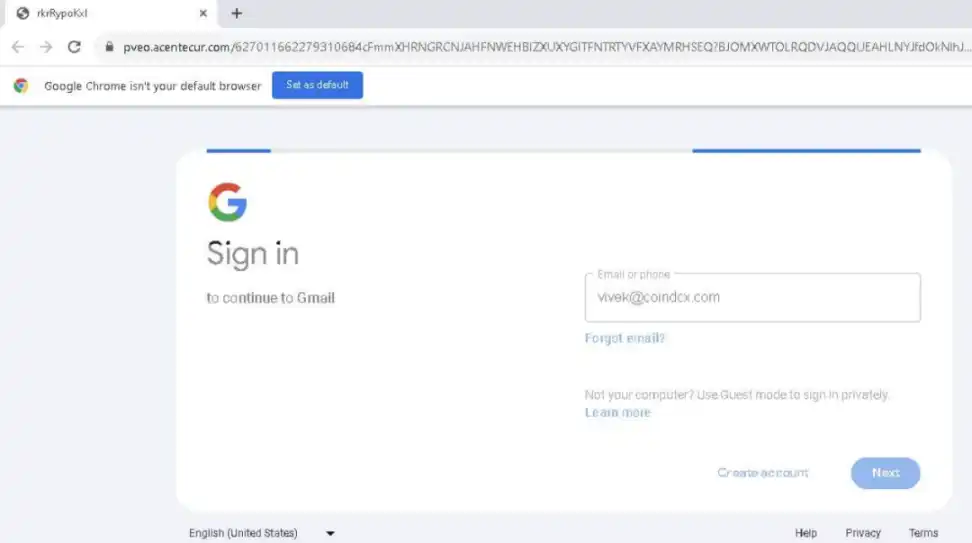
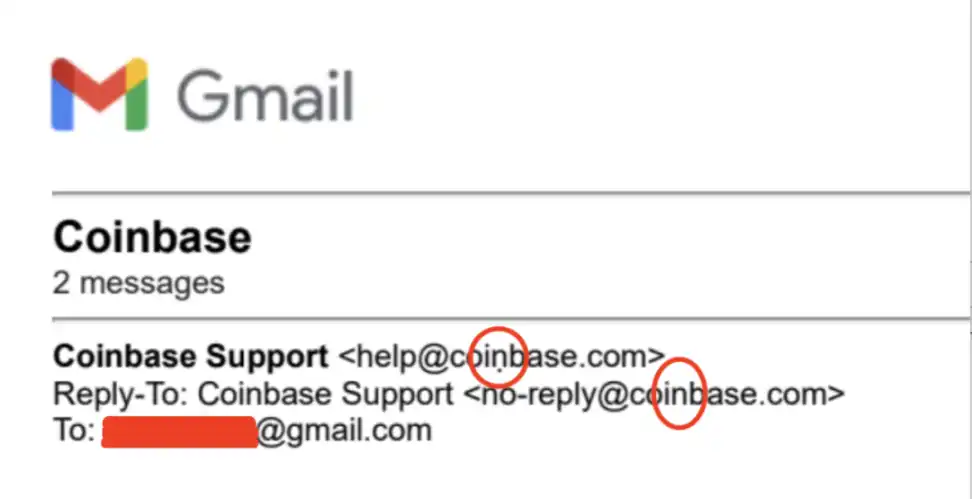
The phishing email in the image above is obviously not well-crafted because the sender's email address is not disguised. Let's see how the attacker in the image below disguises their identity: the attacker's email address differs from the official address by just a small dot. Attackers can use DNSTwist to find special characters supported by Gmail to make their email address look legitimate. If you don't look closely, you might think it's just a dirty computer screen.
Browser Feature Exploitation

See SlowMist's article: Revealing how malicious browser bookmarks can steal your Discord Token.

Defense Challenge

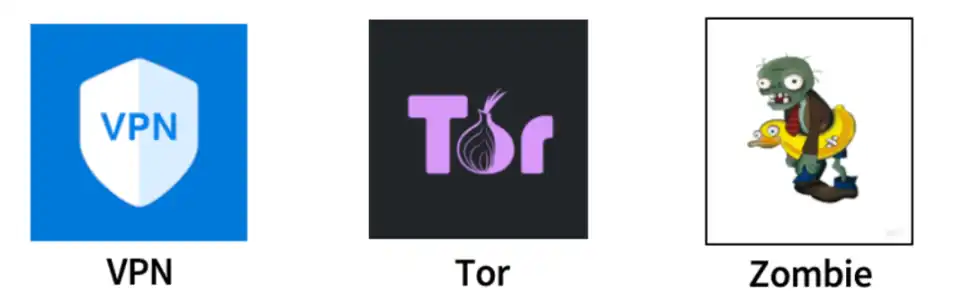
The tactics used by attackers are constantly evolving, generally moving towards a more sophisticated and standardized direction. In our previous analysis, we found that attackers are not only able to create web pages highly similar to those of well-known projects and take over the project's domain, but there are also cases where an entire project is fictitious. These fake projects not only have many (purchased) fans on social media but also have GitHub repositories, posing a greater challenge for users to identify phishing threats. Additionally, attackers' adept use of anonymous tools has made tracing their tracks more difficult and complex. To conceal their identities, attackers often use VPNs, Tor, or even control compromised hosts to carry out malicious activities.
With an anonymous identity established, attackers, to build a phishing network, also need to purchase basic service infrastructure, such as Namecheap, with support for cryptocurrency payments. Some services only require an email for registration, without the need for KYC verification, allowing attackers to avoid being traced.

Once the aforementioned preparations are in place, attackers can launch phishing attacks. After profiting, the funds are further obfuscated using services like Wasabi, Tornado, etc., to confuse the fund's path. To enhance anonymity, funds may also be converted into highly anonymous cryptocurrencies such as Monero.

To avoid leaving samples and evidence, attackers will cover their tracks by deleting related domain resolutions, malicious programs, GitHub repositories, platform accounts, etc. This often results in security personnel encountering situations where phishing websites cannot be accessed or malicious programs cannot be downloaded, increasing the difficulty of analysis and tracking.

Defense Strategy

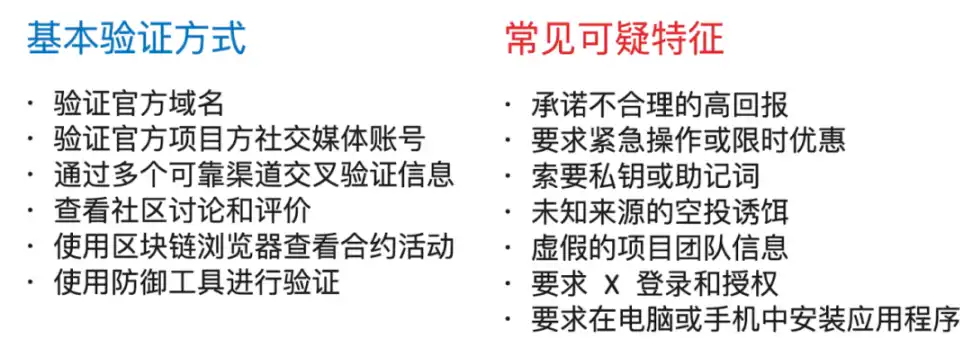
Users can identify phishing threats based on the characteristics in the above image and learn basic methods to verify information authenticity. They can also use some defense tools to enhance phishing defense capabilities:

·  Phishing Risk Blocking Plugins: Tools like Scam Sniffer can detect risks from multiple dimensions. When users open suspicious phishing pages, the tool will promptly display a risk warning.

·  Secure Wallets with High Interaction Security: Such as Rabby's Watch-only wallet (no private key required), phishing website identification, see-and-sign, high-risk signature identification, history record Scam identification, etc.

·  Internationally Recognized Antivirus Software: Such as AVG, Bitdefender, Kaspersky, etc.

·  Hardware Wallet: A hardware wallet provides an offline way to store private keys. When interacting with a hardware wallet and DApp, the private key is not exposed online, effectively reducing the risk of asset theft.

Final Thoughts

In the blockchain dark forest, phishing attacks are omnipresent. Cultivation lies in the arising of every thought—being mindful of one's intentions to avoid unconsciously falling into a mental state. When navigating the blockchain dark forest, the most fundamental practice is to cultivate a habit of maintaining zero trust and continuous verification. It is recommended that everyone deeply read and gradually master the "Blockchain Dark Forest Survival Manual."

Due to space constraints, this article only introduces the main contents of the sharing session. The nearly seventy-page PPT is now publicly available.

Original Article Link

You may also like

Token Cannot Compound, Where Is the Real Investment Opportunity?

The next chapter in the crypto industry will undoubtedly be written by Crypto-empowered Stocks.

February 6th Market Key Intelligence, How Much Did You Miss?

1. On-chain Flows: $508.2M USD inflow to Ethereum today; $390.8M USD outflow from Arbitrum 2. Biggest Gainers/Losers: $HBTC, $AIO 3. Top News: Current Bitcoin weekly RSI oversold signal comparable to June 2022

China's Central Bank and Eight Other Departments' Latest Regulatory Focus: Key Attention to RWA Tokenized Asset Risk


Foreword: Today, the People's Bank of China's website published the "Notice of the People's Bank of China, National Development and Reform Commission, Ministry of Industry and Information Technology, Ministry of Public Security, State Administration for Market Regulation, China Banking and Insurance Regulatory Commission, China Securities Regulatory Commission, State Administration of Foreign Exchange on Further Preventing and Dealing with Risks Related to Virtual Currency and Others (Yinfa [2026] No. 42)", the latest regulatory requirements from the eight departments including the central bank, which are basically consistent with the regulatory requirements of recent years. The main focus of the regulation is on speculative activities such as virtual currency trading, exchanges, ICOs, overseas platform services, and this time, regulatory oversight of RWA has been added, explicitly prohibiting RWA tokenization, stablecoins (especially those pegged to the RMB). The following is the full text:


To the people's governments of all provinces, autonomous regions, and municipalities directly under the Central Government, the Xinjiang Production and Construction Corps:


  Recently, there have been speculative activities related to virtual currency and Real-World Assets (RWA) tokenization, disrupting the economic and financial order and jeopardizing the property security of the people. In order to further prevent and address the risks related to virtual currency and Real-World Assets tokenization, effectively safeguard national security and social stability, in accordance with the "Law of the People's Republic of China on the People's Bank of China," "Law of the People's Republic of China on Commercial Banks," "Securities Law of the People's Republic of China," "Law of the People's Republic of China on Securities Investment Funds," "Law of the People's Republic of China on Futures and Derivatives," "Cybersecurity Law of the People's Republic of China," "Regulations of the People's Republic of China on the Administration of Renminbi," "Regulations on Prevention and Disposal of Illegal Fundraising," "Regulations of the People's Republic of China on Foreign Exchange Administration," "Telecommunications Regulations of the People's Republic of China," and other provisions, after reaching consensus with the Cyberspace Administration of China, the Supreme People's Court, and the Supreme People's Procuratorate, and with the approval of the State Council, the relevant matters are notified as follows:


  I. Clarify the essential attributes of virtual currency, Real-World Assets tokenization, and related business activities


  (I) Virtual currency does not possess the legal status equivalent to fiat currency. Virtual currencies such as Bitcoin, Ether, Tether, etc., have the main characteristics of being issued by non-monetary authorities, using encryption technology and distributed ledger or similar technology, existing in digital form, etc. They do not have legal tender status, should not and cannot be circulated and used as currency in the market.


  The business activities related to virtual currency are classified as illegal financial activities. The exchange of fiat currency and virtual currency within the territory, exchange of virtual currencies, acting as a central counterparty in buying and selling virtual currencies, providing information intermediary and pricing services for virtual currency transactions, token issuance financing, and trading of virtual currency-related financial products, etc., fall under illegal financial activities, such as suspected illegal issuance of token vouchers, unauthorized public issuance of securities, illegal operation of securities and futures business, illegal fundraising, etc., are strictly prohibited across the board and resolutely banned in accordance with the law. Overseas entities and individuals are not allowed to provide virtual currency-related services to domestic entities in any form.


  A stablecoin pegged to a fiat currency indirectly fulfills some functions of the fiat currency in circulation. Without the consent of relevant authorities in accordance with the law and regulations, any domestic or foreign entity or individual is not allowed to issue a RMB-pegged stablecoin overseas.


(II)Tokenization of Real-World Assets refers to the use of encryption technology and distributed ledger or similar technologies to transform ownership rights, income rights, etc., of assets into tokens (tokens) or other interests or bond certificates with token (token) characteristics, and carry out issuance and trading activities.


  Engaging in the tokenization of real-world assets domestically, as well as providing related intermediary, information technology services, etc., which are suspected of illegal issuance of token vouchers, unauthorized public offering of securities, illegal operation of securities and futures business, illegal fundraising, and other illegal financial activities, shall be prohibited; except for relevant business activities carried out with the approval of the competent authorities in accordance with the law and regulations and relying on specific financial infrastructures. Overseas entities and individuals are not allowed to illegally provide services related to the tokenization of real-world assets to domestic entities in any form.


  II. Sound Work Mechanism


  (III) Inter-agency Coordination. The People's Bank of China, together with the National Development and Reform Commission, the Ministry of Industry and Information Technology, the Ministry of Public Security, the State Administration for Market Regulation, the China Banking and Insurance Regulatory Commission, the China Securities Regulatory Commission, the State Administration of Foreign Exchange, and other departments, will improve the work mechanism, strengthen coordination with the Cyberspace Administration of China, the Supreme People's Court, and the Supreme People's Procuratorate, coordinate efforts, and overall guide regions to carry out risk prevention and disposal of virtual currency-related illegal financial activities.


  The China Securities Regulatory Commission, together with the National Development and Reform Commission, the Ministry of Industry and Information Technology, the Ministry of Public Security, the People's Bank of China, the State Administration for Market Regulation, the China Banking and Insurance Regulatory Commission, the State Administration of Foreign Exchange, and other departments, will improve the work mechanism, strengthen coordination with the Cyberspace Administration of China, the Supreme People's Court, and the Supreme People's Procuratorate, coordinate efforts, and overall guide regions to carry out risk prevention and disposal of illegal financial activities related to the tokenization of real-world assets.


  (IV) Strengthening Local Implementation. The people's governments at the provincial level are overall responsible for the prevention and disposal of risks related to virtual currencies and the tokenization of real-world assets in their respective administrative regions. The specific leading department is the local financial regulatory department, with participation from branches and dispatched institutions of the State Council's financial regulatory department, telecommunications regulators, public security, market supervision, and other departments, in coordination with cyberspace departments, courts, and procuratorates, to improve the normalization of the work mechanism, effectively connect with the relevant work mechanisms of central departments, form a cooperative and coordinated working pattern between central and local governments, effectively prevent and properly handle risks related to virtual currencies and the tokenization of real-world assets, and maintain economic and financial order and social stability.


  III. Strengthened Risk Monitoring, Prevention, and Disposal


  (5) Enhanced Risk Monitoring. The People's Bank of China, China Securities Regulatory Commission, National Development and Reform Commission, Ministry of Industry and Information Technology, Ministry of Public Security, State Administration of Foreign Exchange, Cyberspace Administration of China, and other departments continue to improve monitoring techniques and system support, enhance cross-departmental data analysis and sharing, establish sound information sharing and cross-validation mechanisms, promptly grasp the risk situation of activities related to virtual currency and real-world asset tokenization. Local governments at all levels give full play to the role of local monitoring and early warning mechanisms. Local financial regulatory authorities, together with branches and agencies of the State Council's financial regulatory authorities, as well as departments of cyberspace and public security, ensure effective connection between online monitoring, offline investigation, and fund tracking, efficiently and accurately identify activities related to virtual currency and real-world asset tokenization, promptly share risk information, improve early warning information dissemination, verification, and rapid response mechanisms.


  (6) Strengthened Oversight of Financial Institutions, Intermediaries, and Technology Service Providers. Financial institutions (including non-bank payment institutions) are prohibited from providing account opening, fund transfer, and clearing services for virtual currency-related business activities, issuing and selling financial products related to virtual currency, including virtual currency and related financial products in the scope of collateral, conducting insurance business related to virtual currency, or including virtual currency in the scope of insurance liability. Financial institutions (including non-bank payment institutions) are prohibited from providing custody, clearing, and settlement services for unauthorized real-world asset tokenization-related business and related financial products. Relevant intermediary institutions and information technology service providers are prohibited from providing intermediary, technical, or other services for unauthorized real-world asset tokenization-related businesses and related financial products.


  (7) Enhanced Management of Internet Information Content and Access. Internet enterprises are prohibited from providing online business venues, commercial displays, marketing, advertising, or paid traffic diversion services for virtual currency and real-world asset tokenization-related business activities. Upon discovering clues of illegal activities, they should promptly report to relevant departments and provide technical support and assistance for related investigations and inquiries. Based on the clues transferred by the financial regulatory authorities, the cyberspace administration, telecommunications authorities, and public security departments should promptly close and deal with websites, mobile applications (including mini-programs), and public accounts engaged in virtual currency and real-world asset tokenization-related business activities in accordance with the law.


  (8) Strengthened Entity Registration and Advertisement Management. Market supervision departments strengthen entity registration and management, and enterprise and individual business registrations must not contain terms such as "virtual currency," "virtual asset," "cryptocurrency," "crypto asset," "stablecoin," "real-world asset tokenization," or "RWA" in their names or business scopes. Market supervision departments, together with financial regulatory authorities, legally enhance the supervision of advertisements related to virtual currency and real-world asset tokenization, promptly investigating and handling relevant illegal advertisements.


  (IX) Continued Rectification of Virtual Currency Mining Activities. The National Development and Reform Commission, together with relevant departments, strictly controls virtual currency mining activities, continuously promotes the rectification of virtual currency mining activities. The people's governments of various provinces take overall responsibility for the rectification of "mining" within their respective administrative regions. In accordance with the requirements of the National Development and Reform Commission and other departments in the "Notice on the Rectification of Virtual Currency Mining Activities" (NDRC Energy-saving Building [2021] No. 1283) and the provisions of the "Guidance Catalog for Industrial Structure Adjustment (2024 Edition)," a comprehensive review, investigation, and closure of existing virtual currency mining projects are conducted, new mining projects are strictly prohibited, and mining machine production enterprises are strictly prohibited from providing mining machine sales and other services within the country.


  (X) Severe Crackdown on Related Illegal Financial Activities. Upon discovering clues to illegal financial activities related to virtual currency and the tokenization of real-world assets, local financial regulatory authorities, branches of the State Council's financial regulatory authorities, and other relevant departments promptly investigate, determine, and properly handle the issues in accordance with the law, and seriously hold the relevant entities and individuals legally responsible. Those suspected of crimes are transferred to the judicial authorities for processing according to the law.


 (XI) Severe Crackdown on Related Illegal and Criminal Activities. The Ministry of Public Security, the People's Bank of China, the State Administration for Market Regulation, the China Banking and Insurance Regulatory Commission, the China Securities Regulatory Commission, as well as judicial and procuratorial organs, in accordance with their respective responsibilities, rigorously crack down on illegal and criminal activities related to virtual currency, the tokenization of real-world assets, such as fraud, money laundering, illegal business operations, pyramid schemes, illegal fundraising, and other illegal and criminal activities carried out under the guise of virtual currency, the tokenization of real-world assets, etc.


  (XII) Strengthen Industry Self-discipline. Relevant industry associations should enhance membership management and policy advocacy, based on their own responsibilities, advocate and urge member units to resist illegal financial activities related to virtual currency and the tokenization of real-world assets. Member units that violate regulatory policies and industry self-discipline rules are to be disciplined in accordance with relevant self-regulatory management regulations. By leveraging various industry infrastructure, conduct risk monitoring related to virtual currency, the tokenization of real-world assets, and promptly transfer issue clues to relevant departments.


  IV. Strict Supervision of Domestic Entities Engaging in Overseas Business Activities


(XIII) Without the approval of relevant departments in accordance with the law and regulations, domestic entities and foreign entities controlled by them may not issue virtual currency overseas.


  (XIV) Domestic entities engaging directly or indirectly in overseas external debt-based tokenization of real-world assets, or conducting asset securitization activities abroad based on domestic ownership rights, income rights, etc. (hereinafter referred to as domestic equity), should be strictly regulated in accordance with the principles of "same business, same risk, same rules." The National Development and Reform Commission, the China Securities Regulatory Commission, the State Administration of Foreign Exchange, and other relevant departments regulate it according to their respective responsibilities. For other forms of overseas real-world asset tokenization activities based on domestic equity by domestic entities, the China Securities Regulatory Commission, together with relevant departments, supervise according to their division of responsibilities. Without the consent and filing of relevant departments, no unit or individual may engage in the above-mentioned business.


  (15) Overseas subsidiaries and branches of domestic financial institutions providing Real World Asset Tokenization-related services overseas shall do so legally and prudently. They shall have professional personnel and systems in place to effectively mitigate business risks, strictly implement customer onboarding, suitability management, anti-money laundering requirements, and incorporate them into the domestic financial institutions' compliance and risk management system. Intermediaries and information technology service providers offering Real World Asset Tokenization services abroad based on domestic equity or conducting Real World Asset Tokenization business in the form of overseas debt for domestic entities directly or indirectly venturing abroad must strictly comply with relevant laws and regulations. They should establish and improve relevant compliance and internal control systems in accordance with relevant normative requirements, strengthen business and risk control, and report the business developments to the relevant regulatory authorities for approval or filing.


  V. Strengthen Organizational Implementation


  (16) Strengthen organizational leadership and overall coordination. All departments and regions should attach great importance to the prevention of risks related to virtual currencies and Real World Asset Tokenization, strengthen organizational leadership, clarify work responsibilities, form a long-term effective working mechanism with centralized coordination, local implementation, and shared responsibilities, maintain high pressure, dynamically monitor risks, effectively prevent and mitigate risks in an orderly and efficient manner, legally protect the property security of the people, and make every effort to maintain economic and financial order and social stability.


  (17) Widely carry out publicity and education. All departments, regions, and industry associations should make full use of various media and other communication channels to disseminate information through legal and policy interpretation, analysis of typical cases, and education on investment risks, etc. They should promote the illegality and harm of virtual currencies and Real World Asset Tokenization-related businesses and their manifestations, fully alert to potential risks and hidden dangers, and enhance public awareness and identification capabilities for risk prevention.


  VI. Legal Responsibility


  (18) Engaging in illegal financial activities related to virtual currencies and Real World Asset Tokenization in violation of this notice, as well as providing services for virtual currencies and Real World Asset Tokenization-related businesses, shall be punished in accordance with relevant regulations. If it constitutes a crime, criminal liability shall be pursued according to the law. For domestic entities and individuals who knowingly or should have known that overseas entities illegally provided virtual currency or Real World Asset Tokenization-related services to domestic entities and still assisted them, relevant responsibilities shall be pursued according to the law. If it constitutes a crime, criminal liability shall be pursued according to the law.


  (19) If any unit or individual invests in virtual currencies, Real World Asset Tokens, and related financial products against public order and good customs, the relevant civil legal actions shall be invalid, and any resulting losses shall be borne by them. If there are suspicions of disrupting financial order and jeopardizing financial security, the relevant departments shall deal with them according to the law.


  This notice shall enter into force upon the date of its issuance. The People's Bank of China and ten other departments' "Notice on Further Preventing and Dealing with the Risks of Virtual Currency Trading Speculation" (Yinfa [2021] No. 237) is hereby repealed.


Former Partner's Perspective on Multicoin: Kyle's Exit, But the Game He Left Behind Just Getting Started

Kyle knew his game, so he decided to focus on playing the game he was good at and interested in.

Why Bitcoin Is Falling Now: The Real Reasons Behind BTC's Crash & WEEX's Smart Profit Playbook

Bitcoin's ongoing crash explained: Discover the 5 hidden triggers behind BTC's plunge & how WEEX's Auto Earn and Trade to Earn strategies help traders profit from crypto market volatility.

Wall Street's Hottest Trades See Exodus

This time there is no single triggering factor, but rather market anxiety about asset valuation, with many already skeptical of these valuations being too high, leading to investors choosing to retreat almost simultaneously.

Popular coins

Latest Crypto News

Read more