
Crypto Liquidation Cascade: What the $1.57B Oct. 30 Flush Taught

 Prefer us on Google

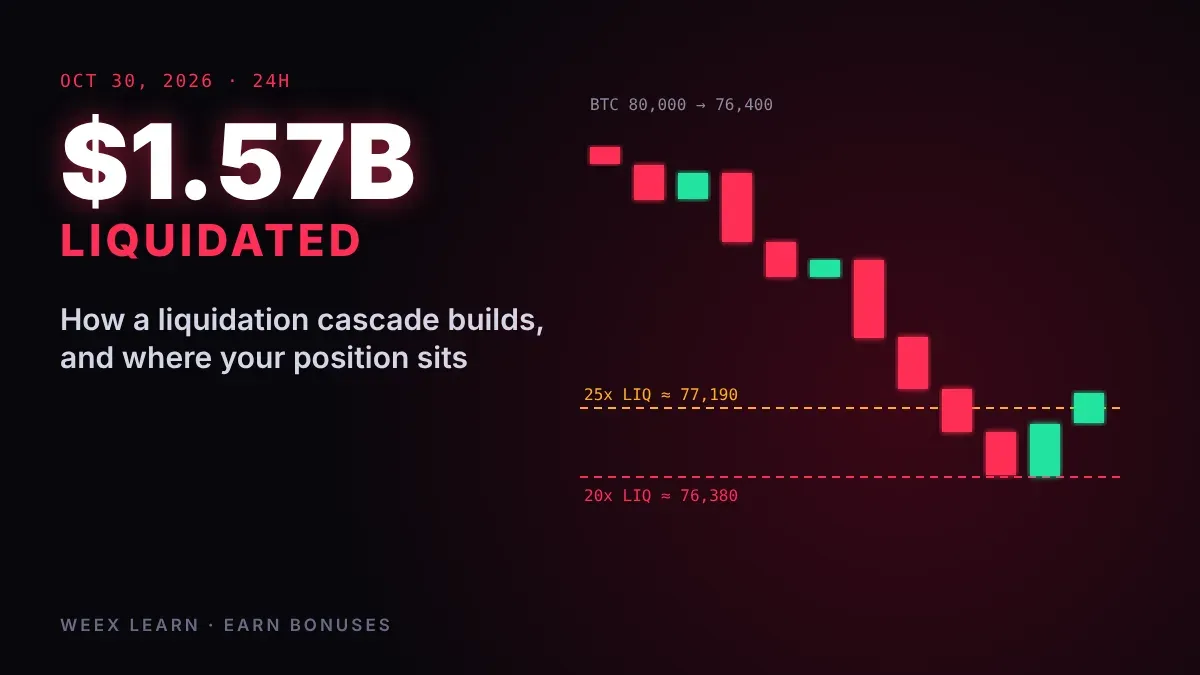
A crypto liquidation cascade is a chain reaction in which forced closures of leveraged positions push the price far enough to trigger the next layer of forced closures. Oct. 30, 2026 was a textbook case. After the roughly $6.3 billion Binance hack, futures liquidations jumped about fourfold to $1.57 billion in 24 hours, bitcoin fell to an overnight low of $76,400 and ether briefly touched $2,170.
The biggest losses sat in the two largest markets. Bitcoin positions accounted for about $522 million of liquidations and ether for about $361 million, together more than half the total. Trading volume rose 74% to $346.1 billion, while open interest, the value of futures positions still open, fell 3% to $136.3 billion. Traders were closing out, voluntarily or not.
This guide walks through how a cascade builds, what the Oct. 30 data says about who got flushed and who stayed, and how to check whether your own position sits close enough to the edge to be part of the next one. That check is timely: the US midterm elections, a Binance reserve report and a major index decision all land within the next ten days.
How a Liquidation Cascade Builds, Step by Step
Every leveraged futures position has a liquidation price, the level at which your margin can no longer cover losses and the exchange closes the position for you. A cascade happens when many of those levels sit close together and something knocks price into the first one.
- A shock moves price. On Oct. 30 it was the Binance hack, on top of weak tech stocks after Amazon raised its spending forecast.
- The first liquidations fire. Long positions with the thinnest margin are closed first, through market sell orders.
- Those sells push price lower. Forced orders do not care about price, so they eat through bids in the order book.
- The next cluster triggers. Lower prices reach the liquidation levels of the next group of longs, and the loop repeats.
- Selling exhausts itself. Once the crowded leverage is cleared, forced selling stops, and price often bounces partway back.
That last step explains why bitcoin recovered to around $77,350 within hours of its $76,400 low. The cascade ended because there was less leverage left to liquidate, not because buyers rushed in.
Reading the Oct. 30 Data: Who Got Flushed and Who Stayed
Price and open interest together tell you whether money left or stayed. On Oct. 30, bitcoin fell 3.1% over 24 hours while its open interest fell only 1.4%, so a modest amount of new positioning came in during the drop. Ether fell 4% while its open interest dropped 5.8%, a clearer sign of traders exiting.
Funding rates added a warning. Bitcoin's funding stayed positive and even rose, which means longs were still paying shorts to hold their positions after the flush. In practice, that tells you the crowd was still leaning long, and the leverage that fuels the next cascade had not fully cleared.
Options traders were less optimistic. Five of the six most-traded bitcoin options were puts below the market, led by a $74,000 put expiring Nov. 13, and the cost of downside protection rose across maturities. CoinMarketCap's Fear and Greed index slipped to 36, in "fear." Not every coin followed the script: HYPE rose 15% with open interest up 28%, a reminder that cascades hit crowded trades hardest.
Is Your Position in the Blast Zone? A WEEX Check
The fastest way to understand cascade risk is to put your own leverage against the Oct. 30 move. Bitcoin traded near $80,000 on the morning of Oct. 29 and hit $76,400 overnight, a drop of about 4.5%. Using a simplified formula for an isolated long, entry × (1 − 1/leverage) ÷ (1 − maintenance margin rate), and assuming a 0.5% maintenance rate for illustration, a long opened at $80,000 liquidates near:
- 5x: about $64,300, a buffer of roughly 19.6%.
- 10x: about $72,360, a buffer of roughly 9.5%.
- 20x: about $76,380, a buffer of roughly 4.5%, essentially the Oct. 30 low.
- 25x: about $77,190, a buffer of roughly 3.5%, wiped out before the low.
Fees and funding pull each line slightly closer, and larger positions face higher maintenance requirements. Read the exact estimated liquidation price from the order panel on the WEEX BTC-USDT perpetual rather than relying on the formula. Our guide to BTC liquidation math at 3x, 10x and 25x walks through the calculation in more depth.
The comparison worth making is simple: if a single bad night in October would have ended your position, your leverage is sized for calm markets in a week that is not calm.
-- Price
Rules That Keep You Out of the Next Cascade
Experienced traders tend to settle on a few habits after living through events like Oct. 30:
- Size from the stop, not the slider. Decide where you are wrong, then pick a position size that loses an amount you accept at that level. Leverage only sets how much margin is tied up.
- Keep the stop well inside the liquidation price. A stop that sits just above liquidation can be skipped in a fast market. The WEEX explainer on why a stop loss may not trigger or fill shows how mark price and execution type change the outcome.
- Use isolated margin for directional bets. It caps the loss at the margin assigned to that position instead of your whole futures balance.
- Watch funding as a crowding signal. Persistently positive funding after a drop means longs are still crowded. The WEEX funding fee guide shows how to read the rate and countdown.
- Cut leverage into scheduled events. The Nov. 3 vote, Binance's Nov. 3 reserve proof and MSCI's Nov. 11 index decision are known dates. Lower leverage before them costs little.
The better reading of Oct. 30 is that the hack was the spark, not the fuel. The fuel was leverage stacked at similar levels, and that is the part each trader controls.
FAQ
1. What causes a crypto liquidation cascade?
A price shock triggers the first forced closures of leveraged positions. Those closures are market orders that push price further, reaching the next cluster of liquidation levels and repeating the loop until crowded leverage is cleared.
2. How much was liquidated on Oct. 30, 2026?
About $1.57 billion in crypto futures over 24 hours, roughly four times the previous day. Bitcoin positions made up about $522 million and ether about $361 million.
3. Why did bitcoin bounce after the liquidations?
Forced selling stops once the most crowded leveraged positions are closed. With fewer sellers left, price recovered from the $76,400 low to around $77,350, a rebound driven by exhausted selling more than fresh demand.
4. How can I tell if my futures position is at risk of liquidation?
Compare the distance between your entry and estimated liquidation price with recent moves. If a drop like Oct. 30's 4.5% would reach your liquidation level, your leverage is too high for current volatility.
This content is provided for general informational purposes only and doesn't constitute financial, investment, legal, or tax advice. Any events, rewards, online promotions, or related information mentioned herein should not be considered a recommendation, solicitation, or invitation to purchase, sell, trade, or otherwise deal in any crypto assets. Crypto assets are highly volatile and may result in loss. The availability of WEEX services, products, and related events may vary by region. You are responsible for ensuring that your participation is in accordance with applicable local laws and regulations.
You may also like
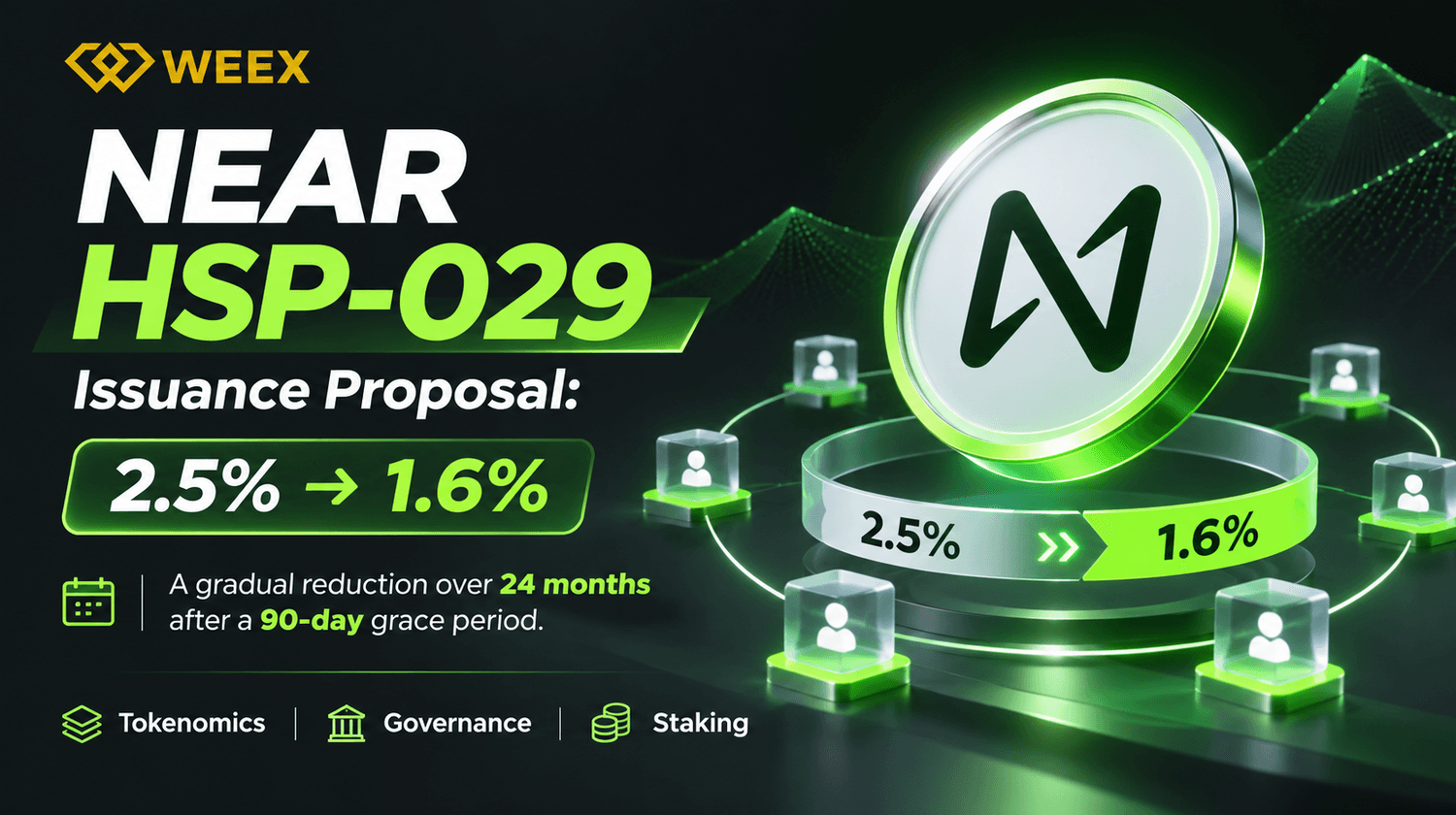
NEAR Protocol HSP-029 Vote: Can a 36% Issuance Cut Affect NEAR Price?
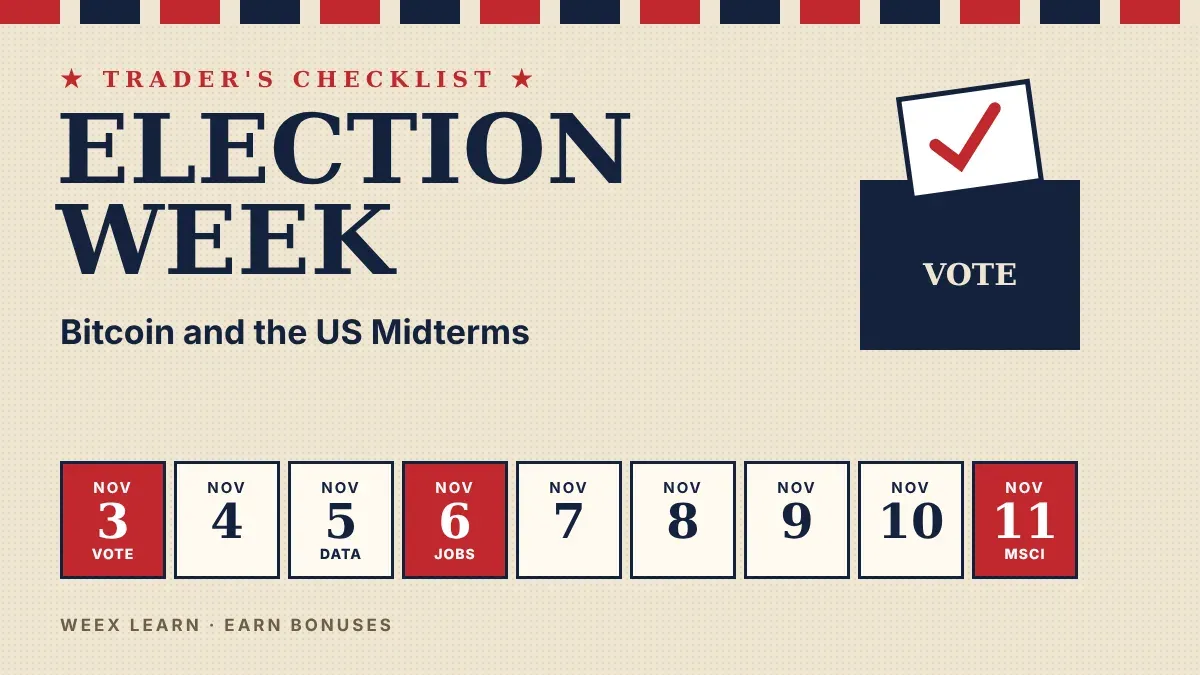
Bitcoin and the US Midterms: A Trader's Checklist for Nov. 3-11
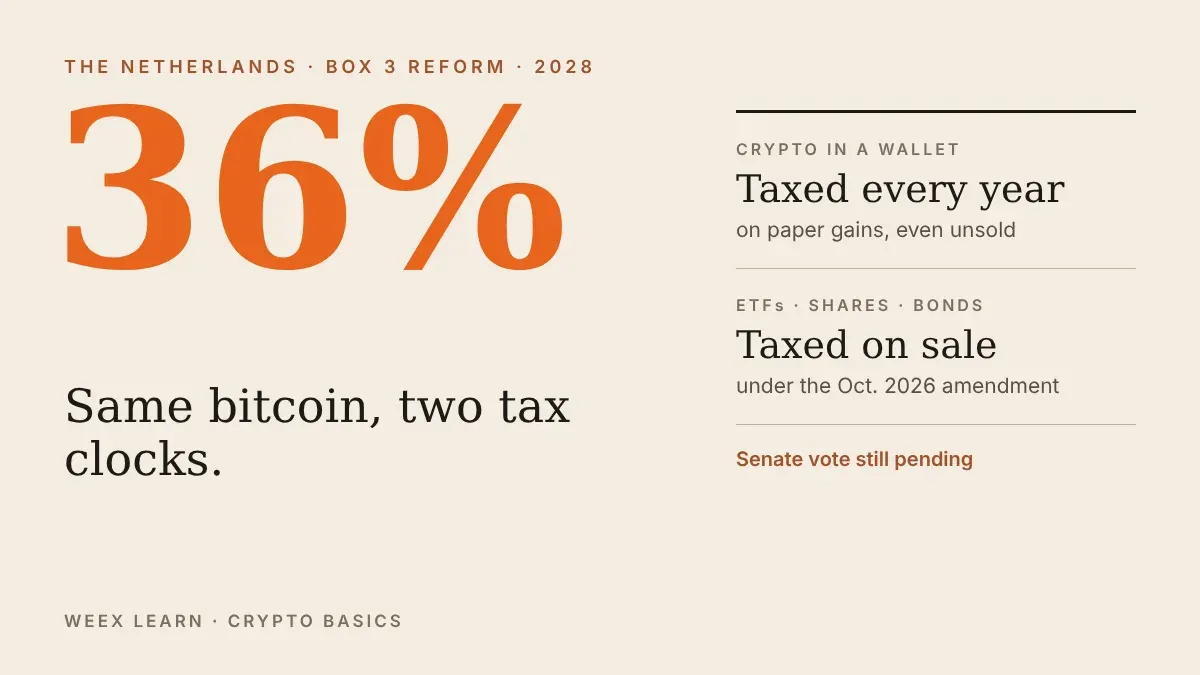
Dutch 36% Crypto Tax: Why Wallets Get Taxed Differently From ETFs
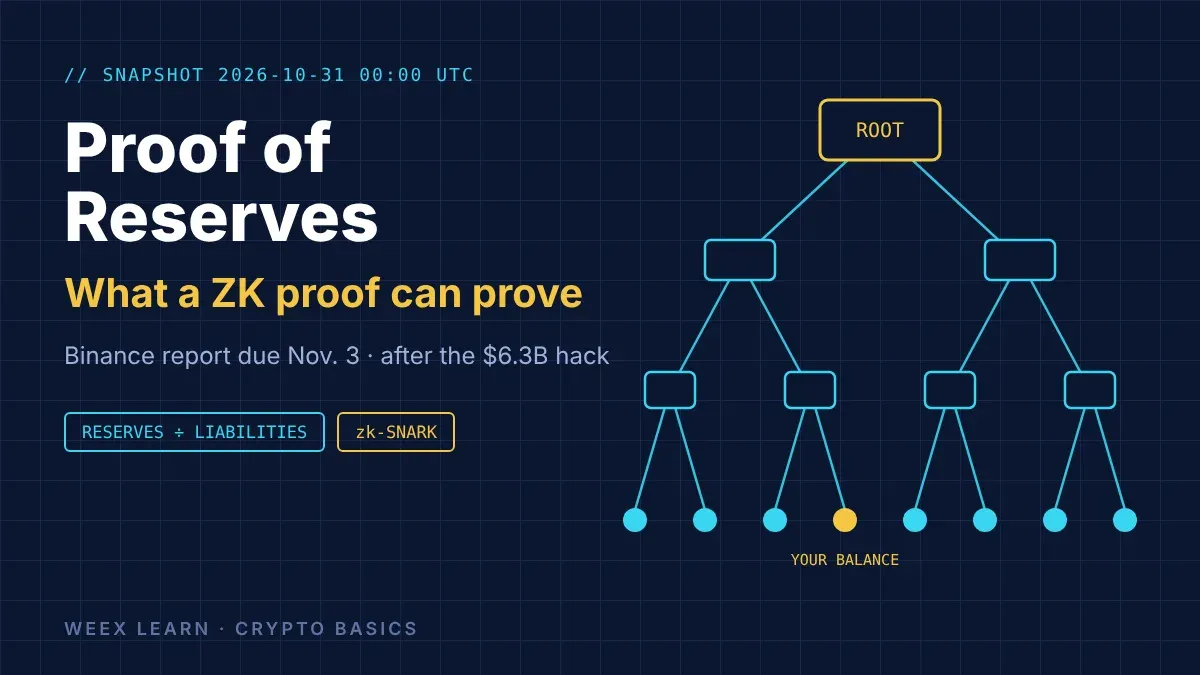
Binance Proof of Reserves: What the Nov. 3 ZK Report Can Prove
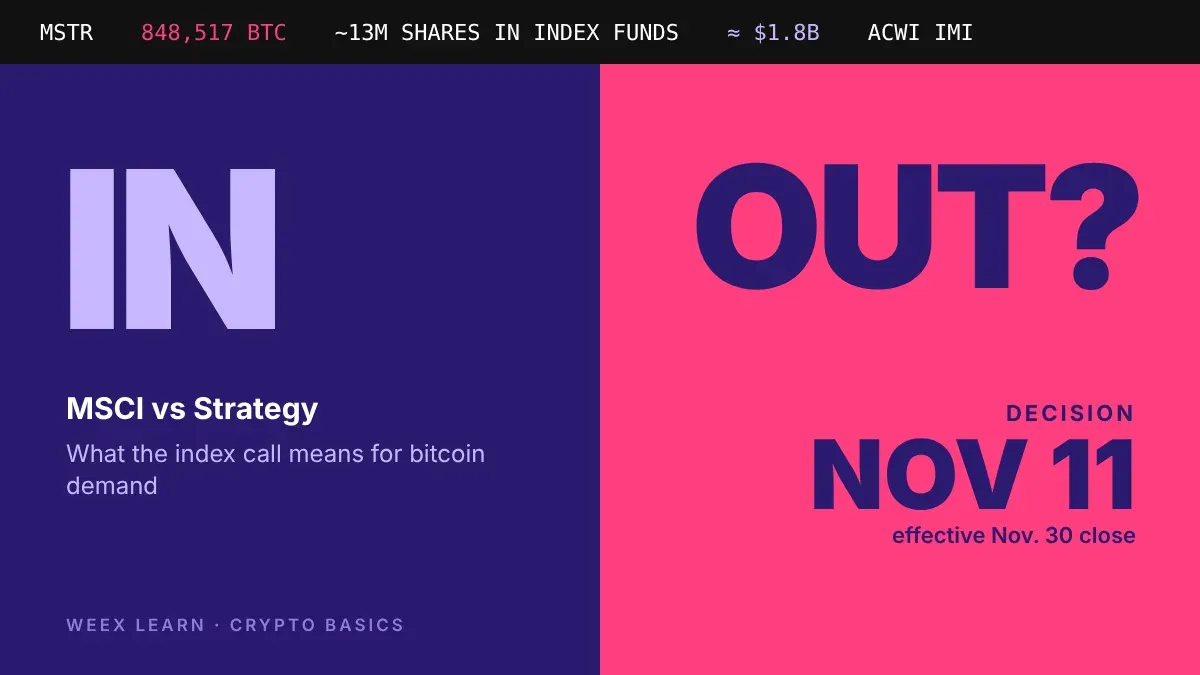
MSCI vs Strategy: What the Nov. 11 Index Decision Means for BTC

Binance Hack Explained: What Is Confirmed, What Is Disputed and What Users Should Do Now
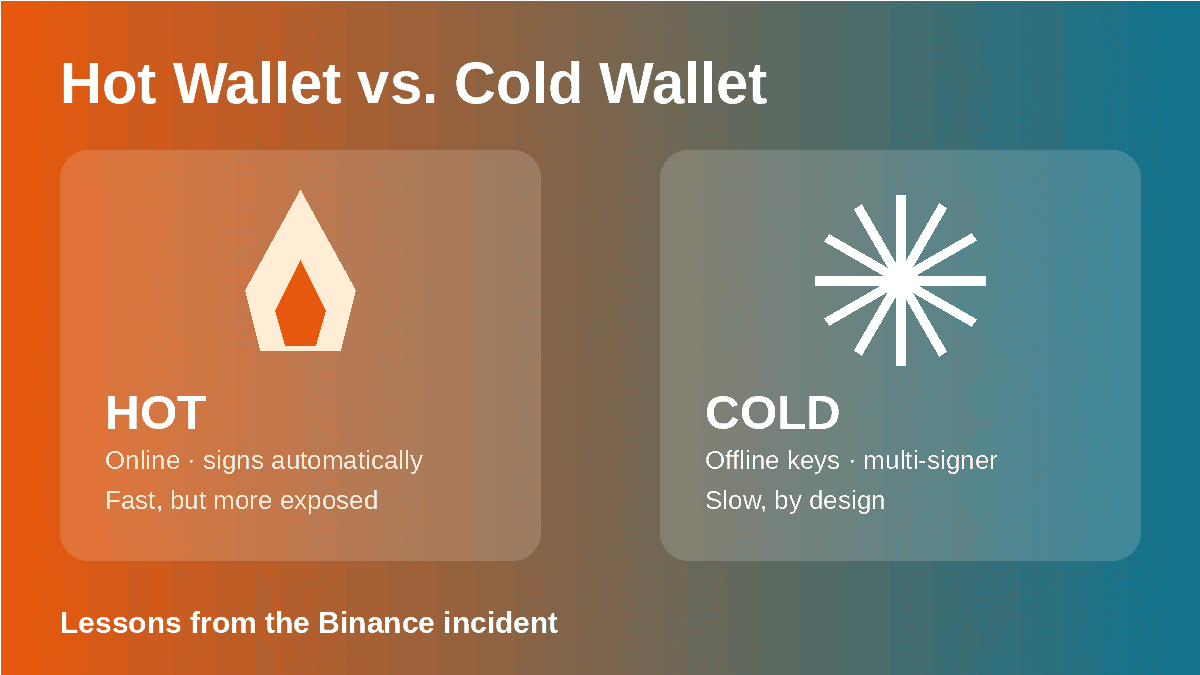
Hot Wallet Security Explained: Lessons From the Binance Incident

How Do Stablecoin Issuers Make Money? The Business Behind a $1 Token
BTC Fights for $80K Before the Fed: Why Leverage Hasn't Flushed
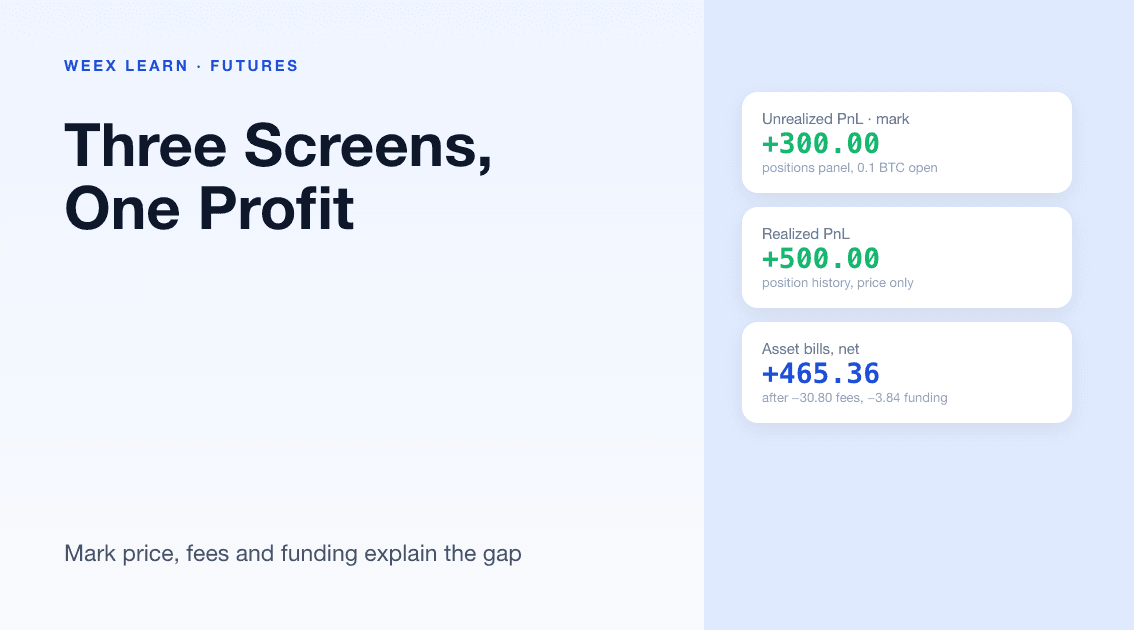
WEEX Futures PnL: Why Your Three PnL Numbers Rarely Match
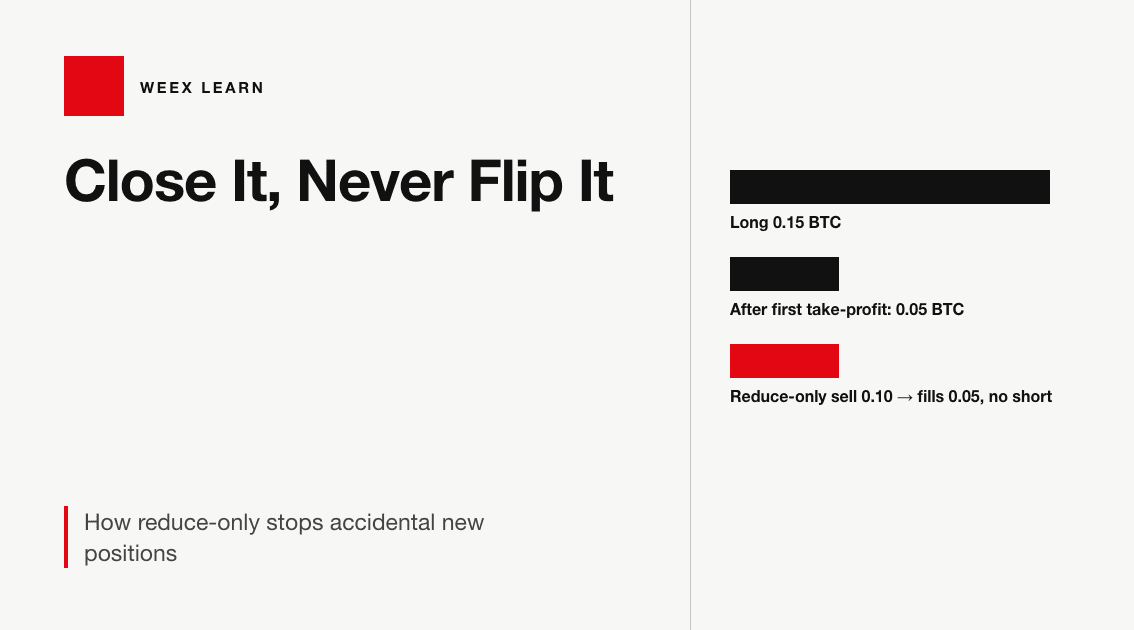
WEEX Reduce-Only Order: What It Does and When It Gets Cancelled
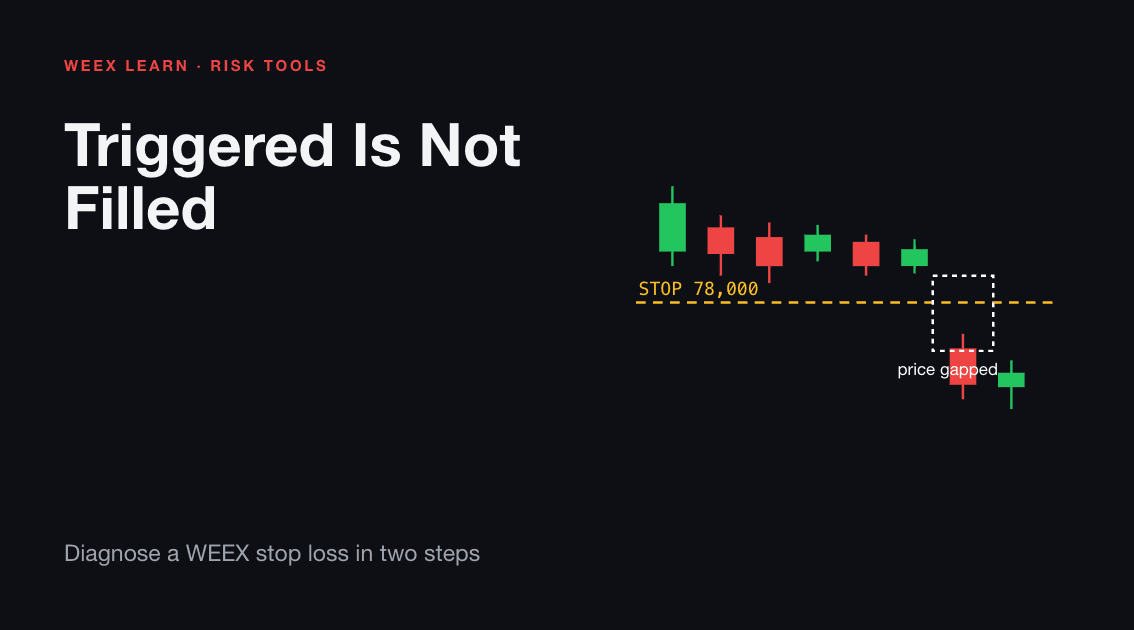
WEEX Stop Loss Not Triggered? Check the Trigger, Then the Fill
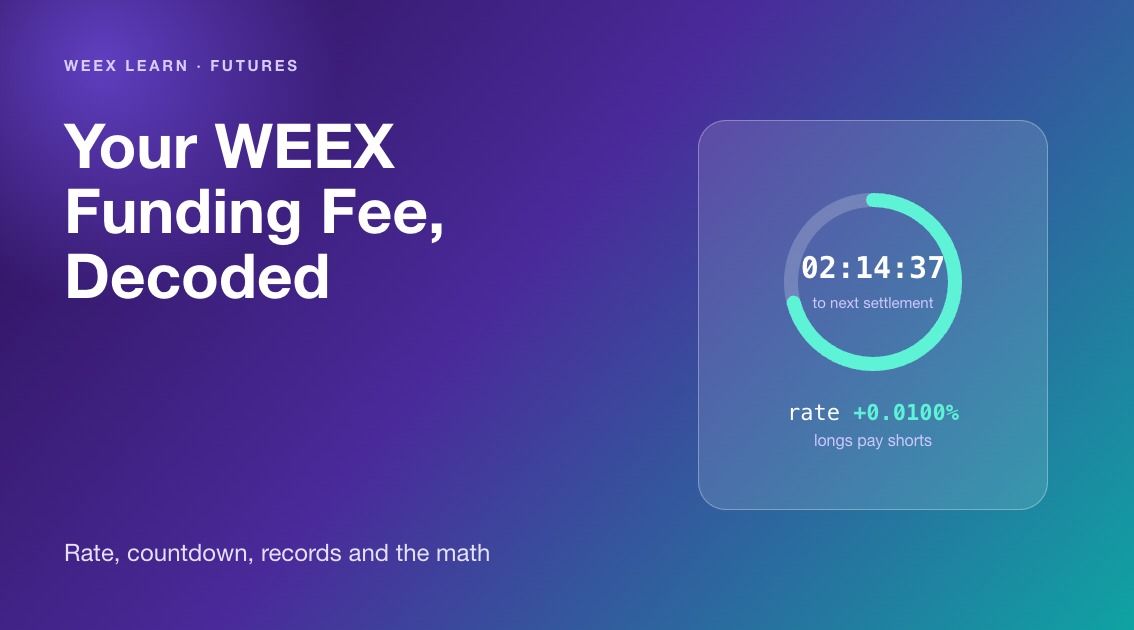
WEEX Funding Fee Explained: Rate, Countdown, Records and Math
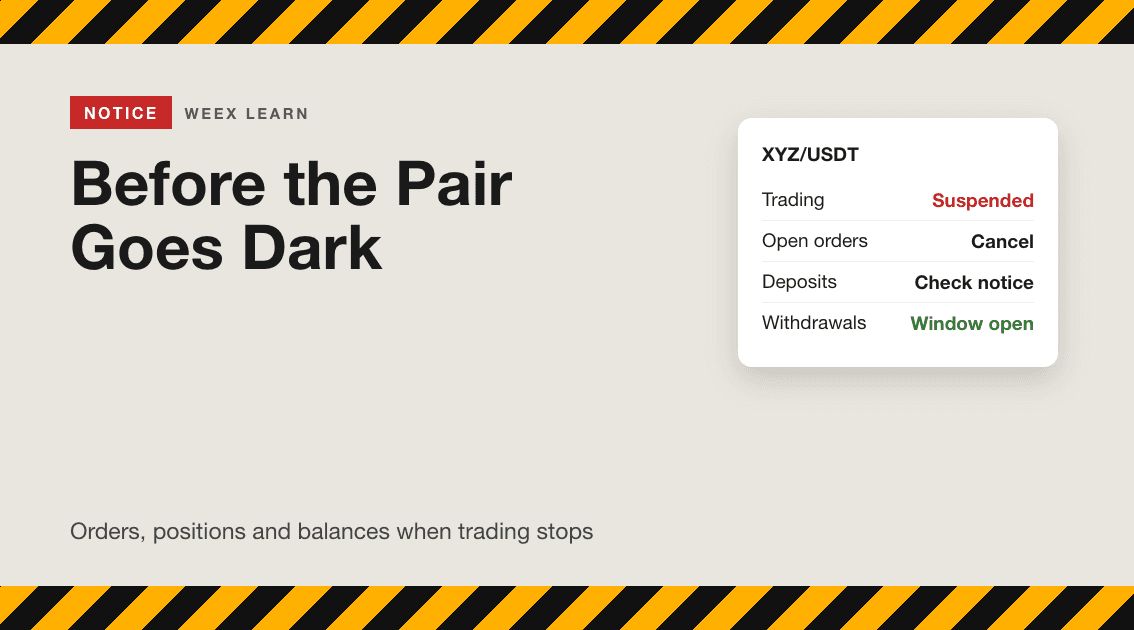
WEEX Trading Pair Suspended or Delisted? Your Orders and Assets
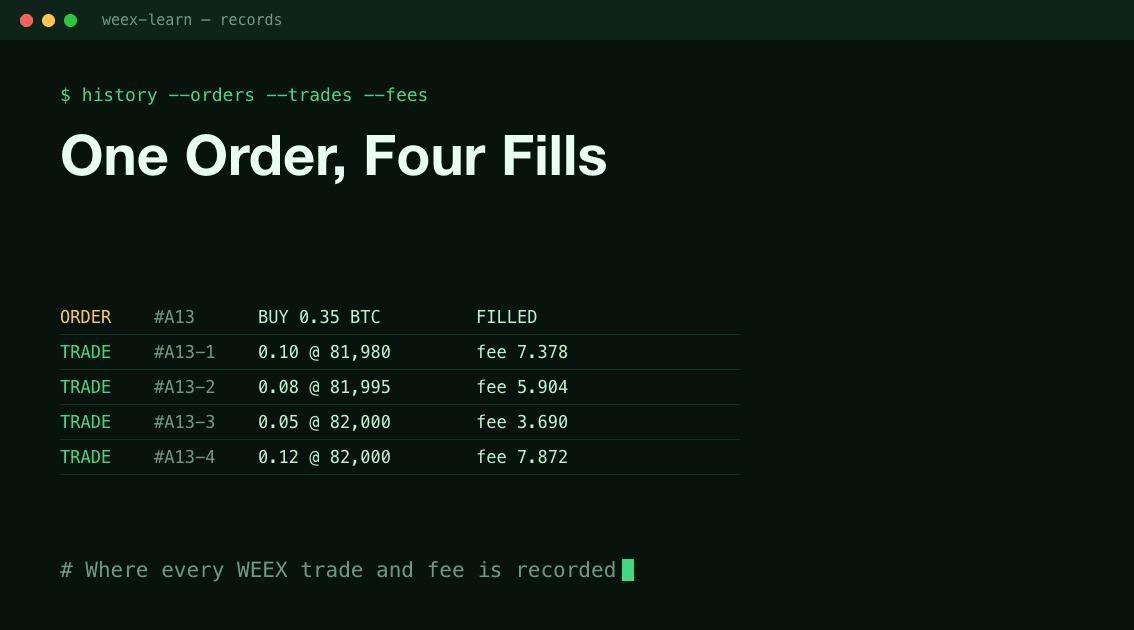
WEEX Order History: How Orders, Fills and Fees Fit Together
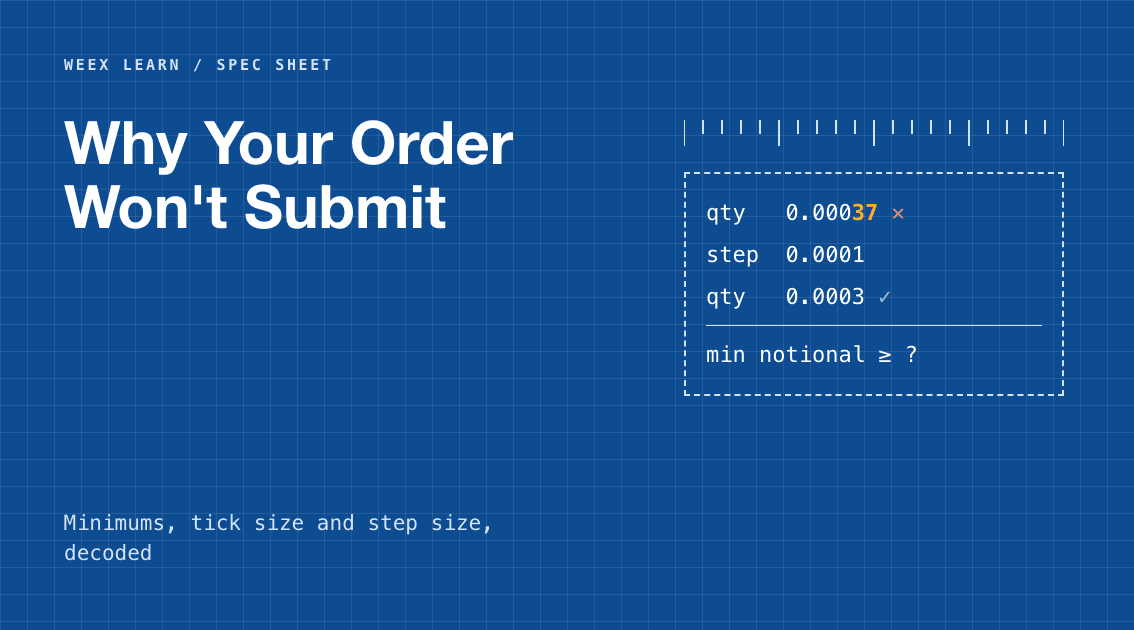
WEEX Minimum Order Size Errors Explained With Rounding Examples
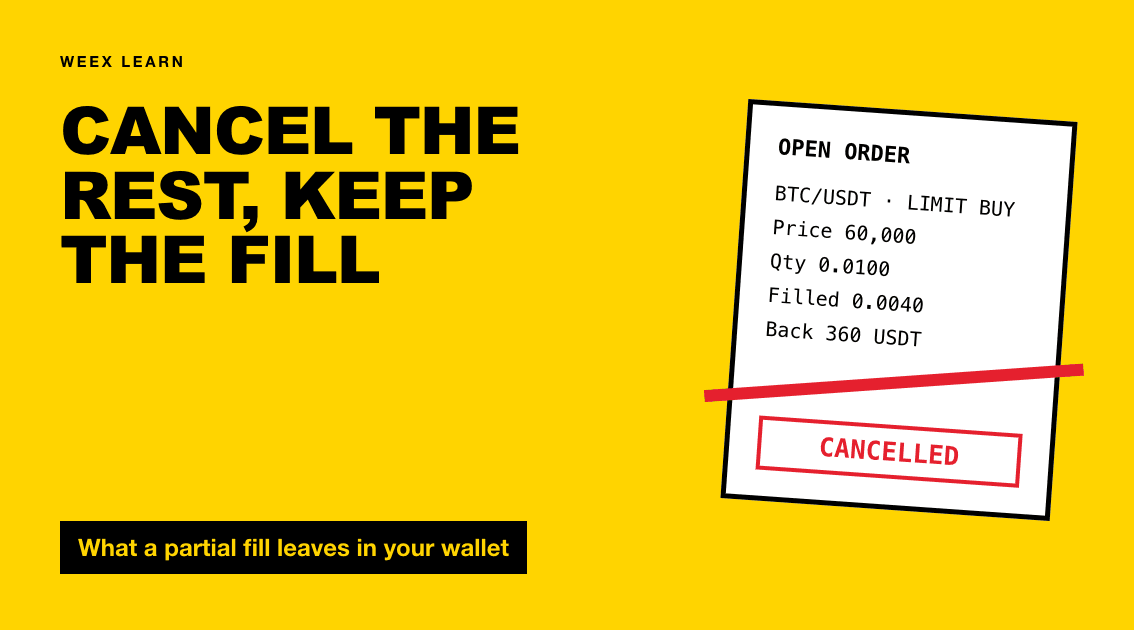
Cancel WEEX Spot Order: What Returns to Your Balance and When
WEEX Limit Order Not Filled? Read the Book, Then Fix the Order
How to Spot Trade on WEEX: From Pair Choice to a Confirmed Fill

How to Convert ETH to USDT on WEEX: Step-by-Step Guide
How to Convert USDT to BTC on WEEX: Step-by-Step Guide
How to Convert BTC to USDT: A Step-by-Step WEEX Guide
BTC Funding Rate and Open Interest: What Each One Measures and How to Read Them Together
How Transparent Is a Crypto Exchange? Checking Proof of Reserves and Protection Funds
How to Use the WEEX Trust Center: Check Reserves, Protection Fund and Official Contacts
Crypto Leverage Trading Explained: How Perpetual Futures, Margin and Liquidation Work
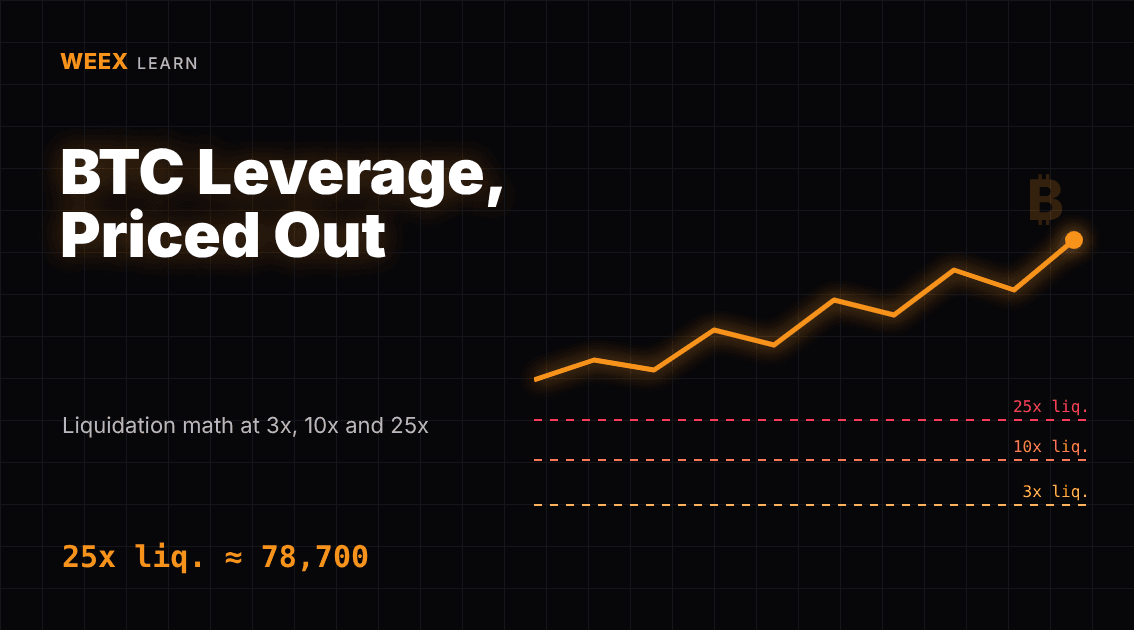
Bitcoin Margin Trading: BTC Liquidation Math at 3x, 10x and 25x

Crypto Leverage Trading Platform: 6 Checks Before You Deposit
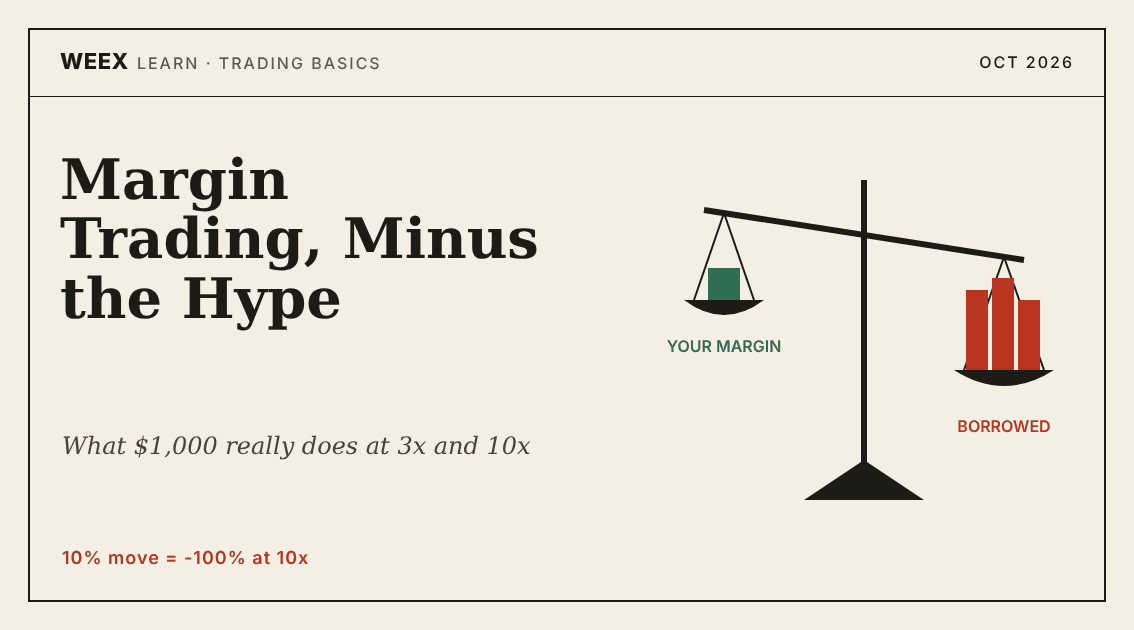
What Is Margin Trading? A $1,000 Example at 3x and 10x Leverage
How to Day Trade Crypto for Beginners: The Math Behind One Trade
NEAR Protocol HSP-029 Vote: Can a 36% Issuance Cut Affect NEAR Price?
Bitcoin and the US Midterms: A Trader's Checklist for Nov. 3-11
Dutch 36% Crypto Tax: Why Wallets Get Taxed Differently From ETFs
Binance Proof of Reserves: What the Nov. 3 ZK Report Can Prove
MSCI vs Strategy: What the Nov. 11 Index Decision Means for BTC
Binance Hack Explained: What Is Confirmed, What Is Disputed and What Users Should Do Now





