What Is Project Faro? The $270M Bank Stablecoin Plan Explained

 Prefer us on Google


Project Faro is a bank-backed stablecoin initiative that has moved from industry rumor to a more concrete, but still early, corporate plan. Based on reporting from Yahoo Finance, Bloomberg-cited coverage, Ledger Insights, PrimeXBT, and other referenced materials, around 21 financial institutions have reportedly committed about $270 million to fund operations for a future issuer over five years, with a U.S. dollar stablecoin targeted for the first half of 2027. That sounds significant, but beginners should separate what has been publicly confirmed from what is still only reported, especially around reserves, issuance, governance, and blockchain infrastructure.
The Snapshot
- Project Faro is best understood as a planned bank-led stablecoin venture, not a live token.
- About $270 million has reportedly been committed for operating costs, separate from any 1:1 reserve backing.
- The first product is expected to be a U.S. dollar stablecoin, with euro and other G7 currency versions discussed for later.
- Major open questions remain, including the issuer’s final structure, reserve custody, redemption process, and blockchain choice.
- Its biggest edge may be bank distribution and settlement networks rather than crypto-native market share.
What Is Project Faro and Who Is Reportedly Behind It
Project Faro appears to be a working name for a joint stablecoin effort backed by large financial institutions. The clearest description from the provided research is that it is a planned U.S.-incorporated issuer that would launch a dollar-pegged stablecoin first and later expand into other G7 currencies. Several reports say the corporate name is still under discussion, which matters because Project Faro is not yet a branded consumer product or a publicly documented token network.
According to Yahoo Finance and related coverage summarized in the research materials, the consortium expanded from an earlier, smaller banking group into a 21-member lineup. Reported participants include Goldman Sachs, Citigroup, Banco Santander, Deutsche Bank, Bank of America, Wells Fargo, UBS, MUFG Bank, Fidelity Investments, and others. Ledger Insights adds that the broader member list spans major global systemically important banks as well as non-bank institutions.
That combination tells you a lot about the likely use case. This does not look like a meme-driven crypto launch or a DeFi-first product built around tokenomics, staking, or governance farming. It looks more like financial infrastructure aimed at cross-border payments, digital asset settlement, and 24/7 institutional transfers. PrimeXBT’s cited reporting points in that direction, noting intended use in wholesale, institutional, and broader transfer activity rather than only retail checkout payments.
Funding and Participants: What Is Confirmed vs Reported
The most important distinction with Project Faro is between public confirmation and media reporting.
What appears confirmed
The research indicates there was a consortium-level public statement in September naming 21 institutions and outlining the intention to establish a company in the second half of 2026, subject to closing conditions. The same materials indicate the first product would be a dollar stablecoin, with other G7 currencies to follow and the euro viewed as the next priority.
What is reportedly true, but still not fully detailed
According to Yahoo Finance and Bloomberg-cited reports referenced in the materials, the consortium has committed about $270 million in capital. That figure is consistently described as funding five years of operating expenses for the future company, not as the reserve pool backing tokens one-for-one. This is a critical point. A stablecoin’s reserve backing supports redemption and peg stability, while an operating budget pays for staff, compliance, legal work, technology, and distribution.
Individual contribution amounts from each institution have not been publicly disclosed in the materials provided. Nor has the project released a full official press package with executive quotes, final ownership percentages, or finalized governance arrangements. OneBullEx reporting cited in the research also notes that detailed official documentation from Project Faro itself remains limited.
For investors and traders, this means the headline number should not be confused with circulating supply, market cap, or liquidity. Project Faro does not yet have live issuance, trading volume, circulating tokens, or an onchain reserve profile that the public can evaluate.
-- Price
How the Stablecoin Would Reportedly Be Issued and Backed
Here the unknowns matter more than the hype. Multiple cited reports say Project Faro is expected to use a U.S.-registered issuer structure. That would place the first dollar stablecoin within a more traditional legal and supervisory path than many earlier crypto-native stablecoins followed.
Beyond that, the key mechanics are still unresolved in public. The consortium has not disclosed which blockchain or blockchains it plans to use. It has not identified reserve custodians, specified the exact reserve asset mix, or published the redemption infrastructure users would rely on to swap tokens back into dollars. Silicon Report and Bitcoin.com coverage cited in the research both stress these missing pieces.
For beginners, these details are not minor technical footnotes. They determine whether a stablecoin is practical and trustworthy. The chain choice affects speed, interoperability, and wallet compatibility across the broader blockchain ecosystem. The reserve structure affects confidence in the peg. The redemption process affects whether institutional clients and exchanges can actually treat the asset as usable settlement liquidity.
Reports also suggest that Project Faro may eventually issue stablecoins tied to other G7 currencies, with a euro version likely next. That expansion sounds simple on the surface, but it adds more complexity. A multi-currency setup means separate reserve management, foreign exchange operations, and potentially different regulatory approvals in each jurisdiction.
Why the GENIUS Act Matters for Bank-Issued Stablecoins
The timing of Project Faro makes more sense when viewed against the U.S. regulatory backdrop. According to the provided materials, the GENIUS Act was signed into law on July 18, 2025, and is expected to create federal disclosure, reserve, and supervisory standards for permitted payment stablecoin issuers starting in January 2027.
You do not need a full legal breakdown to see why banks are moving now. Traditional financial institutions generally prefer launching products when the rules are clearer, especially when those products touch payments, custody, and redemption obligations. If Project Faro is indeed being structured around a U.S.-incorporated issuer with a 2027 launch target, that lines up closely with the timing of a more defined rulebook.
Outside the U.S., the research also points to Europe’s MiCA framework as relevant for any future euro stablecoin. So the bigger picture is straightforward: banks are not suddenly becoming crypto maximalists. They are responding to the growing role of stablecoins in payments and settlement, now that regulated paths are becoming easier to map out.
When Could Project Faro Launch?
Most of the referenced reporting points to the first half of 2027 as the target window for a U.S. dollar stablecoin launch. The company itself was reportedly expected to be set up during the second half of 2026, subject to closing conditions. As of November 12, 2026, that still leaves a lot to finalize.
There is no clearly published final launch date in the materials provided. There is also no public confirmation yet of a CEO, final issuer name, or public token specification. That is why it is more accurate to call Project Faro a funded plan than a launched product.
In practice, the next milestones to watch are not price charts or exchange listings. They are corporate and regulatory signals: formal incorporation, named leadership, reserve disclosures, blockchain selection, and documentation for issuance and redemption. Until those appear, Project Faro remains a serious proposal rather than a market-ready stablecoin.
Project Faro vs USDT and USDC: Key Differences
It is tempting to frame Project Faro as a direct attack on USDT and USDC, but the public information suggests a narrower comparison for now.
| Category | Project Faro | USDT | USDC |
|---|---|---|---|
| Issuer model | Reportedly a planned U.S.-incorporated consortium-backed issuer | Existing issuer outside the bank-consortium model | Existing issuer under a more established regulated corporate structure |
| Status | Not live yet | Live | Live |
| Reserve disclosure | Not yet publicly detailed in provided materials | Existing reserve model outside this article’s scope | Existing reserve model outside this article’s scope |
| Primary early use case | Reportedly payments, settlement, and institutional transfers | Broad crypto market usage | Broad crypto market and institutional usage |
The key difference, based on what is publicly discussed, is not just reserve type but distribution structure. Faro’s potential advantage is that its backers already control customer relationships, payment rails, and institutional onboarding channels. LCX’s cited analysis makes this point clearly. In other words, if Project Faro succeeds, it may do so because banks can place a settlement token directly into existing financial workflows.
That said, distribution alone does not guarantee adoption in open crypto markets. USDT and USDC already have deep exchange liquidity, broad wallet support, and established positions across DeFi, centralized trading, and onchain settlement. Project Faro still has to prove it can move from banking concept to usable crypto asset.
For crypto traders, the best way to read Project Faro is not as a finished competitor to USDT or USDC, but as evidence that stablecoins have become too important for global banks to ignore. If the consortium can turn reported funding and institutional names into a clear issuer structure with transparent reserves and workable onchain access, it could matter far beyond one more dollar token entering the market.
This content is provided for general informational purposes only and doesn't constitute financial, investment, legal, or tax advice. Any events, rewards, online promotions, or related information mentioned herein should not be considered a recommendation, solicitation, or invitation to purchase, sell, trade, or otherwise deal in any crypto assets. Crypto assets are highly volatile and may result in loss. The availability of WEEX services, products, and related events may vary by region. You are responsible for ensuring that your participation is in accordance with applicable local laws and regulations.
You may also like

ACKET Token Surges 1,000% After Jensen Huang Resigns: What Is Confirmed
Is GM on BSC a CZ Token? What Is Confirmed and What Is Not

What Is GM on BSC? GREEN MORNING Jumps Over 400% on a Reported Musk–CZ Meme Moment

FTR Coin After the Roadster Hype: Why Flying Tesla Roadster Fell Back and What to Check Before Trading
PUMP Price Rally: Can Pump.fun Buybacks Outrun Monthly Unlocks?
What Is STOCKER? Stockereum, Stock-Paired Meme Tokens, and Risks
QNT Futures After a 280% Rally: Leverage and Liquidation Math
WIF and POPCAT Price Rally: Can the Solana Meme Rotation Hold?
Which Crypto to Buy for Beginners: A Simple 3-Tier Starter Plan
龙虾 (Lobster) 0 Fee on WEEX: How to Buy Spot and Trade Futures

15 Notable Robinhood Chain Protocols: Which Assets Trade on WEEX?

Vietnam VASP Licence: How the Crypto Licensing Regime Works and How to Verify a Platform
Grok 4.7 Explained: How to Check Release and Performance Claims
What Is BONK? WEEX Spot and 1000BONK Futures Status and Risk Checks
What Is BRETT? WEEX Spot and Futures Status and Risk Checks
What Is FLOKI? WEEX Spot and 1000FLOKI Futures Status and Risk Checks
What Is WIF (dogwifhat)? WEEX Spot and Futures Status and Risk Checks
Meme coin 龙虾 ($LOBSTER) Surges Past $200M: What’s Behind the Rally?
What Is CHIP? USD.AI Governance, Tokenomics and the Ticker Collision
LONGARC Token Explained: Arc Chain Stock Memes, Contract, Risks
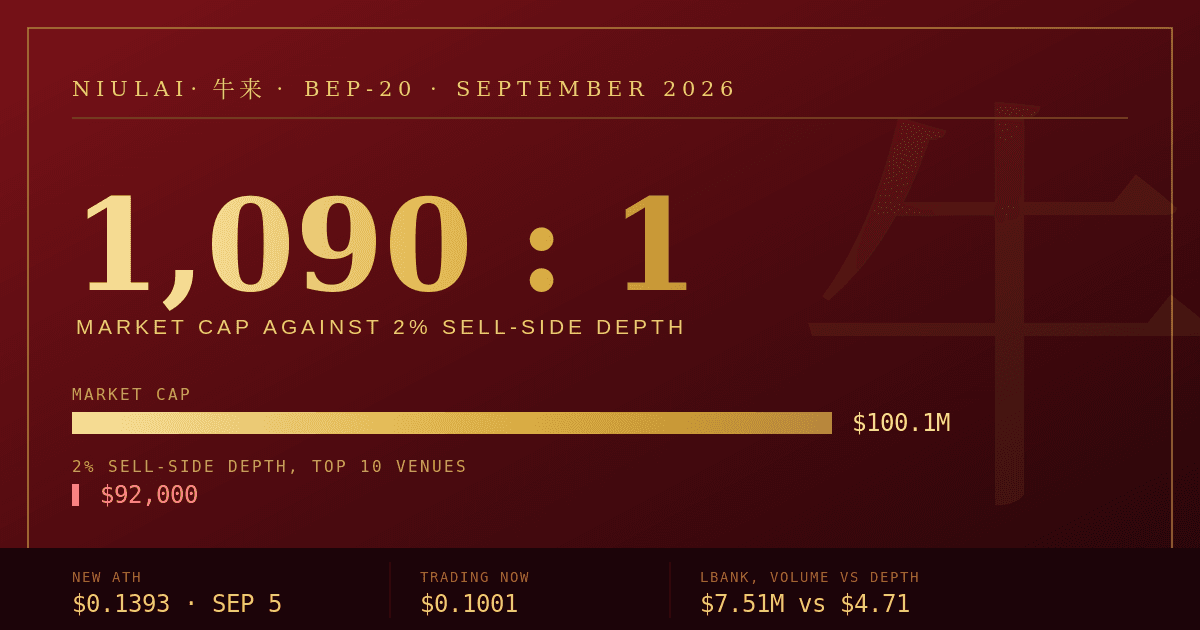
Niulai Price Prediction: A $100M Market Cap on $92K of Depth
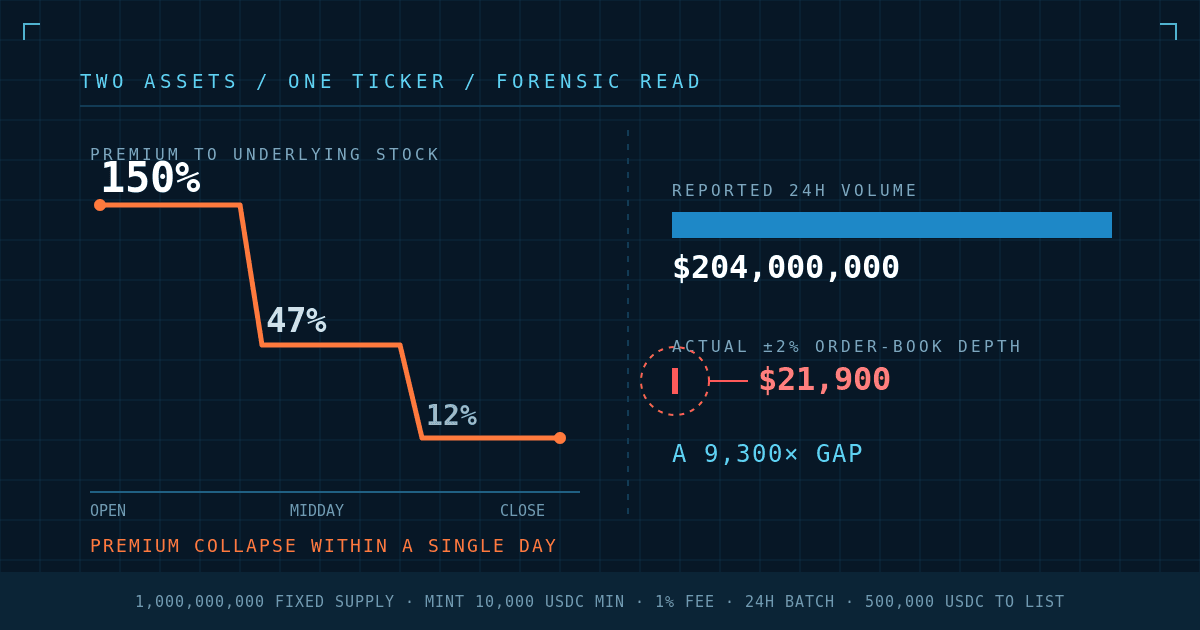
4Stock Explained: Why the Ticker Is Not the Backed Asset
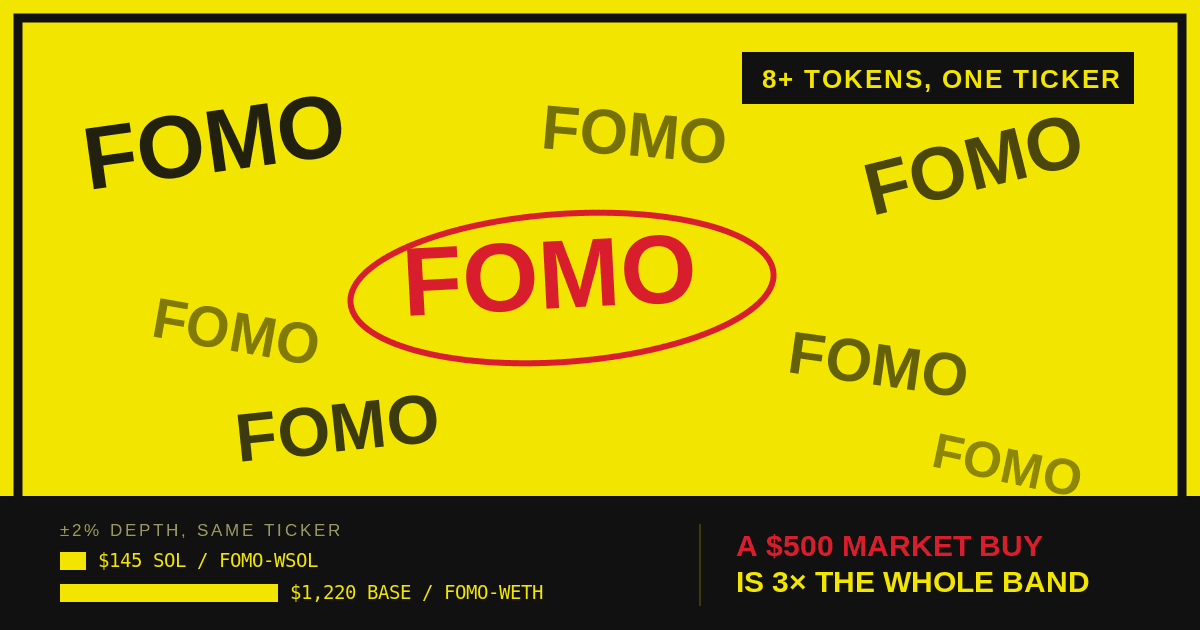
FOMO Token: Which One You're Actually Buying and the Risks
Does Former President Biden Have Ties to $LAPTOP? Is the Coin Legit?

Who Is Hunter Biden? The Story Behind His New $LAPTOP Crypto Coin

Hunter Biden's LAPTOP Memecoin: What TRUMP's Trajectory Suggests Could Happen Next
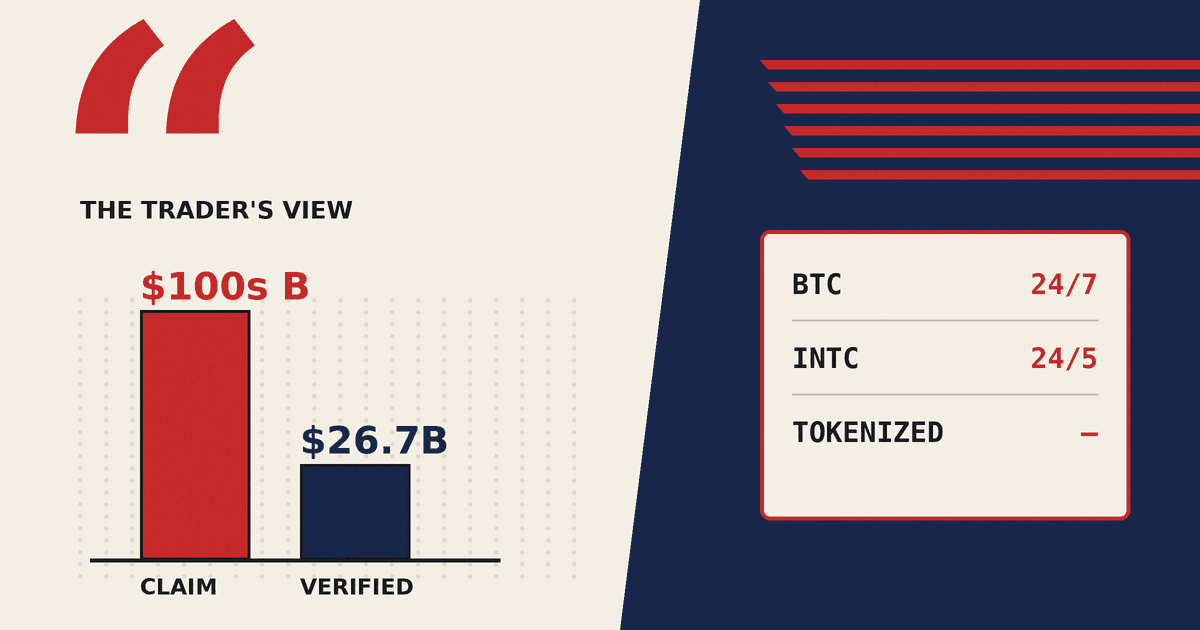
Trump's "Hundreds of Billions" Stock Claim: The Trader's View
Hunter Biden's LAPTOP Meme Coin: What's Actually Confirmed So Far
Cybercab Launch: What It Means for TSLA and Tokenized TSLAX
XST Token Fell 50% in a Day: What That Says About Meme Coin Volatility Generally
ACKET Token Surges 1,000% After Jensen Huang Resigns: What Is Confirmed
Is GM on BSC a CZ Token? What Is Confirmed and What Is Not
What Is GM on BSC? GREEN MORNING Jumps Over 400% on a Reported Musk–CZ Meme Moment
FTR Coin After the Roadster Hype: Why Flying Tesla Roadster Fell Back and What to Check Before Trading
PUMP Price Rally: Can Pump.fun Buybacks Outrun Monthly Unlocks?
What Is STOCKER? Stockereum, Stock-Paired Meme Tokens, and Risks
Contents
Popular coins
Latest articles