
Meta and Amazon Negotiate to Lift Block on Muse Shopping AI Agent, Advertising and Search Become Core Disputes

 Prefer us on Google


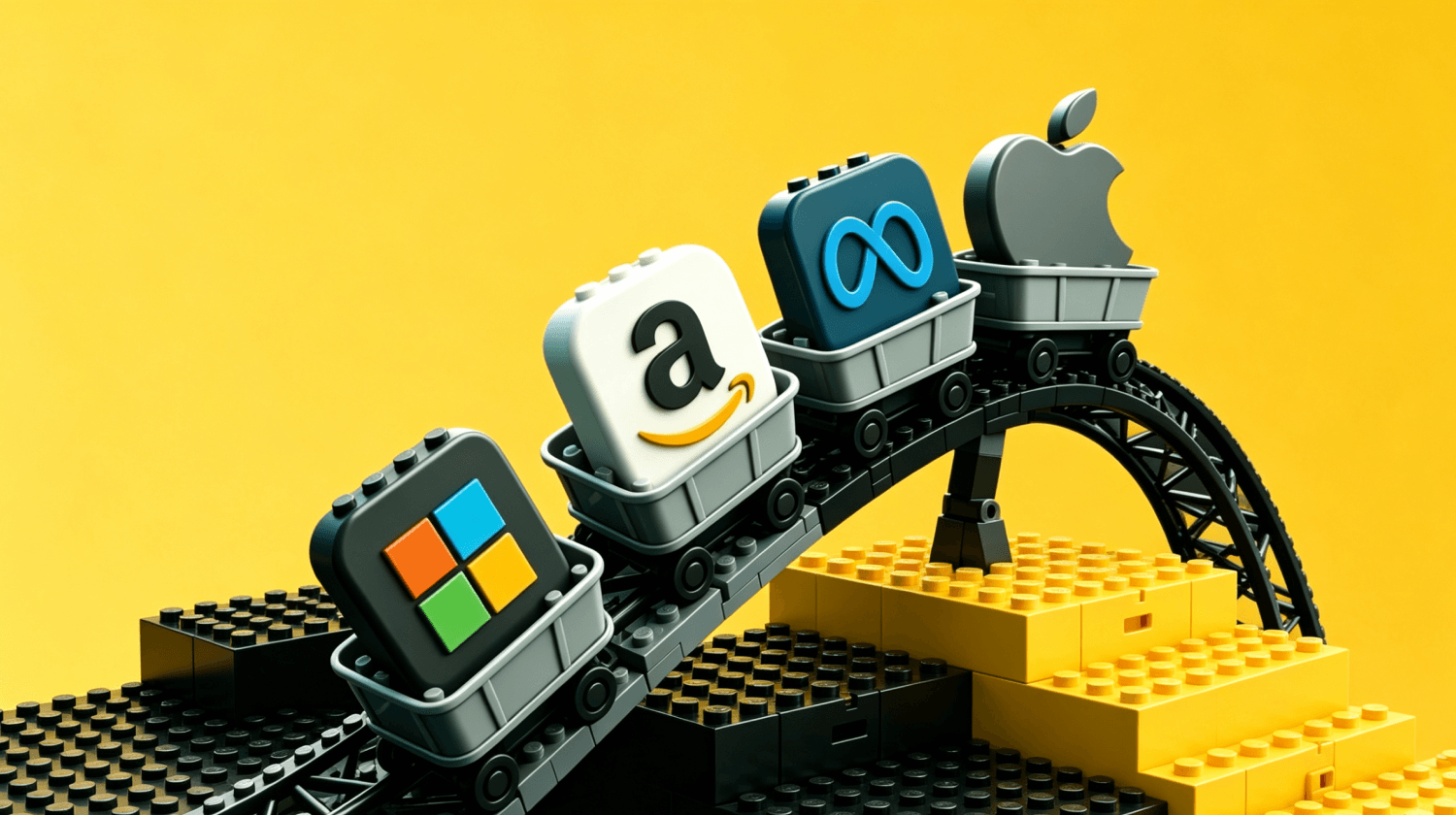
Amazon and Meta Platforms are in ongoing discussions about a collaboration plan that would allow Meta's popular AI agent Muse to access the e-commerce giant's online marketplace, lifting a blockade that Amazon imposed on the shopping robot two months ago.{#quote_AMZN}
Sources reveal that the two tech giants have engaged in multiple rounds of negotiations, with the two main topics of discussion being the handling of search results and advertisements under the collaboration framework. The negotiations remain uncertain, and it is unclear whether an agreement can be reached or how long it might take to implement. There are numerous issues still to be negotiated, including Amazon's own AI shopping strategy and the specific technical solutions for integrating Muse into the Amazon platform. A significant potential impact of Muse on Amazon is that it could theoretically bypass advertisements on the Amazon website, which are a crucial source of revenue for the retailer.
According to insiders, Amazon is concerned about the potential loss of advertising revenue on one hand, and on the other hand, it worries about the quality of product search results returned by Muse; executives are also concerned that shopping agents like Muse could weaken the direct connection between Amazon and consumers. Reports indicate that any agreement would ultimately require approval from the CEOs of both companies.
Both Meta and Amazon declined to comment. This negotiation is closely watched as it will profoundly affect the future of online shopping and serves as an important test of how large companies respond to the era of AI agents. As agents like Muse become more prevalent, companies like Amazon are eager to understand how these robots will change traditional shopping habits and the valuable user relationships between brands, retailers, and consumers.
As negotiations proceed, Amazon is preparing for its most important shopping period of the year—Black Friday and Cyber Monday. A survey by the National Retail Federation this month showed that about half of holiday shoppers plan to use AI assistance to select products this year.
AI agents are expected to bring significant changes to multiple industries. A Morgan Stanley report from 2025 predicts that by 2030, shopping facilitated by agents will account for $190 billion to $385 billion of U.S. e-commerce sales, representing 10% to 20% of the overall market. JPMorgan analysts are optimistic about Muse's capabilities, noting in a recent report that tens of millions of merchants may use this tool in the future.{#quote_JPM}
Amazon banned Meta's Muse in September, citing that Muse's access behavior violated its user agreement. Muse is a personalized AI agent launched by Meta in the U.S. that allows users to customize its name and have it autonomously handle tasks such as checking emails, managing schedules, and booking services. As of October, over 10 million people in the U.S. and Canada have registered to use it, making it Meta's most successful consumer-facing AI product to date. Meta CEO Mark Zuckerberg has stated that shopping is the core application scenario for Muse.
Last month, Zuckerberg said on an analyst call: "We believe that billions of interconnected Muse agents working together can accomplish more for individuals and businesses. We hope to build a large-scale Muse network as soon as possible."
One of Amazon's main concerns is the impact of shopping agents like Muse on its advertising business. Amazon's advertising business has reached $68.6 billion, nearly 10% of its annual revenue. In October, Amazon CEO Andy Jassy, while not naming Muse, reassured investors by stating that very few consumers currently place orders through external shopping agents, and that such experiences "are still not good enough and are not as convenient as directly visiting retailer platforms."
However, Jassy mentioned this month at a Semafor forum that Amazon has not completely ruled out the possibility of opening its platform to external shopping agents, provided that a fair value exchange can be achieved between both parties.
In addition to Meta, OpenAI also launched a personal AI agent called Dots in September, and the personal assistant from startup Instinct has also become a mainstream AI agent. Amazon's own platform shopping agent is called "Alexa Shopping Assistant," and Jassy stated that over 400 million users have used it in the past year.
Meta and Amazon have previously collaborated in e-commerce. In 2023, the two reached an agreement allowing Facebook and Instagram users to purchase Amazon products directly within the apps without leaving. Meta monetizes through advertising on the platform (including Amazon product ads), while Amazon earns revenue from completed orders.
In the early stages of the Muse project, Meta has already integrated with other partners, including Shopify, Walmart, and Best Buy, which are competitors of Amazon. Retailers gain new sales channels, while Meta strengthens the Muse ecosystem; Zuckerberg stated that the long-term plan is to profit from small commissions on transactions.{#quote_BBY}
-- Price
This content is provided for general informational purposes only and doesn't constitute financial, investment, legal, or tax advice. Any events, rewards, online promotions, or related information mentioned herein should not be considered a recommendation, solicitation, or invitation to purchase, sell, trade, or otherwise deal in any crypto assets. Crypto assets are highly volatile and may result in loss. The availability of WEEX services, products, and related events may vary by region. You are responsible for ensuring that your participation is in accordance with applicable local laws and regulations.
You may also like

The Tech Sell-Off Is Creating the Best Buying Window in 2 Years. Here's What I'm Buying.

ECB Governing Council Member Kocher Warns Against Lagging in Inflation Response

Where Will SpaceX Stock Be in 5 Years?

Jensen Huang's Power Play: 30 Years Dominating the Industry, 3 Years in Washington

Clouds Over the Year-End Market! JPMorgan: Iran's Military Escalation, Fed Tightening, Government Shutdown, Tariff Increases, and Chip Controls All Coming Together!

Pimco Chief Investment Officer: Disruptive Risks from AI Enhance Bond Appeal
42 Million ETH Worth $72 Billion at Risk of Quantum Attack

Binance to suspend crypto withdrawals across all networks on Nov. 25

SharkNinja to Join S&P 500 Before Market Opens on December 2, AES to Be Removed

The Best ETF to Buy if You're Nervous About a Stock Market Crash

Bitcoin: Strategy buys 485 BTC and spends $228 million on its STRC shares

3 Millionaire-Maker AI Chip Stocks Wall Street Isn't Talking About

Stock Market Sell-Off: Here's My Honest Take On What Every Long-Term Investor Should Do Right Now

Yuanta Securities Lowers KOSPI Index Forecast for Korea to 4000---7300 Points

Bitcoin: Network Power Rises, Profits Disappear

Bitcoin: Poorly Generated Keys Exposed $106 Million to Thieves

Billionaire David Tepper Just Made a Massive AI Chip Rotation --- Will It Pay Off?

Is Tilray a Buy at Its Record Low, or Is It a Value Trap?

CrowdStrike's Acquisition of Zscaler Could Become One of the Largest Deals in Cybersecurity Industry

Walsh Wants Fed Officials to Speak Less, but Their Remarks Have Increased

Would Warren Buffett Buy Anthropic? This Is the One Question He'd Have

NVIDIA Stock Price Falls 40% from Highs, Still Hope Remains

Why Bending Spoons May Choose to Issue Convertible Bonds Next

Moderna vs. BioNTech: Why Only 1 Is a Buy Heading Into 2027
JPMorgan Chief Economist: 2026 May Mark the Peak of the AI Boom

White House Senior Cybersecurity Official Sean Kaincross Resigns
Michael Burry Says He Tried to Warn You About Nvidia, CoreWeave and Nebius. Here's What the 'Big Short' Investor Saw
Ledger CTO Charles Guillemet to Depart by End of 2026

Null Completes $1.7 Million Pre-Seed Funding Round Led by cyber•Fund and Nethermind

Switzerland's First Bitcoin ETF Launches Soon, BIT Hosts Digital Asset Night
The Tech Sell-Off Is Creating the Best Buying Window in 2 Years. Here's What I'm Buying.
ECB Governing Council Member Kocher Warns Against Lagging in Inflation Response
Where Will SpaceX Stock Be in 5 Years?
Jensen Huang's Power Play: 30 Years Dominating the Industry, 3 Years in Washington
Clouds Over the Year-End Market! JPMorgan: Iran's Military Escalation, Fed Tightening, Government Shutdown, Tariff Increases, and Chip Controls All Coming Together!
Pimco Chief Investment Officer: Disruptive Risks from AI Enhance Bond Appeal
Latest articles




Latest coin listings on WEEX


