
Best Crypto Exchange for Beginners 2026: What Your First $100 Actually Goes Through

 Prefer us on Google


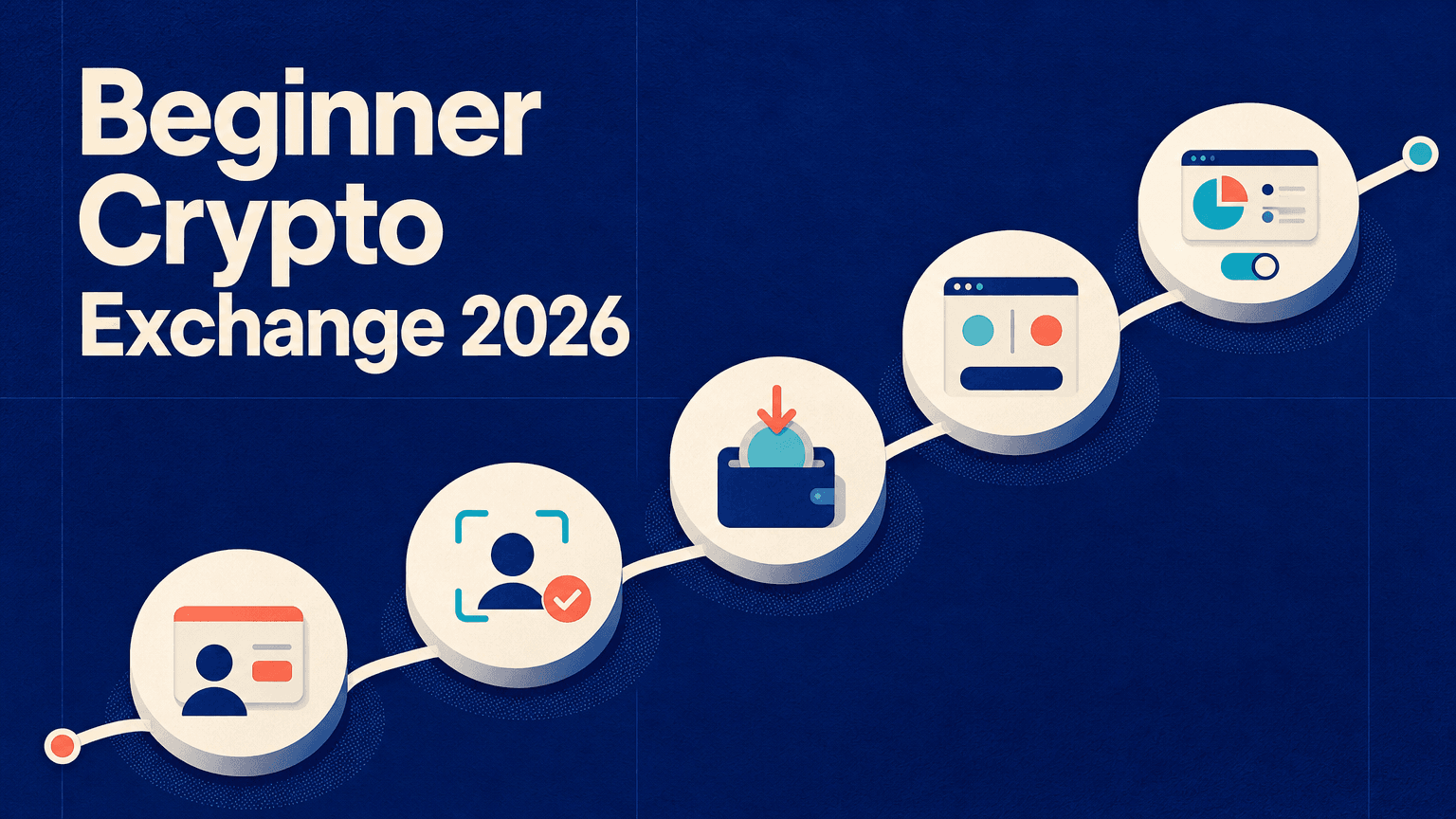
Most guides to the best crypto exchange for beginners in 2026 compare named platforms side by side on a features table. That's useful, but it skips the part that actually determines whether your first experience goes smoothly: the sequence itself.
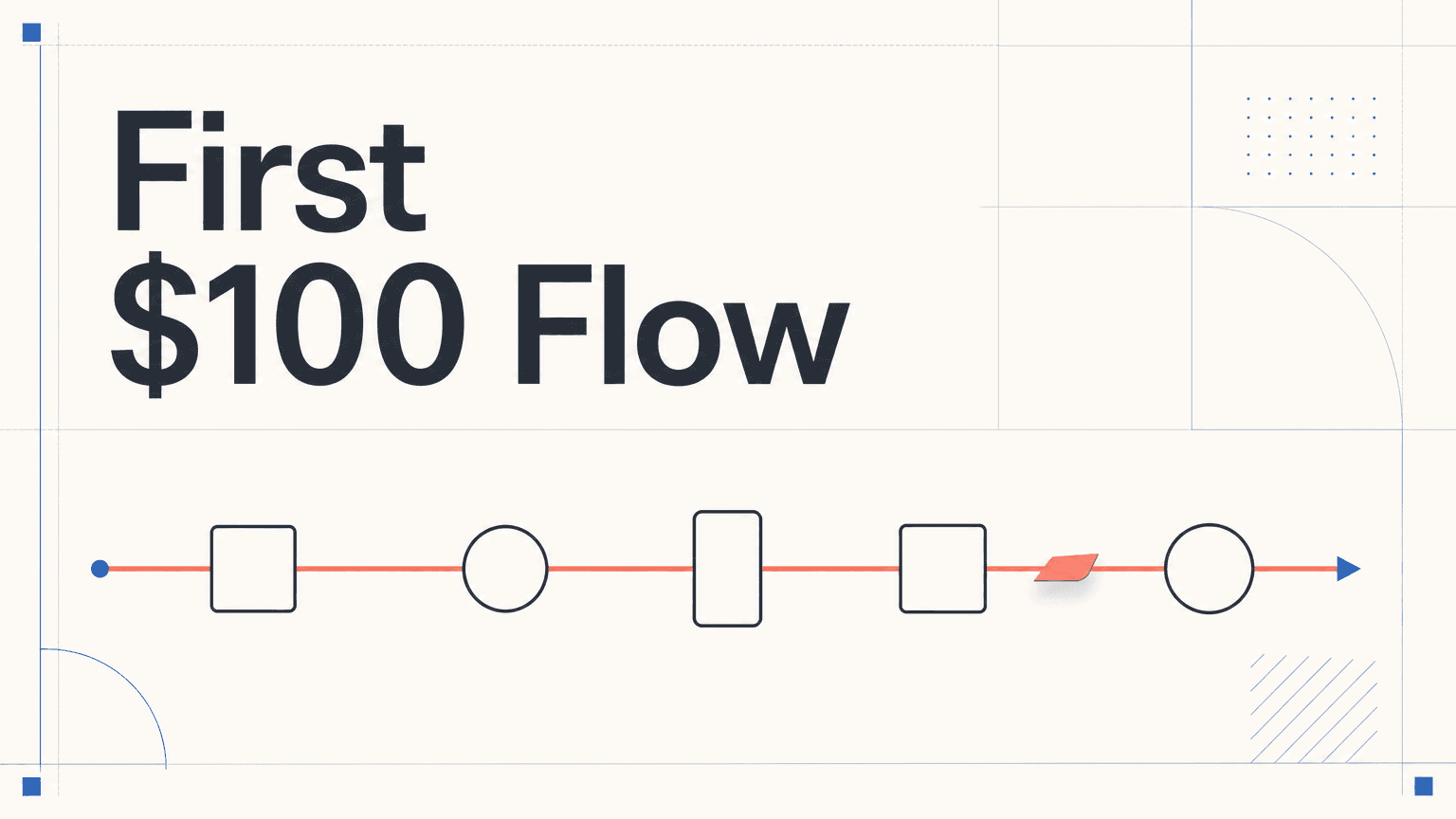
Opening an account is not one decision, it's four or five decisions in a row, signup, identity verification, funding, the trade, and what happens after, and a platform that's excellent at one step can still be frustrating at the next. This guide walks through that sequence in order, so you know what to check at each stage rather than judging an exchange by its marketing page alone.
Step One: What Signup Actually Reveals
Creating an account takes minutes on almost every exchange, so signup itself tells you very little. What's worth noticing instead is what the platform asks for before you've deposited anything. Some exchanges let you browse markets and even complete a basic account tier with minimal information, delaying full identity verification until you actually want to trade or withdraw meaningfully. Others require full verification before you see a live order book.
Neither approach is wrong, but they suit different beginners. If you want to look around before committing personal documents, a tiered approach lets you do that. If you'd rather get verification out of the way once and not think about it again, a platform that front loads KYC saves you a second wait later.
Step Two: How Long Identity Verification Actually Takes
This is the step most first-time users underestimate, and it's also where published guides vary the most because testing conditions differ. Independent testing of major exchanges has clocked automated KYC verification anywhere from roughly 4 to 8 minutes for straightforward cases with clear documentation, while platforms that rely on manual review for certain account types or jurisdictions can take 1 to 3 business days.
The practical implication is that if you're planning to buy during a specific market move, a platform with automated, minutes long verification matters more than one with a lower headline fee, because you can't trade what you haven't been approved to deposit into. If you're not in a hurry, this step matters less, and it's worth checking a platform's typical verification time before you need it urgently rather than after.
Step Three: What Actually Happens When You Fund Your Account
This is where the gap between advertised fees and real cost shows up most clearly, because funding method changes the total more than the trading fee does. A bank transfer or SEPA style deposit is typically the cheapest way to fund an account, often costing close to nothing beyond a small percentage. A debit or credit card purchase is usually the fastest, landing in minutes, but it can add a meaningfully larger premium on top of the same trade.
Independent testing that tracked the real cost of a $100 purchase across several exchanges found the gap between funding methods on the same platform can be several dollars, not cents, purely based on whether the deposit came from a bank transfer or a card. That's a bigger swing than the difference in headline trading fees between most beginner-friendly exchanges. If you're funding a small first amount, checking the deposit method's cost matters as much as checking the platform's trading fee schedule.
-- Price
Step Four: Placing the Trade Itself
By the time you reach this step, most of what determines your experience has already happened in steps one through three. The trade itself is usually the easiest part: search for the asset, choose a market or limit order, confirm the amount, and execute. Where beginners run into trouble here is less about the platform and more about order types they don't fully understand yet, buying at whatever the current market price is versus setting a specific price and waiting.
A market order fills immediately but at whatever price is currently available, which can differ from the price you saw seconds earlier on a fast-moving asset. A limit order lets you set the price you're willing to pay, but it may not fill at all if the market doesn't reach it. Neither is inherently better, but knowing the difference before you click confirm avoids the most common first trade surprise: paying more than the number you had in mind.
Step Five: What Happens After You've Bought Something
This is the step most comparison guides skip entirely, and it's arguably the one that matters most over time. Once you hold an asset, the questions become different: can you withdraw it to your own wallet if you want to, what does that withdrawal cost, and if something goes wrong with your account, how do you actually reach someone.
Withdrawal availability and cost vary more than most beginners expect going in, and a platform that made funding effortless can still make moving assets back out slower or more expensive. Support responsiveness is similarly uneven, live chat availability, response times, and whether help is actually multilingual differ by platform and are worth checking through the platform's own help center before you need it, not after.
Matching This Sequence to WEEX
Running through this same sequence on WEEX gives a concrete example of what to check rather than take on faith. Account creation and identity verification follow the tiered structure common to most established exchanges, with basic access available quickly and fuller verification required as trading needs grow. Funding options include both bank transfer and card based deposits, so the funding-method cost gap described above applies here too, and it's worth comparing before committing to whichever option is fastest rather than cheapest.
Once funded, WEEX Spot carries no leverage, which makes it the more forgiving place to place a genuinely first trade compared to jumping straight into futures. Withdrawals to external wallets are available for users who want to move assets into their own self-custody once they're comfortable, and WEEX backs trading with a publicly disclosed 1,000 BTC protection fund at weex.com/protectfund, a page you can check yourself rather than relying on a platform's own claims. That verifiability, more than any single fee number, is the kind of thing worth confirming during step five, not discovering only if you ever need it.
Conclusion
The best crypto exchange for beginners in 2026 isn't decided by a single number on a comparison table. It's decided across a sequence: how much a platform asks for before you've committed anything, how long verification actually takes, what your funding method really costs beyond the headline fee, whether the order type you choose does what you expect, and what your options look like once you're holding something and want to withdraw or need help. Walk through your own version of that sequence before assuming a lower fee or a longer coin list settles the question.
FAQ
1. What's the biggest hidden cost for a crypto beginner?
Usually the funding method, not the trading fee. A card deposit can cost several dollars more than a bank transfer on the same $100 purchase, a bigger gap than most differences in headline trading fees.
2. How long does crypto exchange verification actually take?
It varies widely: automated verification on major exchanges commonly takes minutes for straightforward cases, while manual review for certain account types or jurisdictions can take one to three business days.
3. What's the difference between a market order and a limit order?
A market order fills immediately at the current price, which can shift on a fast-moving asset. A limit order lets you set your price but may not fill if the market doesn't reach it.
4. Should a beginner start with spot or futures trading?
Spot trading carries no leverage and no liquidation risk, which makes it the more forgiving place to place a first trade compared to leveraged futures.
5. What should I check before I need customer support, not after?
Whether live chat or another support channel is actually available, typical response times, and whether help is offered in your language, since this is usually easier to check calmly in advance than during an urgent problem.
This content is provided for general informational purposes only and doesn't constitute financial, investment, legal, or tax advice. Any events, rewards, online promotions, or related information mentioned herein should not be considered a recommendation, solicitation, or invitation to purchase, sell, trade, or otherwise deal in any crypto assets. Crypto assets are highly volatile and may result in loss. The availability of WEEX services, products, and related events may vary by region. You are responsible for ensuring that your participation is in accordance with applicable local laws and regulations.
You may also like
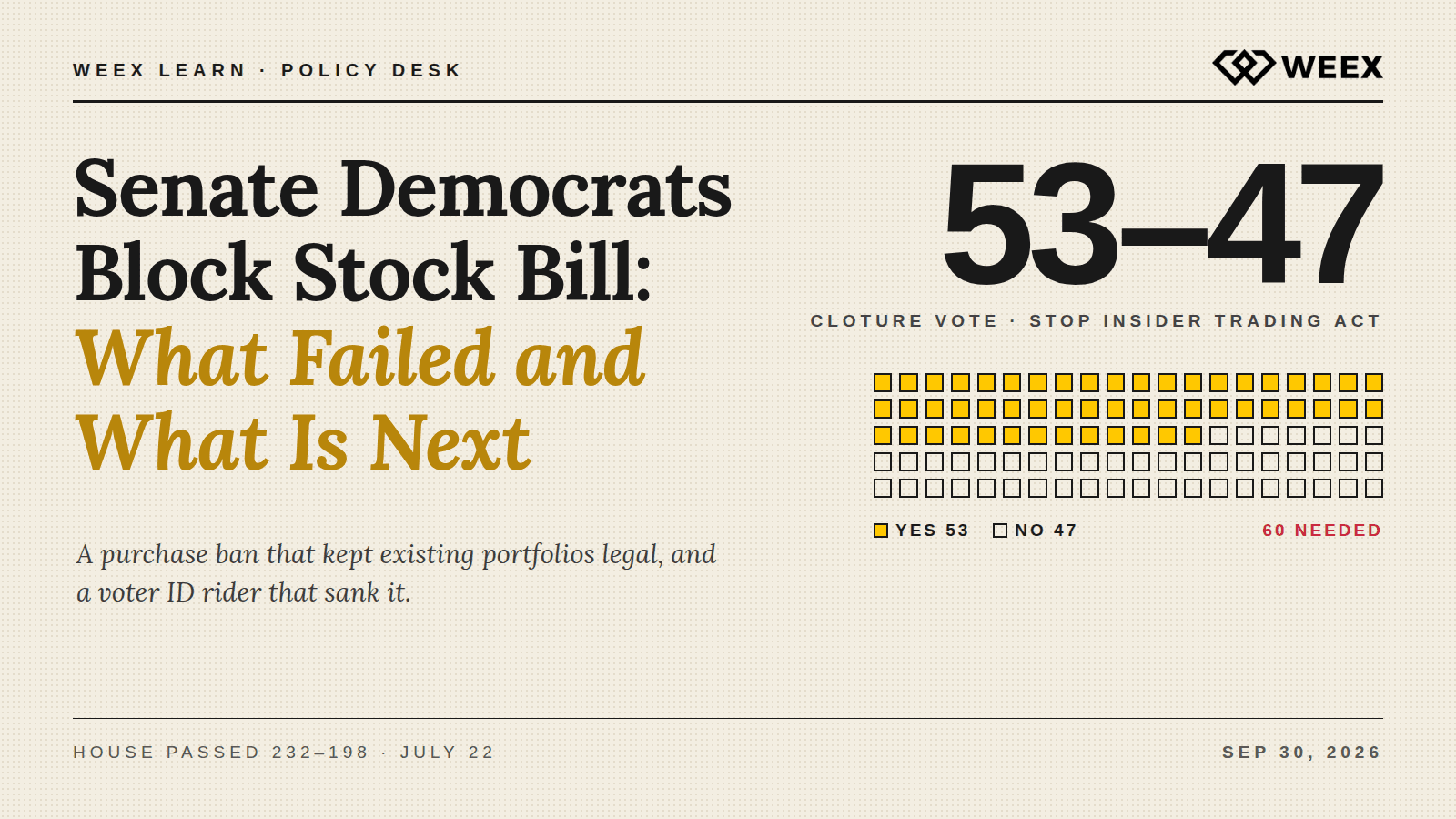
Senate Democrats Block Stock Bill: What Failed and What Is Next
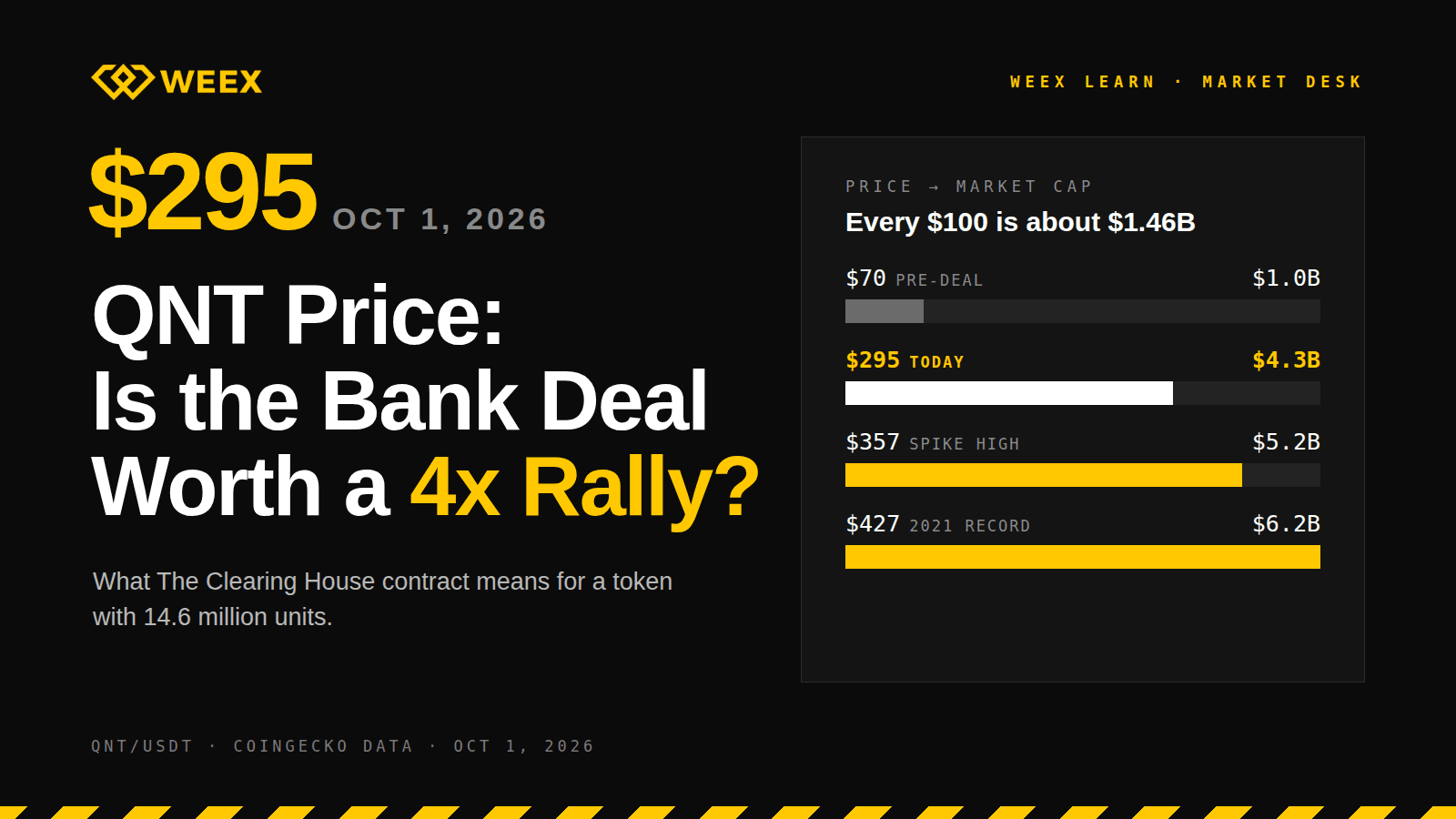
QNT Price Near $295: Does the Bank Deal Justify a 4x Rally?
Safest Crypto Wallet in 2026: Matching Wallet Type to the Threat You're Actually Worried About
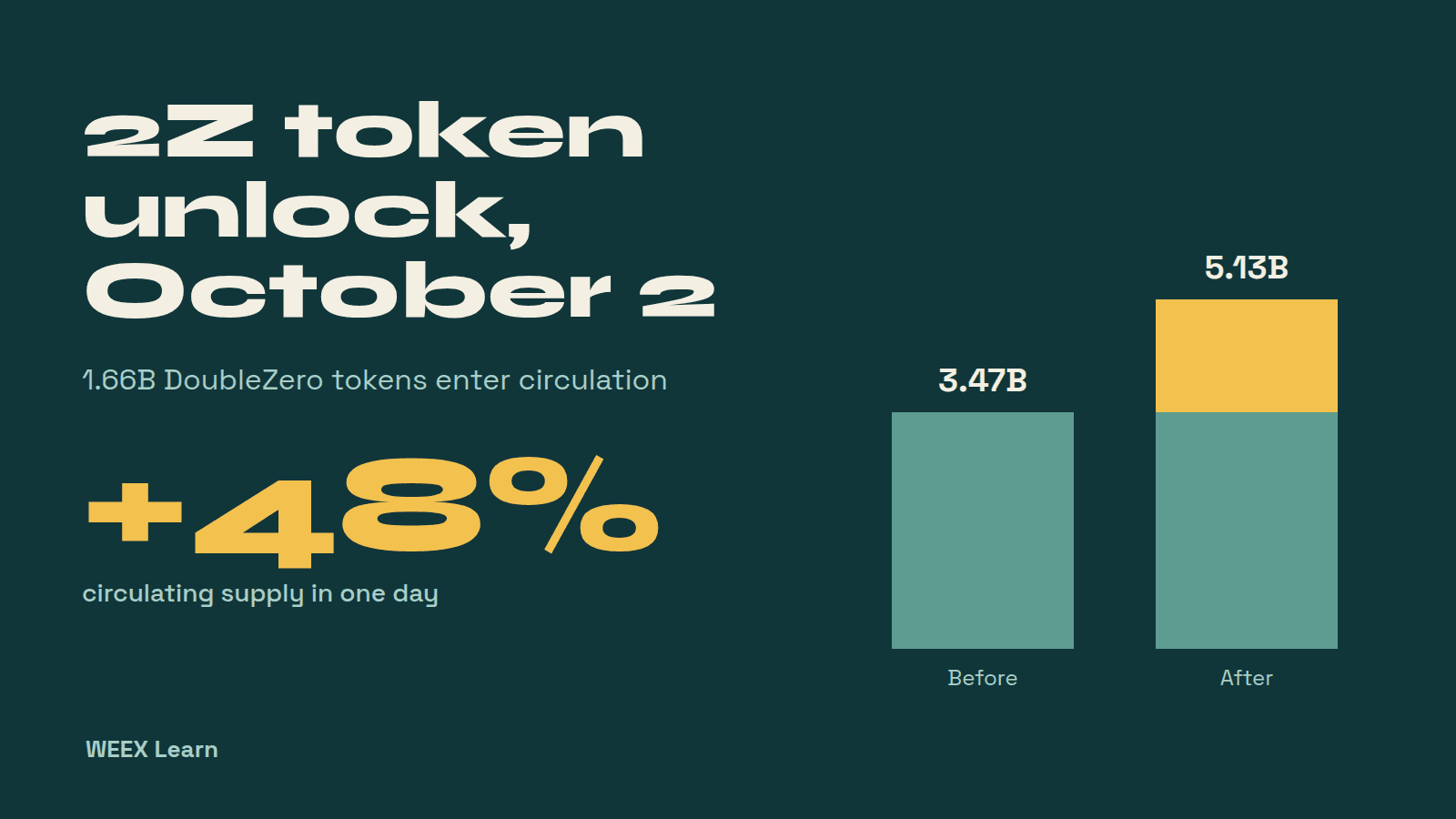
2Z Token Unlock on October 2: What 1.66B DoubleZero Tokens Mean
Best Crypto App for Beginners: Exchange App, Wallet App, or Both?

Coincheck FLR DAI Delisting Dates and Holder Checklist
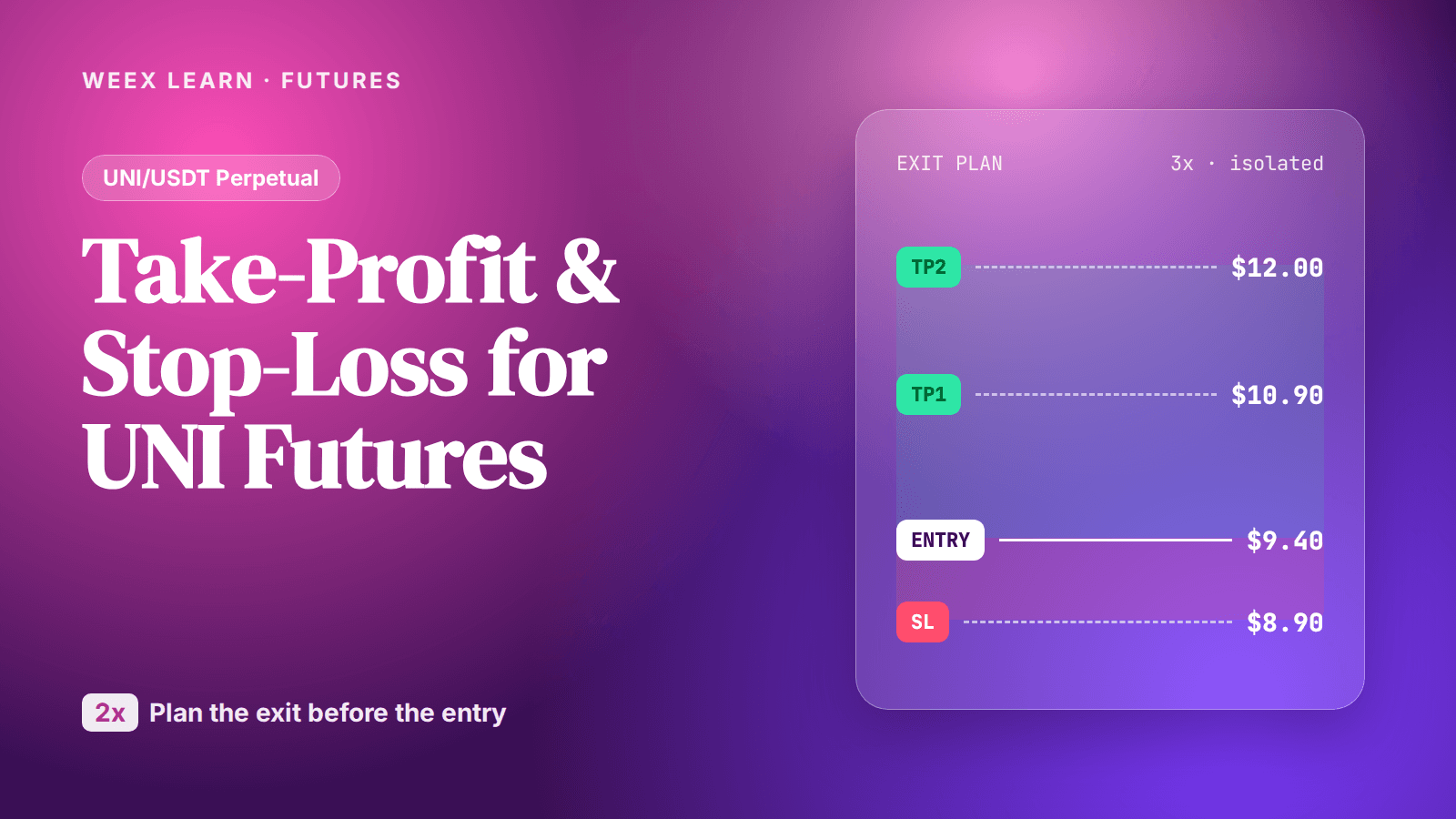
UNI Futures: How to Set Take-Profit and Stop-Loss After a 2x Run
FTXF: Hanoi Police Seeks Victims to Report by September 30, 2026
Does a Negative Funding Rate Mean a Short Squeeze Is Coming?
WEEX Strategy Trading: 4 Ways to Automate Your Crypto Trades

Best Crypto Exchange for Beginners 2026: What Actually Matters When Choosing One
SUI Futures Trading: How to Play the Breakout Without Liquidation
Crypto Leverage Trading: What 400x Leverage Actually Costs You
INTC Stock Surged 14%: Intel Only Has Enough Chips for Half Its Clients
Hyperliquid vs Centralized Exchanges: What's the Difference?
WEEX and MiCA: What the RDWW-1194 Entry in Poland's Register Says
XPL Unlock on Sept 25: How to Long or Short Plasma Futures Safely
NEAR Futures Take-Profit and Stop-Loss: Managing a Parabolic Move
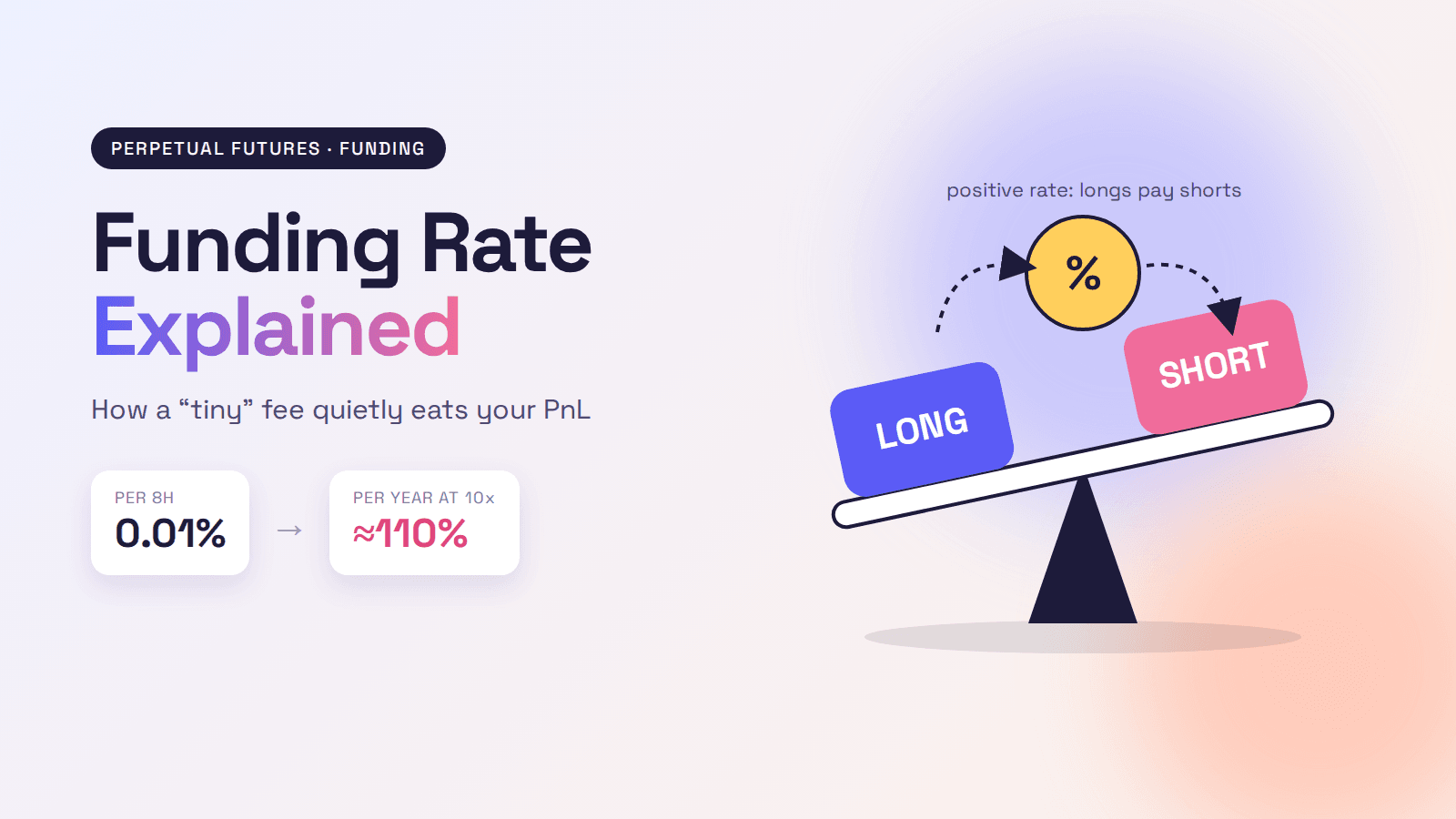
Funding Rate Explained: How Perpetual Futures Fees Hit Your PnL
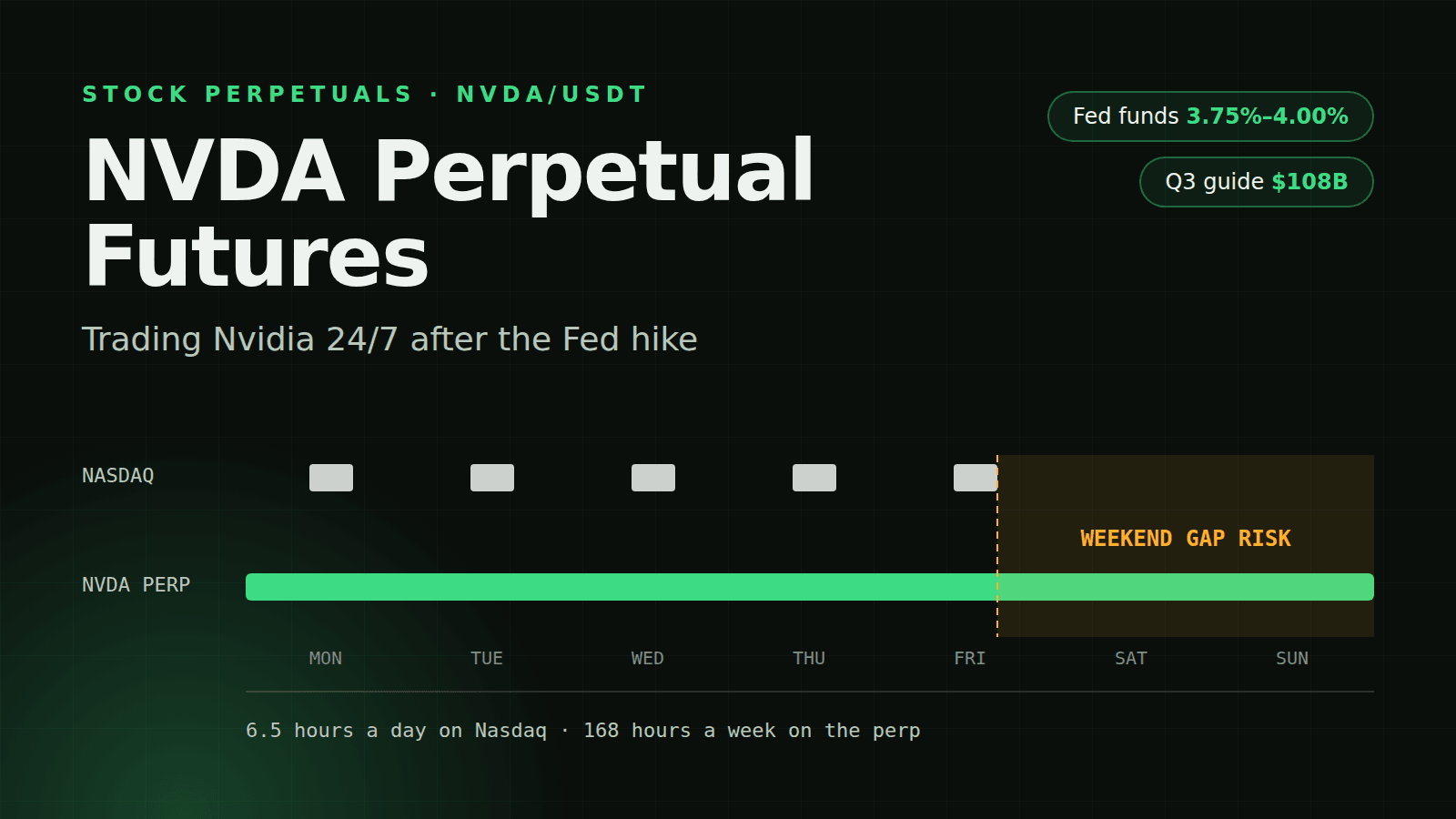
NVDA Perpetual Futures: Trading Nvidia 24/7 After the Fed Hike
Micron Earnings Sept. 30: Order Types and TP/SL on MU Perpetuals
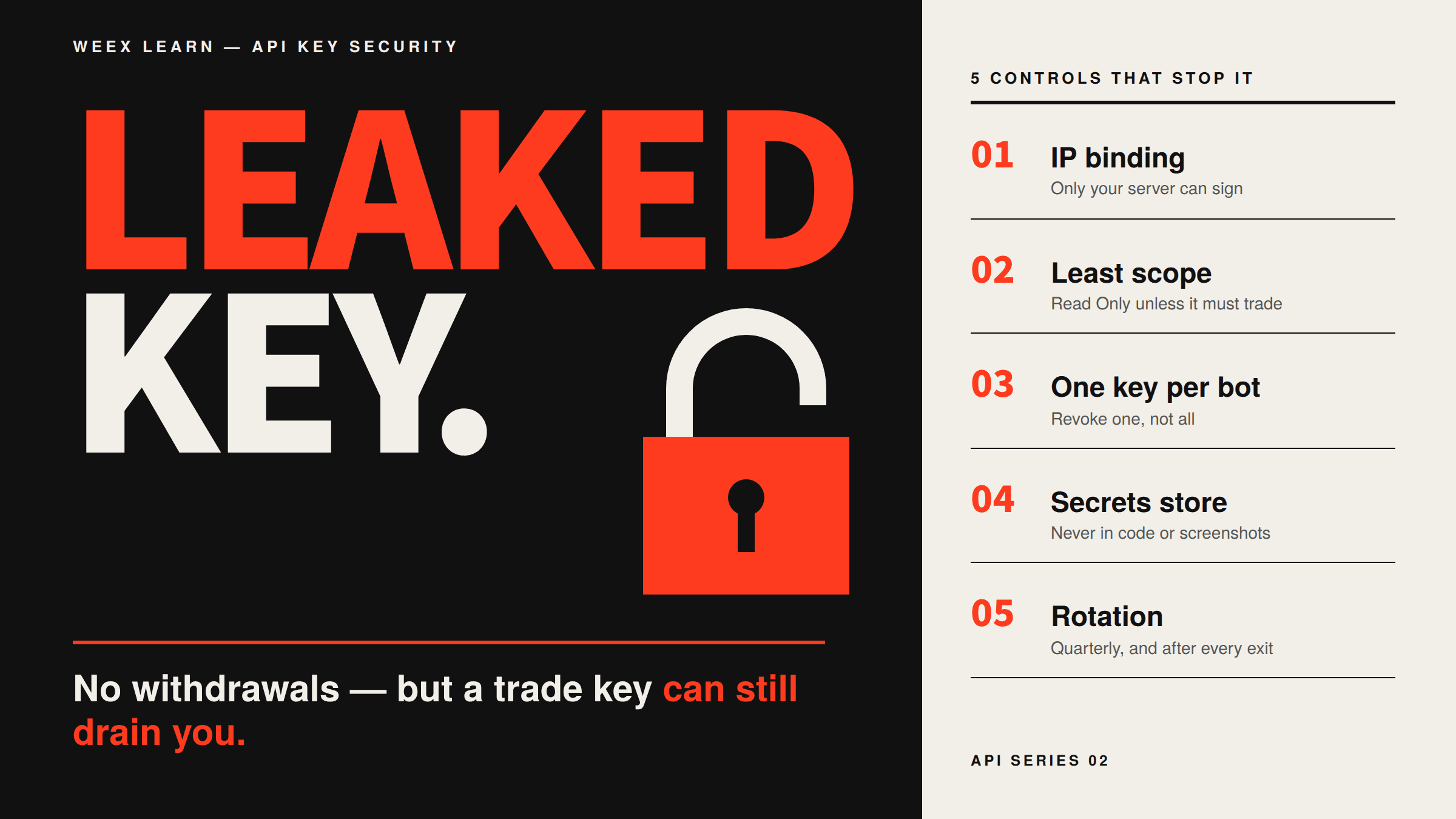
WEEX API Key Security: What a Leaked Key Can Still Do to You
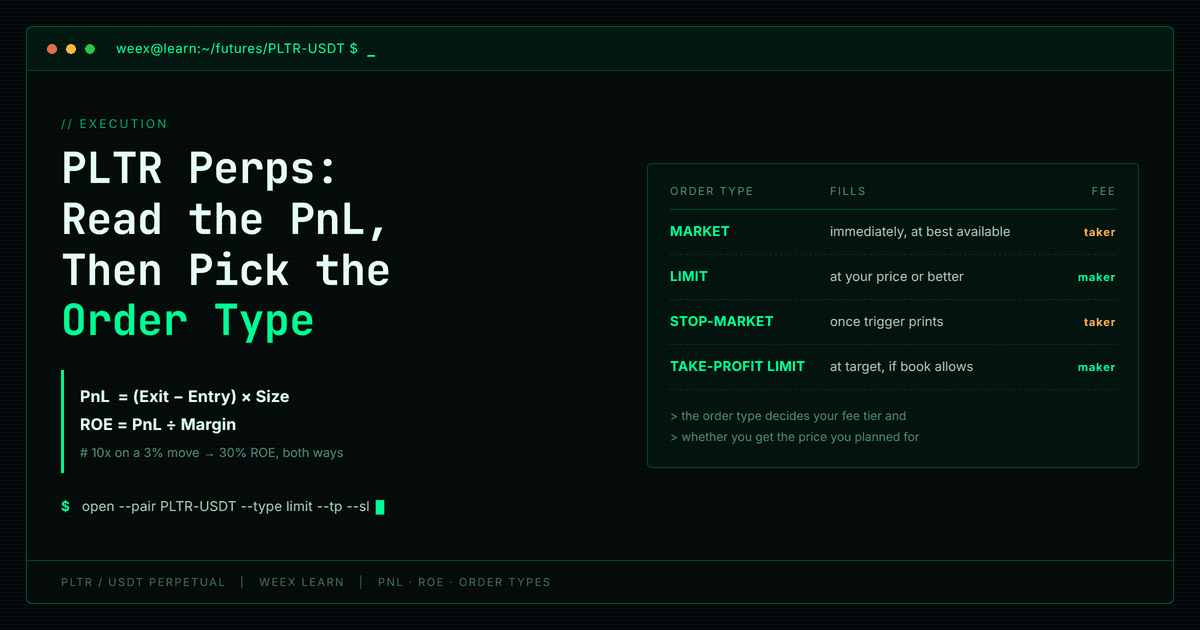
Palantir Stock 24/7: How PLTR Perpetual Futures Really Price
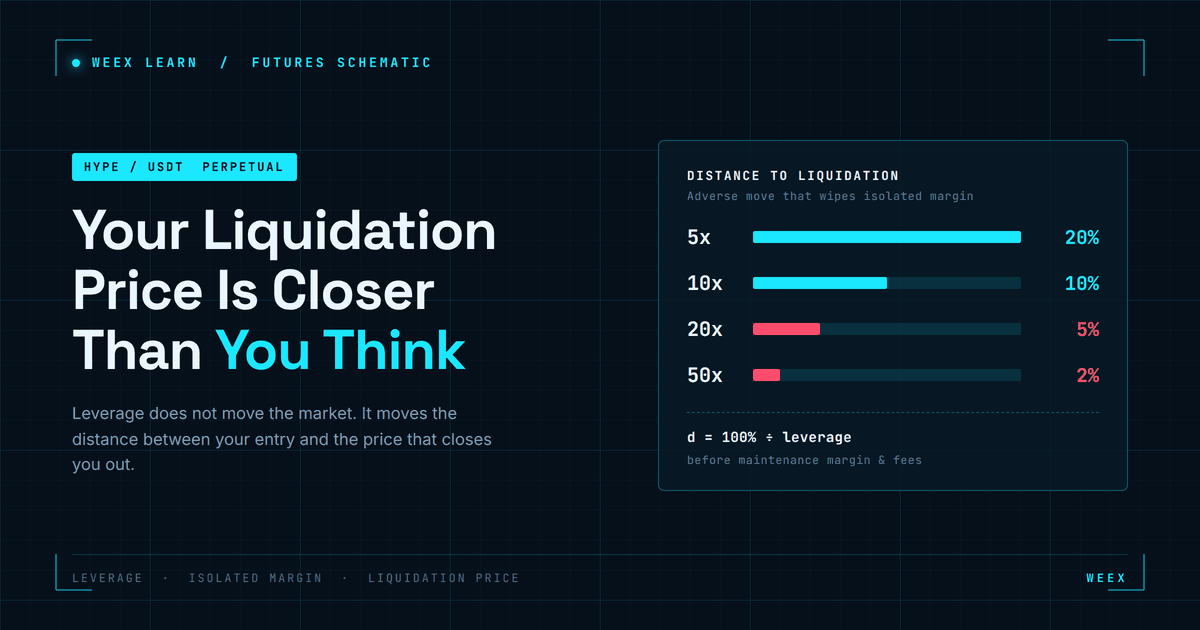
HYPE Token Unlock and Leverage: What the $1.2B Number Hides
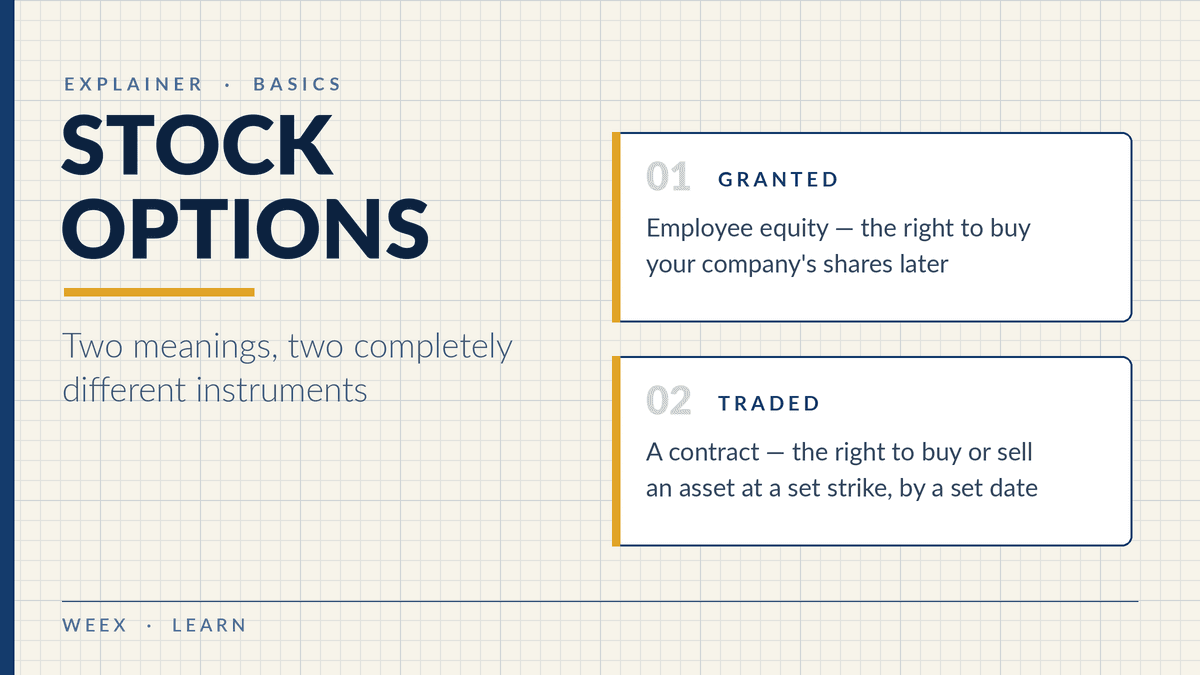
What Is a Stock Option? The Two Meanings and How Each Works
BitMEX Is Closing September 23, 2026: Timeline and How to Withdraw Before the Deadline
CoreWeave Stock (CRWV): The Debt Math Behind the AI Trade — and How to Trade It 24/7
KOSPI Price Prediction 2026-2027: Can the Index Recover to 7,000 After Its Worst Month Since 2008?
Senate Democrats Block Stock Bill: What Failed and What Is Next
QNT Price Near $295: Does the Bank Deal Justify a 4x Rally?
Safest Crypto Wallet in 2026: Matching Wallet Type to the Threat You're Actually Worried About
2Z Token Unlock on October 2: What 1.66B DoubleZero Tokens Mean
Best Crypto App for Beginners: Exchange App, Wallet App, or Both?
Coincheck FLR DAI Delisting Dates and Holder Checklist


