
Senate Democrats Block Stock Bill: What Failed and What Is Next

 Prefer us on Google


Senate Democrats blocked the stock bill on September 30, 2026, when the Stop Insider Trading Act failed a procedural vote 53-47, seven short of the 60 needed to advance. All 47 members of the Democratic caucus voted no. The measure would have barred members of Congress, their spouses and dependent children from buying shares of publicly traded companies, but it arrived from the House with nationwide voter ID requirements attached, and Democrats called that a poison pill. The Senate then left Washington ahead of the November midterms, so the rules lawmakers trade under today are the same ones they traded under last week. This article covers what the bill actually said, why each side voted the way it did, and what, if anything, changes for investors.
What the Senate Vote on the Stock Bill Decided
The September 30 vote was on cloture, the step that ends debate. It was not a vote on final passage. Under Senate rules a bill needs 60 votes to clear that step, and Republicans hold 53 seats. The count split exactly along party lines.
The timeline behind it:
- January 12, 2026: Rep. Bryan Steil, chair of the House Administration Committee, introduced the Stop Insider Trading Act
- July 22, 2026: the House passed it 232-198, with 13 Democrats in favor, after voter ID language was added
- September 30, 2026: the Senate version, led by Sen. Pete Ricketts of Nebraska, failed 53-47
- Same day: a second Republican bill on AI data centers and electricity costs, led by Sen. Jon Husted of Ohio, also fell short
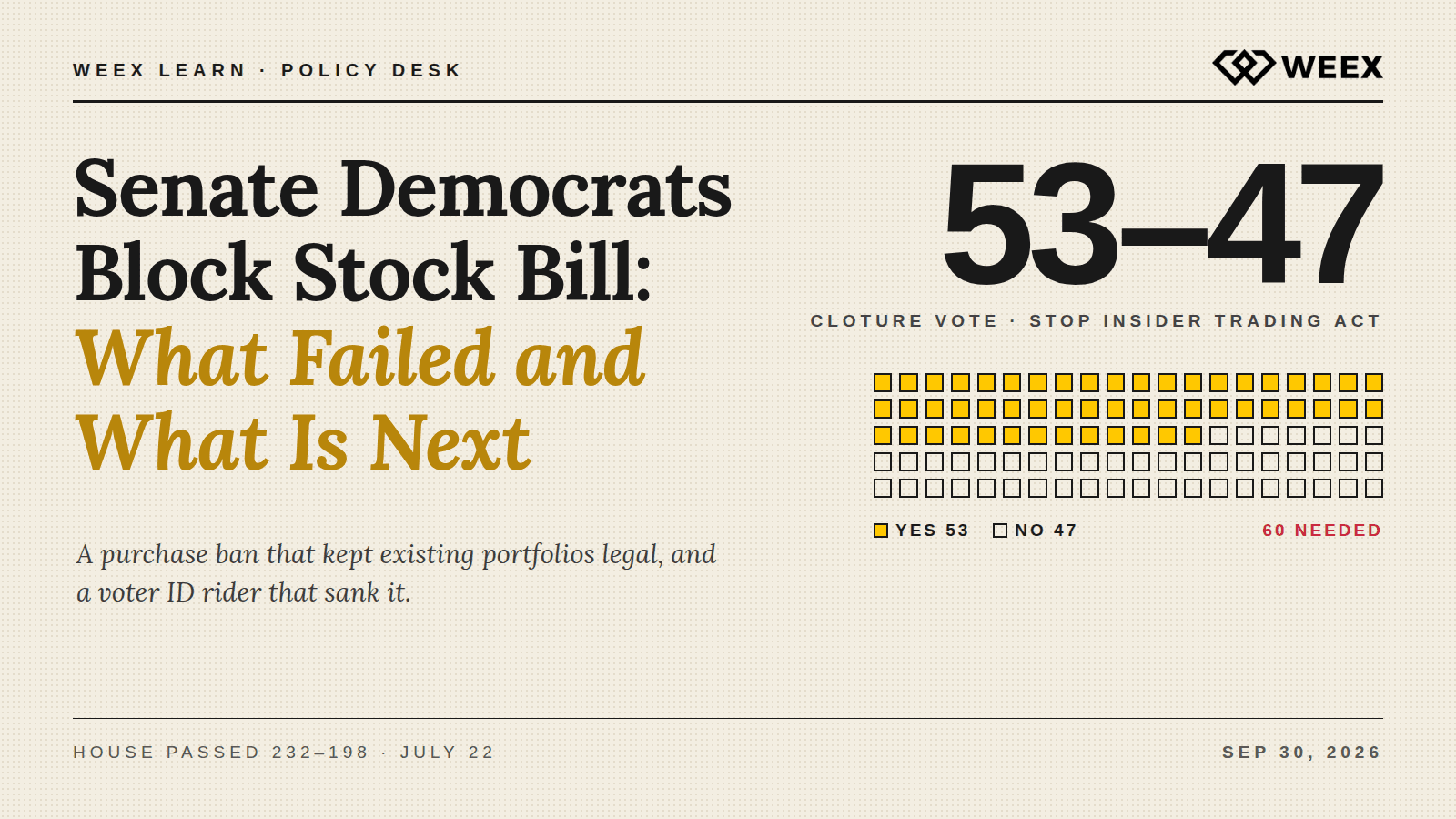
Ricketts's office described this as the second time Senate Democrats have blocked the bill. Both Ricketts and Husted are up for election in November, which is part of why the votes were scheduled as the last business before the recess.
What the Stop Insider Trading Act Would Have Banned
The name suggests a broad prohibition. The text was narrower than that, and the gap between the two is the Democrats' main argument on the merits.
What the bill did:
- Barred members of Congress, their spouses and dependent children from purchasing stock in publicly traded companies
- Required public notice 7 to 14 days before any sale of a covered holding, filed with the House Clerk or the Secretary of the Senate and posted online
- Set penalties at the greater of $2,000 or 10% of the investment's value, plus forfeiture of profits
What the bill left alone:
- Existing holdings. A lawmaker with a large portfolio could keep every share.
- Private company stock, which could still be bought.
- The executive branch. The president and vice president were not covered.
For comparison, current law is the STOCK Act of 2012. It does not ban trading at all. It requires members to disclose transactions within 45 days, and the standard penalty for filing late is $200. Against that baseline, a 10% penalty and a purchase ban are a real tightening. Against what reform advocates have asked for, which is full divestment or blind trusts, it is a partial measure.
Why Democrats Blocked a Stock Trading Ban
Two objections, one procedural and one substantive.
The procedural one is the rider. The House attached voter identification requirements drawn from the SAVE America Act before passing the bill in July. Democrats argue those provisions would restrict mail voting and have nothing to do with securities. Senate Minority Leader Chuck Schumer said Republicans "put a poison pill in that they knew would tank it."
The substantive one is that the bill permits lawmakers to keep what they own. Schumer called it "a permission slip for corruption, not a stock-trading ban" and "as ineffective as a screen door on a submarine." Democrats point to a stricter bipartisan bill that cleared the Senate Homeland Security Committee earlier, and several want any ban extended to the president and senior executive officials. A Bloomberg analysis cited by Forbes counted about 28,700 securities trades by President Trump and his investment managers between January 2025 and June 2026, more than the whole of Congress over the period.
Republicans read the vote differently. Senate Majority Leader John Thune called the bill "a pretty simple measure, but an important way to ensure that members of Congress are held to the standards that America should be able to expect." Ricketts said Republicans "voted to deliver for Americans and help restore their faith in government officials."
The more important point is that both halves of the package poll extremely well on their own. A University of Maryland survey in 2023 found 86% support for a congressional trading ban, and Pew measured 83% support for voter ID in 2025. Bundling two popular ideas that split the parties in opposite directions produces exactly this outcome: each side gets a vote to campaign on and nothing becomes law.
-- Price
Does the Blocked Stock Bill Move Markets?
Directly, no. The bill restricted who may buy stocks, not what any company earns. No index or sector reprices on a failed cloture vote about congressional ethics, and none did on September 30.
There are three second-order effects worth knowing about.
First, disclosure-following strategies continue as before. Because the STOCK Act regime stays in place, lawmakers' trades will keep appearing in public filings up to 45 days after the fact, and the funds and trackers built on those filings keep their raw material. Anyone using them should remember the lag: a filing describes a trade that may be six weeks old.
Second, the advance-notice provision would have been new information for the market. A public notice 7 to 14 days ahead of a sale by a committee chair is the kind of signal traders would have watched closely. That does not exist now.
Third, the reporting on the vote describes the bill as covering shares of publicly traded companies. None of it describes digital assets as covered. Crypto holdings by officials therefore sit where they did before, under general disclosure rules, and that gap will likely feature in the next round of drafting.
What Happens Next for the Congressional Stock Trading Ban
The Senate is in recess until after the November 3 midterm elections. Nothing moves before then.
After the election there are three plausible paths. A lame-duck session could take up a clean version without the voter ID language, which would need at least seven Democratic votes and House agreement to a text it has already amended once. The bill could be reintroduced in the new Congress in January 2027, where its odds depend on which party controls each chamber. Or the issue stays where it has been for more than a decade: popular with voters, endorsed by leaders of both parties in speeches, and unable to pass.
The pattern so far favors the third path until someone decouples the ban from unrelated riders. The practical watch item is simple: whether any post-election bill is introduced as a standalone measure. If it is, the 53-47 arithmetic changes quickly.
Trading Stock Exposure While the Rules Stay Unchanged
For ordinary investors the vote changes nothing about access. US equities trade as they did, and stock-linked derivatives on crypto platforms are unaffected. WEEX lists USDT-margined perpetual futures on individual stocks and indices under its TradFi line; the product page for WEEX TradFi futures explains how margin, leverage and trading sessions work for those contracts. These are derivatives. They track a share price and settle in USDT, and they carry no shareholder rights.
Key Takeaways on the Blocked Stock Bill
Senate Democrats blocked the stock bill because of what was attached to it and because of what it left legal, and Republicans forced the vote knowing the count. The bill would have stopped new stock purchases by lawmakers and their immediate families while allowing them to keep existing portfolios. The 2012 STOCK Act, with its 45-day disclosure window and $200 late fee, remains the law. The next real test comes after November 3, and the signal to look for is a version with no riders.
FAQ
1. Why did Senate Democrats block the stock bill?
The House version carried nationwide voter ID requirements that Democrats oppose, and they argued the trading provisions were too weak because lawmakers could keep stocks they already own. All 47 Democratic caucus members voted against cloture.
2. What was the vote on the Stop Insider Trading Act?
53-47 on September 30, 2026. The bill needed 60 votes to end debate and advance. The House had passed it 232-198 on July 22, 2026.
3. Can members of Congress still trade stocks?
Yes. Under the STOCK Act of 2012 they may buy and sell individual stocks as long as they disclose each transaction within 45 days. The blocked bill would have banned new purchases but not existing holdings.
4. Did the bill apply to the president?
No. The Stop Insider Trading Act covered members of Congress, spouses and dependent children. Extending a ban to the president and vice president is one of the changes Democrats have asked for.
5. Will the stock trading ban come back?
Probably, but not before the November 3 midterms. The earliest opening is a post-election session, and the likeliest route to passage is a standalone bill without the voter ID provisions.
This content is provided for general informational purposes only and doesn't constitute financial, investment, legal, or tax advice. Any events, rewards, online promotions, or related information mentioned herein should not be considered a recommendation, solicitation, or invitation to purchase, sell, trade, or otherwise deal in any crypto assets. Crypto assets are highly volatile and may result in loss. The availability of WEEX services, products, and related events may vary by region. You are responsible for ensuring that your participation is in accordance with applicable local laws and regulations.
You may also like

QNT Price Near $295: Does the Bank Deal Justify a 4x Rally?

Best Crypto Exchange for Beginners 2026: What Your First $100 Actually Goes Through

Safest Crypto Wallet in 2026: Matching Wallet Type to the Threat You're Actually Worried About
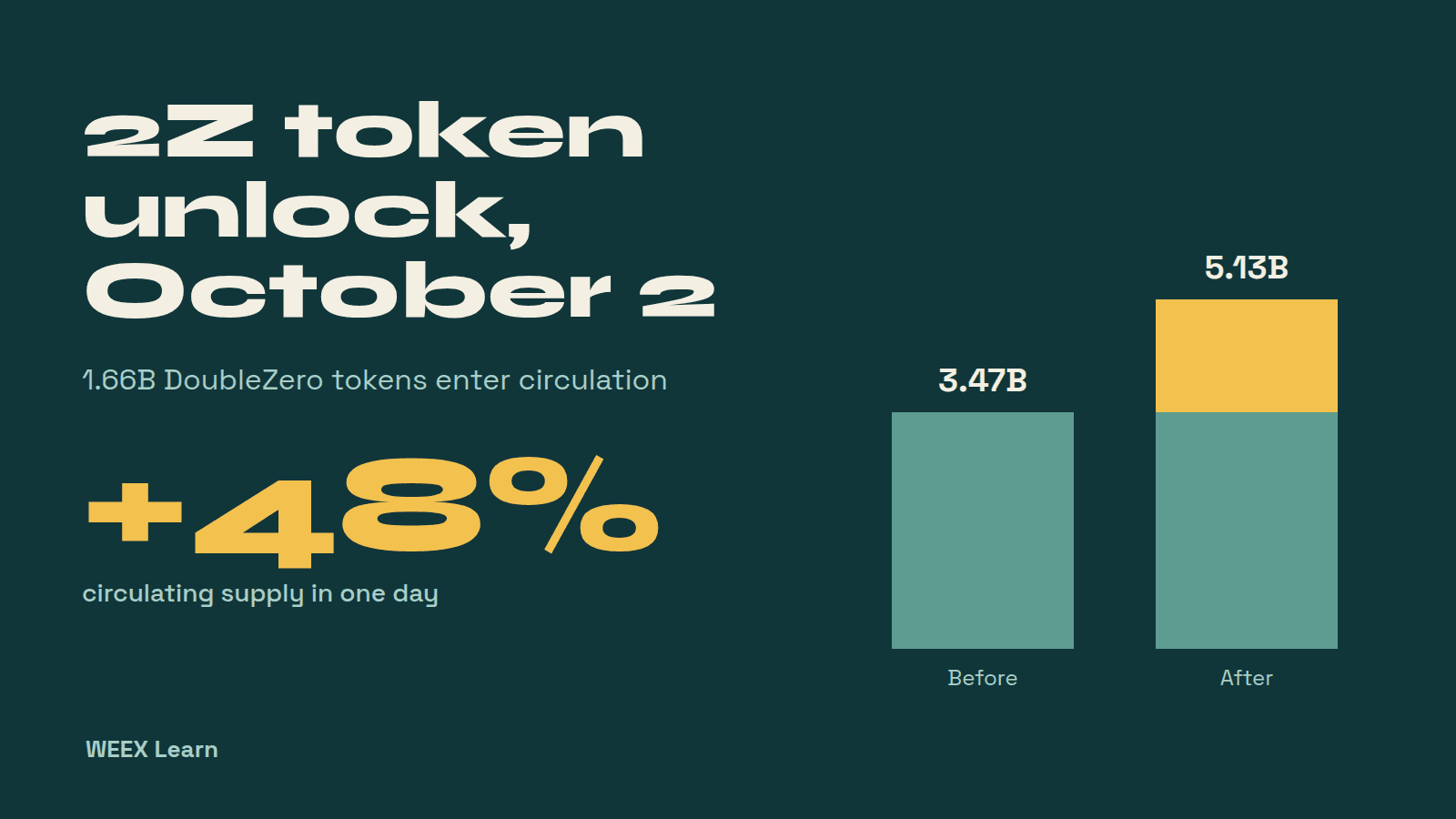
2Z Token Unlock on October 2: What 1.66B DoubleZero Tokens Mean

Best Crypto App for Beginners: Exchange App, Wallet App, or Both?

Coincheck FLR DAI Delisting Dates and Holder Checklist
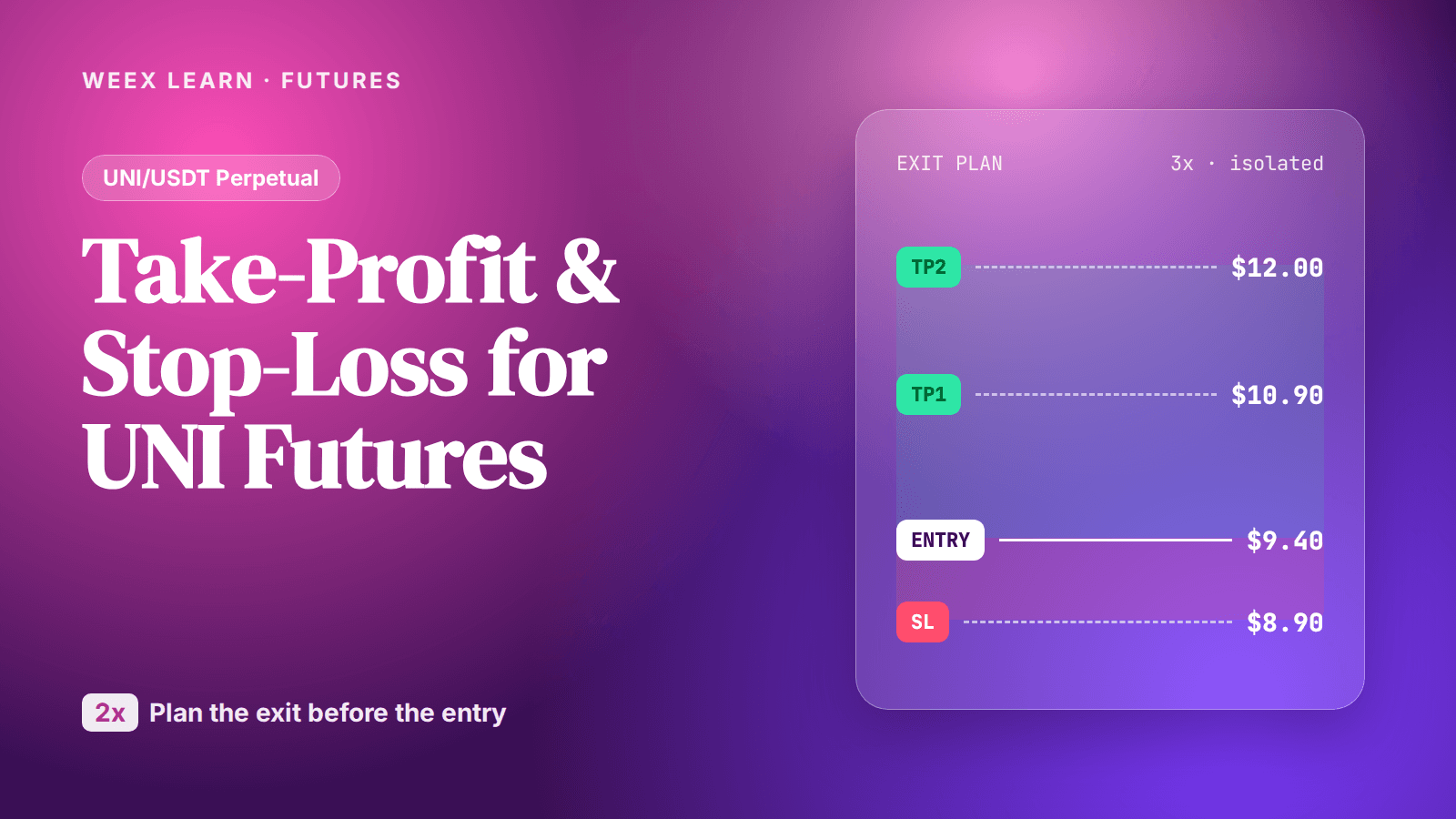
UNI Futures: How to Set Take-Profit and Stop-Loss After a 2x Run
FTXF: Hanoi Police Seeks Victims to Report by September 30, 2026
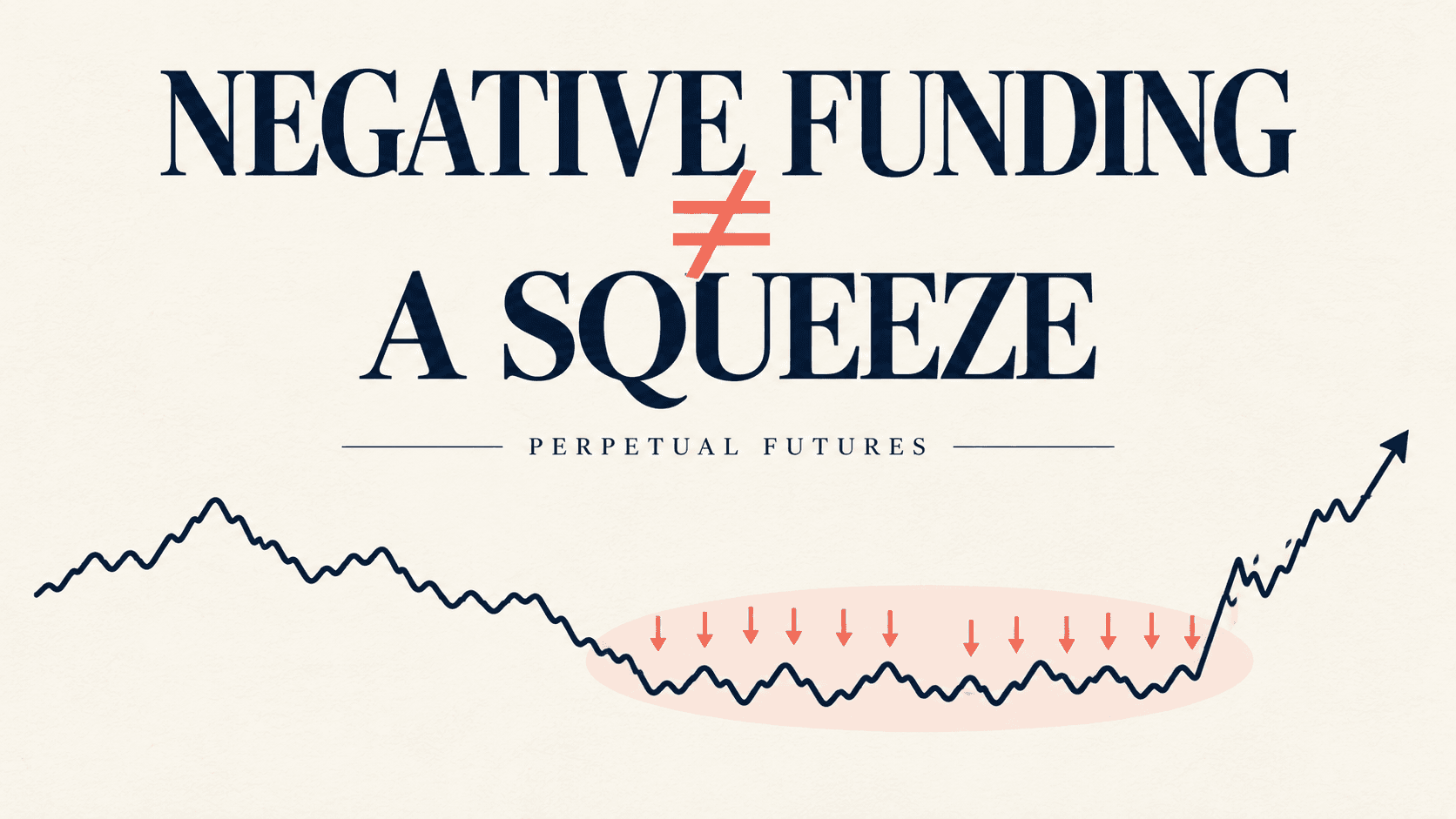
Does a Negative Funding Rate Mean a Short Squeeze Is Coming?

WEEX Strategy Trading: 4 Ways to Automate Your Crypto Trades

Best Crypto Exchange for Beginners 2026: What Actually Matters When Choosing One
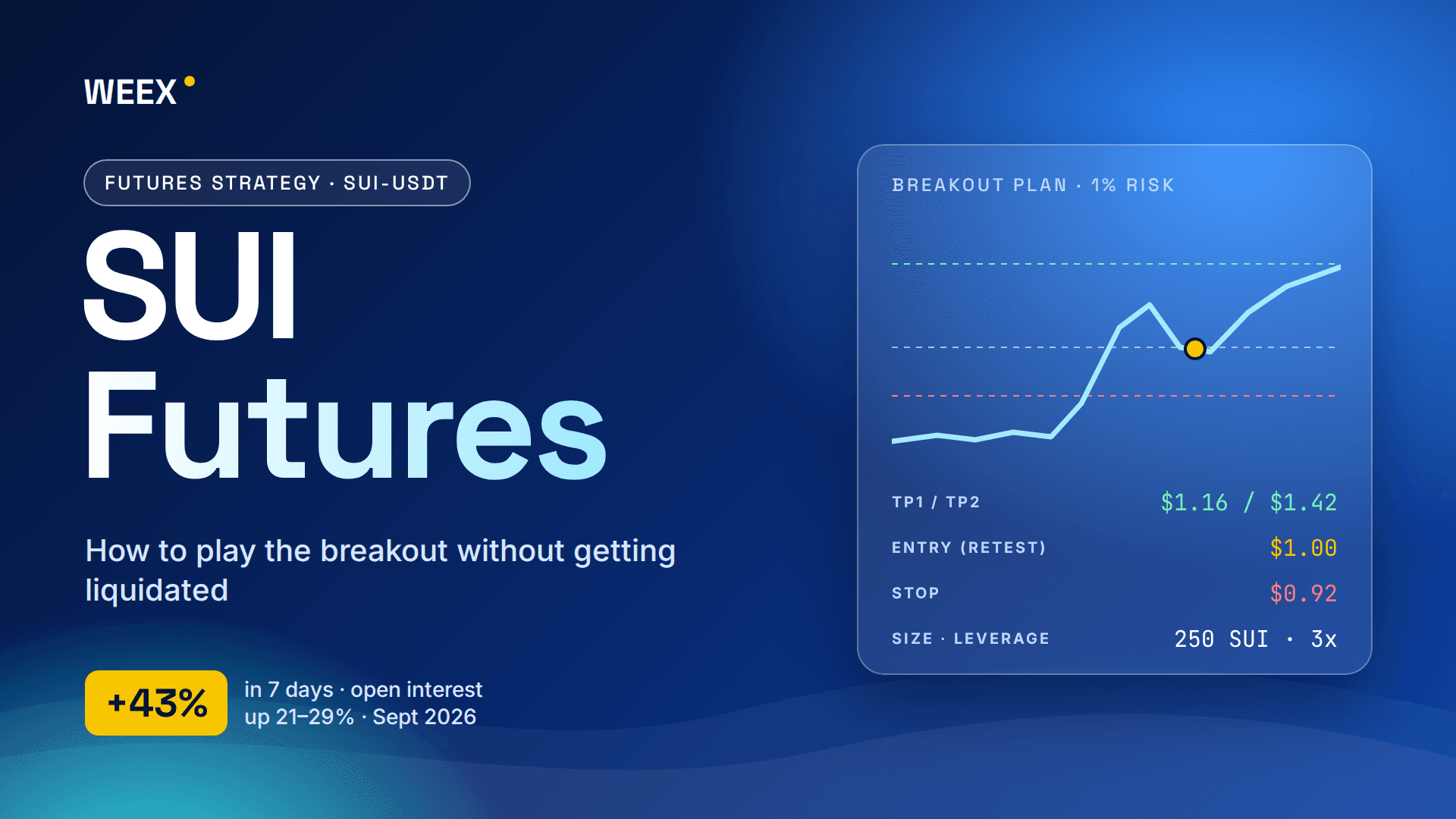
SUI Futures Trading: How to Play the Breakout Without Liquidation

Crypto Leverage Trading: What 400x Leverage Actually Costs You
INTC Stock Surged 14%: Intel Only Has Enough Chips for Half Its Clients
Hyperliquid vs Centralized Exchanges: What's the Difference?

WEEX and MiCA: What the RDWW-1194 Entry in Poland's Register Says
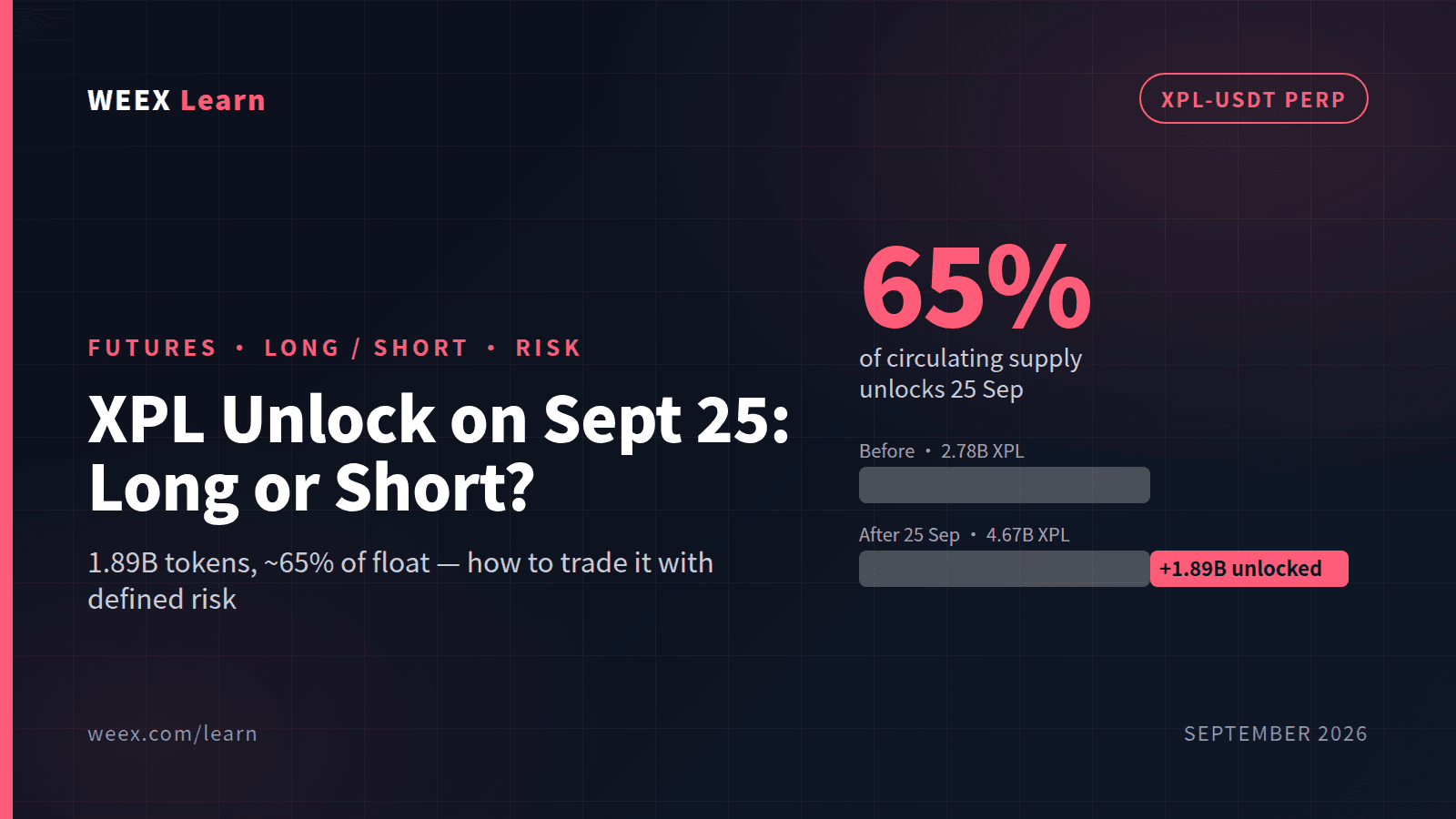
XPL Unlock on Sept 25: How to Long or Short Plasma Futures Safely

NEAR Futures Take-Profit and Stop-Loss: Managing a Parabolic Move
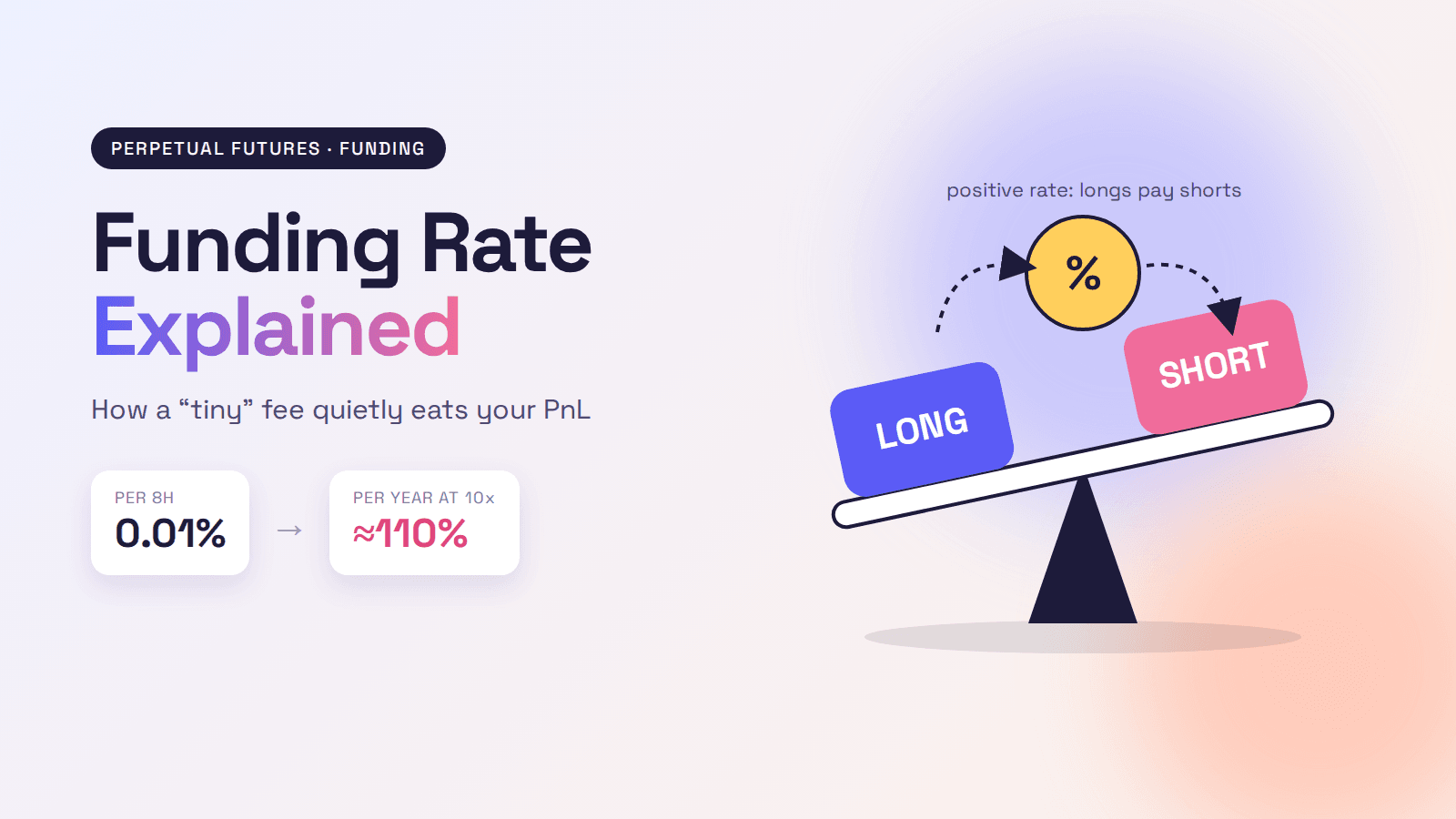
Funding Rate Explained: How Perpetual Futures Fees Hit Your PnL
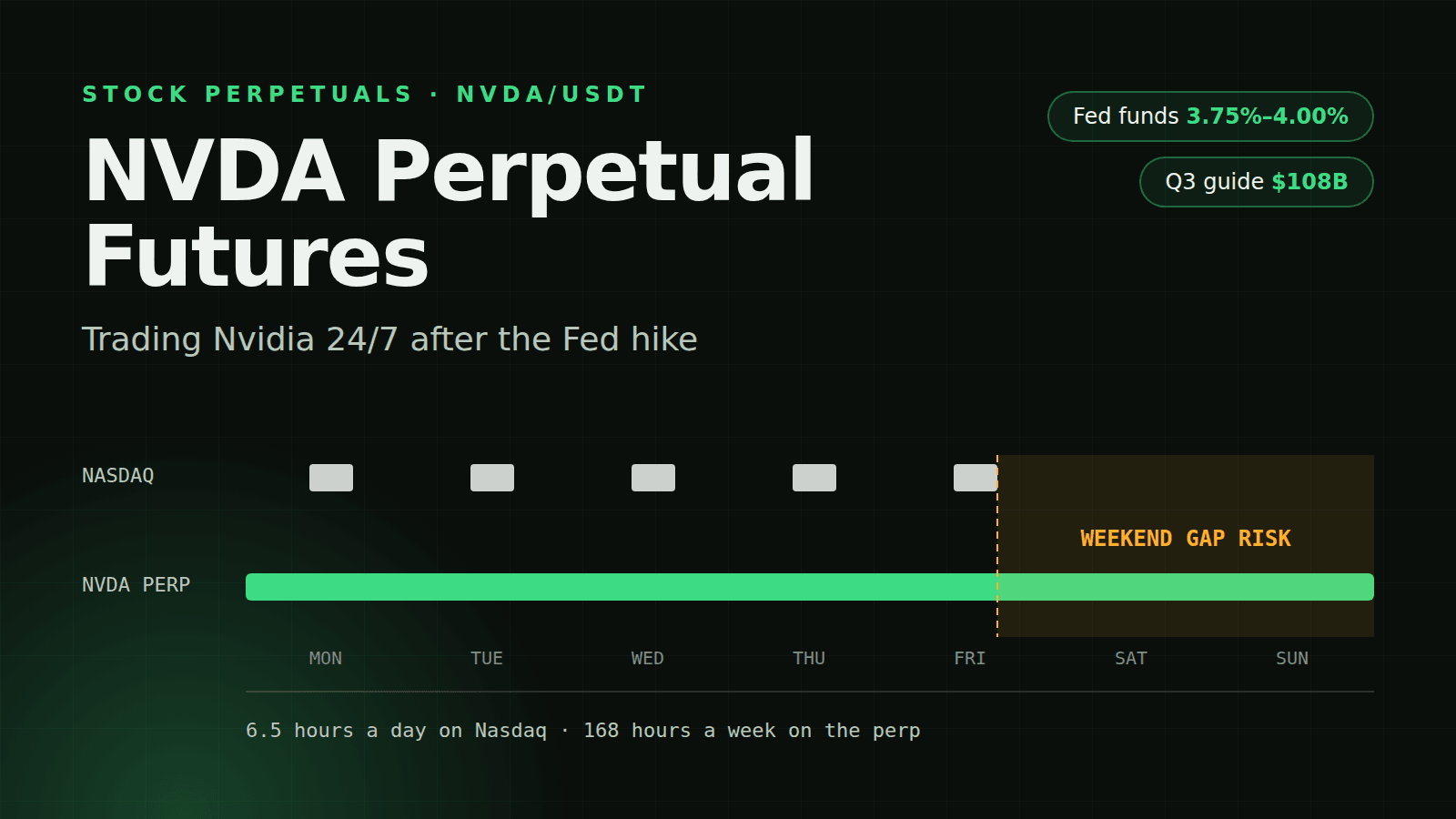
NVDA Perpetual Futures: Trading Nvidia 24/7 After the Fed Hike
Micron Earnings Sept. 30: Order Types and TP/SL on MU Perpetuals
WEEX API Key Security: What a Leaked Key Can Still Do to You
Palantir Stock 24/7: How PLTR Perpetual Futures Really Price
HYPE Token Unlock and Leverage: What the $1.2B Number Hides
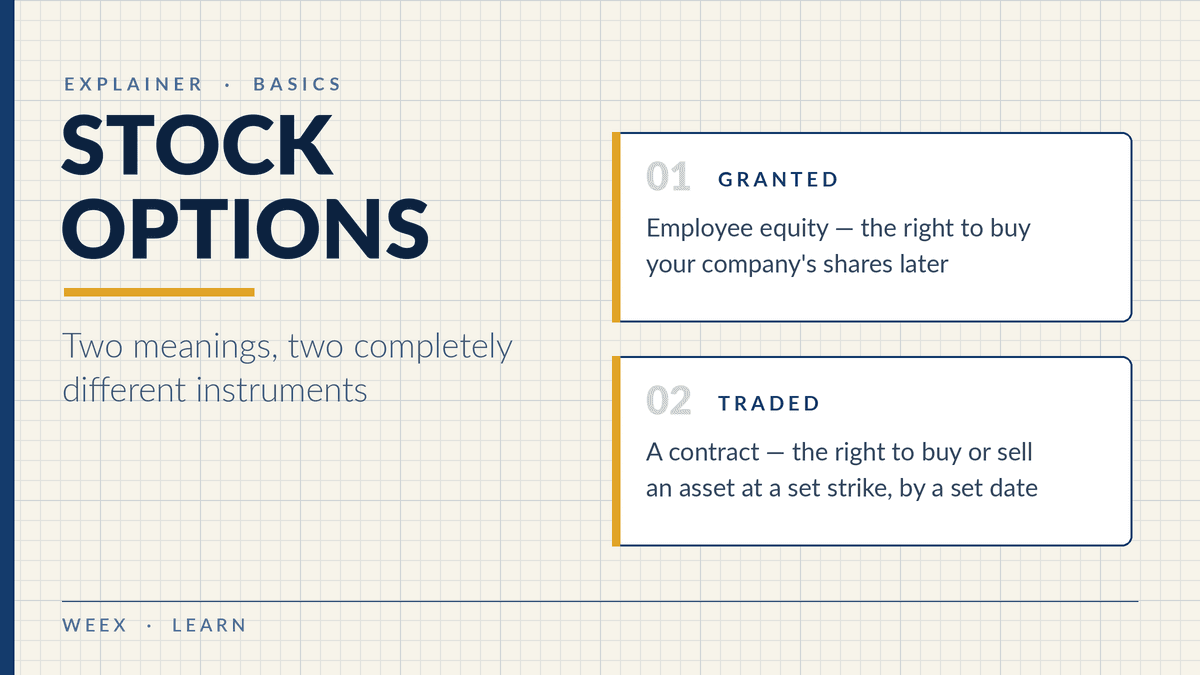
What Is a Stock Option? The Two Meanings and How Each Works
BitMEX Is Closing September 23, 2026: Timeline and How to Withdraw Before the Deadline

CoreWeave Stock (CRWV): The Debt Math Behind the AI Trade — and How to Trade It 24/7
KOSPI Price Prediction 2026-2027: Can the Index Recover to 7,000 After Its Worst Month Since 2008?
QNT Price Near $295: Does the Bank Deal Justify a 4x Rally?
Best Crypto Exchange for Beginners 2026: What Your First $100 Actually Goes Through
Safest Crypto Wallet in 2026: Matching Wallet Type to the Threat You're Actually Worried About
2Z Token Unlock on October 2: What 1.66B DoubleZero Tokens Mean
Best Crypto App for Beginners: Exchange App, Wallet App, or Both?
Coincheck FLR DAI Delisting Dates and Holder Checklist


