
Bitcoin Futures ETF Explained: How It Works, How It Differs From a Spot Bitcoin ETF and Where the Risks Are

 Prefer us on Google


A Bitcoin futures ETF is an exchange-traded fund that gets its bitcoin exposure from futures contracts, not from holding bitcoin itself. Because a Bitcoin futures ETF tracks futures prices, its results can differ from the price of bitcoin, and that difference is the main reason it is treated as a different product from a spot Bitcoin ETF.
The first U.S. Bitcoin futures ETF began trading on October 19, 2021, and spot products followed only after the SEC approved their listing on January 10, 2024. Understanding how a Bitcoin futures ETF works, and where it departs from the price of bitcoin, helps investors read fund descriptions and risk disclosures more accurately.
What Is a Bitcoin Futures ETF and What Does It Hold?
A Bitcoin futures ETF holds futures contracts on bitcoin and does not hold bitcoin directly. One futures-based fund’s prospectus filing from 2021 states plainly that “the Fund will not directly invest in bitcoin,” and that the only futures contracts it invests in are cash-settled bitcoin futures contracts. The fund’s shares trade on an exchange like shares of any other ETF.
The futures contracts in question are traded on CME. According to CME, its bitcoin contract is a U.S. dollar cash-settled contract based on the CME CF Bitcoin Reference Rate, and each contract is worth five times that rate. Contracts expire on the last Friday of the month, and the nearest six consecutive monthly contracts are listed. Cash settlement means that no bitcoin changes hands at expiry, and only the dollar difference is settled.
How Does a Bitcoin Futures ETF Track the Price of Bitcoin?
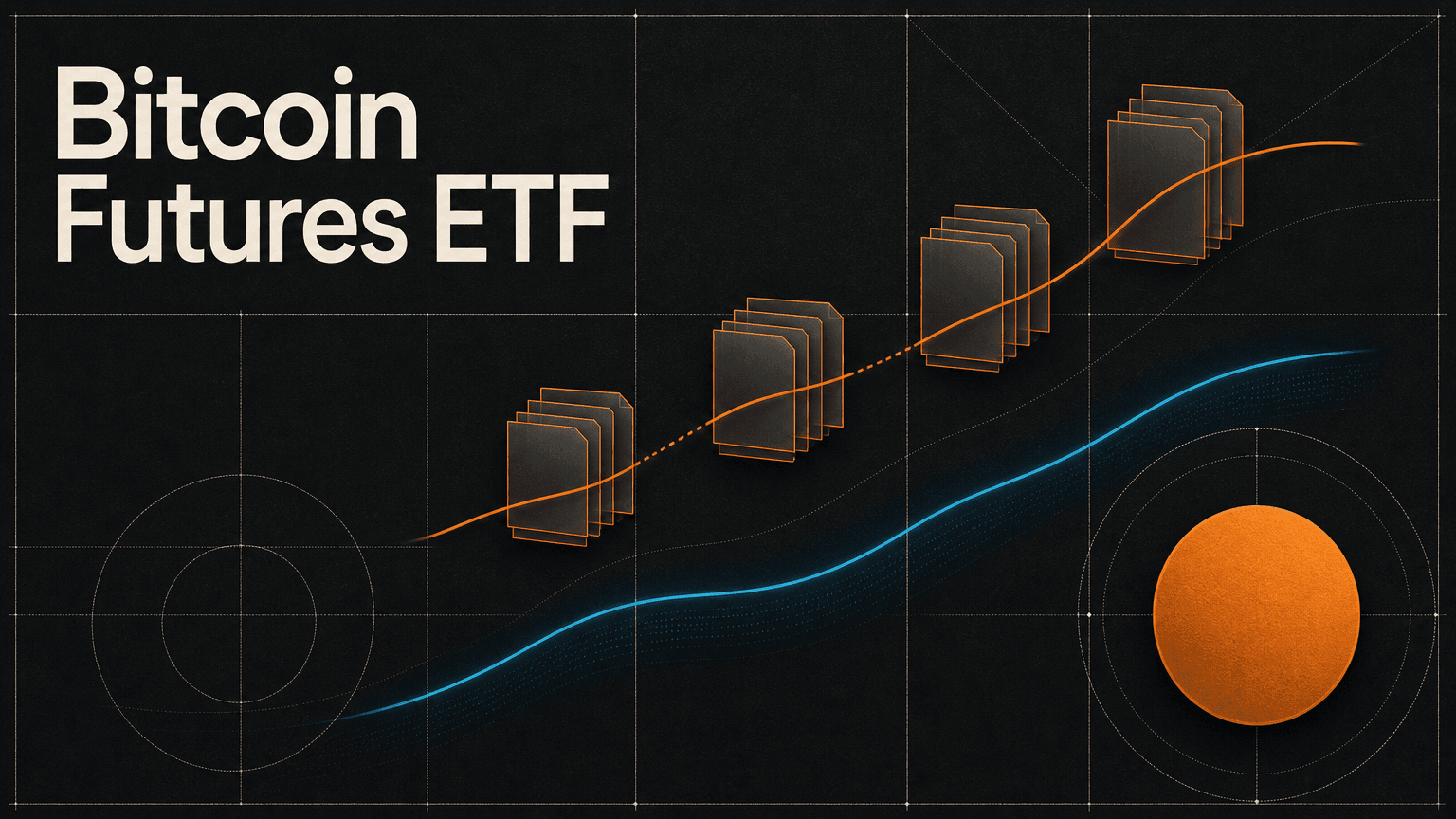
A futures contract has an expiry date, so a fund that wants to keep its exposure cannot hold the same contract forever. When a contract nears expiration, the fund generally sells it and buys a later-dated contract, a step known as rolling. The fund repeats this each month, so its exposure follows futures prices, not the price of bitcoin on a spot market.
The two prices are related but not identical. CME’s reference rate is a once-a-day rate that aggregates spot exchange trading in a one-hour window ending at 4 p.m. London time, and the futures settle against it. Even so, the prospectus filing cautions that there is no guarantee the fund will achieve a high degree of correlation with its target, which is why a Bitcoin futures ETF can move differently from bitcoin on a given day.
How Is a Bitcoin Futures ETF Different From a Spot Bitcoin ETF?
A spot Bitcoin ETF holds bitcoin itself. The SEC approved the listing and trading of eleven spot bitcoin exchange-traded products on January 10, 2024, and its approval was limited to products holding one non-security commodity, bitcoin, according to law firm Mintz. Before that, the SEC had long rejected spot proposals because of concerns about manipulation in the spot bitcoin market, and futures-based funds were the route investors had instead. Mintz reports that an August 2023 court decision criticizing the SEC’s earlier rejection led to the approvals.
The approval did not amount to an endorsement. SEC Chair Gary Gensler said, “we did not approve or endorse bitcoin,” and described bitcoin as “primarily a speculative, volatile asset.” The practical difference is in what the fund owns. A spot fund holds bitcoin and has no futures contracts to roll, while a Bitcoin futures ETF holds futures and must roll them, which is where its extra costs and tracking gaps come from.
-- Price
What Costs and Tracking Gaps Can Affect a Bitcoin Futures ETF?
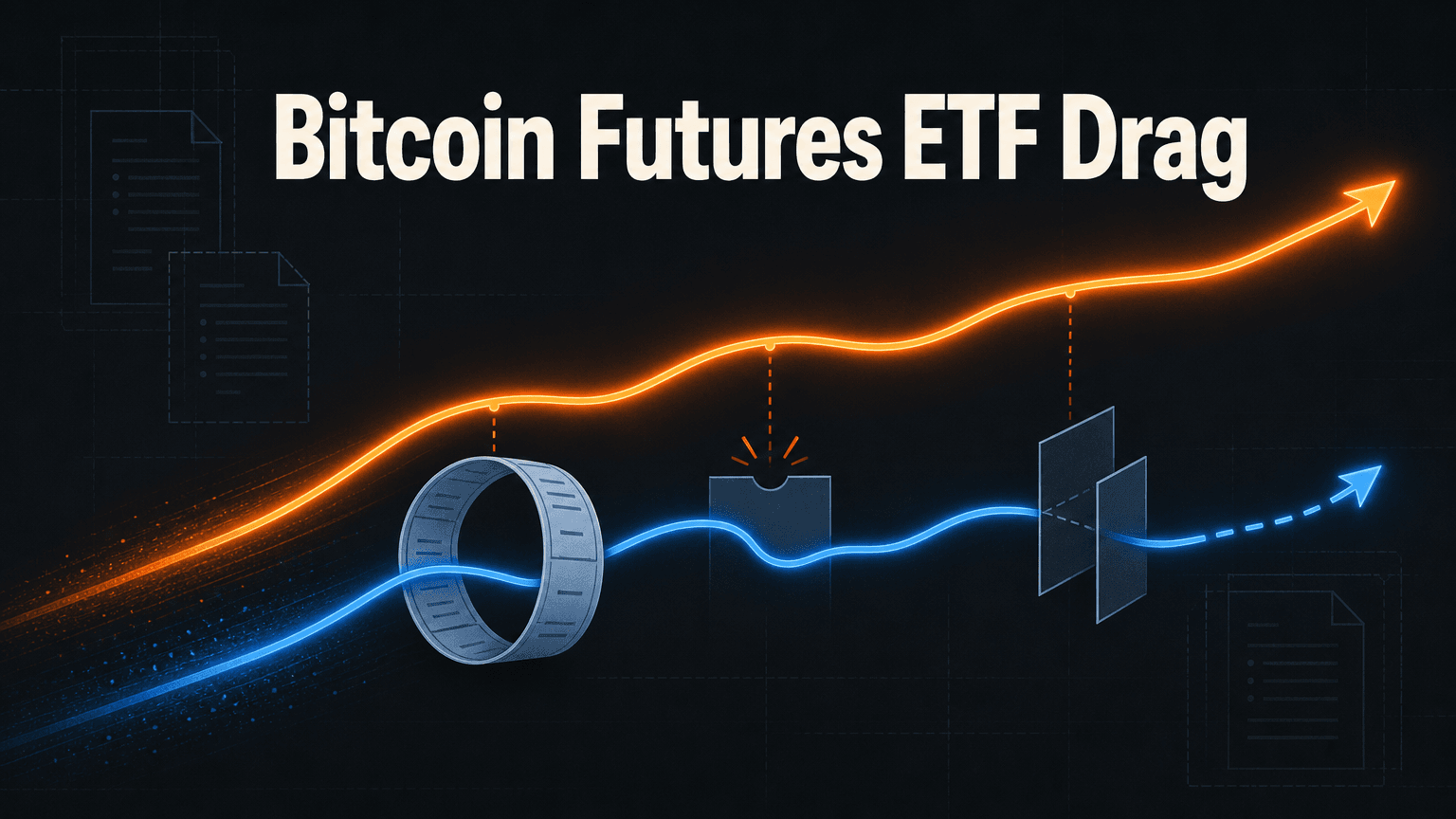
The most discussed cost is the cost of rolling. The prospectus filing explains that when the futures market is in contango, meaning that prices of nearer-month contracts are lower than later-month contracts, selling the expiring contract and buying the next one creates a cost. It also states that the costs of rolling bitcoin futures typically are substantially higher than for other futures contracts.
Over time, roll costs, fund fees and the correlation gap described above can make a Bitcoin futures ETF lag the price of bitcoin. The size of the lag changes with market conditions, and fees differ from issuer to issuer, so the fee table in each fund’s prospectus is the place to check. The filing referred to here is a 2021 document for one fund, so current figures should be taken from a fund’s latest documents.
What Risks Should Investors Understand Before Using One?
The first risk is price volatility. The prospectus filing states that the prices of bitcoin and bitcoin futures have historically been highly volatile and that a fund’s value could decline significantly and without warning, including to zero. SEC Chair Gensler also urged investors to stay cautious about the many risks associated with bitcoin.
A second risk comes from how futures work. The filing says a fund must make daily cash payments to maintain required margin, and that collateral requirements may force it to sell positions when it otherwise would not. Some funds also hold their futures through a subsidiary, and that filing notes that such a subsidiary is not registered under the Investment Company Act of 1940 and does not have all of the Act’s investor protections. These details differ by fund, so the risk section of each prospectus matters more than a general description.
How Do Bitcoin Futures ETFs Differ From Trading Bitcoin Futures Directly?
An ETF share is a fund share bought through a brokerage account, and the fund itself handles the rolling and the margin. Trading a futures contract directly, such as a CME bitcoin contract worth five bitcoin, means the trader posts margin, faces daily margin calls and carries leverage-related risk personally.
Crypto exchanges also list bitcoin futures, including perpetual contracts that have no expiry date and charge periodic funding payments. These products carry their own leverage and liquidation risk, so a position can be closed out by a price move smaller than many traders expect. A Bitcoin futures ETF, a spot Bitcoin ETF and a directly traded futures contract each have different costs, risks and rules, and none of them is a copy of owning bitcoin.
Conclusion
A Bitcoin futures ETF gives exposure to bitcoin through futures contracts, which brings roll costs, margin mechanics and a possible gap from the price of bitcoin. A spot Bitcoin ETF holds bitcoin itself, and a directly traded futures contract adds leverage and margin on top. The structure of the product, its fees and its prospectus risk factors matter more than the label, and investors should read the latest fund documents before relying on any description.
FAQ
1. What is a Bitcoin futures ETF?
A Bitcoin futures ETF is an exchange-traded fund that holds bitcoin futures contracts instead of bitcoin. Its shares trade on an exchange like other ETF shares.
2. Does a Bitcoin futures ETF hold bitcoin?
No. A fund prospectus filing states that the fund will not directly invest in bitcoin and holds cash-settled bitcoin futures contracts, so a Bitcoin futures ETF does not own the coin.
3. How is a Bitcoin futures ETF different from a spot Bitcoin ETF?
A spot Bitcoin ETF holds bitcoin itself, while a Bitcoin futures ETF holds futures contracts that it must roll as they expire. The SEC approved the listing of spot products on January 10, 2024.
4. Why can a Bitcoin futures ETF differ from the price of bitcoin?
It tracks futures prices and pays roll costs, and a prospectus filing says there is no guarantee of a high degree of correlation. These factors can make a Bitcoin futures ETF lag the price of bitcoin.
5. Is a Bitcoin futures ETF risky?
Yes. A prospectus filing describes bitcoin and bitcoin futures as historically highly volatile, and a fund’s value could decline significantly, including to zero. A Bitcoin futures ETF also carries roll, margin and tracking risks.
This content is provided for general informational purposes only and doesn't constitute financial, investment, legal, or tax advice. Any events, rewards, online promotions, or related information mentioned herein should not be considered a recommendation, solicitation, or invitation to purchase, sell, trade, or otherwise deal in any crypto assets. Crypto assets are highly volatile and may result in loss. The availability of WEEX services, products, and related events may vary by region. You are responsible for ensuring that your participation is in accordance with applicable local laws and regulations.
You may also like
NEAR Protocol HSP-029 Vote: Can a 36% Issuance Cut Affect NEAR Price?
Bitcoin and the US Midterms: A Trader's Checklist for Nov. 3-11
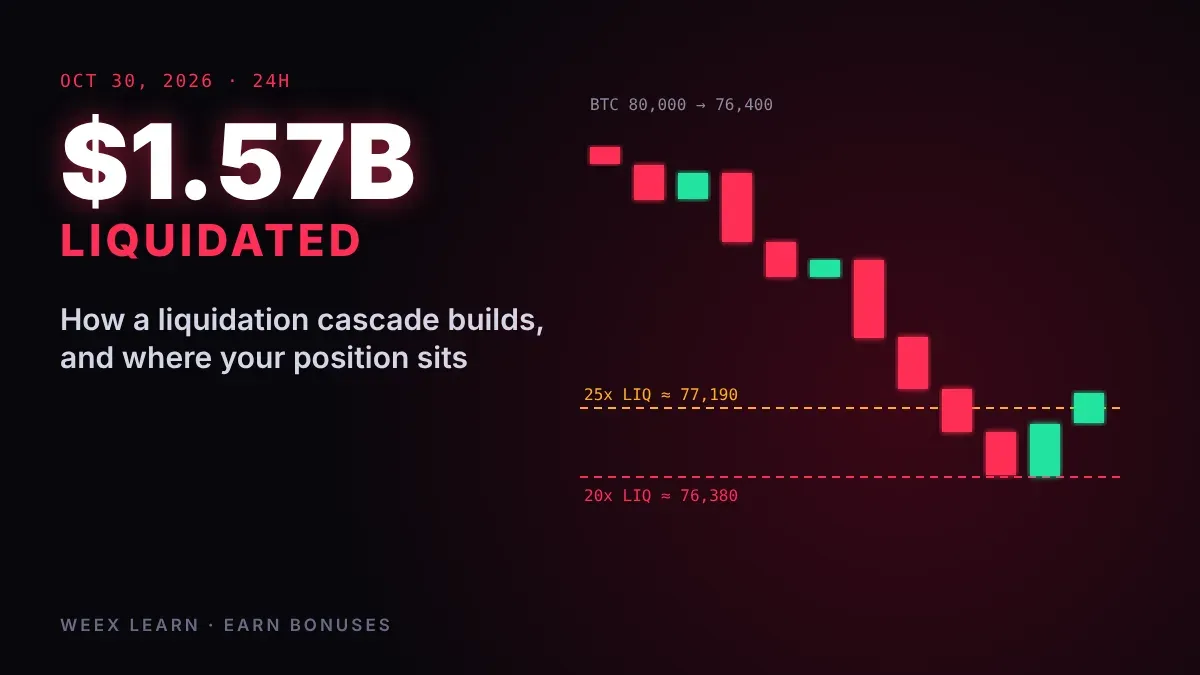
Crypto Liquidation Cascade: What the $1.57B Oct. 30 Flush Taught
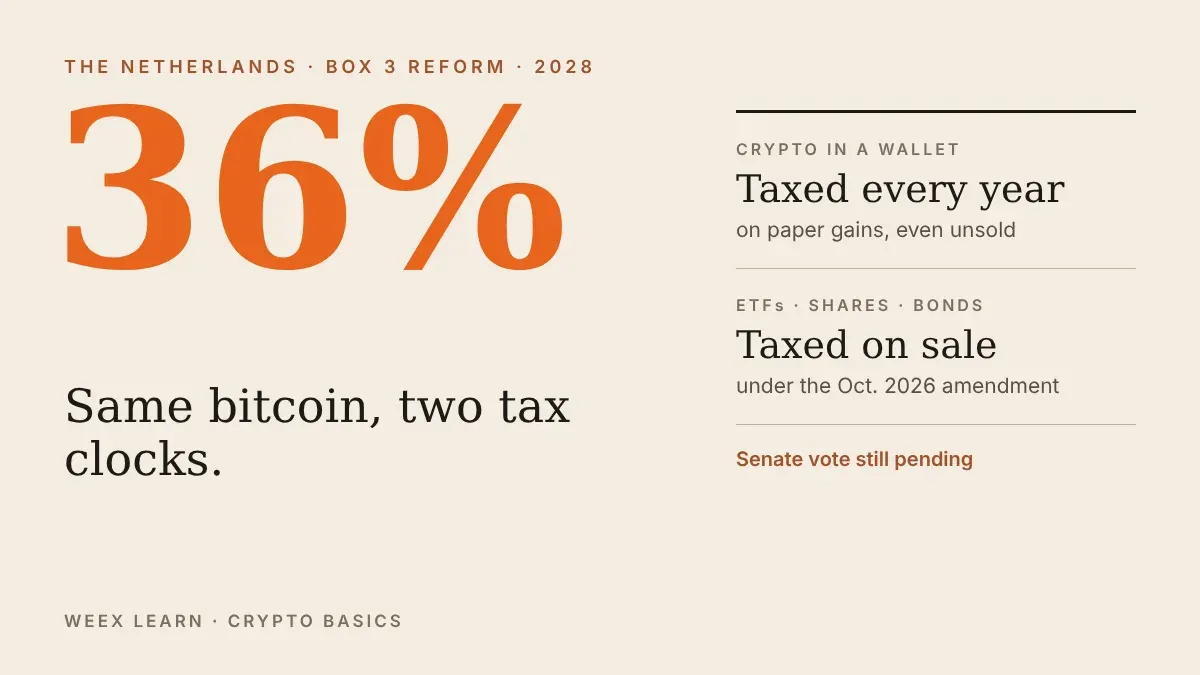
Dutch 36% Crypto Tax: Why Wallets Get Taxed Differently From ETFs
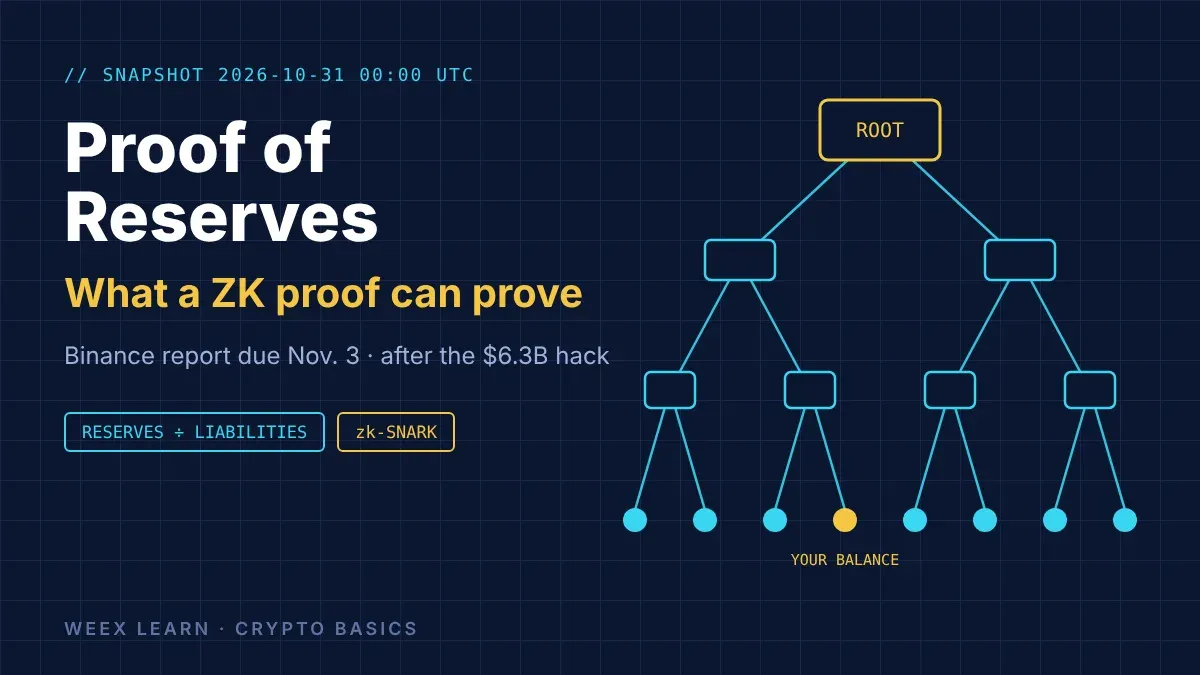
Binance Proof of Reserves: What the Nov. 3 ZK Report Can Prove
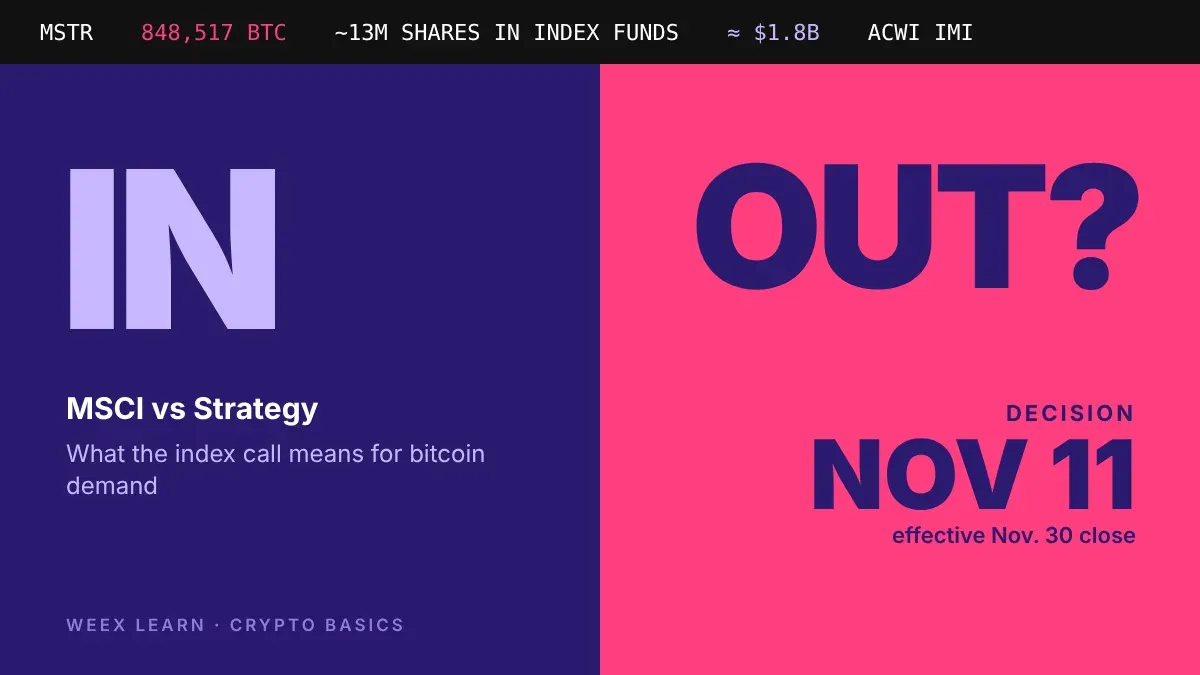
MSCI vs Strategy: What the Nov. 11 Index Decision Means for BTC

Binance Hack Explained: What Is Confirmed, What Is Disputed and What Users Should Do Now
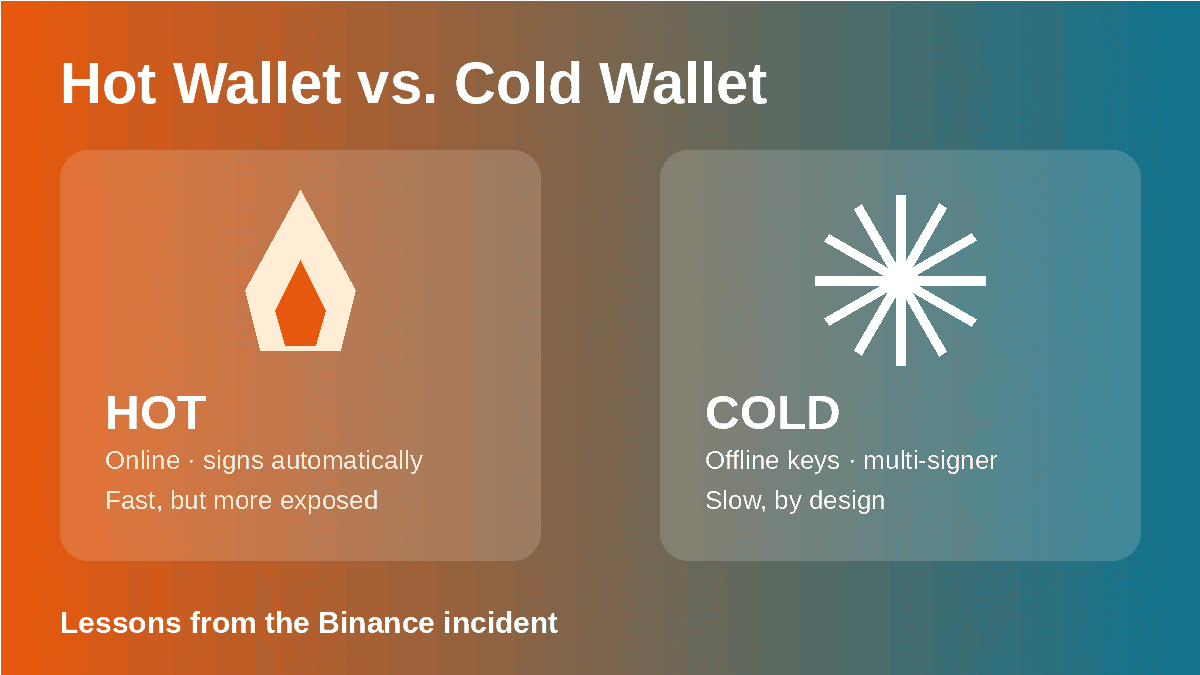
Hot Wallet Security Explained: Lessons From the Binance Incident
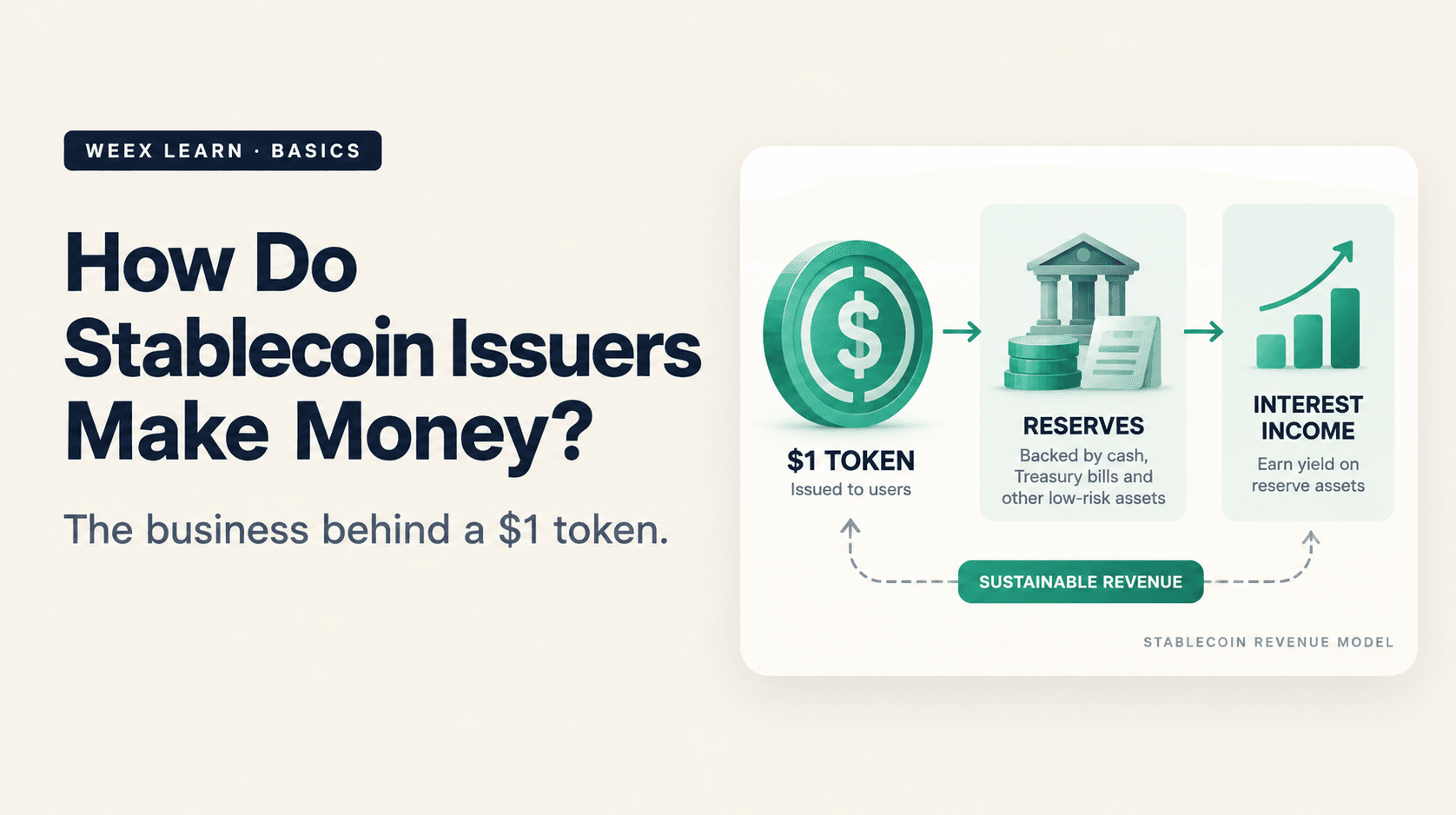
How Do Stablecoin Issuers Make Money? The Business Behind a $1 Token
BTC Fights for $80K Before the Fed: Why Leverage Hasn't Flushed
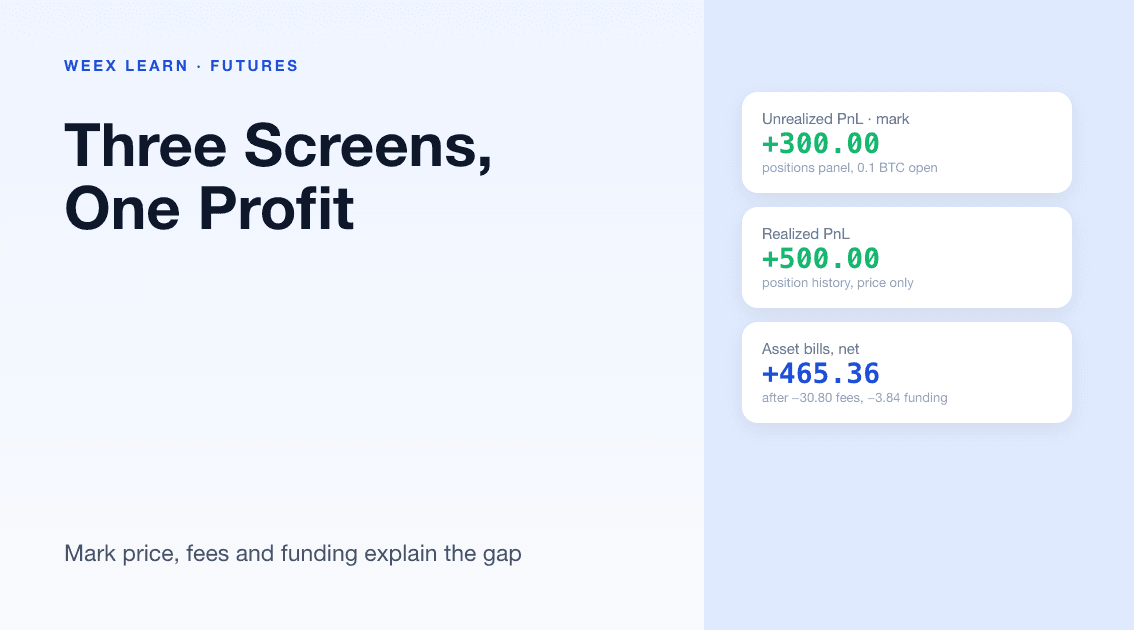
WEEX Futures PnL: Why Your Three PnL Numbers Rarely Match
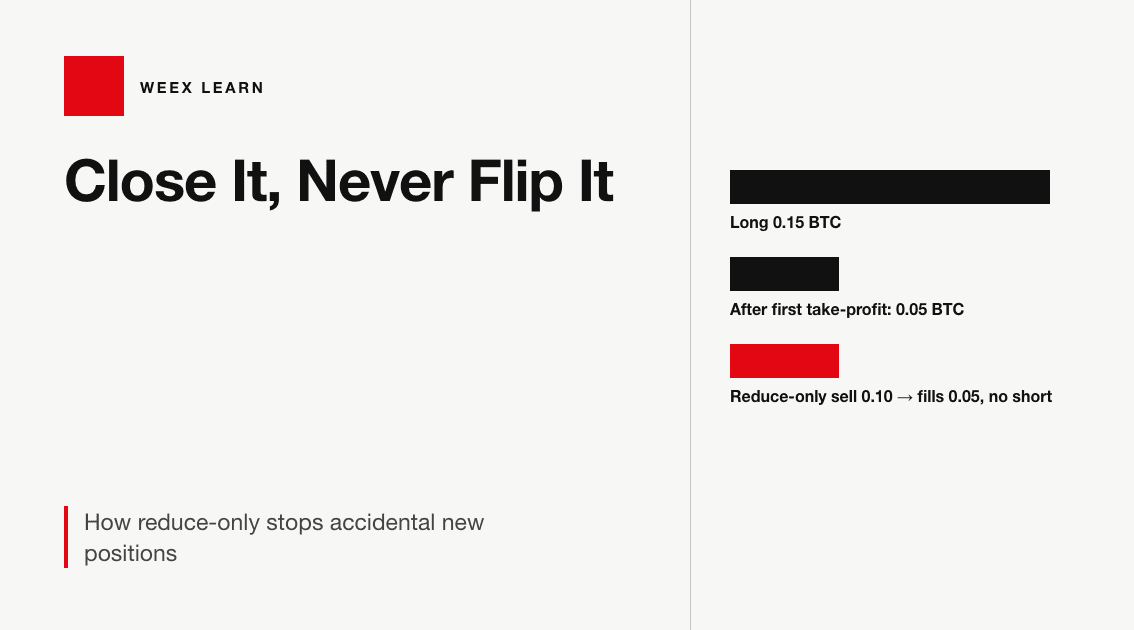
WEEX Reduce-Only Order: What It Does and When It Gets Cancelled
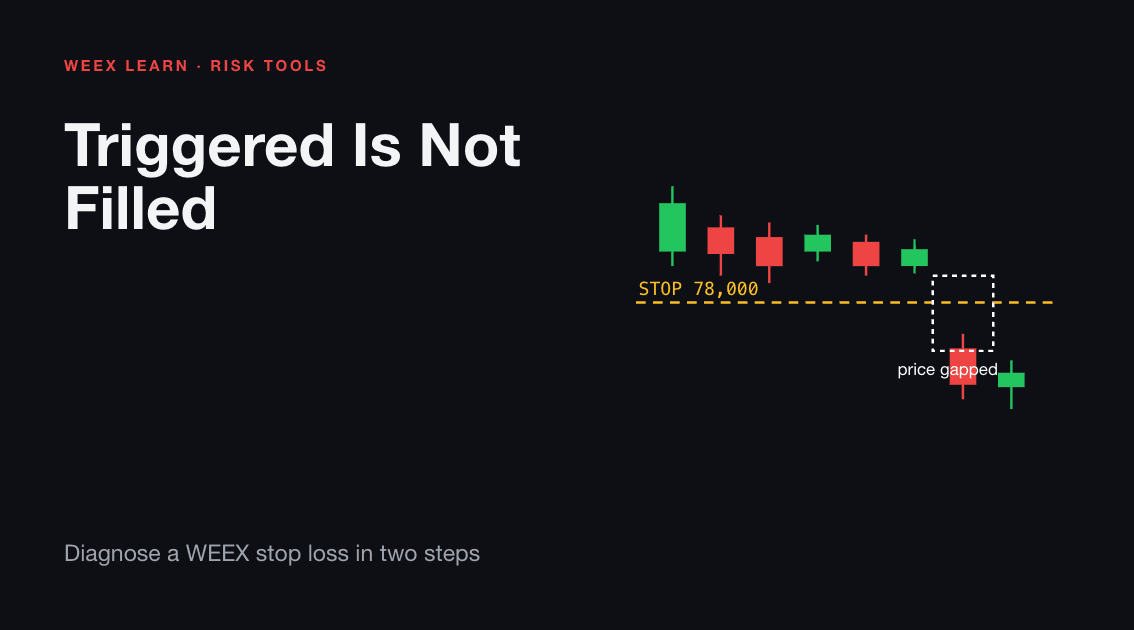
WEEX Stop Loss Not Triggered? Check the Trigger, Then the Fill
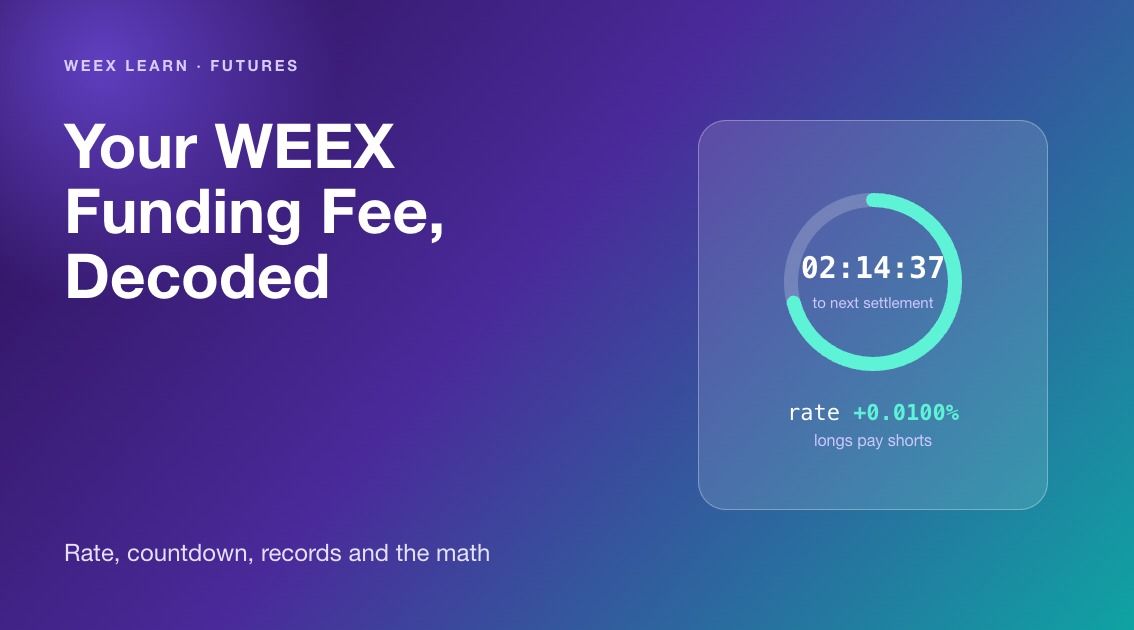
WEEX Funding Fee Explained: Rate, Countdown, Records and Math
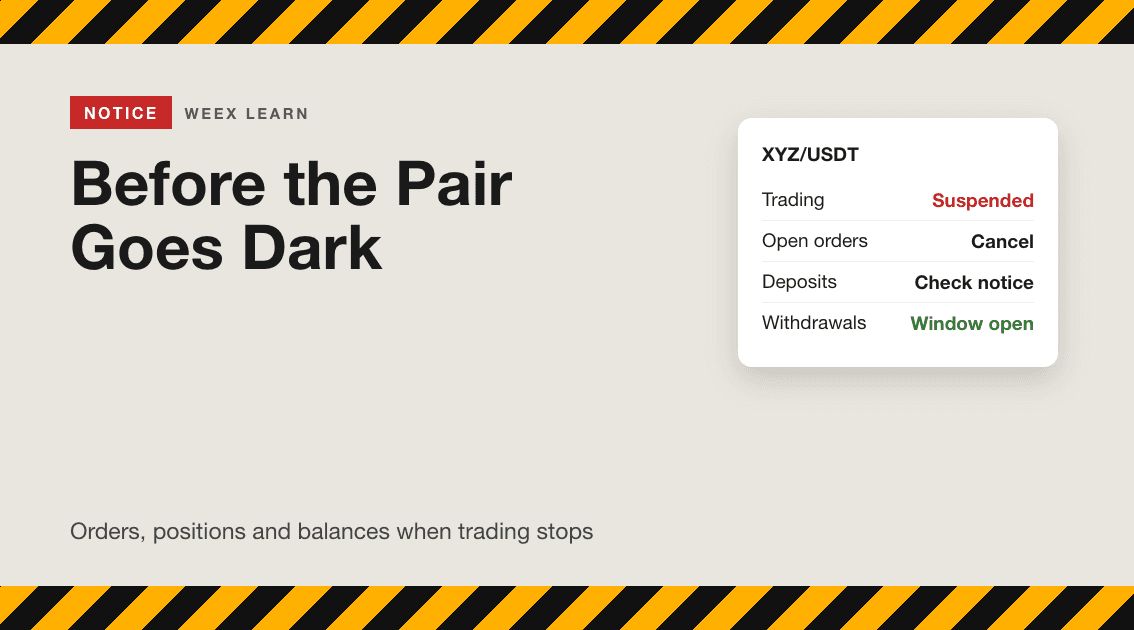
WEEX Trading Pair Suspended or Delisted? Your Orders and Assets
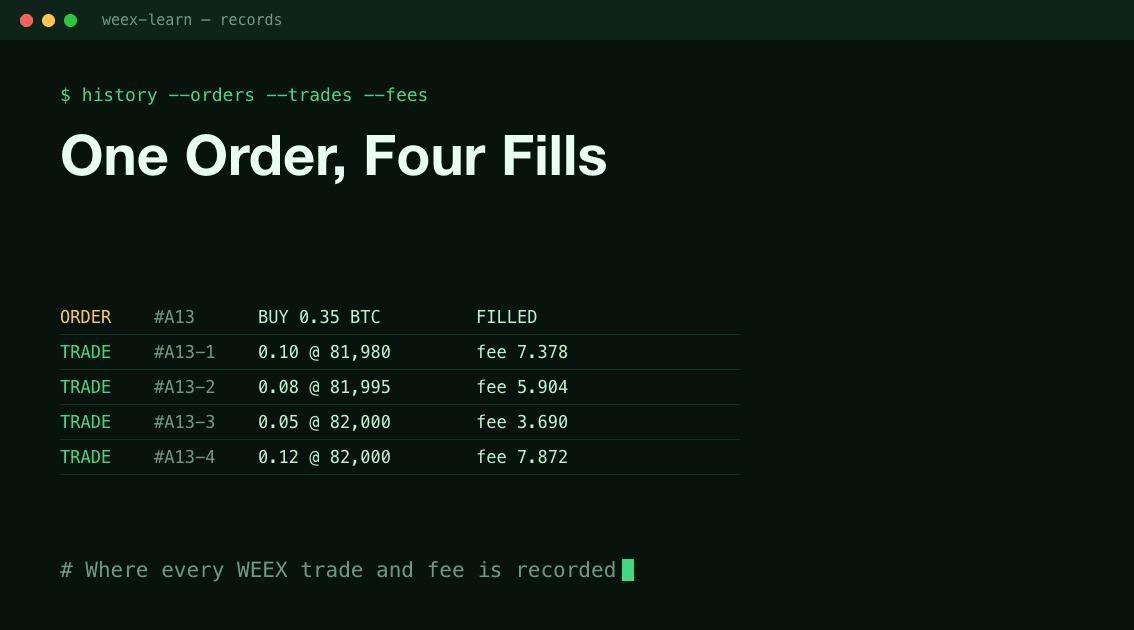
WEEX Order History: How Orders, Fills and Fees Fit Together
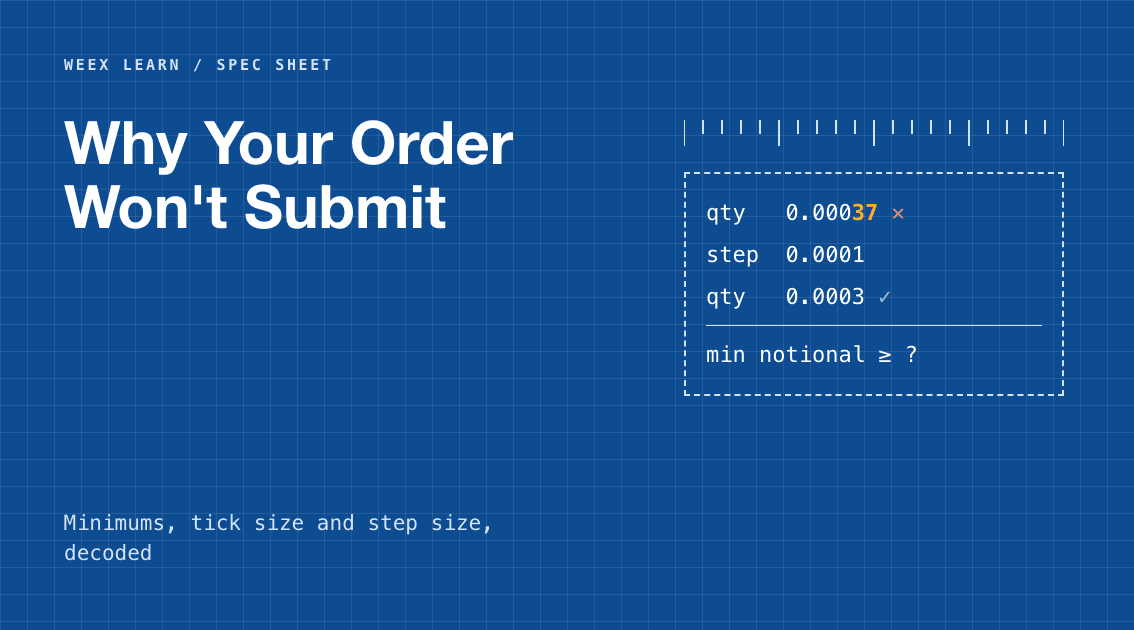
WEEX Minimum Order Size Errors Explained With Rounding Examples
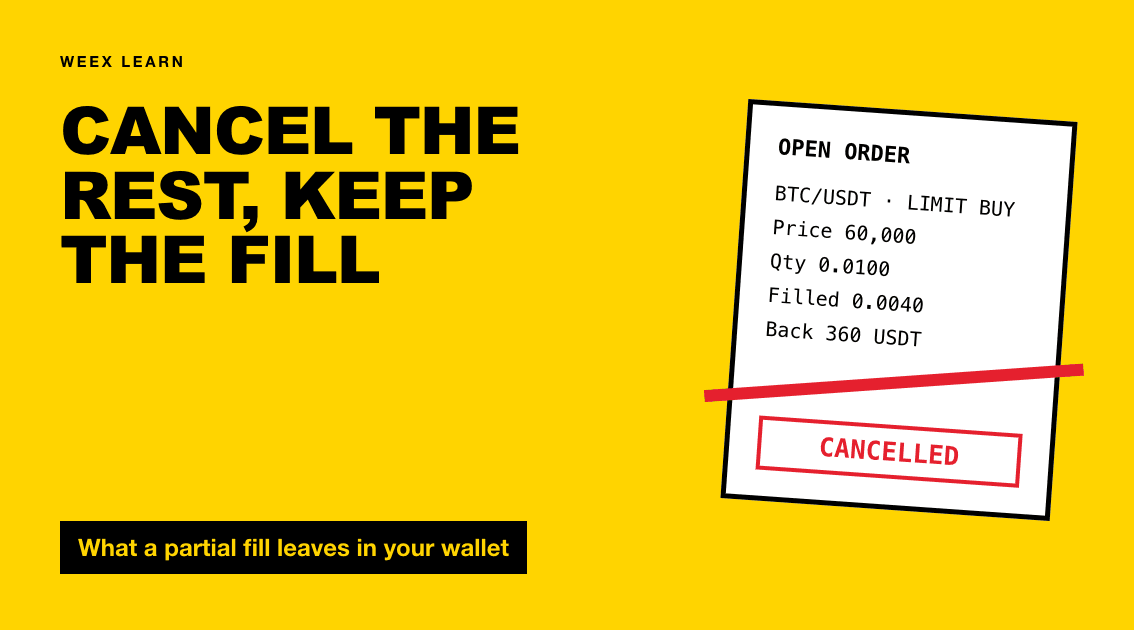
Cancel WEEX Spot Order: What Returns to Your Balance and When
WEEX Limit Order Not Filled? Read the Book, Then Fix the Order
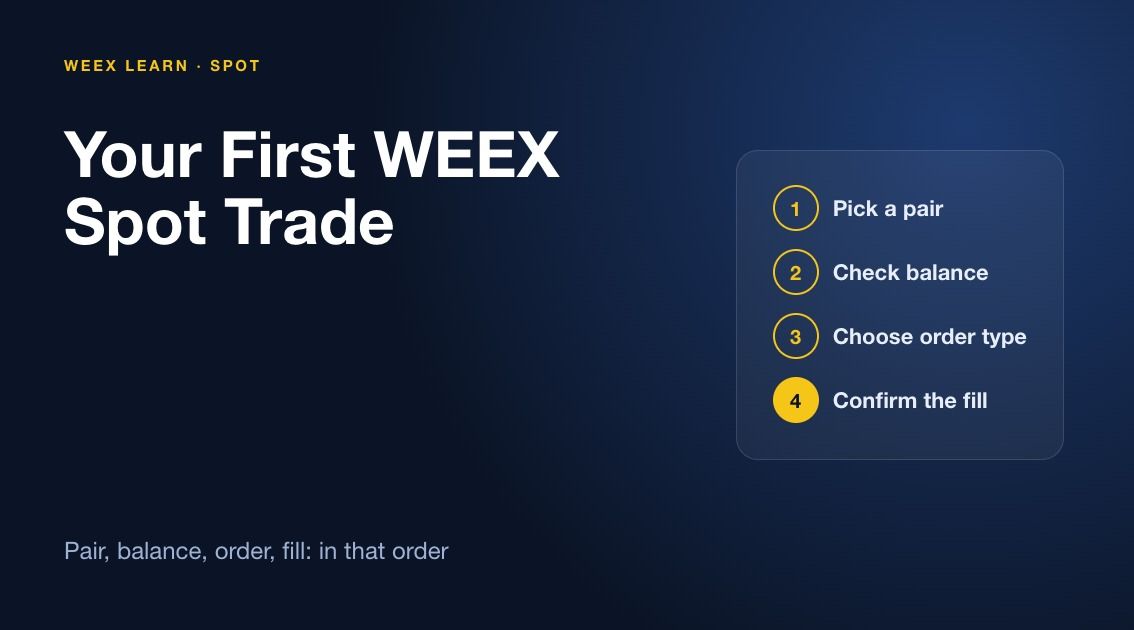
How to Spot Trade on WEEX: From Pair Choice to a Confirmed Fill
How to Convert ETH to USDT on WEEX: Step-by-Step Guide
How to Convert USDT to BTC on WEEX: Step-by-Step Guide
How to Convert BTC to USDT: A Step-by-Step WEEX Guide
BTC Funding Rate and Open Interest: What Each One Measures and How to Read Them Together
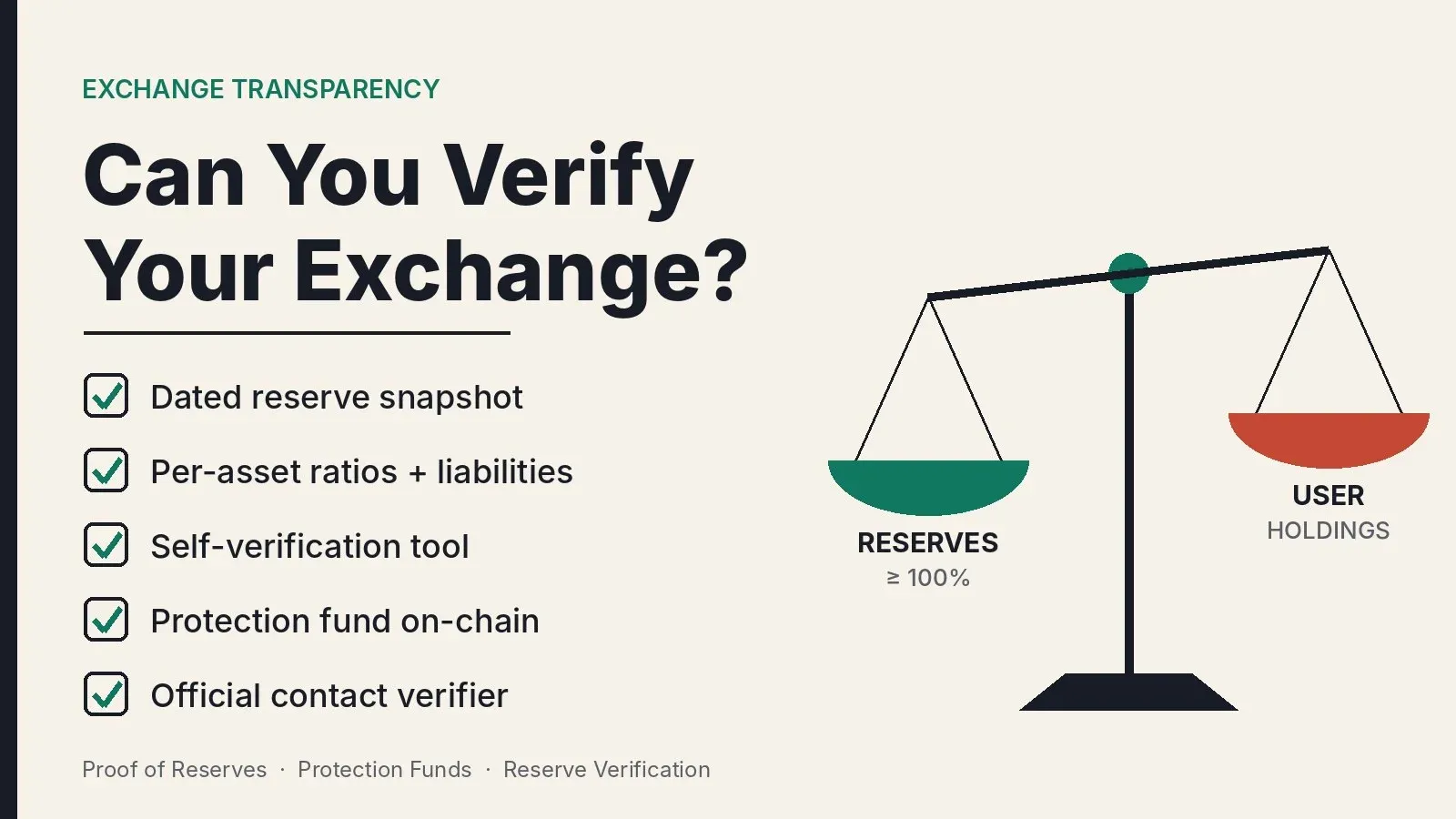
How Transparent Is a Crypto Exchange? Checking Proof of Reserves and Protection Funds
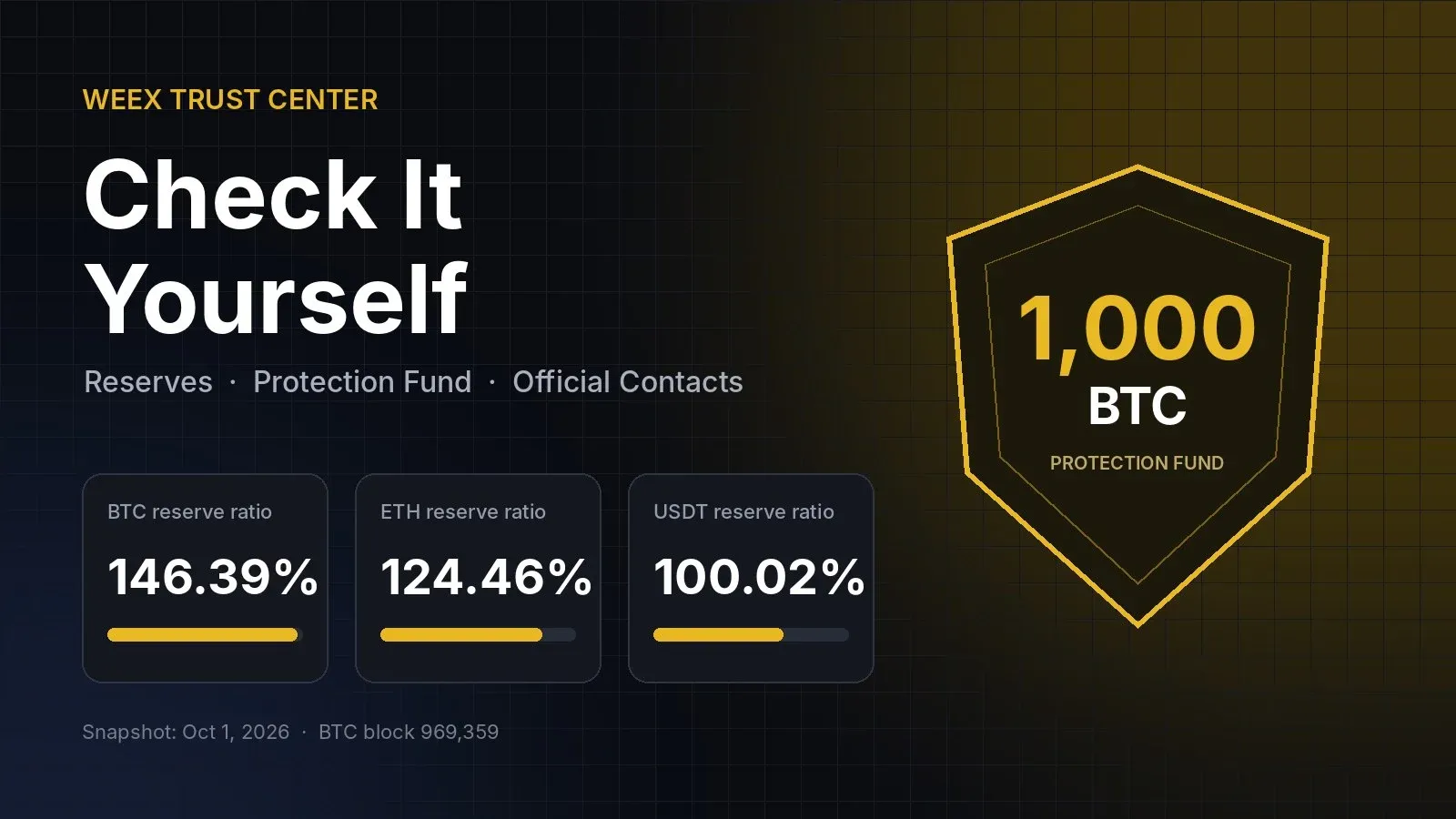
How to Use the WEEX Trust Center: Check Reserves, Protection Fund and Official Contacts
Crypto Leverage Trading Explained: How Perpetual Futures, Margin and Liquidation Work
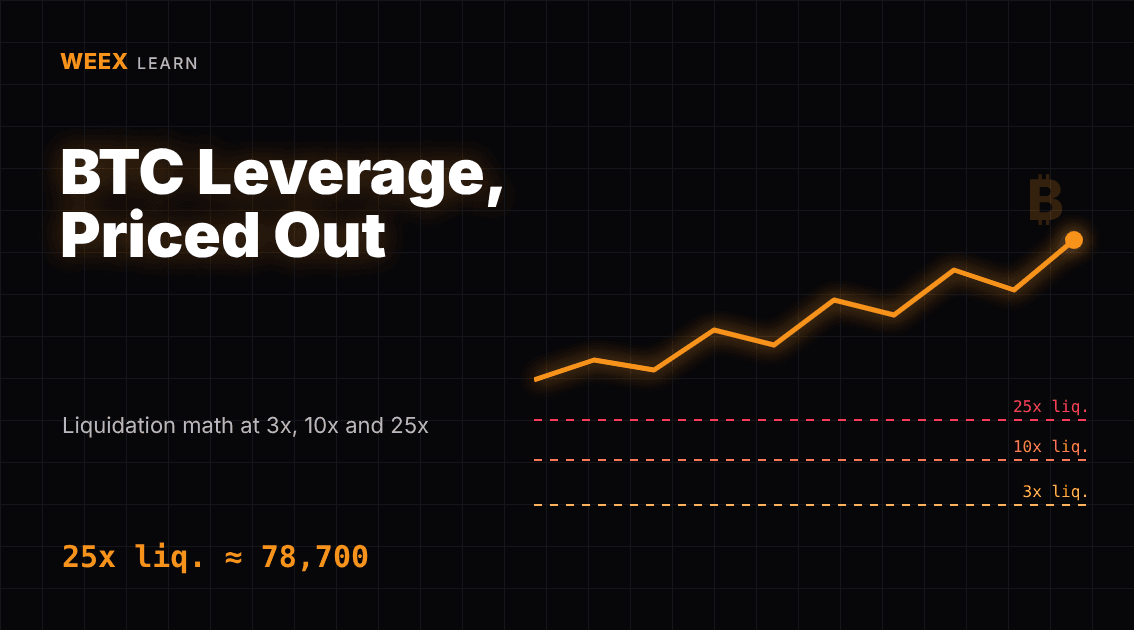
Bitcoin Margin Trading: BTC Liquidation Math at 3x, 10x and 25x
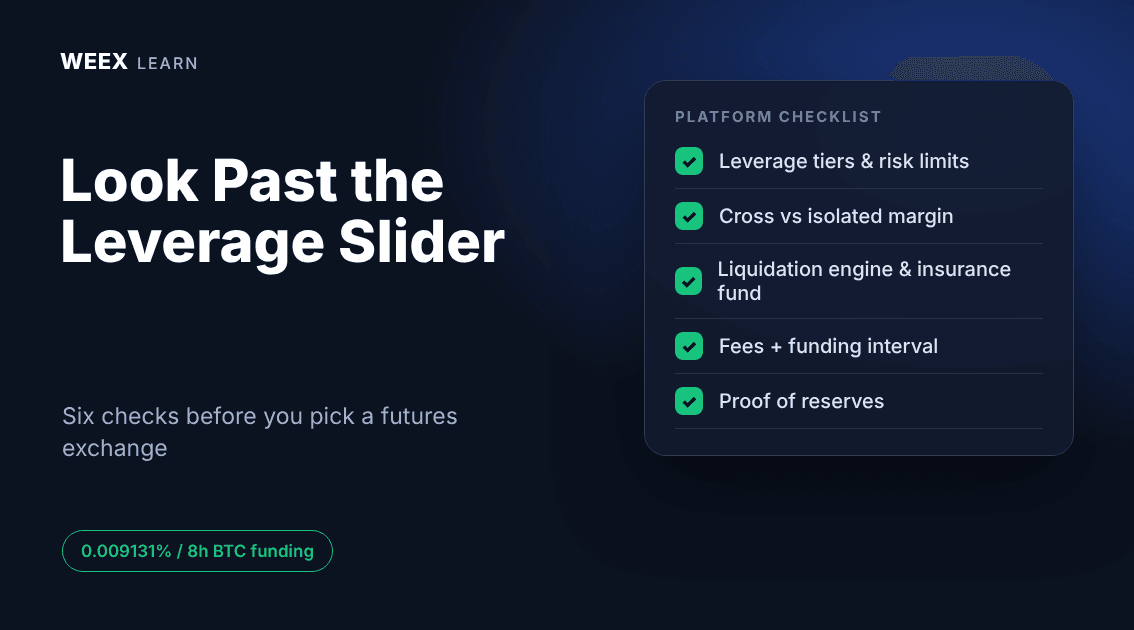
Crypto Leverage Trading Platform: 6 Checks Before You Deposit
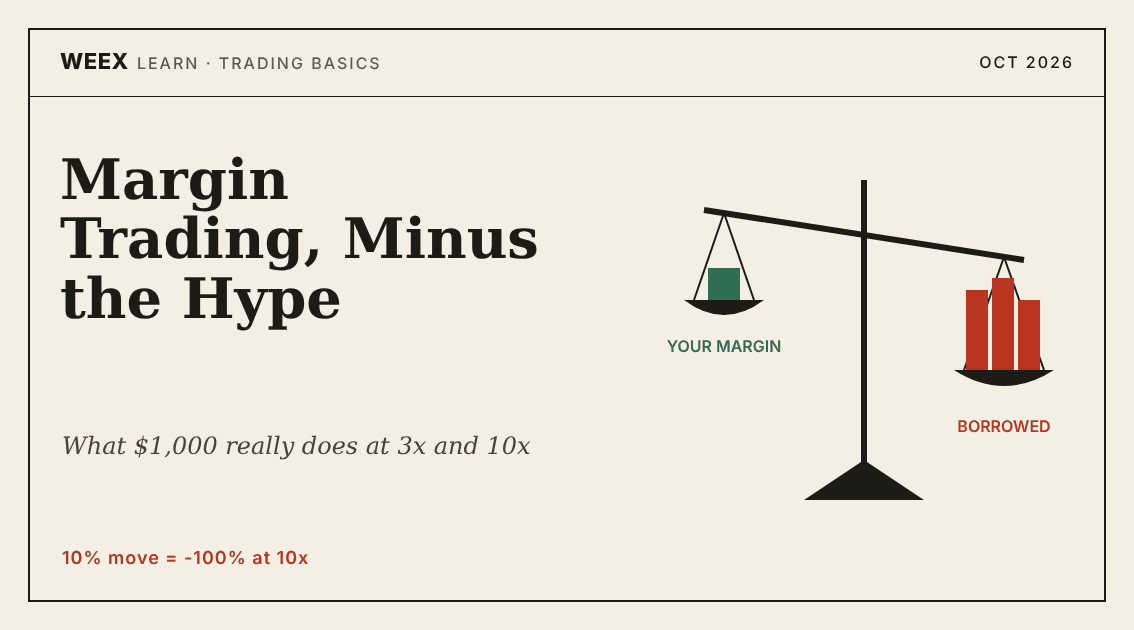
What Is Margin Trading? A $1,000 Example at 3x and 10x Leverage
NEAR Protocol HSP-029 Vote: Can a 36% Issuance Cut Affect NEAR Price?
Bitcoin and the US Midterms: A Trader's Checklist for Nov. 3-11
Crypto Liquidation Cascade: What the $1.57B Oct. 30 Flush Taught
Dutch 36% Crypto Tax: Why Wallets Get Taxed Differently From ETFs
Binance Proof of Reserves: What the Nov. 3 ZK Report Can Prove
MSCI vs Strategy: What the Nov. 11 Index Decision Means for BTC





