
What Is GRAM? Price Rebounds After Falling Below $1, Telegram Wallet Data and What Is Confirmed

 Prefer us on Google


GRAM rose about 6% in 24 hours to near $1.15 on November 11, 2026, after a pullback that took the token close to $0.99 earlier in the week, and no single confirmed cause explains the rebound.
The GRAM move coincided with reports of rising Telegram wallet activity and a quarterly report from TON Strategy, but the figures show that wallet creation and holdings are not the same thing. The sections below separate what is documented from what is interpretation.
What Is GRAM?
GRAM, formerly known as Toncoin, is the token of the TON network, which is closely tied to Telegram’s integrated wallet. CoinMarketCap’s AI summary also covers staking by TON Strategy, a company that holds a large amount of GRAM, and a TON Foundation goal of reaching 500 million users by 2028.
The 500 million figure is an ambition and not a guarantee, and the summary does not give dates for the infrastructure and developer tool work that Telegram has signaled. The summary is AI-generated and states that it can make mistakes, so its figures are best treated as a starting point to be checked against other sources.
How Far Did GRAM Fall, and Where Did It Rebound?
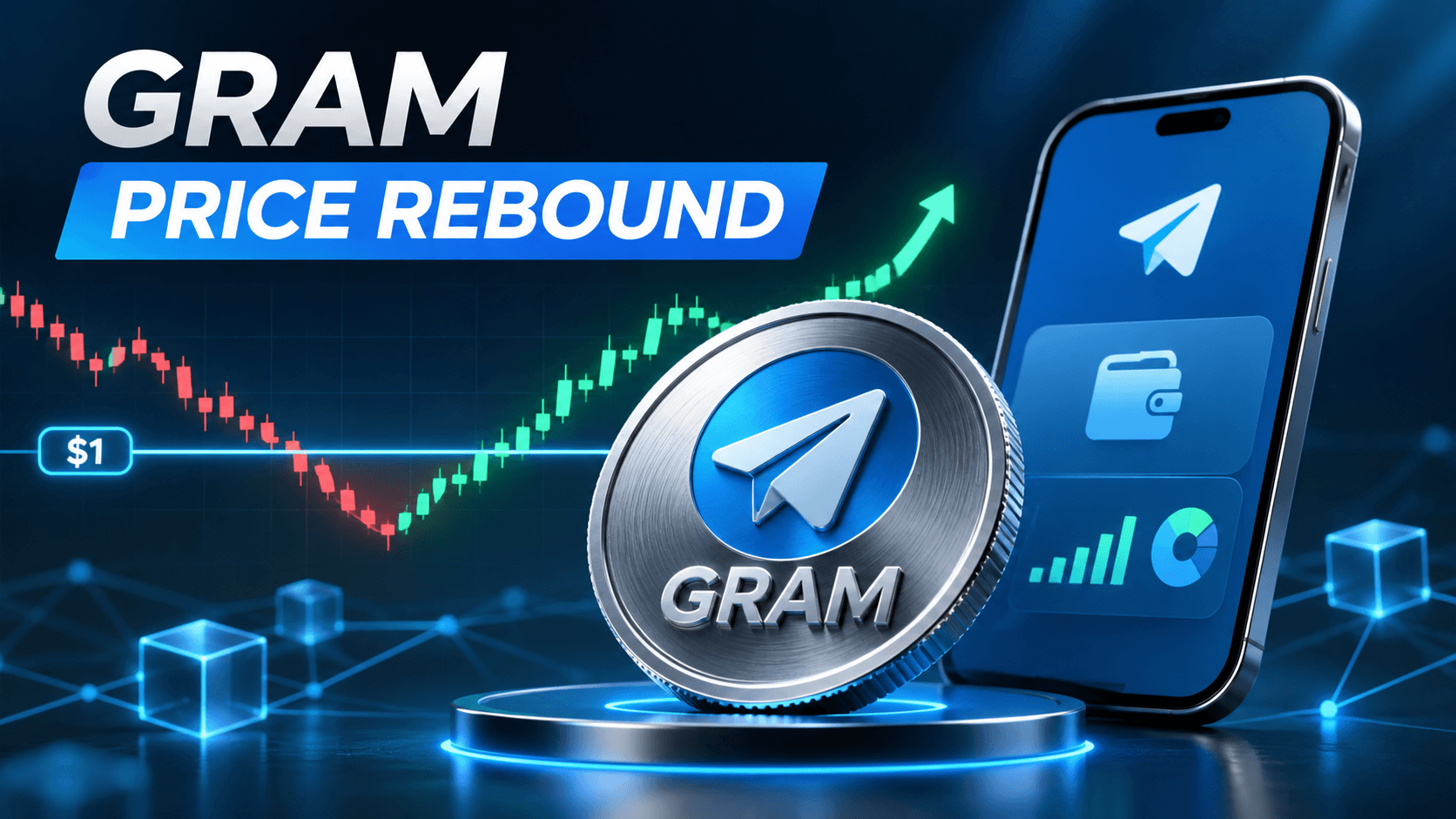
CoinMarketCap AI’s analysis showed GRAM at about $1.03 on November 9, down 1.57% that day, after the $1.05 level, a 23.6% retracement, was broken and selling followed. The analysis cited $1.02 as the next Fibonacci support and the recent swing low near $0.99, which is just under the $1 mark. It does not describe the dip below $1 in detail.
By 03:09 UTC on November 11, GRAM was at about $1.15, up 6.40% over 24 hours, and the 30-day change was still -20.03%. The figures differ between parts of the same page, with +6.23% in the header and $1.14 with +5.41% in the ticker, so the exact rebound depends on the snapshot time. A rebound of about 6% after a drop of roughly 20% over a month leaves GRAM well below where it traded a month earlier.
What Does Telegram Wallet Activity Show?
CoinMarketCap AI cited a report that Telegram’s native wallet launch led to more than 700,000 self-custodial wallets being created in 48 hours. It also cited more than 675,000 wallet transactions on November 9, up 59% from the previous day, while GRAM’s 24-hour trading volume rose 39.12%. The page presents wallet news as a plausible catalyst for attention and says it does not establish causation.
The balances tell a more cautious story. The same source reported that about 2.85 million Telegram Money wallets had been created by November 10, but only about 178,000 held balances, together holding about 1.73 million GRAM. That is roughly 6% of new wallets with a balance, so wallet creation is a measure of sign-ups and not of how much capital has moved into GRAM. The two wallet figures also come from different reports and time periods and should not be added together.
-- Price
What Did TON Strategy Report?
On November 10, TON Strategy reported third-quarter revenue of $13.1 million, down from $15 million in the second quarter, and a net loss of $24 million. The loss included a $27.2 million unrealized loss on GRAM, which reflects the lower token price over the period and not a cash outflow.
TON Strategy holds about 235.1 million GRAM, of which about 232.9 million is staked at roughly 16% gross annualized yield. The report shows how large the company’s exposure to GRAM is and that its results move with the token’s price. It does not show new buying, and it is not evidence that demand for GRAM is rising.
Is the Rebound Coin-Specific or Market-Driven?
On November 11, Bitcoin fell about 1.41% while GRAM rose, so the rebound looks coin-specific and not a market-wide move. CoinMarketCap AI listed the Crypto Fear & Greed Index at 26 out of 100, which is in the fear range. Its November 9 notes tied GRAM’s earlier decline to Bitcoin’s decline and to spot ETF outflows, so the token has also followed the broader market on the way down.
No source reviewed identifies a single confirmed cause for the rebound. Attention from the wallet rollout, a bounce from a support area and short-term trading flows are all possible, and none is proven. CoinMarketCap AI also noted that a large token unlock is scheduled for February 2027, which is outside this article’s window but is part of the longer-term supply picture.
What Should Readers Watch Next?
The first item is whether new Telegram wallets keep balances and stay active, since the share with balances was only about 6% in the latest figures. The second is whether TON Strategy discloses any change in its holdings or staking in later reports. The third is how GRAM behaves around the levels cited in CoinMarketCap AI’s analysis, which listed a daily pivot near $1.11, resistance around $1.17 and $1.22, and support around $1.09 and then the swing low near $0.99.
Those levels are an analyst-style reading and not a forecast. Support and resistance levels describe where price has reacted before, and they can be broken in either direction. Because the page’s own figures differ between sections, any price used in a decision should come from a live source with its timestamp.
How Can GRAM Be Followed on WEEX?
Readers who want to follow GRAM can use the GRAM/USDT spot page to trade GRAM directly. Prices on those pages update continuously and differ from the snapshots above, which were taken on November 9 to 11, 2026.
WEEX is also running the Lucky Eggs campaign until November 25, 2026, which rewards contract trading volume with egg-opening chances, and abusive activity such as wash trading voids rewards. Contract trading carries risk, including liquidation when leverage is used, so fees, leverage and live prices should be checked before placing orders. Nothing in this article is investment advice.
Conclusion
GRAM rebounded about 6% to near $1.15 on November 11 after trading close to $0.99 earlier in the week, and it is still down about 20% over 30 days. Telegram wallet activity and TON Strategy’s results are the main reported developments, but only about 6% of new wallets hold balances, and the TON Strategy report shows exposure to the token and not new demand. No single confirmed cause explains the rebound, and the figures should be read with their timestamps.
FAQ
1. Why did GRAM rebound on November 11, 2026?
GRAM rose about 6% to near $1.15 while Bitcoin fell about 1.41%. No single cause is confirmed. Telegram wallet activity and a bounce from a support area are possible factors, but neither is proven.
2. Did GRAM fall below $1?
CoinMarketCap AI’s analysis cited a recent swing low near $0.99 after the $1.05 level was broken on November 9, which is just under $1. The page does not describe the dip in detail.
3. What is GRAM?
GRAM, formerly Toncoin, is the token of the TON network, which is closely tied to Telegram’s integrated wallet.
4. Does Telegram wallet growth mean more demand for GRAM?
Not necessarily. About 2.85 million wallets were created, but only about 178,000 held balances, which is roughly 6%. Wallet creation shows sign-ups and not how much capital has moved into GRAM.
5. What did TON Strategy report?
On November 10, TON Strategy reported third-quarter revenue of $13.1 million, a net loss of $24 million including a $27.2 million unrealized loss on GRAM, and holdings of about 235.1 million GRAM, with about 232.9 million staked.
This content is provided for general informational purposes only and doesn't constitute financial, investment, legal, or tax advice. Any events, rewards, online promotions, or related information mentioned herein should not be considered a recommendation, solicitation, or invitation to purchase, sell, trade, or otherwise deal in any crypto assets. Crypto assets are highly volatile and may result in loss. The availability of WEEX services, products, and related events may vary by region. You are responsible for ensuring that your participation is in accordance with applicable local laws and regulations.
You may also like
How to Buy USOE? What DEX Access Involves, Which Wallet and Contract Risks Apply and What an Exchange Listing Would Require
Binance Incident Report: How the Attack Chain Worked and What to Check
NEAR Protocol HSP-029 Vote: Can a 36% Issuance Cut Affect NEAR Price?
What Is United States Dividend Fund (USDF)? October Launch Claims and Token Identity Checks
Is Your Crypto Wallet Safe? How to Verify Security Alerts and Spot Phishing
Best Crypto Leverage Trading Platform: Things to Compare Before You Choose an Exchange
Is RSI a Good Indicator? How the Relative Strength Index Works, Its Limits and How Traders Use It
Bitcoin Price After Hot CPI: Why BTC Is Pinned Near $82,000
CoreWeave Stock Plunges 15%: Why a Bond Yield Spooked CRWV
WEEX 2026 New User Guide: Register, Complete KYC, and Claim the Welcome Bonus (Step-by-Step)
WEEX Convert Guide: How to Swap Crypto on Web and App and What the Quote Really Means
Best Crypto Platform for Beginners: Pick by Goal, Not Brand
Best Cold Wallet Crypto for Beginners: 5 Picks Under $150
Best Crypto Broker for Beginners: What to Check in Fees, Regulation, Security and Support Before You Deposit
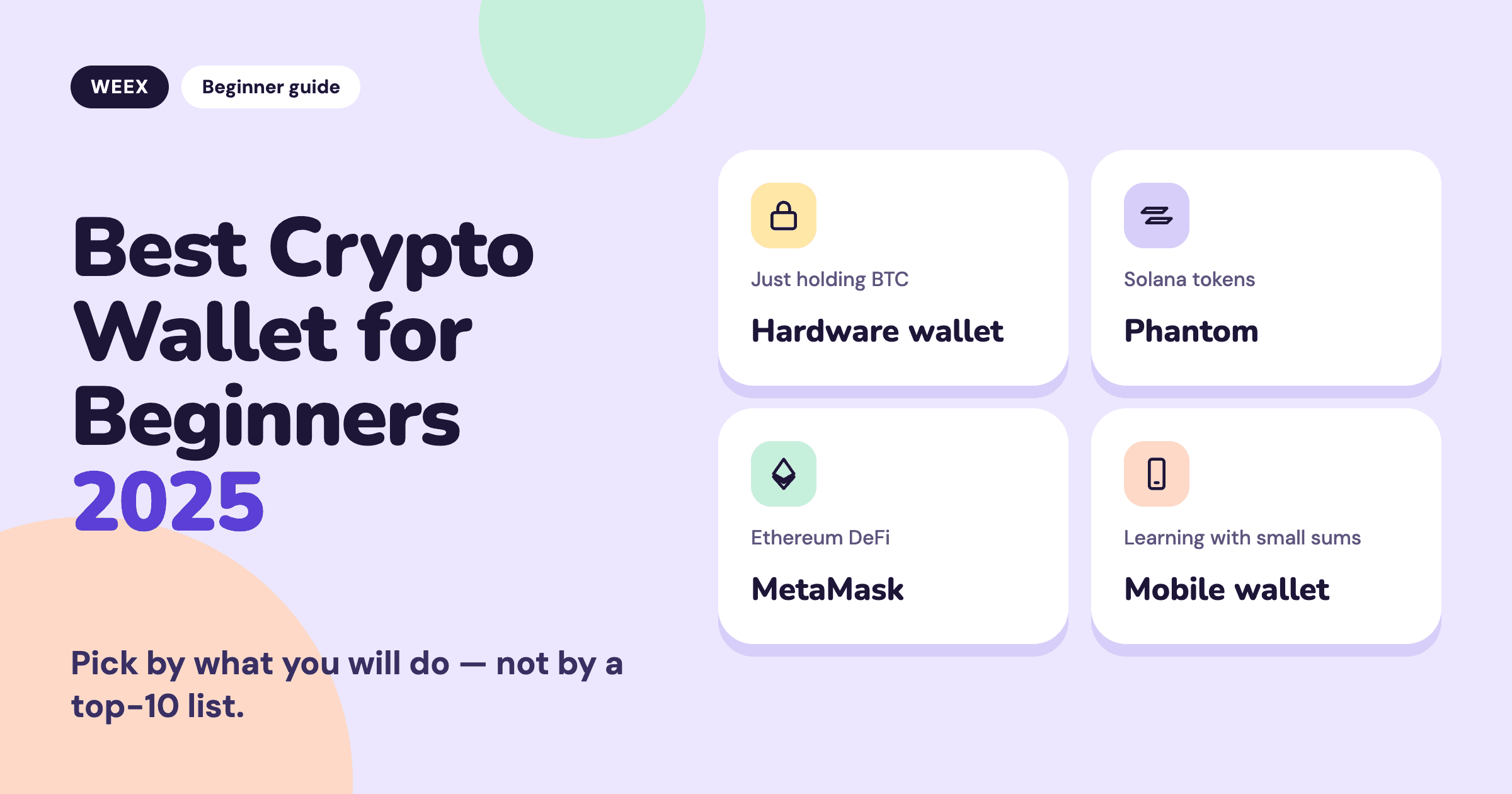
Best Crypto Wallet for Beginners 2025: Pick by What You Will Do
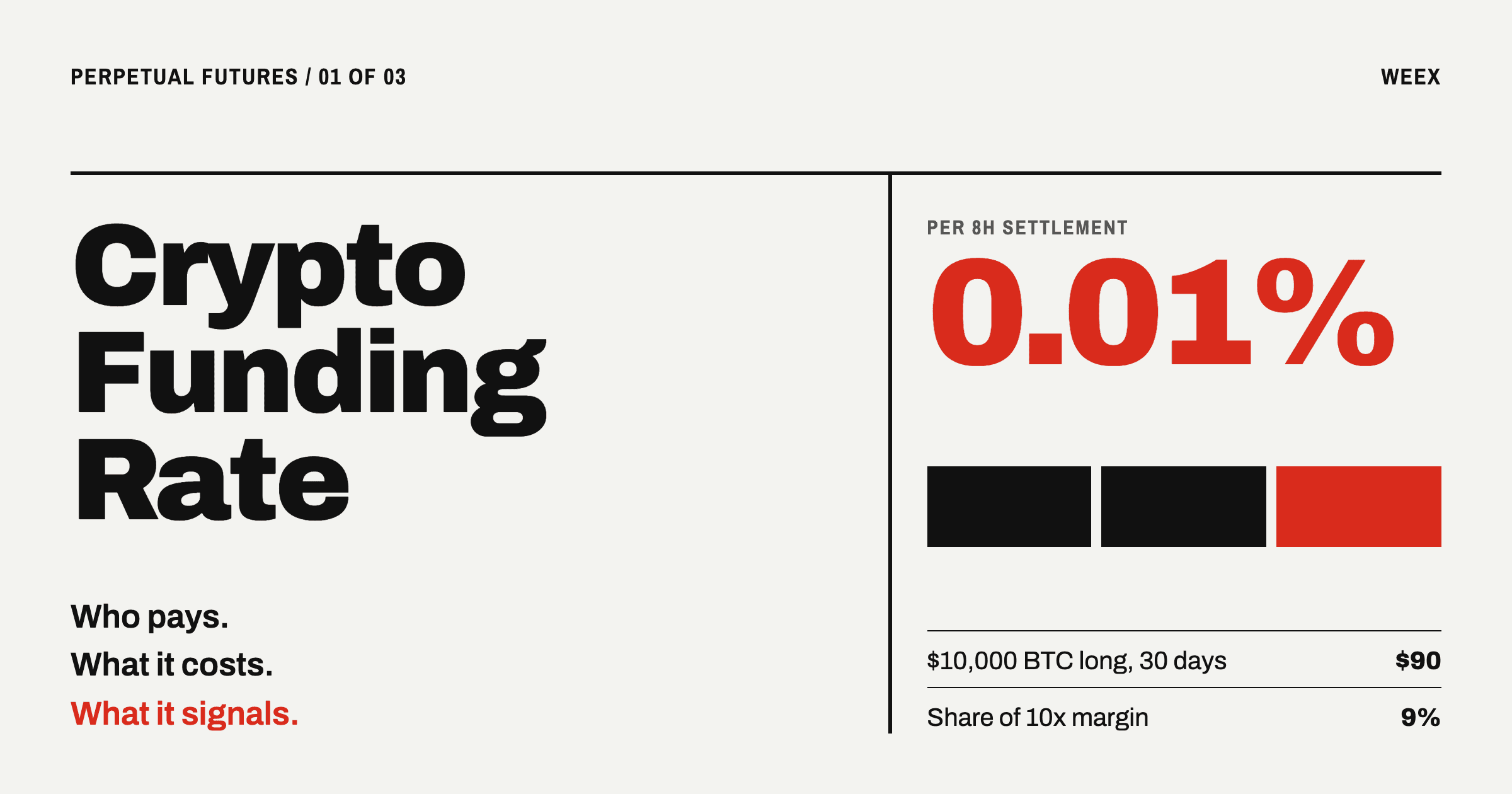
Crypto Funding Rate: Who Pays, What It Costs, What It Signals

How to Use an APR Boost on WEEX Auto Earn Without Wasting It
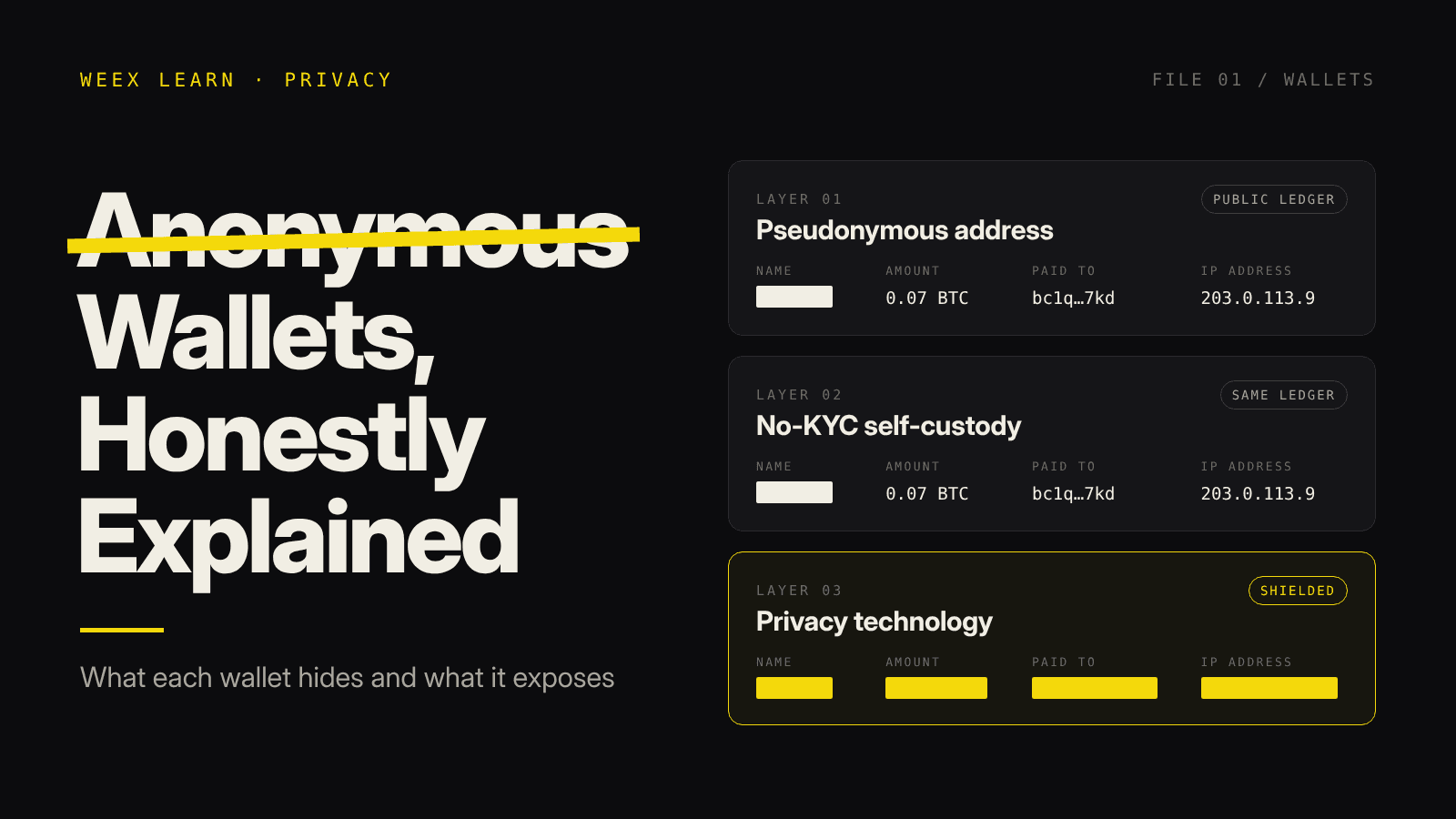
Anonymous Crypto Wallet: What Each One Hides and Where It Fails
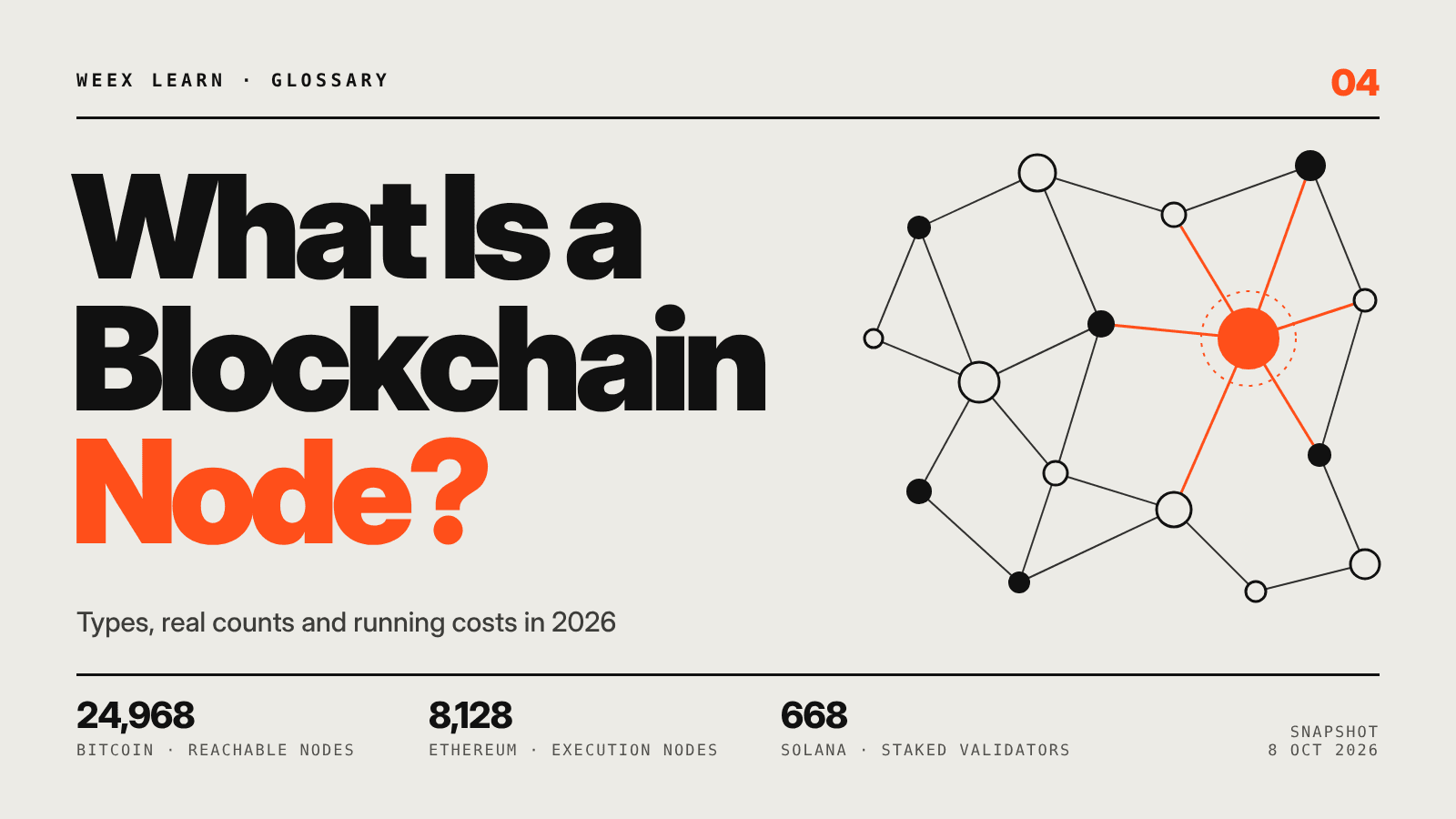
What Is a Blockchain Node? Types, 2026 Counts, and Real Costs
Taiwan Stock Market Nears 50,000: Can the TAIEX Break the Milestone After the Holiday?
How to Buy USDT in Thailand: Payment Methods, Fees and Transfer Checks
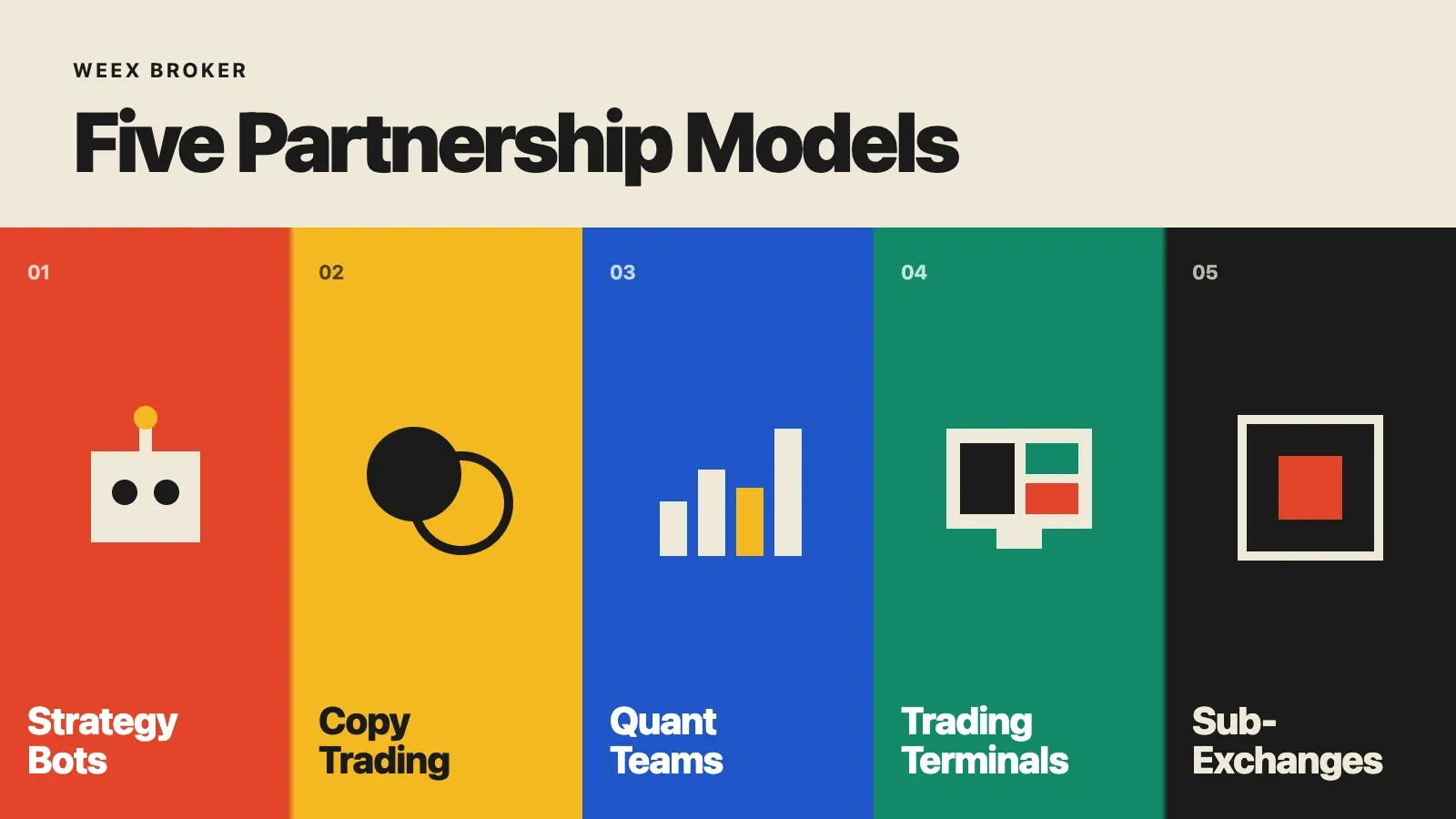
WEEX Broker Models: Strategy Bots, Copy Trading and Sub-Exchanges
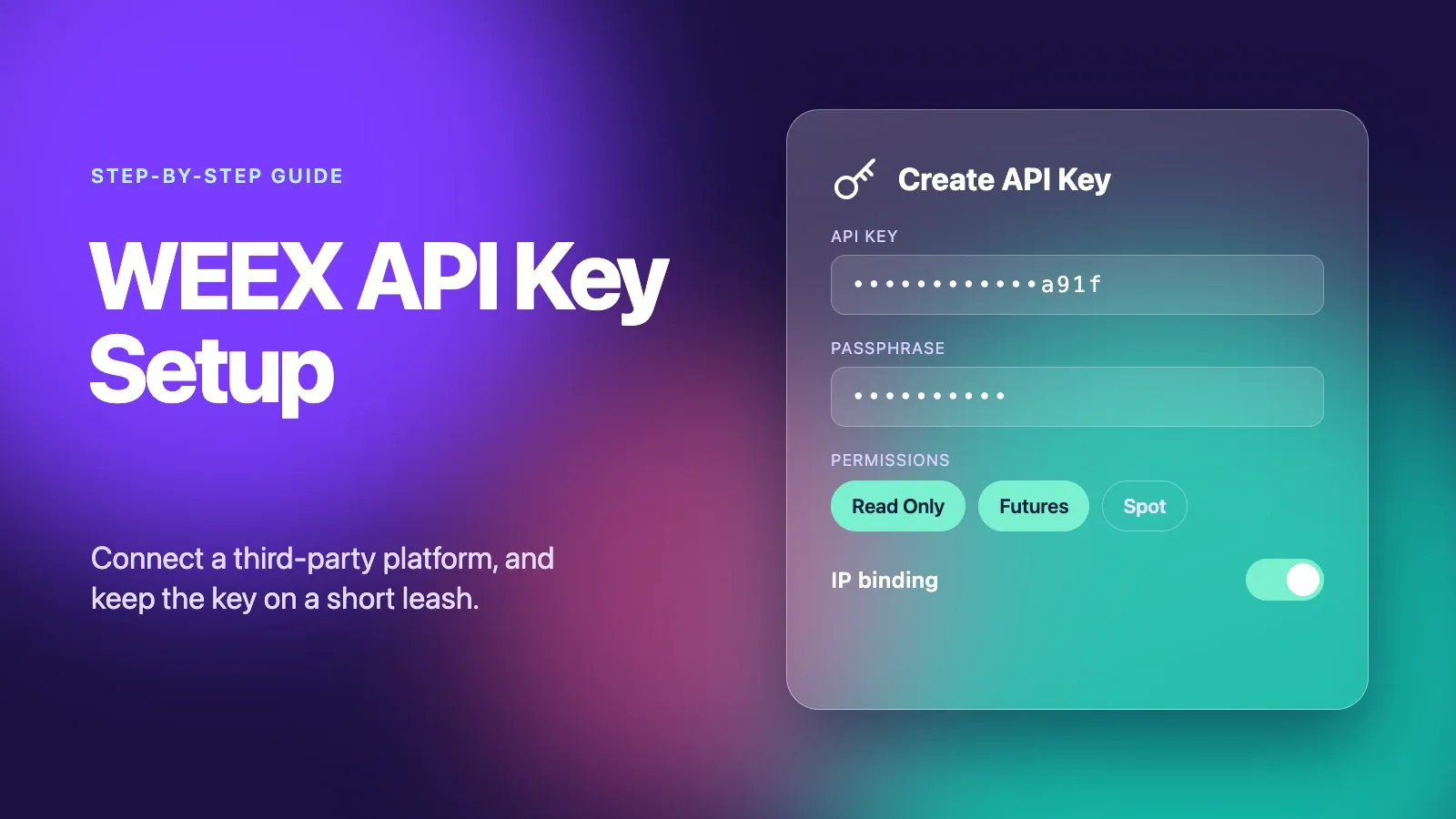
WEEX API Key Setup: How to Connect a Third-Party Platform Safely
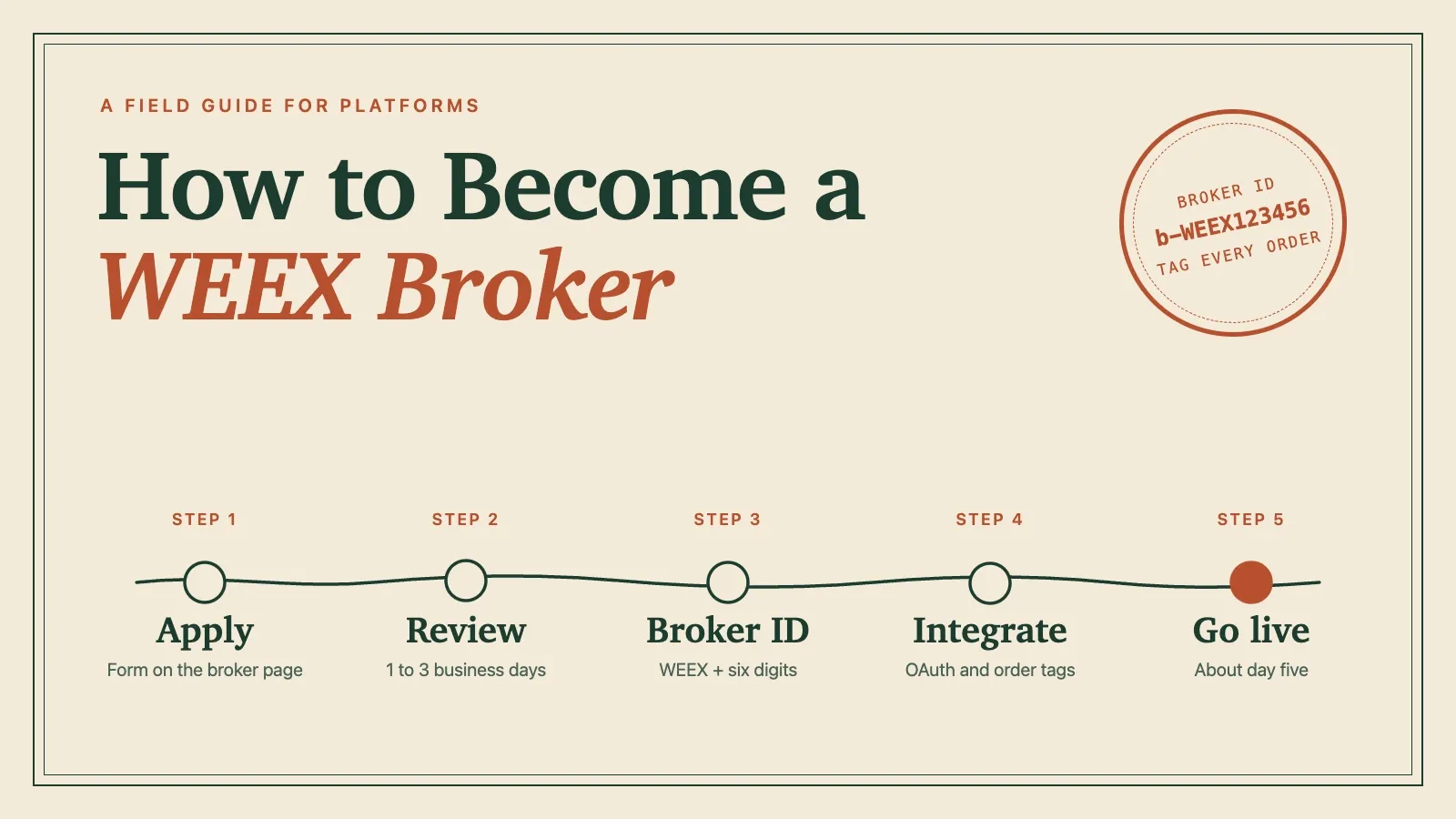
How to Become a WEEX Broker: Application, API Setup and Go-Live
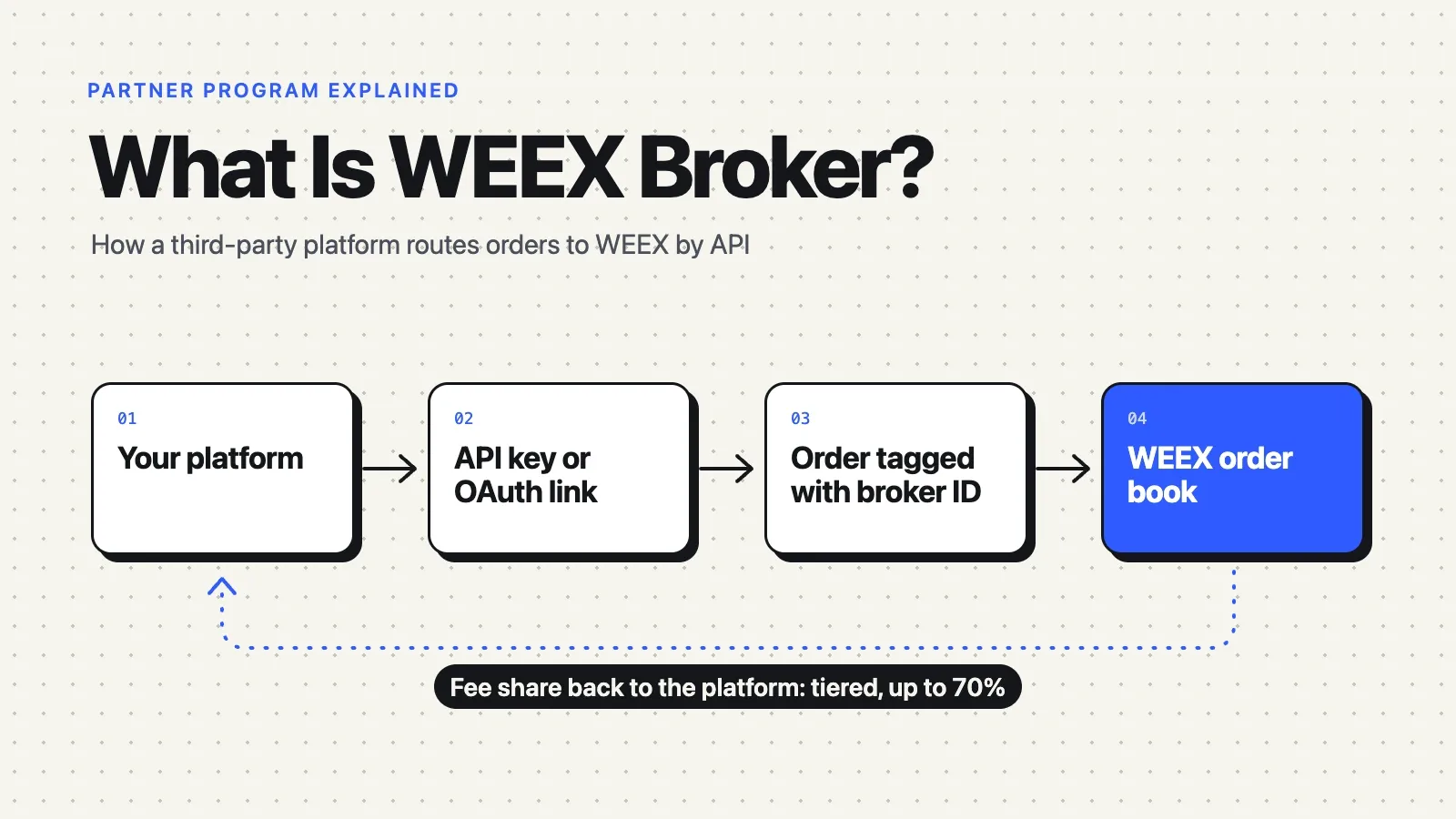
What Is WEEX Broker? API Program, Commissions and How It Works
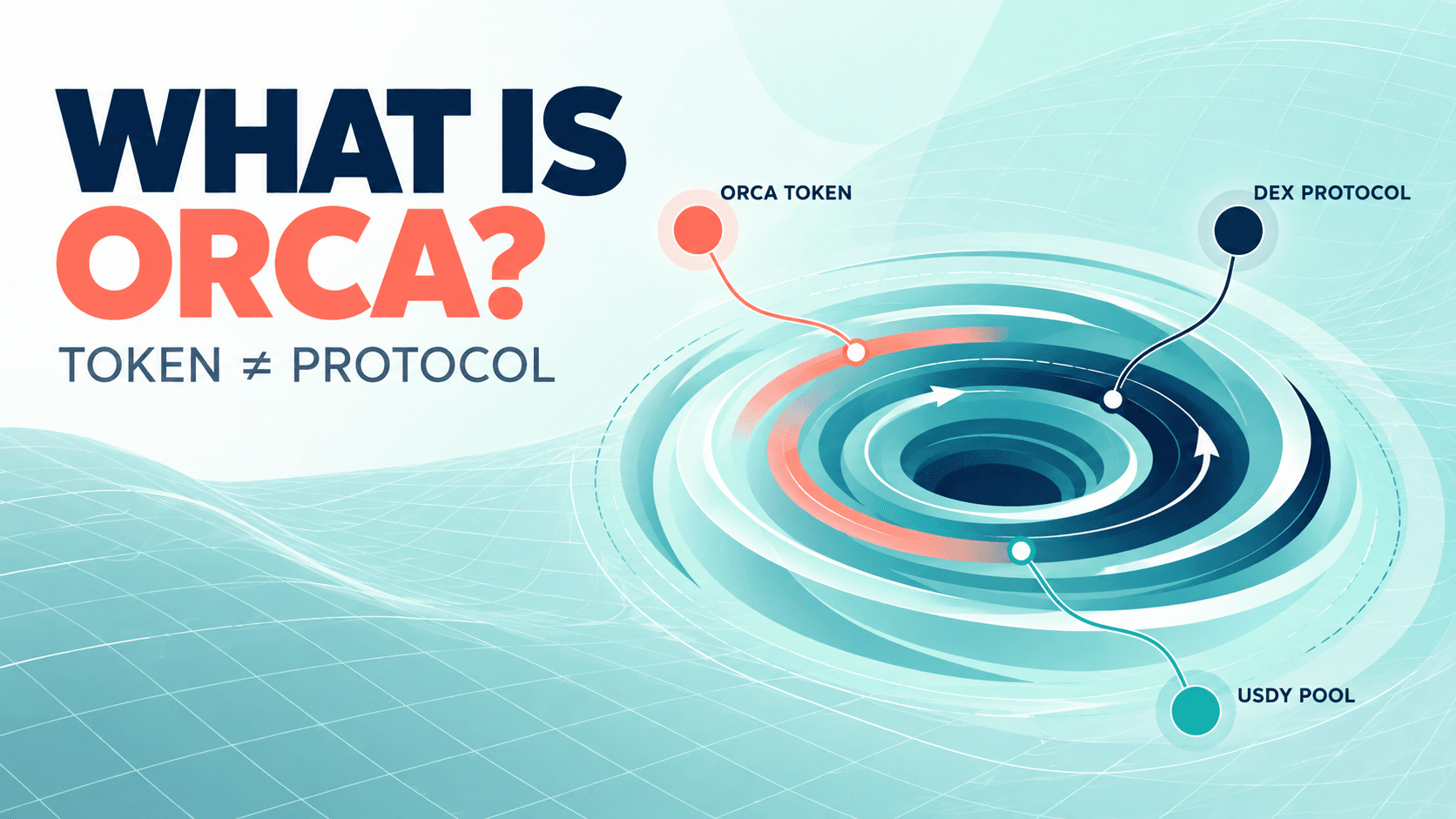
What Is Orca (ORCA) Crypto? The Solana DEX, USDY Liquidity, and the ORCA Name Confusion
WEEX TOKEN2049 Day 1 Live Preview: Booth, MBTI and AI Demo
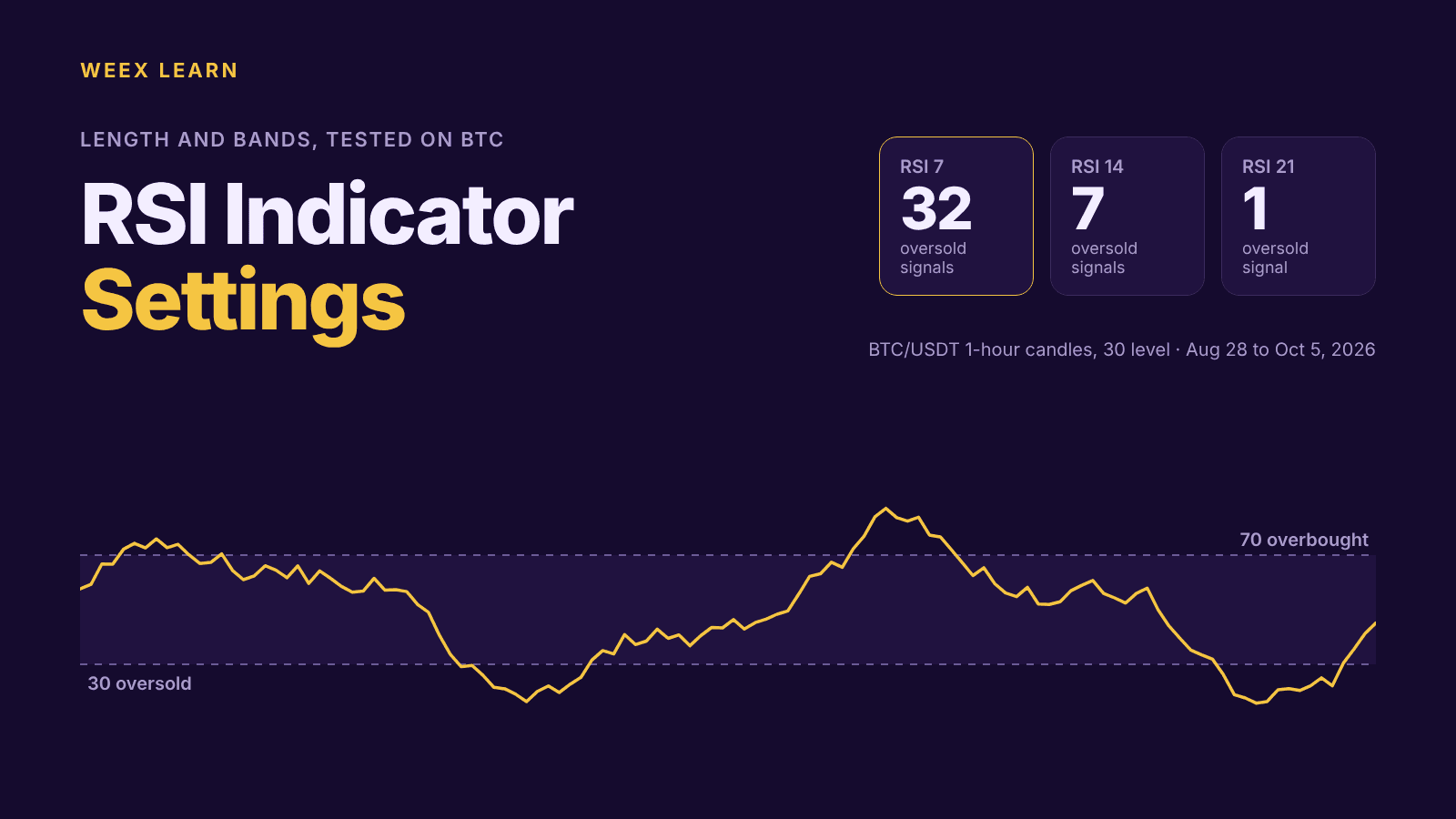
RSI Indicator Settings: What 7, 9, 14 and 21 Did on BTC Charts
Best Crypto Apps for Beginners: The Five Features That Actually Matter on Your Phone
Stock Market Crash Risk in 2026: The Warning Signs Worth Watching
How to Buy USOE? What DEX Access Involves, Which Wallet and Contract Risks Apply and What an Exchange Listing Would Require
Binance Incident Report: How the Attack Chain Worked and What to Check
NEAR Protocol HSP-029 Vote: Can a 36% Issuance Cut Affect NEAR Price?
What Is United States Dividend Fund (USDF)? October Launch Claims and Token Identity Checks
Is Your Crypto Wallet Safe? How to Verify Security Alerts and Spot Phishing
Best Crypto Leverage Trading Platform: Things to Compare Before You Choose an Exchange





