
What Is Magma Finance (MAGMA) and How Does It Work?

 Prefer us on Google
What Is Magma Finance (MAGMA)?
Magma Finance is a next-generation decentralized liquidity protocol developed on the Sui blockchain, designed to address long-standing inefficiencies in decentralized finance. Unlike conventional automated market makers (AMMs) that passively distribute liquidity across wide price ranges, Magma introduces an Adaptive Liquidity Market Maker (ALMM) system enhanced by an off-chain artificial intelligence engine. This architecture actively concentrates capital in the most frequently traded price zones, dynamically adjusting positions in response to real-time market activity.
The protocol tackles core DeFi challenges such as liquidity fragmentation, high slippage, and suboptimal capital utilization. By implementing adaptive liquidity “bins” and continuously rebalancing funds, Magma ensures that a higher proportion of deposited assets remain actively earning fees. Additionally, it incorporates variable swap fees that adjust based on market volatility—offering higher compensation to liquidity providers during turbulent periods while maintaining competitive rates in stable conditions.
Governance and incentive alignment are central to Magma’s design. The protocol employs a ve(3,3) tokenomics framework, encouraging users to lock their MAGMA tokens to gain voting rights and participate in fee sharing. This structure aims to foster long-term engagement and coordinated growth among stakeholders. Backed by significant venture funding and recognized within the Sui ecosystem, Magma positions itself not merely as another decentralized exchange, but as an intelligent liquidity coordination layer for the broader network.
How Magma Finance (MAGMA) Works?
Magma Finance operates through an Adaptive Liquidity Market Maker (ALMM) that restructures liquidity provision into discrete, price-specific bins. Only one bin is active at any given time, concentrating trading activity to minimize slippage. An off-chain AI engine monitors market conditions and automatically reallocates liquidity to the most relevant price zones, ensuring capital remains productive without requiring manual intervention from users.
- Liquidity Bins: Capital is segmented into fixed-price intervals, enabling near-slippage-free execution for trades within the same bin.
- AI-Driven Rebalancing: Machine learning algorithms continuously analyze trading patterns and volatility to optimize bin placement and capital efficiency.
- Dynamic Fee Mechanism: Transaction fees are adjusted in real time based on market conditions—higher during volatility to reward liquidity providers, lower during calm periods to attract volume.
- Cross-DEX Routing & MEV Mitigation: The protocol intelligently routes orders across Sui-based exchanges while implementing protections against front-running and sandwich attacks.
- Permissionless Market Creation: Users can permissionlessly launch new trading pairs, enhancing ecosystem composability and accessibility.
- Sui Network Foundation: Built on Sui’s high-throughput, low-latency blockchain, the protocol supports the rapid execution required for real-time liquidity management.
Magma Finance (MAGMA) Tokenomics
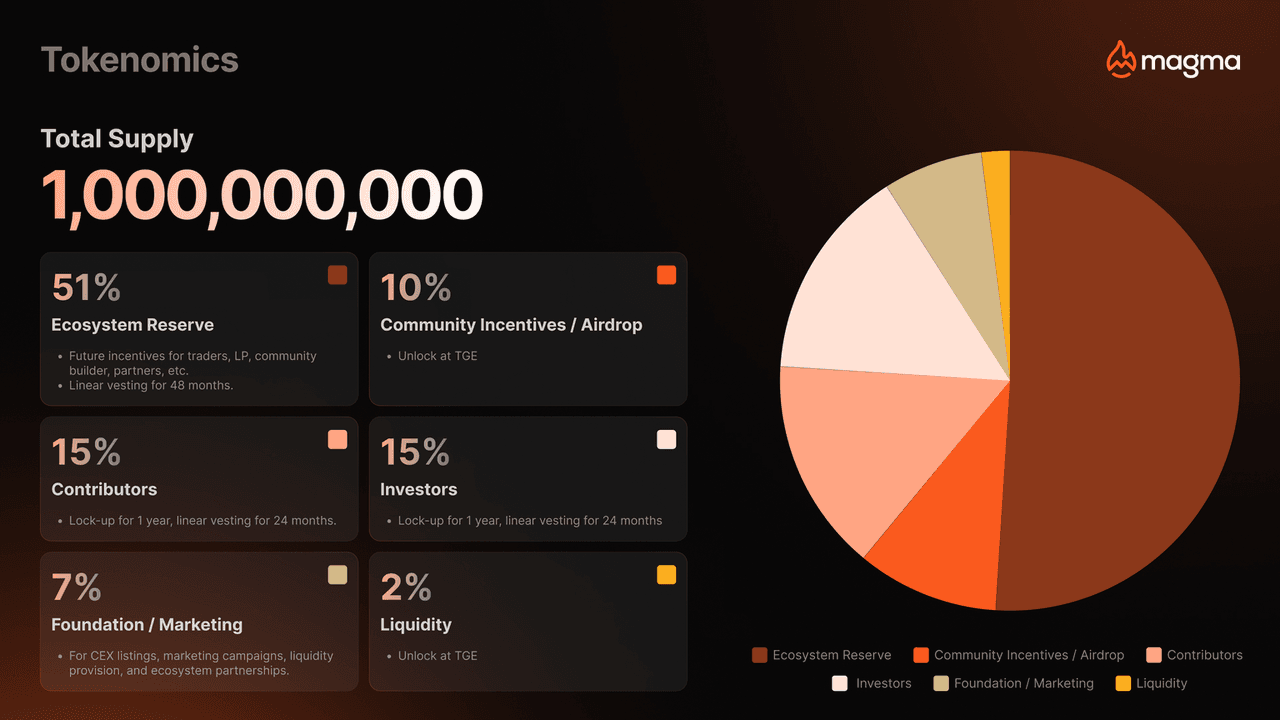
The Magma Finance (MAGMA) token functions as the central governance and utility asset within the Magma Finance ecosystem. Holders can lock their tokens to receive veMAGMA—a non-transferable governance token that confers voting power, reward amplification, and a share of protocol fees. This ve(3,3) model is designed to incentivize long-term alignment and reduce speculative selling pressure.
MAGMA has a fixed total supply of 1 billion tokens. Liquidity providers and active participants earn oMAGMA—a redeemable claim token that can be converted into MAGMA via fee payment or transformed into veMAGMA at a preferential rate. This redemption mechanism delays sell pressure and encourages deeper user integration. Protocol emissions follow a predictable, decreasing schedule, aiming to balance incentive distribution with long-term token scarcity.
-- Price
MAGMA Airdrop: Everything You Should Know
Magma Finance structured its airdrop to reward early contributors while encouraging sustained ecosystem participation. Eligible users—including testnet participants, referral program members, and community advocates—received oMAGMA, a redeemable claim token representing the right to acquire MAGMA at a discount. To convert oMAGMA into MAGMA, users must either pay a redemption fee or commit to locking tokens as veMAGMA, which offers a more favorable conversion rate.
This design intentionally delays token liquidity, reduces immediate sell-side pressure, and promotes long-term staking and governance involvement. The MAGMA token officially entered circulation on December 16, 2025, with the airdrop acting as a strategic onboarding tool rather than a one-time distribution event.
Magma Finance (MAGMA) Token Price Prediction
MAGMA enters the market amid growing interest in AI-enhanced DeFi solutions and the expanding Sui blockchain ecosystem. In the short term, price dynamics will likely be influenced by speculative trading, initial circulating supply constraints, and overall market sentiment. With a significant portion of the total supply initially locked or subject to gradual emission, early scarcity could support price appreciation if demand outpaces available liquidity.
However, built-in economic mechanisms may help stabilize volatility over time. The oMAGMA redemption process moderates airdrop-related selling, while decreasing emission schedules aim to reduce inflationary pressure. Should the protocol attract meaningful trading volume and liquidity provider participation, demand for veMAGMA could increase as users seek governance influence and enhanced rewards. While price movement remains speculative, MAGMA’s tokenomics—combined with its technological differentiation and ecosystem positioning—provide a structured foundation for potential value sustainability beyond initial launch volatility.
Conclusion
Magma Finance represents a paradigm shift in decentralized liquidity provision—moving from passive capital deployment to actively managed, AI-optimized market making. By integrating adaptive liquidity bins, dynamic fees, and a carefully designed ve(3,3) token model, the protocol seeks to enhance capital efficiency, reduce slippage, and align long-term participant incentives.
The true measure of success will depend on its ability to attract sustained trading activity, retain liquidity, and deliver consistent value to users. If successful, Magma could establish itself as a core liquidity infrastructure within the Sui ecosystem, while also posing a broader question to the DeFi industry: What becomes possible when liquidity is not just decentralized, but intelligent?
Further Reading
Disclaimer: The opinions expressed in this article are for informational purposes only. This article does not constitute an endorsement of any of the products and services discussed or investment, financial, or trading advice. Qualified professionals should be consulted prior to making financial decisions.
This content is provided for general informational purposes only and doesn't constitute financial, investment, legal, or tax advice. Any events, rewards, online promotions, or related information mentioned herein should not be considered a recommendation, solicitation, or invitation to purchase, sell, trade, or otherwise deal in any crypto assets. Crypto assets are highly volatile and may result in loss. The availability of WEEX services, products, and related events may vary by region. You are responsible for ensuring that your participation is in accordance with applicable local laws and regulations.
You may also like
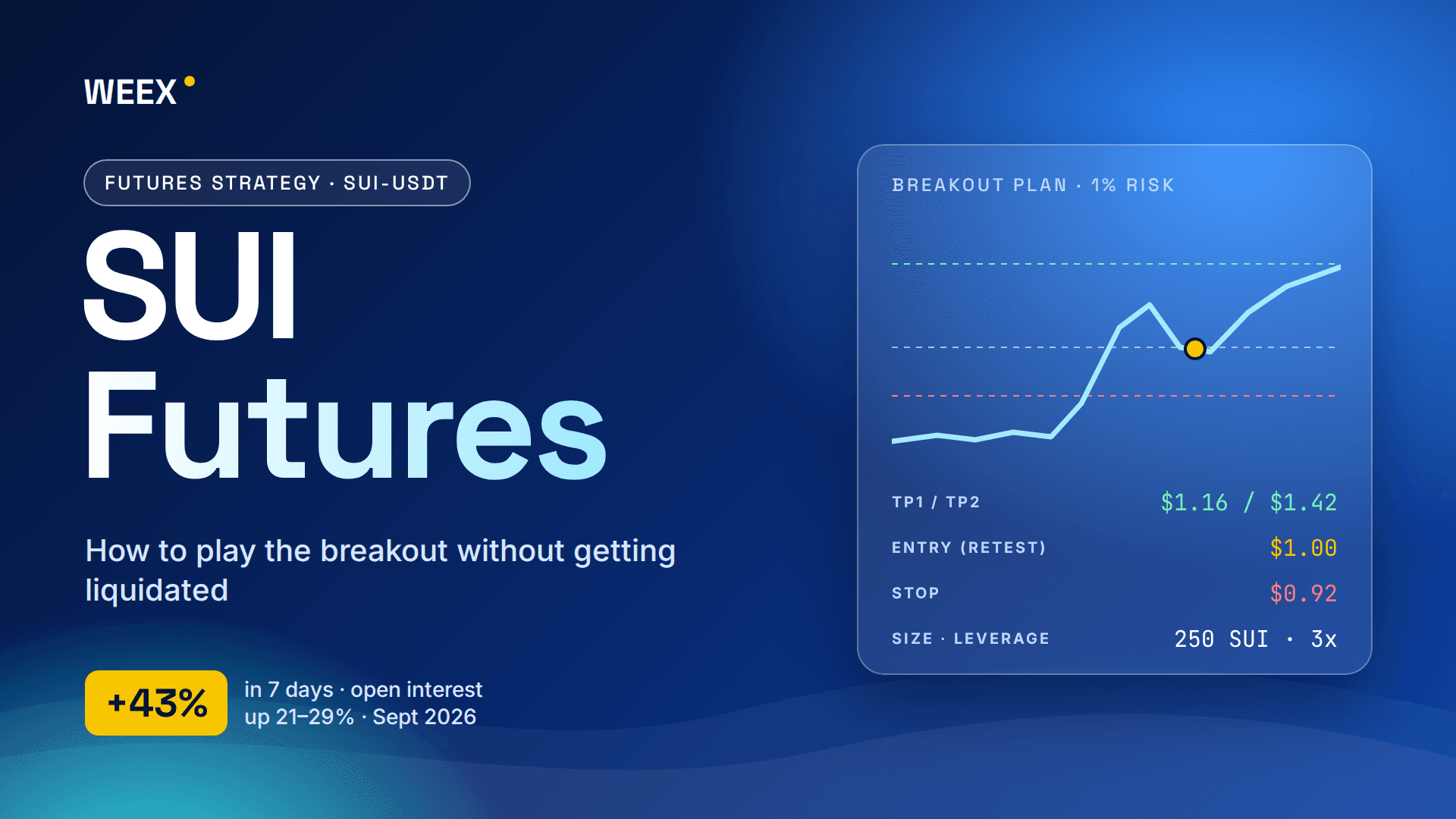
SUI Futures Trading: How to Play the Breakout Without Liquidation
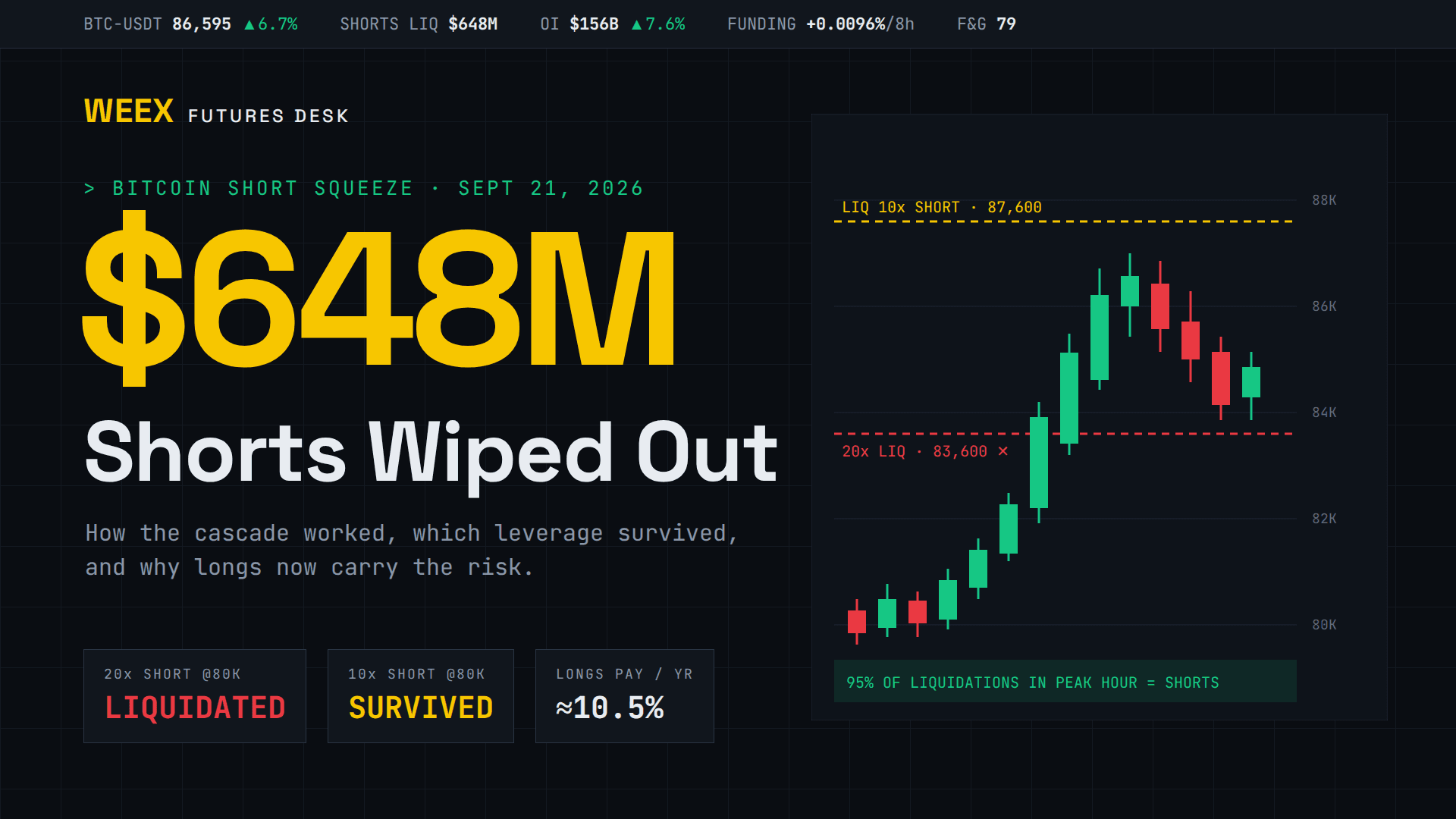
Bitcoin Short Squeeze Explained: Inside the $648M Sept 21 Wipeout
BTC Futures Trading on WEEX: Claim BTC Rewards Before Sep 25

TOKEN2049 Singapore Events 2026: Side Events, VIP Lounges and What to Do During TOKEN2049 Week
What Is Walrus (WAL) and How Does It Work?
Best Crypto Futures Trading Platforms in October 2025
What is OVERTAKE (TAKE) Coin? A Comprehensive Guide
What Is Sui and How Does It Work?
Best Crypto Exchange for Beginners 2026: What Actually Matters When Choosing One
Best Crypto Cold Wallet 2026: Top Picks Matched to How You Hold
Phantom Wallet vs MetaMask: What's the Difference
How to Connect Phantom Wallet to a Solana DApp
How to Install and Set Up Phantom Wallet
What Is Phantom Wallet? A Complete Guide to the Solana Wallet
What Is a White Label Crypto Exchange? A Complete Beginner's Guide
What Is Pons Crypto (PONS), and How to Trade PONS on WEEX?
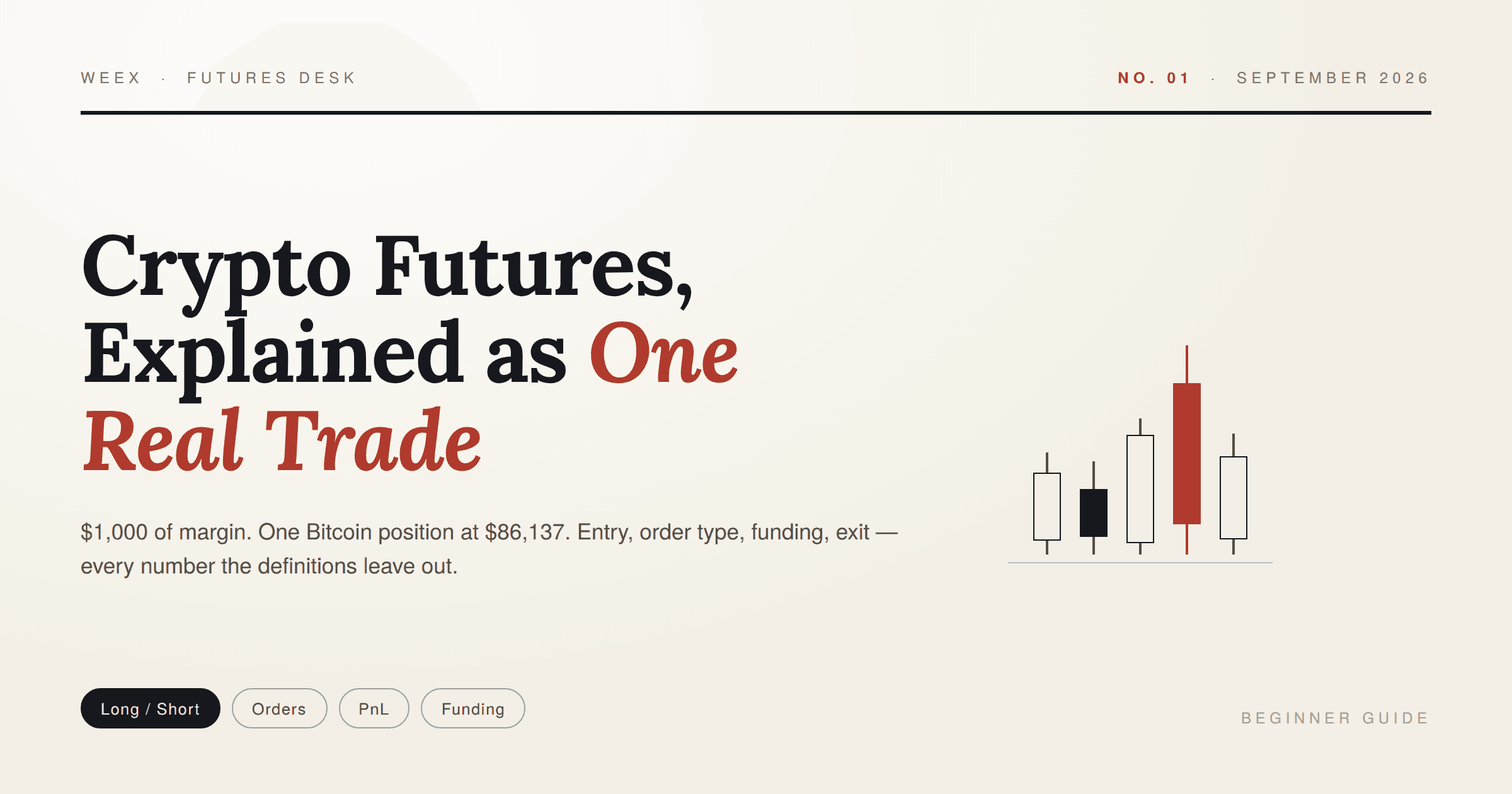
Crypto Futures Trading Explained: One Real Trade, Start to Exit
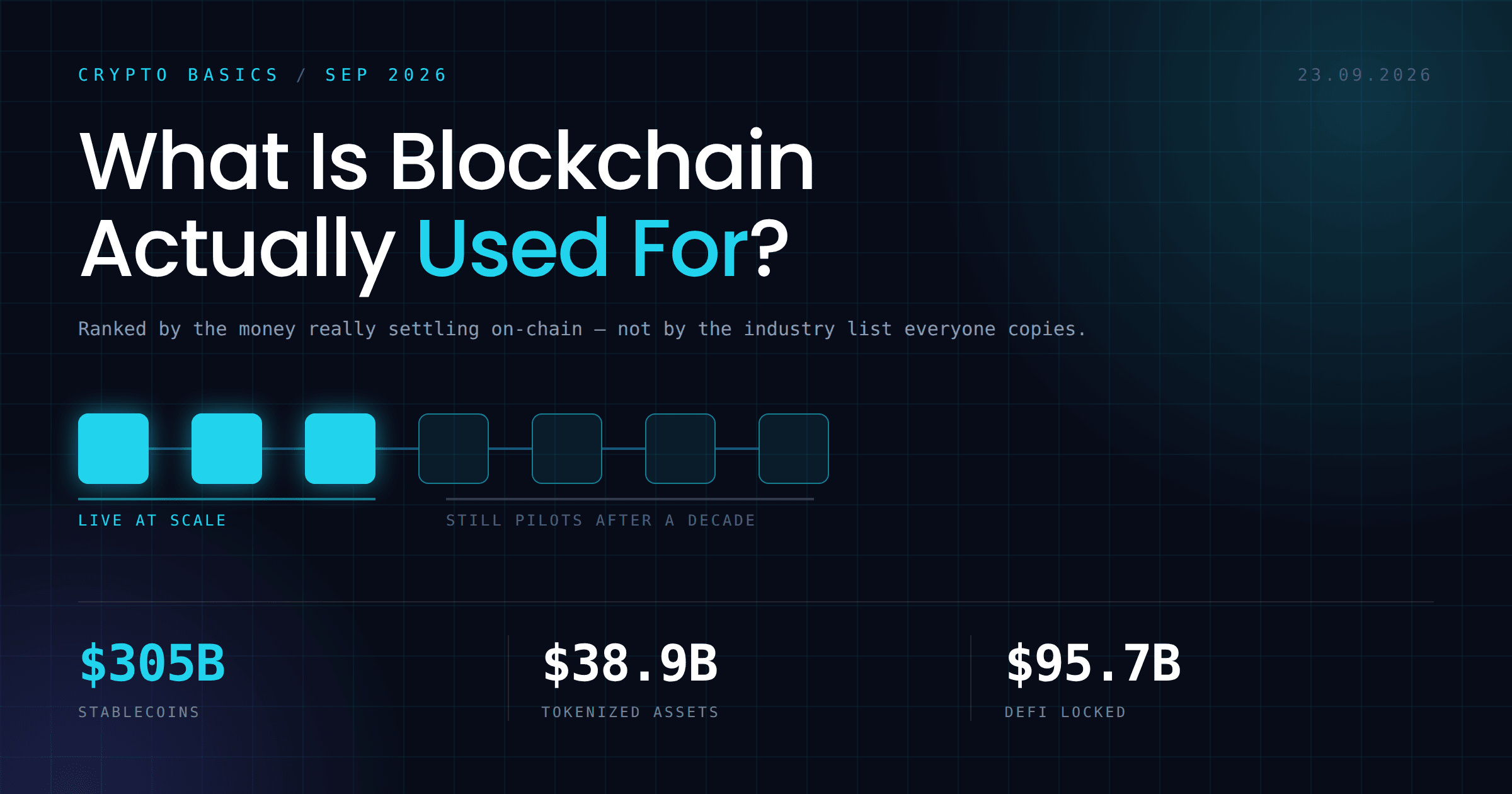
What Is Blockchain Used For? 2026 Uses, Ranked by Real Money
How to Buy USDT with EUR via SEPA Bank Transfer on WEEX
How to Buy Bitcoin with EUR in Europe on WEEX
How to Buy Crypto in Europe with EUR on WEEX OTC
How to Buy Crypto in Vietnam with VND on WEEX OTC
How to Buy USDT in Vietnam with VND via MoMo or Bank Account
INTC Stock Surged 14%: Intel Only Has Enough Chips for Half Its Clients
Is Hyperliquid Safe? Risks You Should Know Before You Trade
Hyperliquid vs Centralized Exchanges: What's the Difference?
SPCX Stock Has a September 22 Catalyst: Here's Why Today's Starship Launch Matters
AMD Stock Joins the $1 Trillion Club: What's Actually Driving the 5 Day Surge
How to Trade on Hyperliquid: A Step-by-Step Guide
What Is Hyperliquid? A Complete Guide to the Perpetuals Exchange
SUI Futures Trading: How to Play the Breakout Without Liquidation
Bitcoin Short Squeeze Explained: Inside the $648M Sept 21 Wipeout
BTC Futures Trading on WEEX: Claim BTC Rewards Before Sep 25
TOKEN2049 Singapore Events 2026: Side Events, VIP Lounges and What to Do During TOKEN2049 Week
What Is Walrus (WAL) and How Does It Work?
Best Crypto Futures Trading Platforms in October 2025
Contents
Popular coins
Latest articles


