
Anonymous Crypto Wallet: What Still Protects Your Privacy in 2026

 Prefer us on Google


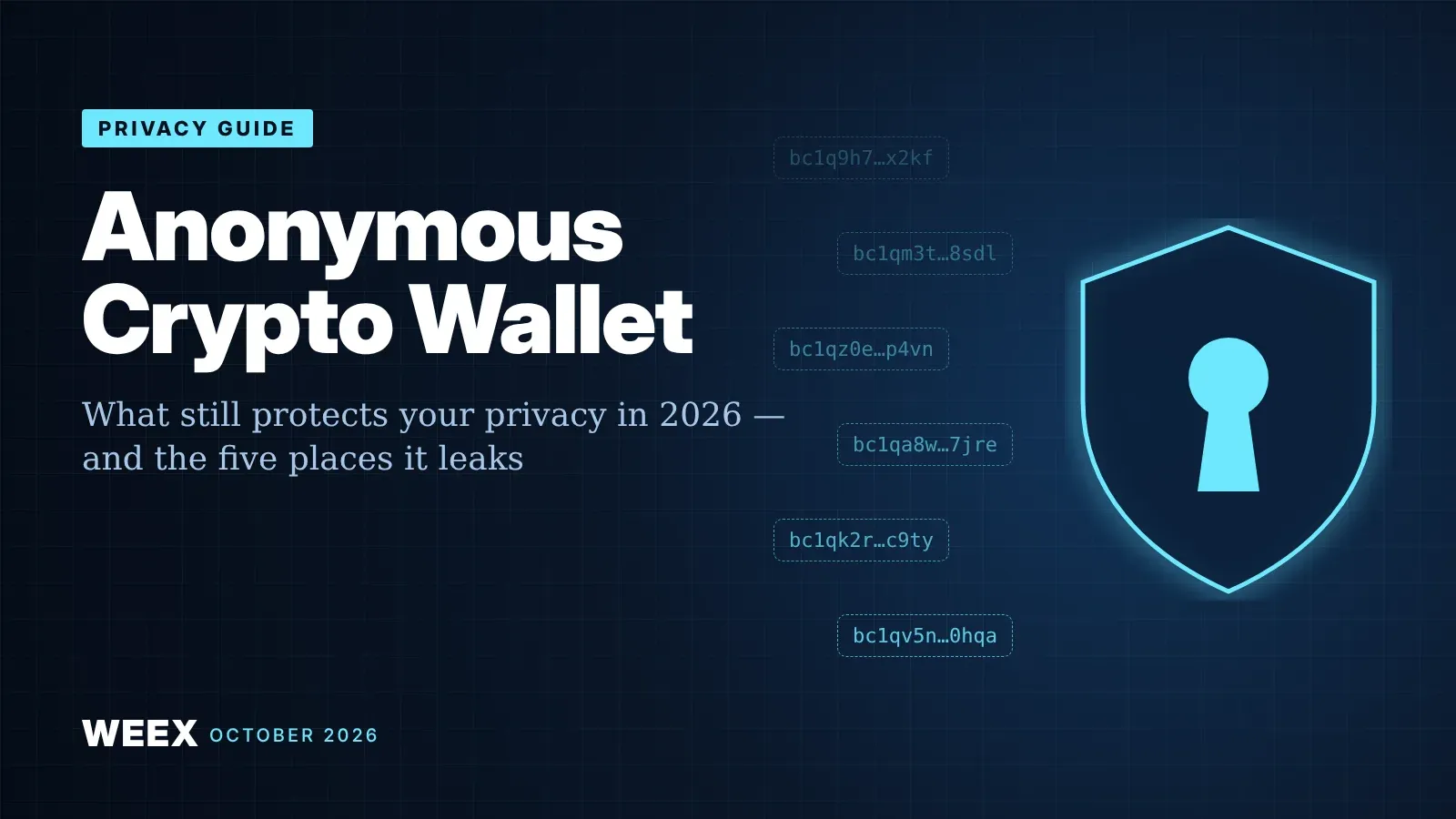
An anonymous crypto wallet is a self-custody wallet you can create without handing over a name, ID, or email — but that only hides who you are at setup, not what you do on-chain. Almost every anonymous crypto wallet on Bitcoin or Ethereum is pseudonymous: anyone can follow the coins, and the moment one address links to your identity, the history behind it opens up. This guide covers what "anonymous" really buys you, which privacy tools still work in 2026, the five places your identity usually leaks, and how the legal ground shifted between 2024 and 2027.
What an Anonymous Crypto Wallet Actually Hides
Two different things get called "anonymous," and mixing them up is how people overestimate their privacy.
Account anonymity means nobody collects your identity when you open the wallet. Any non-custodial wallet — Electrum, Sparrow, MetaMask, a hardware device — qualifies. You generate a seed phrase locally, and no company holds a file on you.
Transaction anonymity means outsiders can't link sender, receiver, and amount. Bitcoin and Ethereum don't offer this by default. Every transfer sits on a public ledger forever, and blockchain analytics firms cluster addresses using spending patterns, change outputs, and timing.
So a no-KYC wallet gives you the first kind for free. The second kind takes extra tools, extra discipline, or a different chain entirely.
Which Privacy Tools Still Work in 2026
The tool list many guides still recommend is out of date. Two of the best-known Bitcoin privacy services are gone or changed:
- Samourai Wallet was taken down by US authorities in April 2024. Its founders were sentenced in November 2025 — Keonne Rodriguez to five years and William Lonergan Hill to four — after the DOJ said the service moved over $237 million in criminal proceeds. Any 2026 list still recommending Samourai is recycling old content.
- Wasabi Wallet still exists as software, but zkSNACKs shut down its default CoinJoin coordinator on June 1, 2024. Users now have to pick a third-party coordinator, which changes the trust picture.
What remains workable, roughly ordered from least to most effort:
- Address hygiene in any HD wallet. Use a fresh receive address for every payment. Free, built into nearly every wallet, and it blocks the laziest form of tracking.
- Coin control in Sparrow or Electrum. Choose exactly which coins you spend, so you don't merge an exchange withdrawal with a private payment in one transaction.
- Running your own node. A wallet connected to someone else's server tells that server which addresses are yours. Your own Bitcoin node closes that leak.
- Privacy-by-default coins. Monero hides sender, receiver, and amount on every transaction through ring signatures, stealth addresses, and RingCT. Zcash offers optional shielded transactions. These do more than any Bitcoin add-on, but face the most exchange and regulatory pressure.
The better reading: for most people, discipline beats tools. A Monero wallet won't help if you send its funds straight to an exchange account in your name.
Five Places Your Identity Usually Leaks
People rarely lose privacy through cryptography. They lose it at the edges.
- The on-ramp. Buy on a KYC exchange and withdraw to your "anonymous" wallet, and that wallet's first coins are tied to your verified account.
- The network layer. Broadcasting from your home IP through a third-party server can tie addresses to a location. Tor or your own node reduces this.
- Address reuse. One public donation address or one reused deposit address can collapse an entire cluster.
- Merging coins. Spending a KYC'd coin and a private coin together in one transaction links them permanently.
- The off-ramp. Cashing out to a bank account or verified exchange re-attaches your name to the end of the trail.
-- Price
Is an Anonymous Crypto Wallet Legal?
In most countries, holding a self-custody wallet without KYC is legal. The pressure falls on the services around it.
- The EU Anti-Money Laundering Regulation (AMLR) bars crypto-asset service providers from keeping anonymous accounts or accounts that handle anonymity-enhancing coins. The rule is scheduled to apply in 2027, which is why several EU-facing venues are already trimming Monero and Zcash support.
- The Travel Rule in the EU already requires providers to collect information on transfers to and from self-hosted wallets, with extra checks above €1,000.
- US enforcement has focused on people running mixing services, as the Samourai case shows, not on individuals who simply use self-custody.
The practical point: a private wallet is legal; what you connect it to determines how much scrutiny you face. Expect more questions on deposits from mixers or privacy coins in 2026 and 2027.
Choosing a Privacy Setup That Fits Your Risk
Match the setup to what you actually need hidden.
- Everyday privacy from casual observers: a hardware or mobile self-custody wallet, a fresh address each time, and no address reuse. See WEEX's breakdown of hot wallet vs. cold wallet to pick the base device.
- Bitcoin with stronger privacy: Sparrow plus coin control, your own node, and Tor. Add CoinJoin only after understanding the coordinator you're trusting.
- Maximum on-chain privacy: a Monero wallet such as Cake Wallet or Feather. As of October 2, 2026, the Monero (XMR) page on WEEX listed XMR around $516 with roughly $115 million in 24-hour volume — still one of the most liquid privacy assets despite regulatory headwinds.
What experienced users watch for: the weakest link is almost always the exchange step. Plan the on-ramp and off-ramp before you plan the wallet. If you want exposure to privacy coins without moving coins on-chain at all, WEEX also lists an XMR-USDT perpetual — leveraged, so position size matters more than the privacy angle.
Bottom Line on Anonymous Crypto Wallets
An anonymous crypto wallet protects your identity at signup, not your transaction history. In 2026, real privacy comes from habits — fresh addresses, coin control, your own node — and, for those who need it, privacy-native coins like Monero. The tools that once promised one-click anonymity are either shut down or carry new legal risk, so build privacy you understand. For a broader view of wallet options, WEEX's best crypto wallet guide for 2026 is a good next stop.
FAQ
1. Is there a truly anonymous crypto wallet?
No wallet makes Bitcoin or Ethereum transactions anonymous on its own. A no-KYC wallet hides your identity at setup, but the ledger stays public. Monero comes closest to transaction-level anonymity by default.
2. Can the police trace an anonymous Bitcoin wallet?
Often, yes. Analytics firms link addresses through exchange withdrawals, address reuse, and coin merging. Once one address ties to a verified account, much of the history becomes traceable.
3. Do I need KYC to create a crypto wallet?
Not for self-custody wallets. Software and hardware wallets let you generate keys without ID. KYC applies when you buy, sell, or withdraw through a regulated exchange.
4. Is Samourai Wallet still safe to use?
Samourai's servers were seized in April 2024 and its founders were sentenced in November 2025. Its coordinated privacy features no longer operate, so it shouldn't be treated as a working privacy tool.
This content is provided for general informational purposes only and doesn't constitute financial, investment, legal, or tax advice. Any events, rewards, online promotions, or related information mentioned herein should not be considered a recommendation, solicitation, or invitation to purchase, sell, trade, or otherwise deal in any crypto assets. Crypto assets are highly volatile and may result in loss. The availability of WEEX services, products, and related events may vary by region. You are responsible for ensuring that your participation is in accordance with applicable local laws and regulations.
You may also like
What Is Coinbase Wrapped Zcash (cbZEC)? How It Brings Zcash to Base Without Native ZEC Privacy
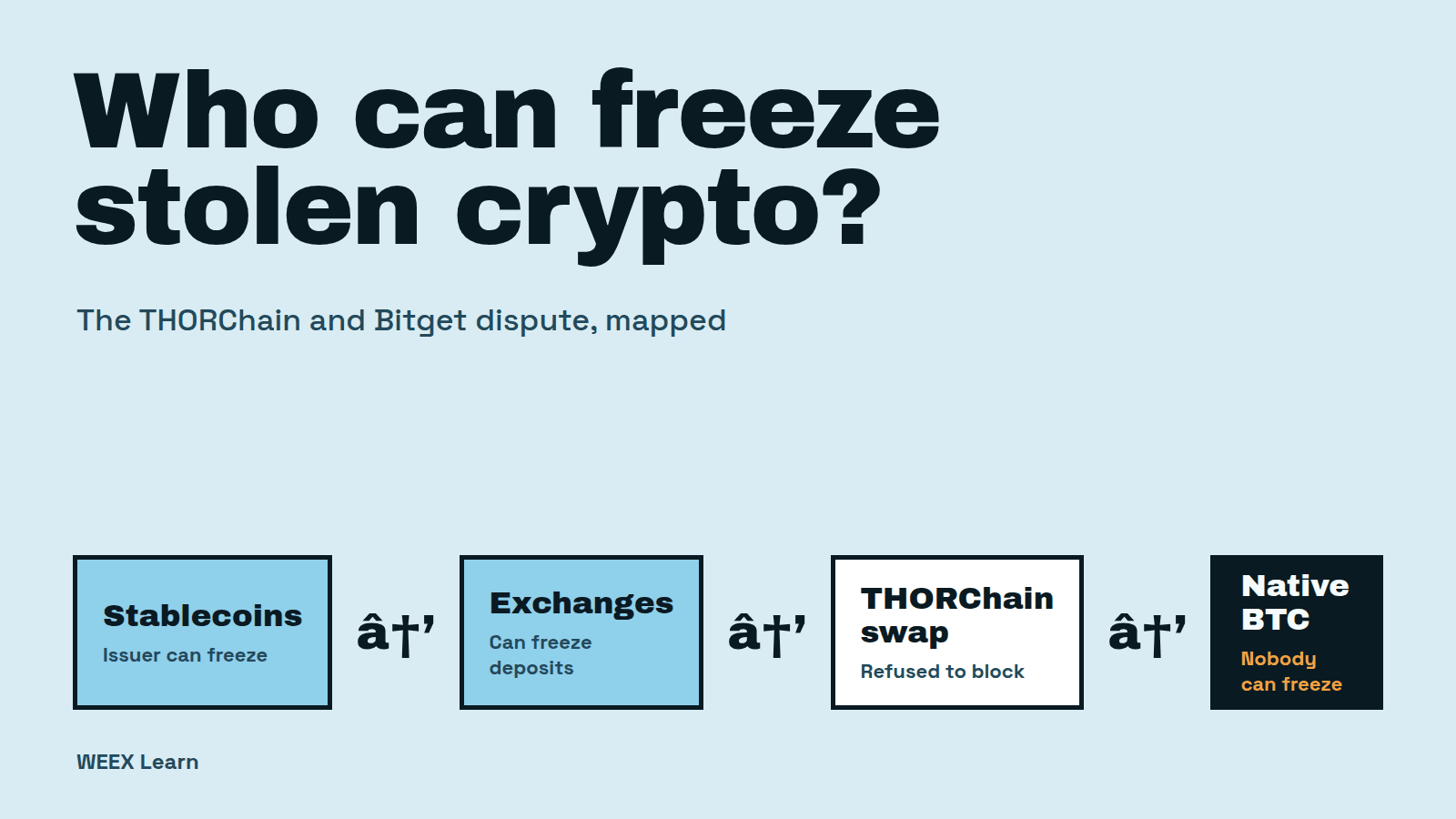
THORChain Bitget Dispute: Who Can Actually Freeze Stolen Crypto?
Bitget Resumes Withdrawals in Phases: Schedule in Vietnam Time and What to Check
Bitget Phased Withdrawal Restart: Schedule (UTC+8) and Checks for Taiwan Users
ZEC Futures Trading: Leverage Lessons From Zcash's $1,400 Squeeze
Zcash Futures: What the $34.5M Short Squeeze Cost the Bears
ZEC Crypto Price Nears Decade High: How an ETF Launch and a Short Squeeze Combined
ZEC Price Prediction: What Needs to Happen for Zcash to Hold Above $1,100
Zcash(ZEC) Price Prediction 2025: Can ZEC Reach $1000?

What Is Zcash (ZEC) and How Does It Work?
What is Aleo (ALEO) Coin? A Guide to the Privacy-Powered Blockchain
What is ZKML Coin? A Guide to the Privacy & AI Crypto
XST Coin Explained: Two Tokens Share One Ticker, Check Which One
What Is Blockchain and How Does It Work? A Transaction Traced
How to Buy Crypto with PayPal: The Custody Catch Most Beginners Miss
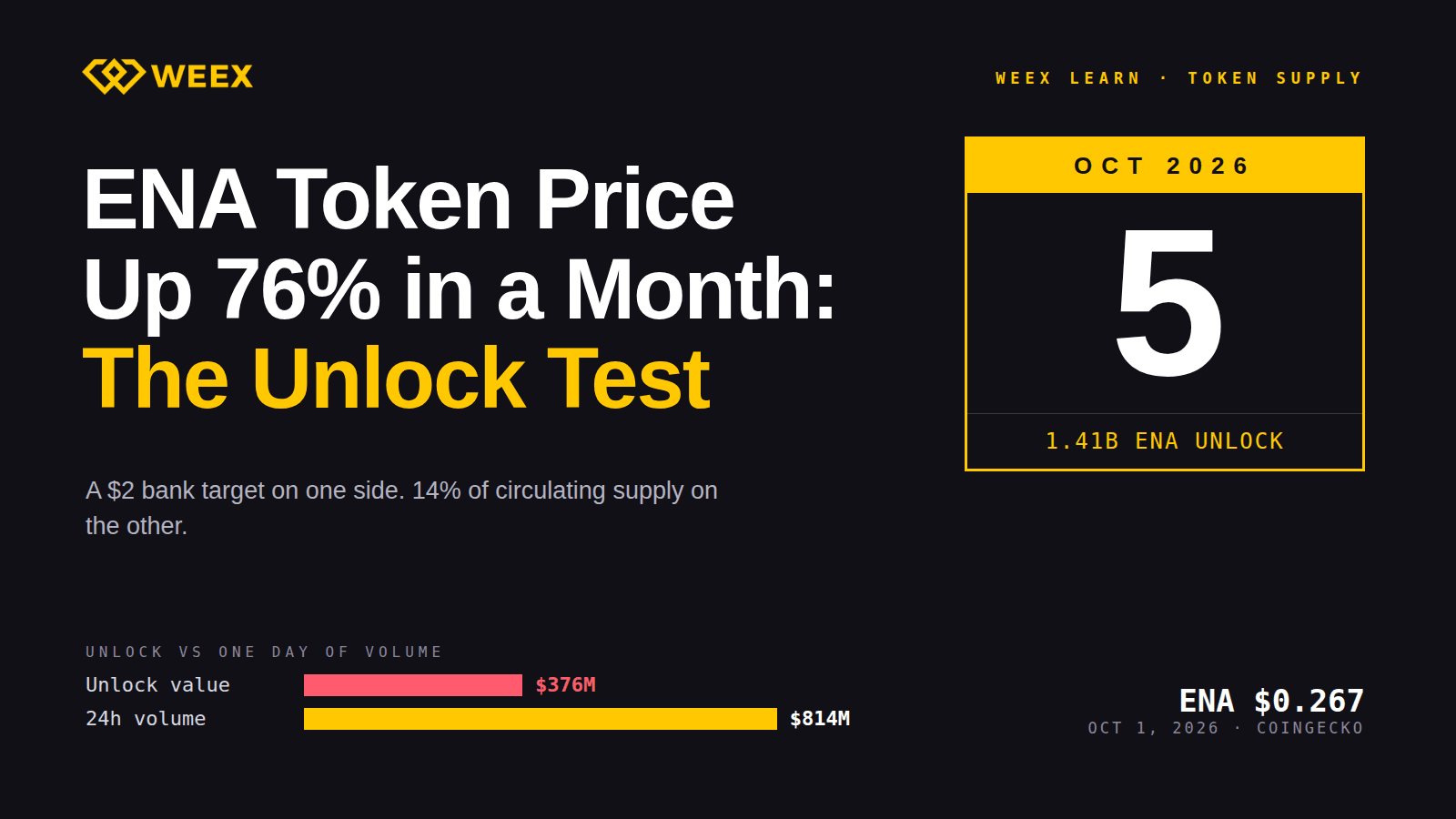
ENA Token Price Up 76% in a Month: The October 5 Unlock Test
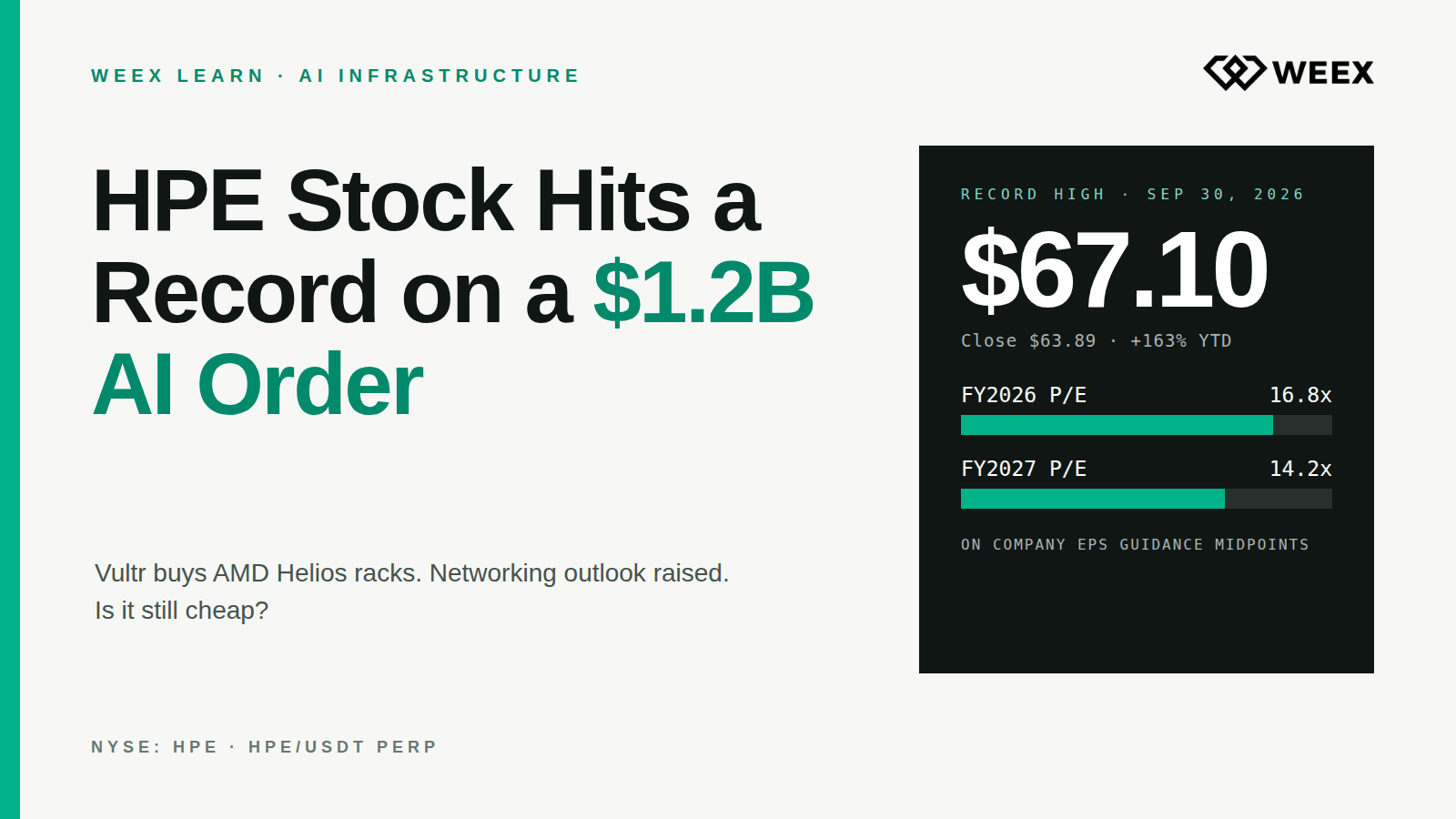
HPE Stock Hits a Record on $1.2B AI Order: Is It Still Cheap?
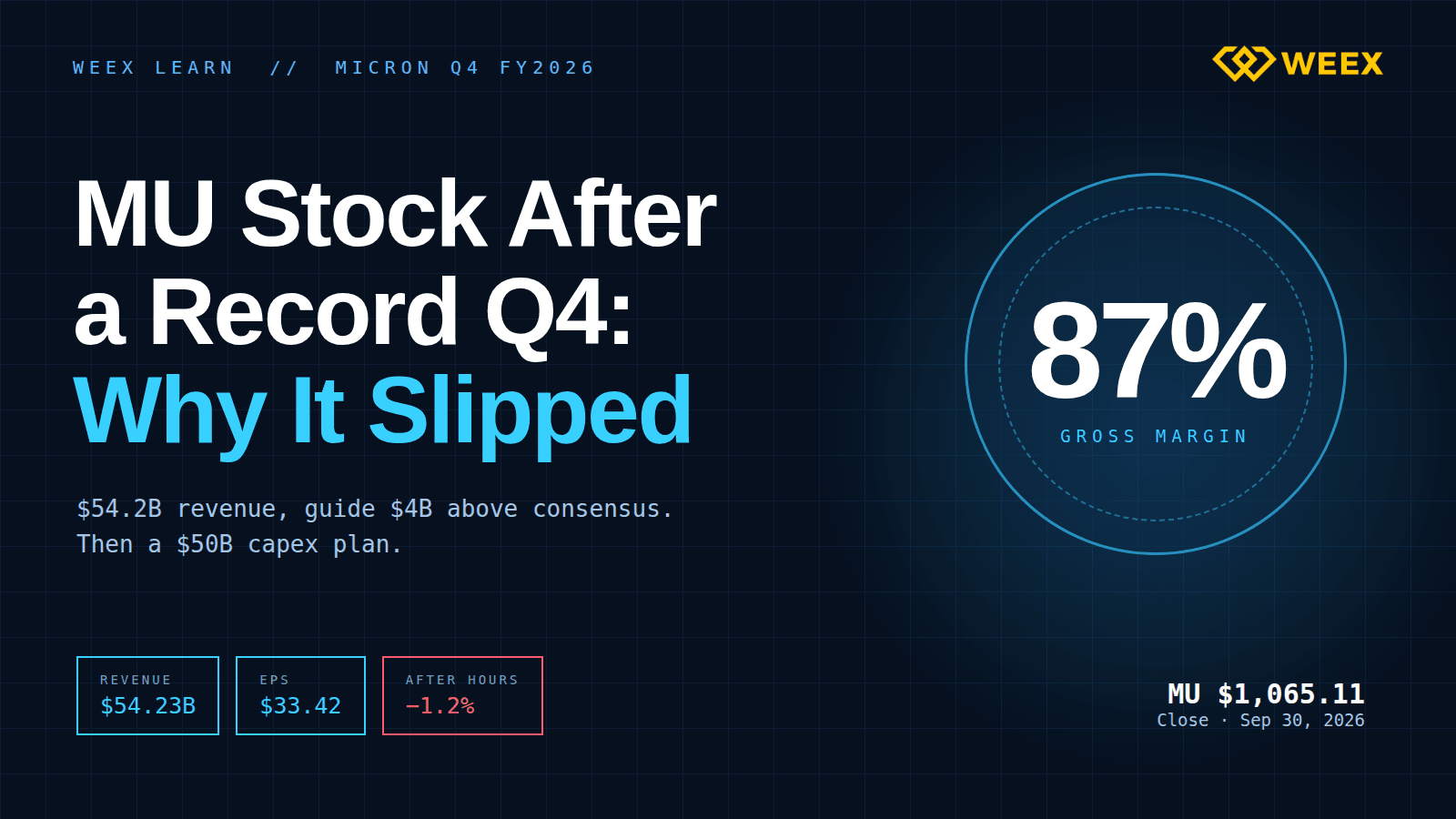
MU Stock After a Record Q4: Why Micron Slipped on a Huge Beat
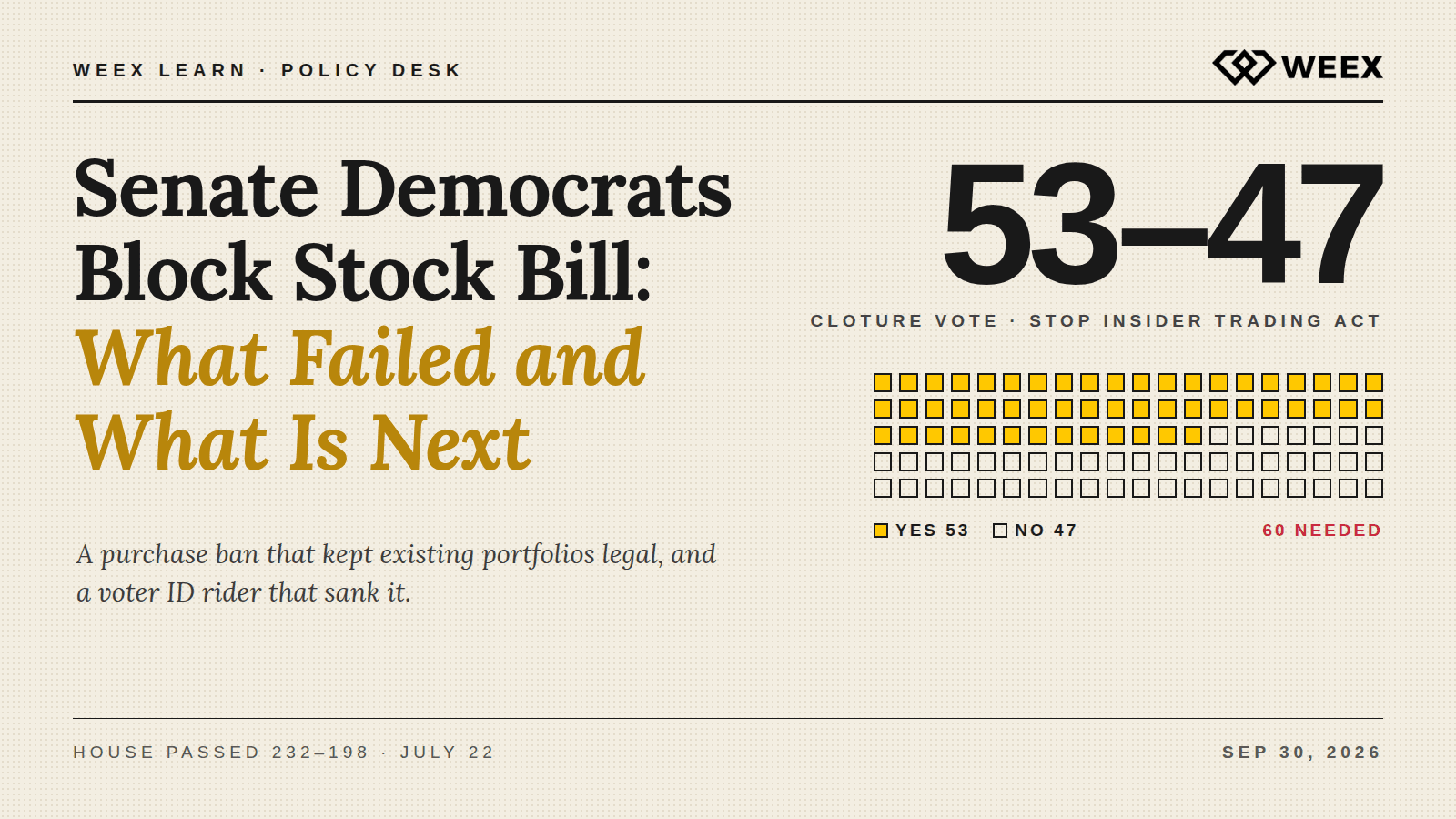
Senate Democrats Block Stock Bill: What Failed and What Is Next
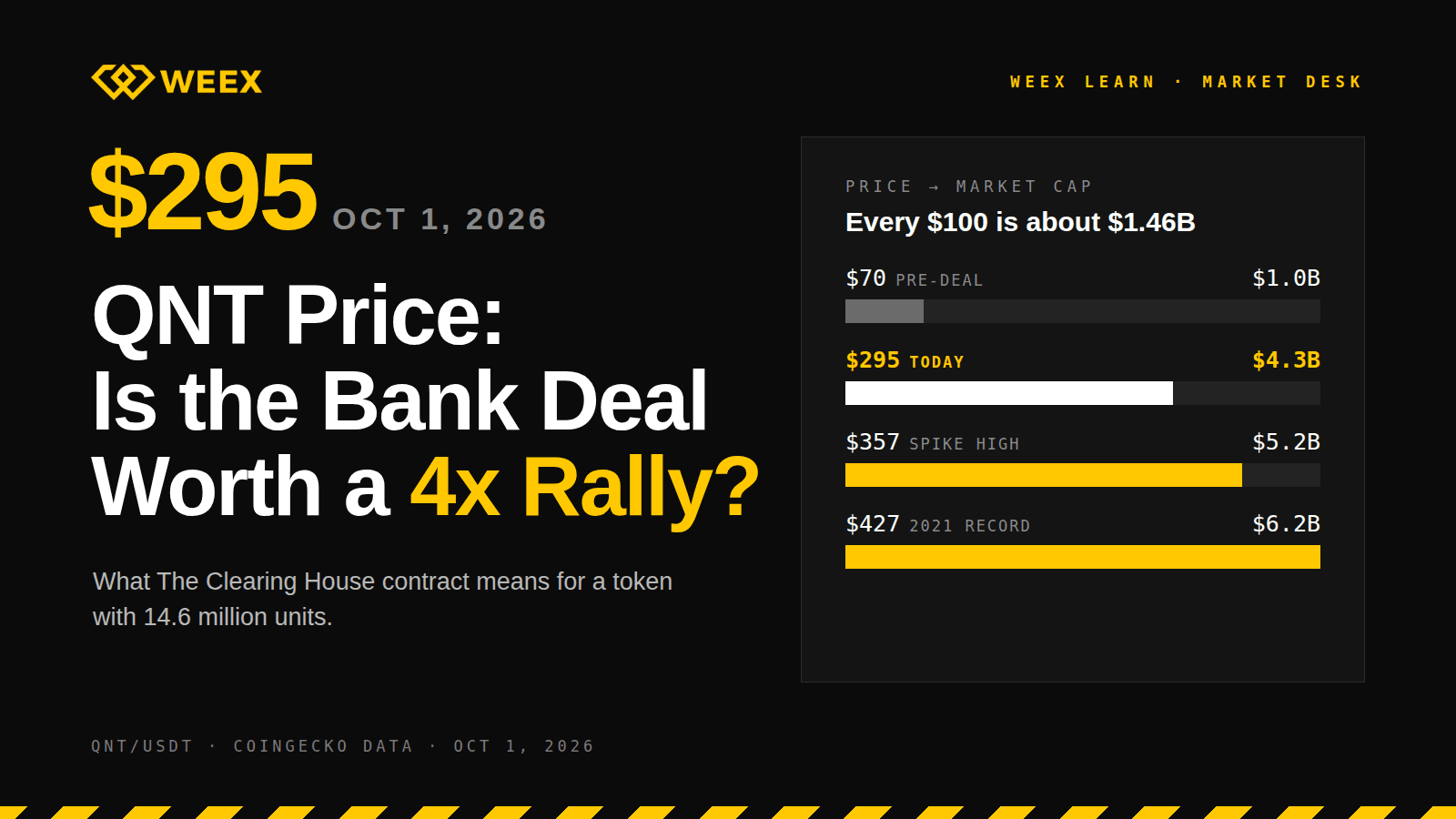
QNT Price Near $295: Does the Bank Deal Justify a 4x Rally?
FICO vs VantageScore: What the New Fannie Mae and Freddie Mac Rule Actually Means for Your Mortgage
How Tether Freezes USDT: Address Blacklists and Holder Checks
Best Crypto Exchange for Beginners 2026: What Your First $100 Actually Goes Through
Bitcoin Futures at $83K: PnL and Position Sizing Into Jobs Week
What Is STOCKER? Stockereum, Stock-Paired Meme Tokens, and Risks
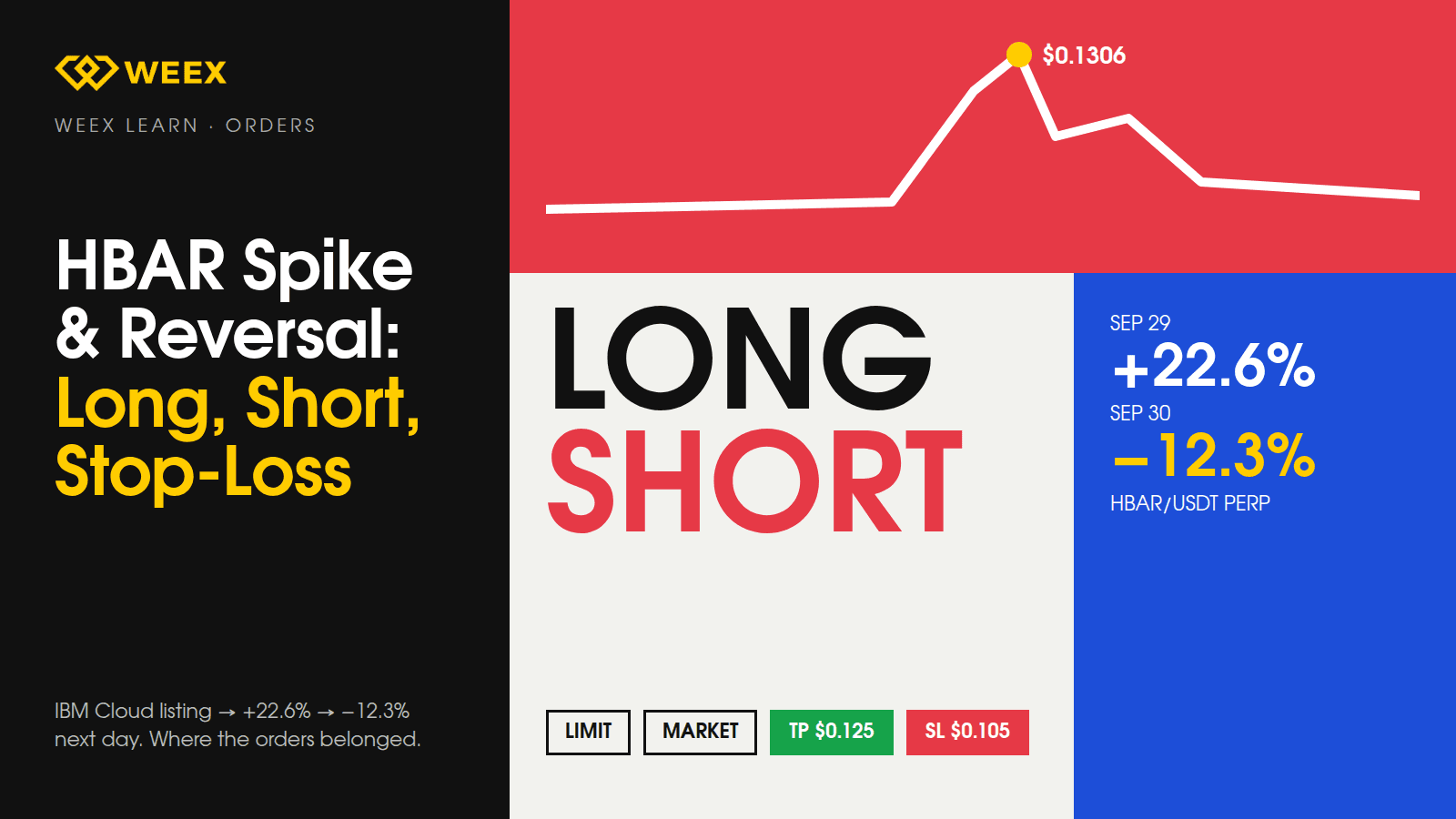
HBAR Price Spike and Reversal: Long, Short, and Stop-Loss Orders
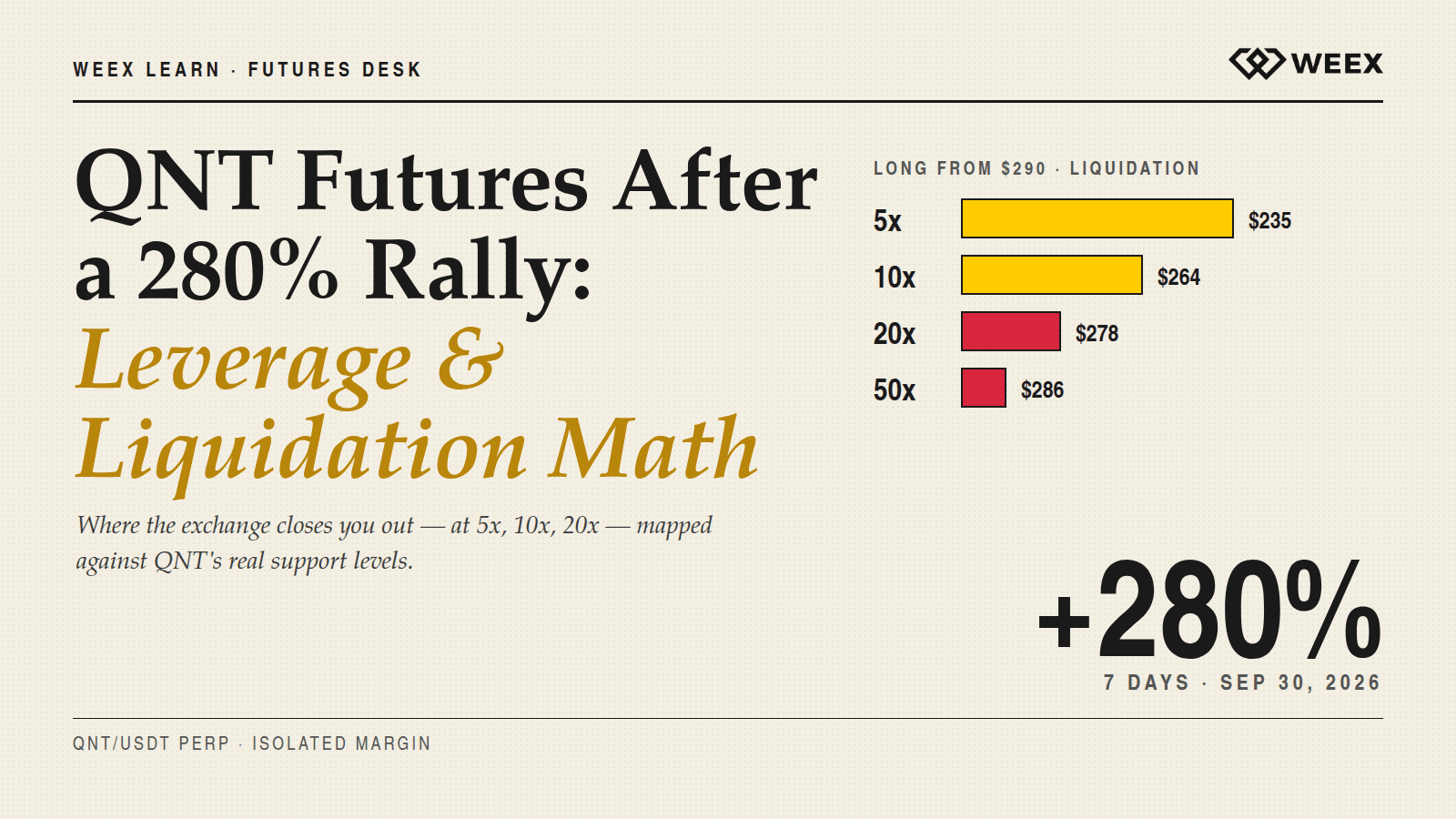
QNT Futures After a 280% Rally: Leverage and Liquidation Math
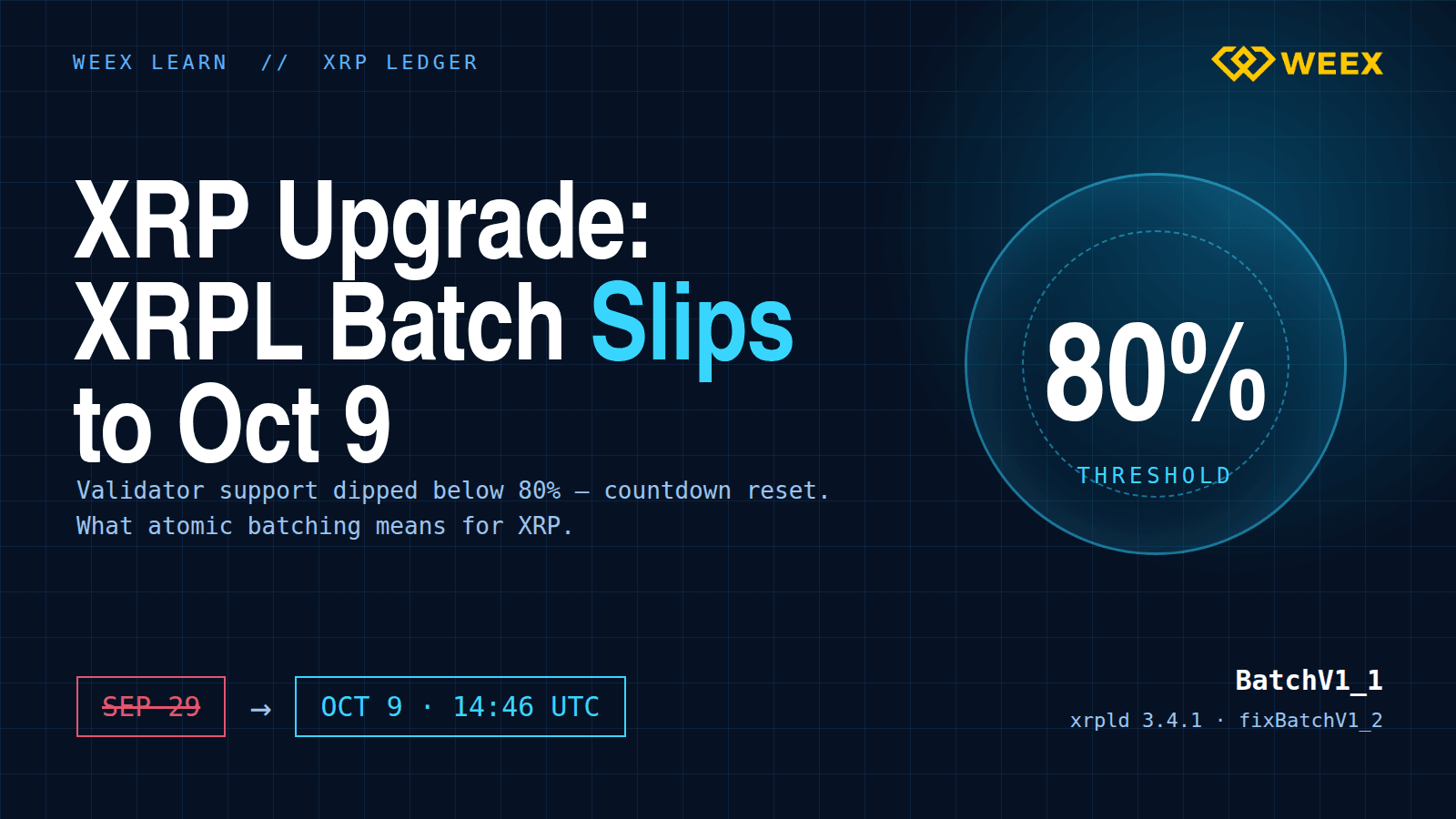
XRP Upgrade Update: XRPL Batch Slips to Oct 9 and What Changes
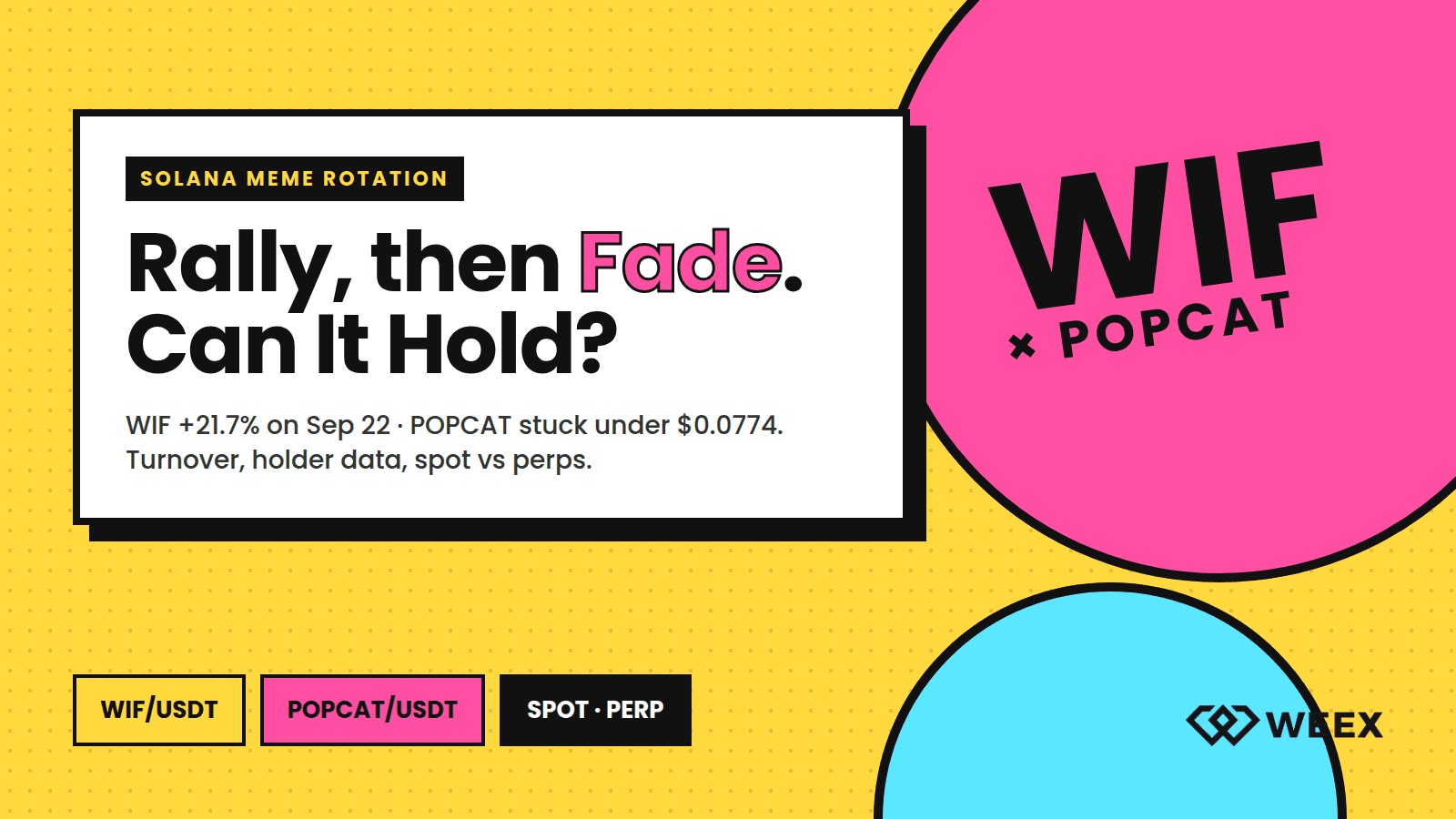
WIF and POPCAT Price Rally: Can the Solana Meme Rotation Hold?

How to manage Idle USDT? Top 5 Platforms to Earn Passive Income in 2026 OCT
What Is Coinbase Wrapped Zcash (cbZEC)? How It Brings Zcash to Base Without Native ZEC Privacy
THORChain Bitget Dispute: Who Can Actually Freeze Stolen Crypto?
Bitget Resumes Withdrawals in Phases: Schedule in Vietnam Time and What to Check
Bitget Phased Withdrawal Restart: Schedule (UTC+8) and Checks for Taiwan Users
ZEC Futures Trading: Leverage Lessons From Zcash's $1,400 Squeeze
Zcash Futures: What the $34.5M Short Squeeze Cost the Bears
Contents
Popular coins
Latest articles


