
FICO vs VantageScore: What the New Fannie Mae and Freddie Mac Rule Actually Means for Your Mortgage

 Prefer us on Google


If you're planning to buy a home or refinance in the next year, a decision made in Washington this week may end up affecting your mortgage rate more than anything you personally control.
On September 28, Federal Housing Finance Agency Director Bill Pulte announced that Fannie Mae and Freddie Mac will collapse their two separate mortgage pricing grids into one, putting VantageScore on equal footing with FICO for the first time. Fannie and Freddie back roughly 70% of U.S. mortgages, so this isn't a niche technical change. It's a shift in how the credit score behind your next mortgage might actually be chosen, and what that score's specific quirks could mean for your rate.
What Actually Changed, in Plain Terms
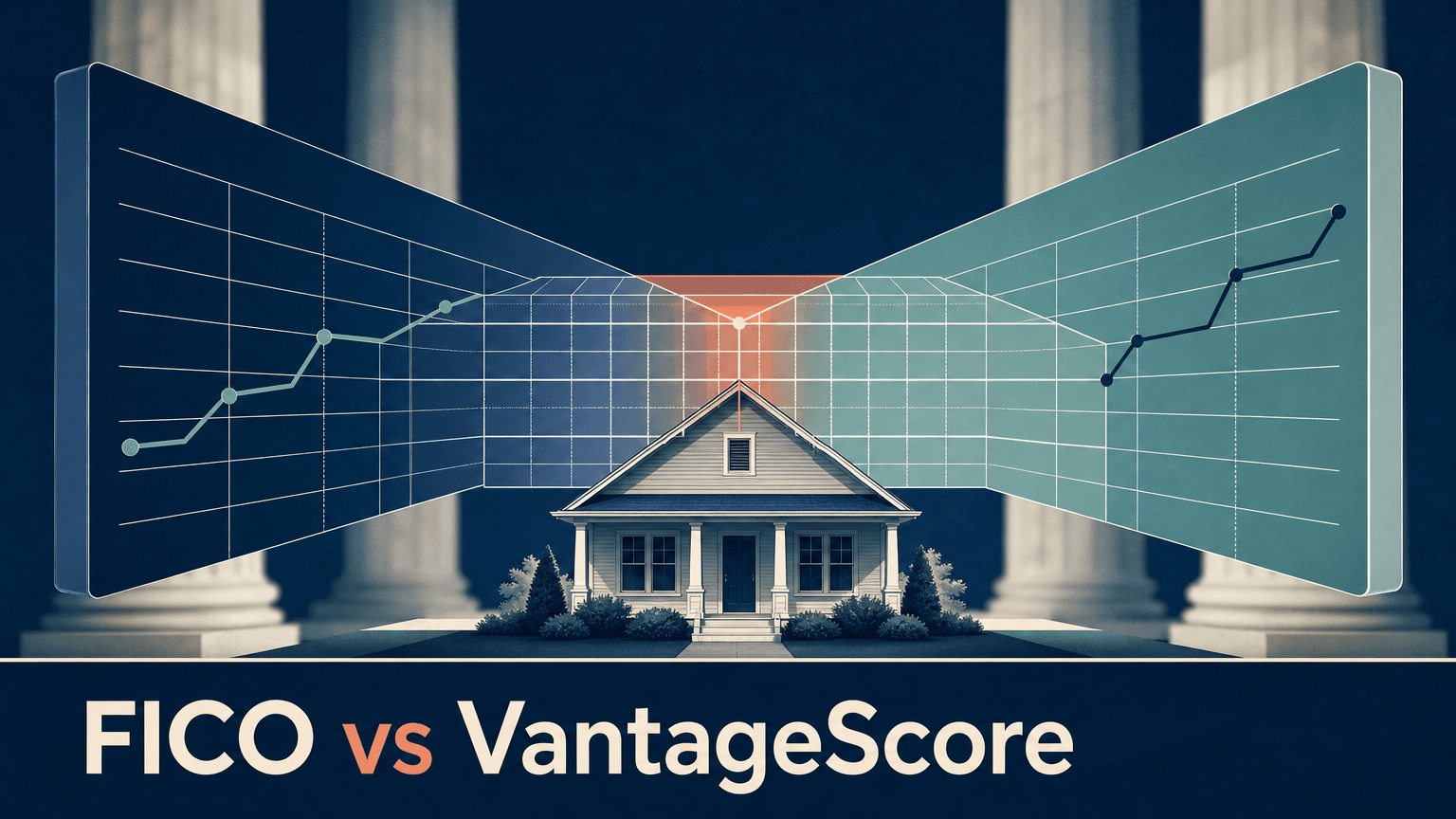
Until this week, Fannie Mae and Freddie Mac ran two separate pricing systems. One was built around FICO scores. The other, designed for VantageScore, effectively treated a VantageScore as roughly 20 points less reliable than an equivalent FICO score, which discouraged lenders from using it even though it existed as an option. Collapsing both grids into a single unified system erases that gap. A borrower with a given VantageScore now gets priced the same as a borrower with an equivalent FICO score, something that wasn't true the day before this announcement.
The practical result is that lenders now have a real financial reason to consider VantageScore instead of automatically defaulting to FICO, because VantageScore costs roughly $0.99 per pull compared to close to $10 for a FICO score. That price gap existed for years without mattering much, because the old pricing grid penalized lenders for using the cheaper option. This rule change removes that penalty.

Why Rocket Mortgage's Announcement Matters More Than the Rule Itself
A regulatory rule change alone might have taken lenders months or years to act on. What made this immediate is that Rocket Mortgage, one of the country's largest originators, announced the same day that it would adopt VantageScore 4.0 as its preferred model for all eligible loans, after roughly four months of internal testing. Rocket said the switch helped more borrowers qualify while lowering the company's own scoring costs.
That detail, "helped more borrowers qualify," is the part worth paying attention to if you're planning to apply for a mortgage soon. It suggests VantageScore's methodology treats certain credit profiles differently than FICO's does, and for at least some borrowers, that difference could mean the gap between approval and denial, or between one rate tier and another.
How FICO and VantageScore Actually Score Differently
The two models aren't identical twins with different names. They're built by different organizations, FICO by Fair Isaac Corporation, VantageScore jointly by the three major credit bureaus, Equifax, Experian, and TransUnion, and they weigh credit history somewhat differently. VantageScore has generally been built to score people with thinner credit files or shorter credit histories than FICO's older models require, which is part of why Rocket's testing found it qualified more borrowers.
What this means practically is that your FICO score and your VantageScore aren't guaranteed to be the same number, and depending on your specific credit history, one model may read your file more favorably than the other. If you have a shorter credit history, a mix of account types, or a credit profile that doesn't fit neatly into older scoring assumptions, this is the part of the story that could actually affect your rate, not the regulatory politics around it.
-- Price
What Hasn't Changed: You Still Don't Choose Your Score
None of this gives you, as a borrower, the ability to pick which score gets used. That decision sits with your lender, not with you. Some lenders, like Rocket, are moving toward VantageScore as their default. Others may keep using FICO, either out of institutional habit or because of a separate requirement worth understanding: the mortgage backed securities market, where loans get bundled and sold to investors after closing, still requires FICO scores for securitization purposes.
That last detail matters more than it sounds. It means that even at a lender that underwrites your loan using VantageScore, a FICO score may still get pulled somewhere in the process because the eventual buyer of your loan requires it. So "VantageScore is now allowed" doesn't necessarily mean FICO disappears from your file entirely, at least not yet.
What This Actually Means for You
In my view, the headline framing, "FICO's monopoly is over," gets the emphasis wrong for anyone actually applying for a mortgage in the next few months. The more useful question isn't which company wins this competitive fight. It's that you now have less certainty about which score will determine your pricing, and that uncertainty itself is worth planning around.
My practical suggestion, and this is a general observation rather than advice specific to your situation, is to check both your FICO score and your VantageScore before you start shopping for a mortgage, rather than assuming the number you're used to checking is the one that will matter. If the two scores diverge meaningfully for you, particularly if you have a thinner or shorter credit history, that gap is worth understanding before a lender's choice of model surprises you at the pricing stage. I'd also expect this transition to be uneven for a while. Some lenders will move quickly, as Rocket did, and others will keep using FICO for longer, especially given the securitization requirement described above, so asking a specific lender which score they use, rather than assuming, is a reasonable question to add to your mortgage shopping checklist.
Conclusion
Fannie Mae and Freddie Mac's decision to unify their pricing grids ends FICO's structural pricing advantage over VantageScore, and Rocket Mortgage's same day switch turned that regulatory change into something borrowers may actually encounter soon rather than an abstract policy shift. What it doesn't do is hand you control over which score gets used, or eliminate FICO from the process entirely, since the securitization market still requires it in many cases. The practical takeaway is to know both your FICO score and your VantageScore, and to ask your lender directly which model they're using, rather than assuming the answer.
FAQ
1. What changed with Fannie Mae and Freddie Mac's credit scoring rule?
They moved from two separate pricing grids to one unified grid that treats VantageScore and FICO scores as equals, eliminating a roughly 20-point advantage FICO previously held in mortgage pricing.
2. Can I choose whether my lender uses FICO or VantageScore?
No. That decision belongs to your lender, not to you as the borrower. Different lenders are adopting VantageScore at different speeds.
3. Is FICO no longer used at all?
Not necessarily. The mortgage-backed securities market still requires FICO scores for securitization, so a FICO score may still be pulled even at a lender that underwrites using VantageScore.
4. Why did Rocket Mortgage switch to VantageScore?
Rocket said that after roughly four months of testing, VantageScore helped more clients qualify for loans while also reducing the company's credit scoring costs.
5. Should I check my VantageScore before applying for a mortgage?
It's a reasonable step, especially if you have a shorter or thinner credit history, since the two models can score the same credit file differently. This isn't individualized financial advice, so consider discussing your specific situation with a mortgage professional.
This content is provided for general informational purposes only and doesn't constitute financial, investment, legal, or tax advice. Any events, rewards, online promotions, or related information mentioned herein should not be considered a recommendation, solicitation, or invitation to purchase, sell, trade, or otherwise deal in any crypto assets. Crypto assets are highly volatile and may result in loss. The availability of WEEX services, products, and related events may vary by region. You are responsible for ensuring that your participation is in accordance with applicable local laws and regulations.
You may also like

Grok 4.7 Explained: How to Check Release and Performance Claims

Fable 5.1: What Anthropic's New Model Means for AI Tokens

Is OPAI.PVT OpenAI's Real Stock Symbol? What Investors Need to Know Before the IPO 2026
Tokenized Stocks 101: When the World's 7+3 Most Valuable Companies Become Crypto's Underlying Assets

How to Buy Crypto with PayPal: The Custody Catch Most Beginners Miss
ENA Token Price Up 76% in a Month: The October 5 Unlock Test
HPE Stock Hits a Record on $1.2B AI Order: Is It Still Cheap?
MU Stock After a Record Q4: Why Micron Slipped on a Huge Beat
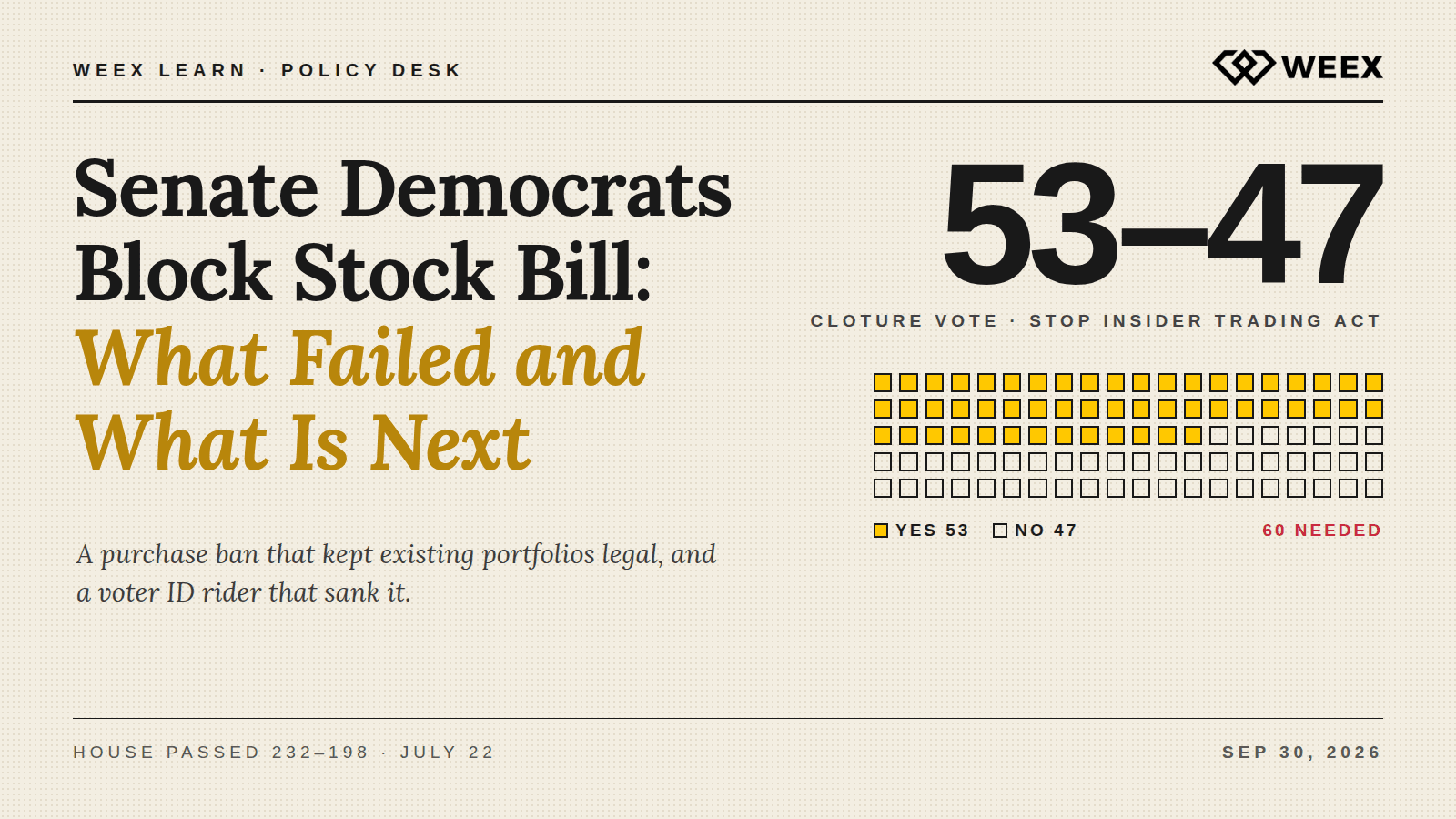
Senate Democrats Block Stock Bill: What Failed and What Is Next

QNT Price Near $295: Does the Bank Deal Justify a 4x Rally?
How Tether Freezes USDT: Address Blacklists and Holder Checks

Best Crypto Exchange for Beginners 2026: What Your First $100 Actually Goes Through
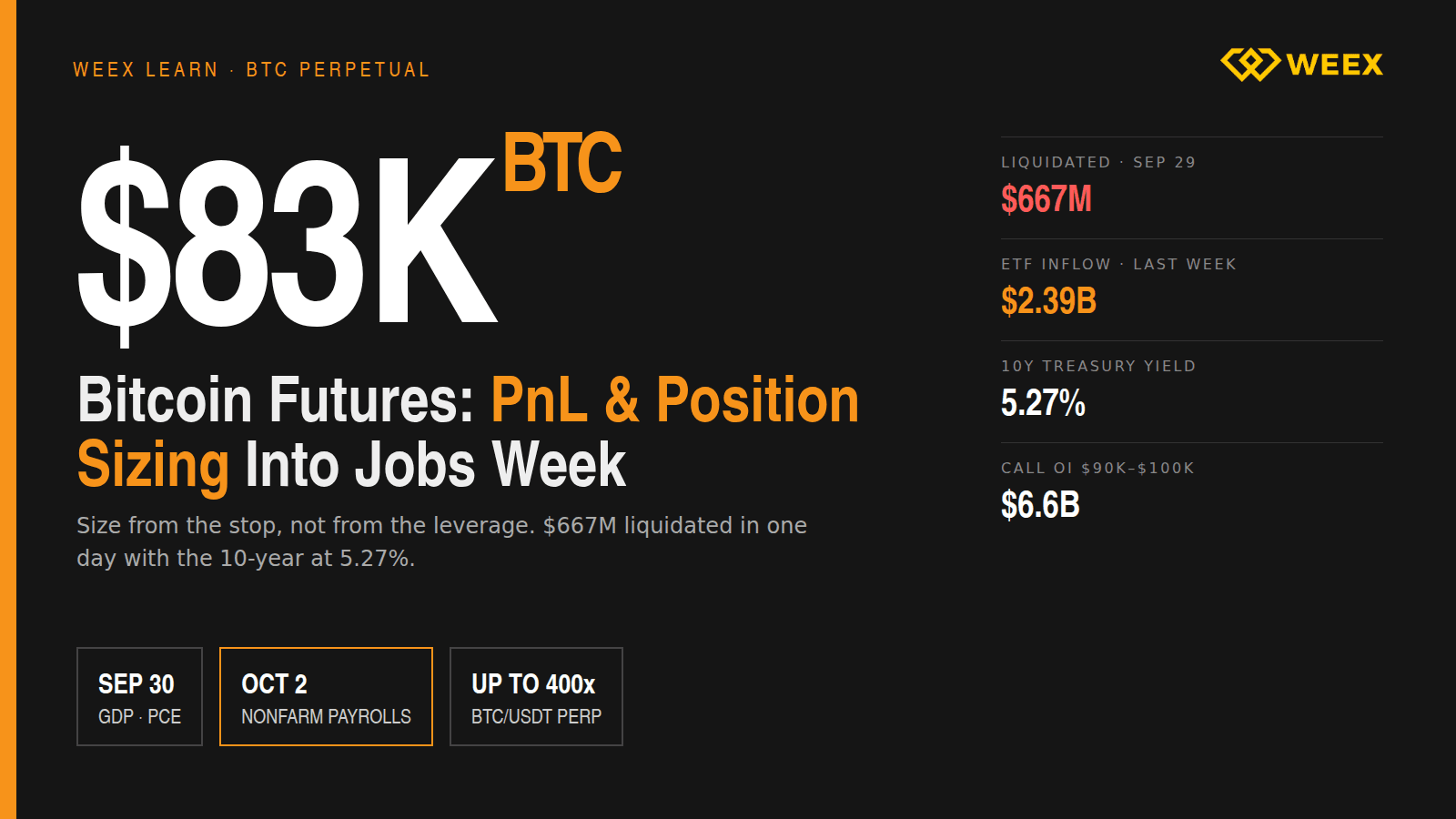
Bitcoin Futures at $83K: PnL and Position Sizing Into Jobs Week
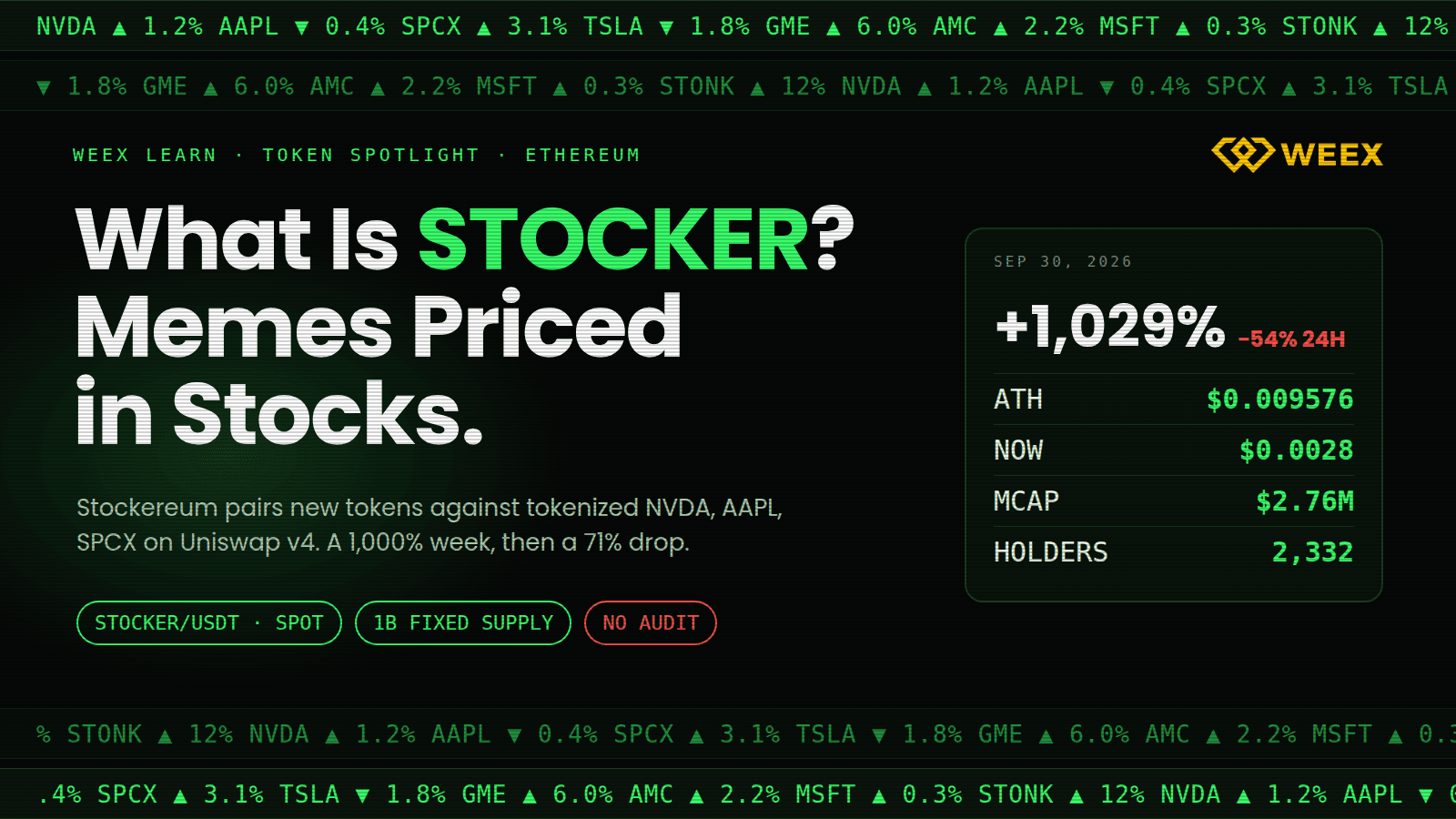
What Is STOCKER? Stockereum, Stock-Paired Meme Tokens, and Risks
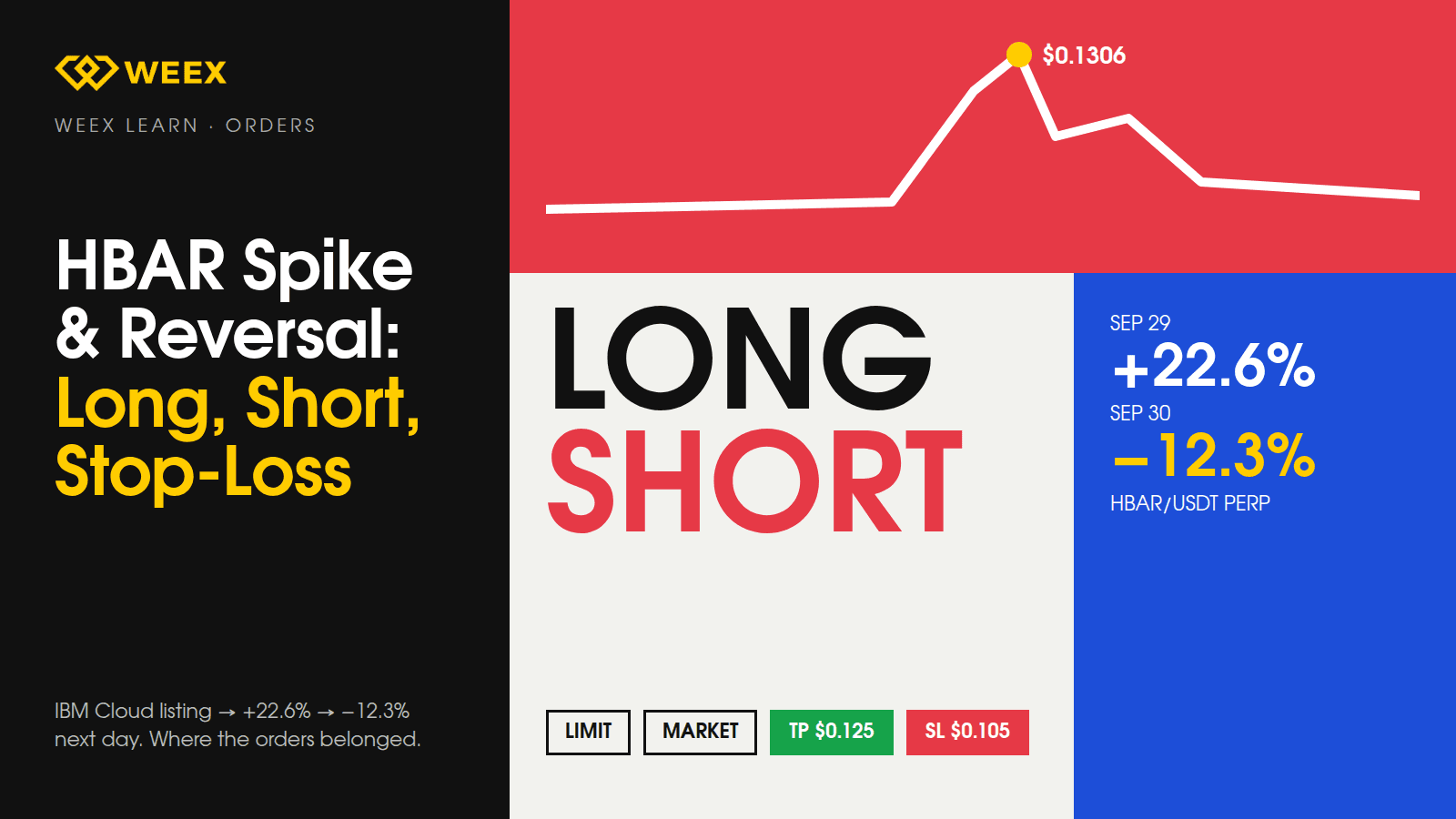
HBAR Price Spike and Reversal: Long, Short, and Stop-Loss Orders
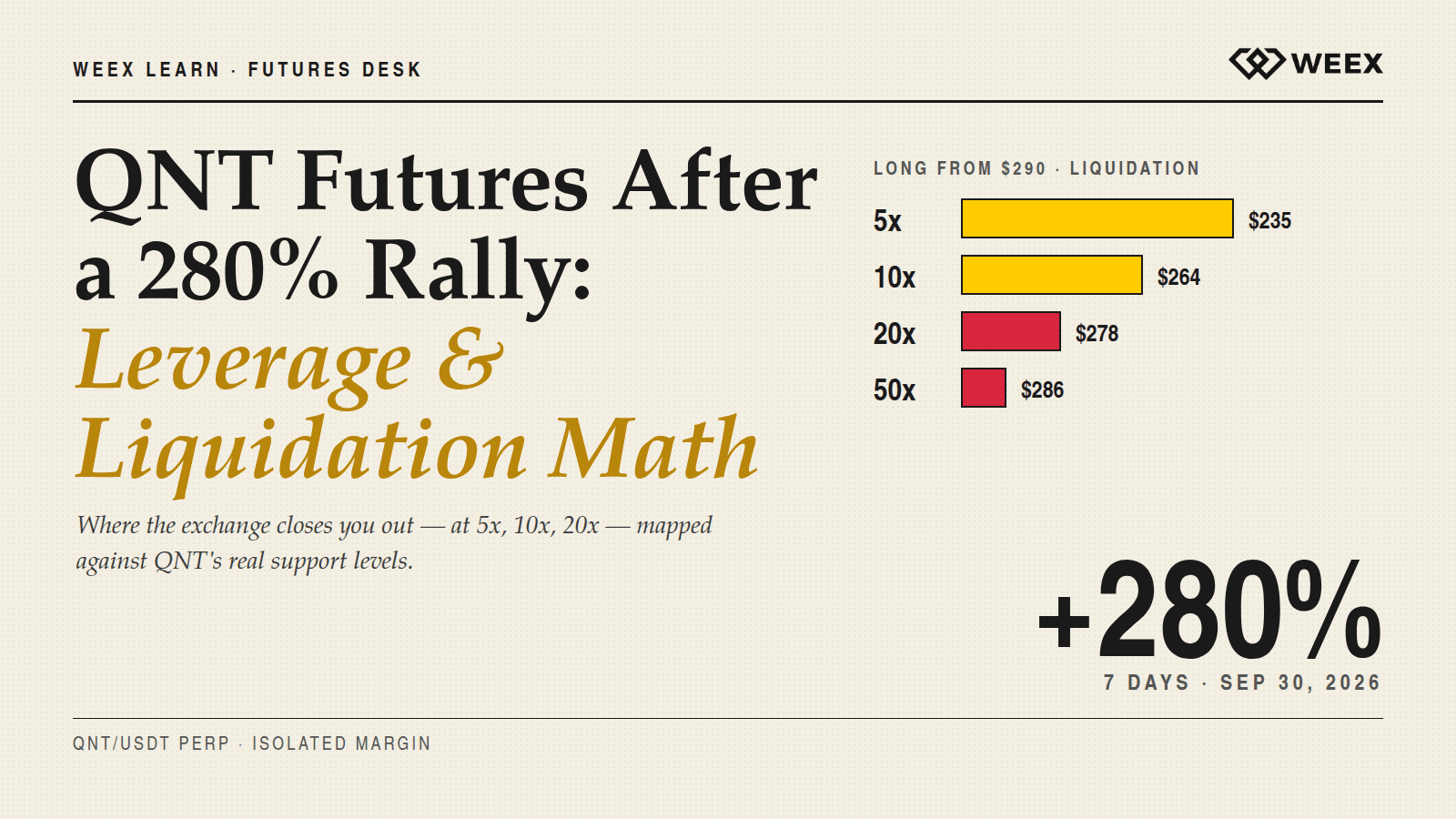
QNT Futures After a 280% Rally: Leverage and Liquidation Math
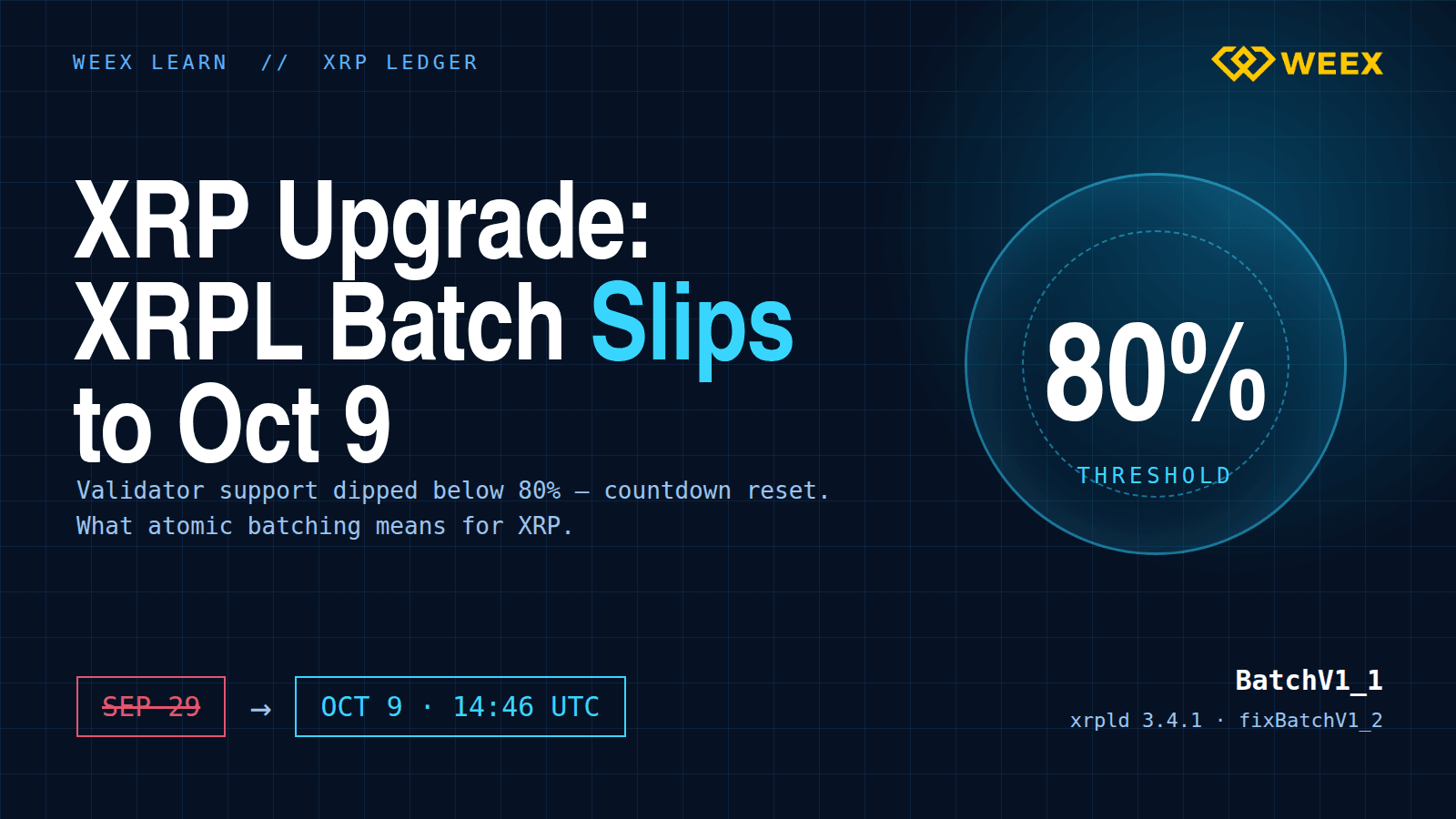
XRP Upgrade Update: XRPL Batch Slips to Oct 9 and What Changes

WIF and POPCAT Price Rally: Can the Solana Meme Rotation Hold?

How to manage Idle USDT? Top 5 Platforms to Earn Passive Income in 2026 OCT

What Is XDP? Can Doppler Finance Break $0.03 in October 2026?

What Is Coinbase Wrapped Zcash (cbZEC)? How It Brings Zcash to Base Without Native ZEC Privacy

Safest Crypto Wallet in 2026: Matching Wallet Type to the Threat You're Actually Worried About

What Is Coinbase Wrapped HYPE (cbHYPE)? How It Works on Base, 1:1 Backing, Risks, and HYPE Conversion

Is QNT a Stock or Crypto? Quant (QNT) and Quantinuum Stock Are Not the Same Asset
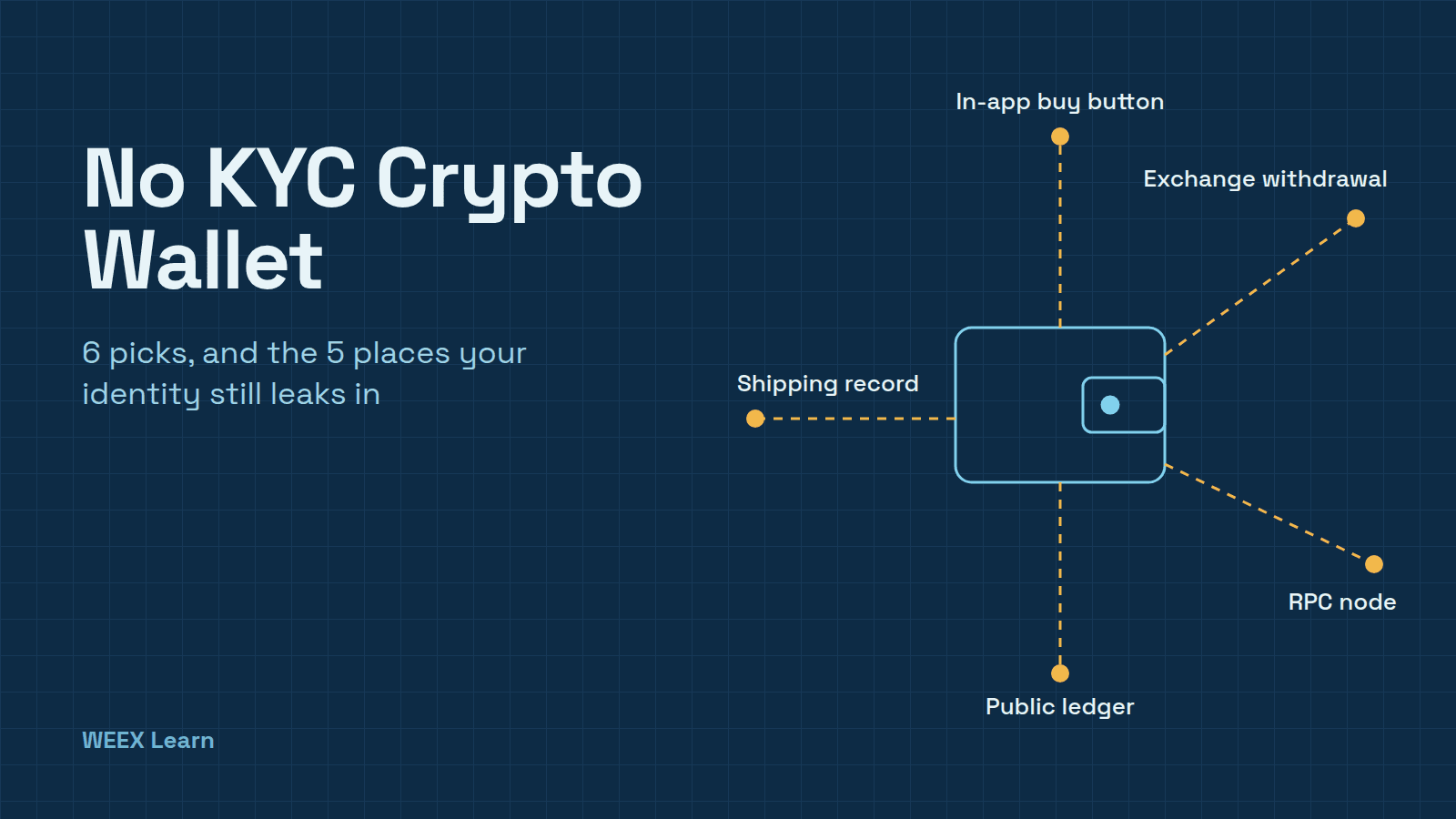
No KYC Crypto Wallet: 6 Picks and 5 Places Your ID Still Leaks
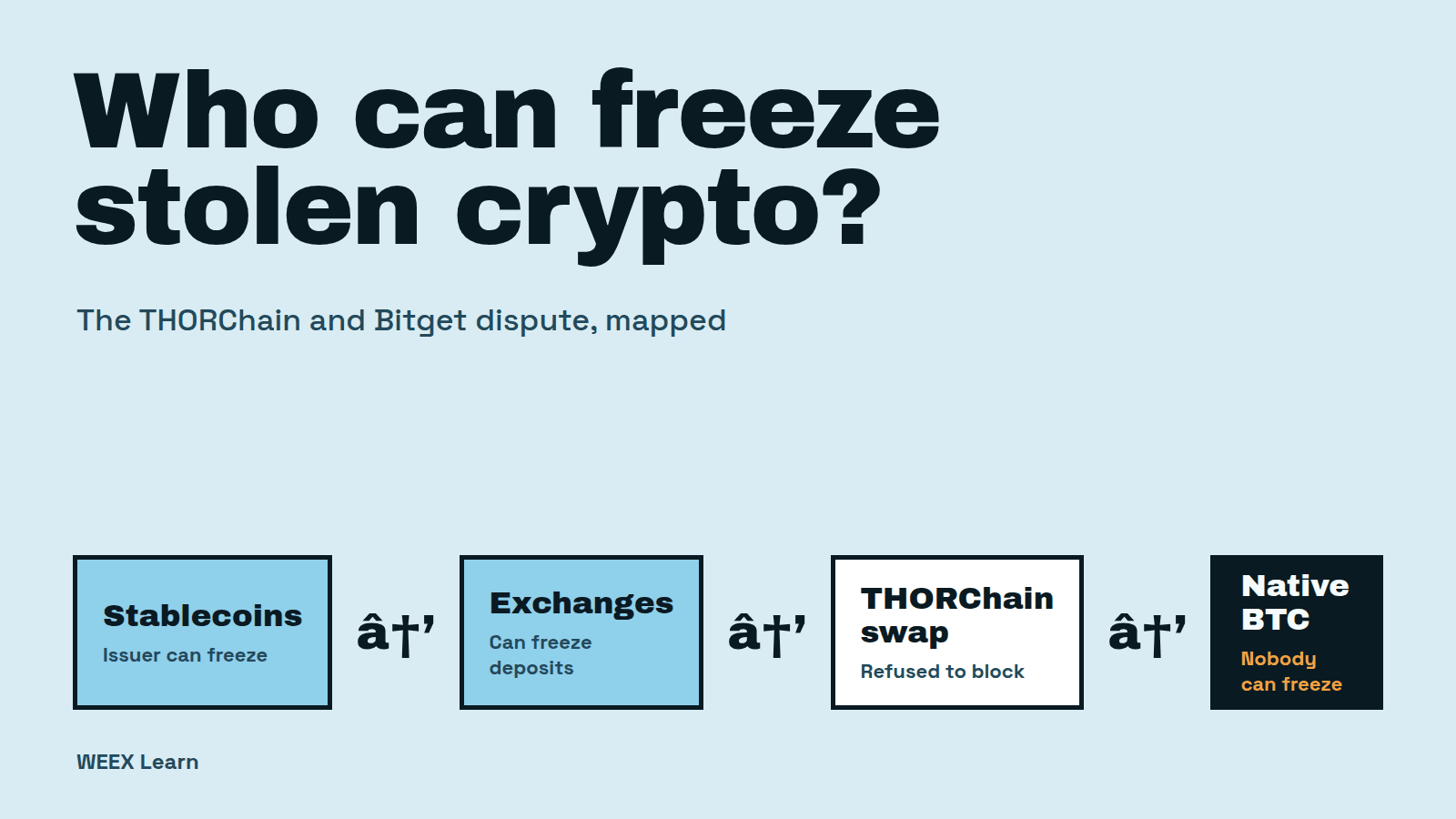
THORChain Bitget Dispute: Who Can Actually Freeze Stolen Crypto?

What Is Quant (QNT) Crypto? How Overledger Works, QNT Utility, and Token Supply Explained
Best Decentralized Crypto Wallet for Beginners: What Self-Custody Really Asks of You

Best Crypto App for Beginners: Exchange App, Wallet App, or Both?

What Is Gno.land (GNOT)? How GnoVM, Storage Deposits, Tokenomics, and GovDAO Work
Grok 4.7 Explained: How to Check Release and Performance Claims
Fable 5.1: What Anthropic's New Model Means for AI Tokens
Is OPAI.PVT OpenAI's Real Stock Symbol? What Investors Need to Know Before the IPO 2026
Tokenized Stocks 101: When the World's 7+3 Most Valuable Companies Become Crypto's Underlying Assets
How to Buy Crypto with PayPal: The Custody Catch Most Beginners Miss
ENA Token Price Up 76% in a Month: The October 5 Unlock Test





