
Midterm Election Results Crypto: Who Now Controls Crypto Policy

 Prefer us on Google

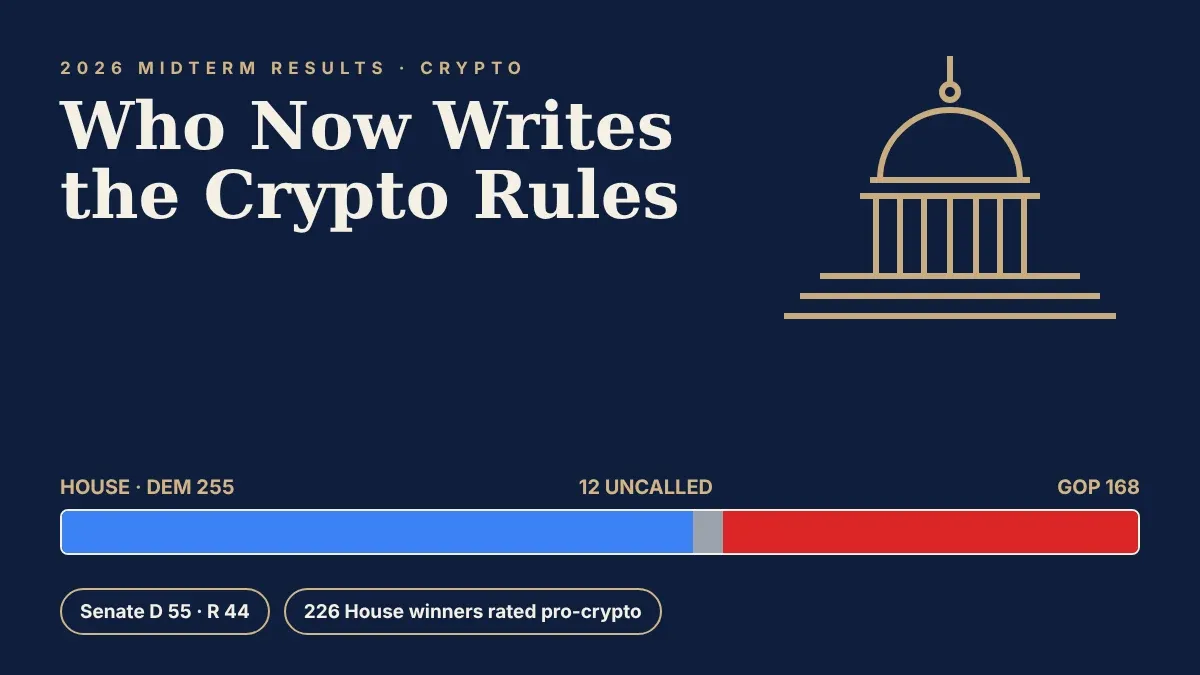
The 2026 midterm election results gave Democrats control of both chambers of Congress, and that shift matters more for crypto than the headline count of "pro-crypto" winners. As of November 9, Democrats had won 255 House seats to Republicans' 168, with 12 races uncalled, and 55 Senate seats to 44, with one uncalled, per AP calls compiled by CongressCountdown. Yet advocacy group Stand With Crypto rated 226 of the House winners and 19 of the Senate winners as pro-crypto as of November 5. This article explains how both facts can be true, who is likely to run the committees that write crypto rules from January 2027, what happens to the CLARITY Act and other bills, and which dates matter before the new Congress is seated.
2026 Midterm Election Results at a Glance
The key numbers, with sources and dates:
- House: Democrats 255, Republicans 168, 12 uncalled, as of November 9 (AP calls via CongressCountdown).
- Senate: Democrats 55, Republicans 44, 1 uncalled, as of November 9.
- Pro-crypto winners: 226 in the House and 19 in the Senate, against 106 and 8 rated anti-crypto, as of November 5 (Stand With Crypto, using Decision Desk HQ calls).
- Industry spending: crypto-aligned super PACs spent more than $170 million on the cycle, according to Fortune.
Stand With Crypto's ratings are its own and results are unofficial until states certify them. The tallies have continued to move as late races are called.
Why a "Pro-Crypto" Majority Doesn't Mean Pro-Crypto Laws
This is the gap most results pages skip. Stand With Crypto rates candidates individually, based on statements, votes and survey answers. Many Democrats now say they support crypto in principle, so a Democratic wave can still produce a majority of "pro-crypto" winners.
But laws are shaped by committees and leadership, not by headcounts. Three practical differences follow:
- Who sets the agenda. The majority party chairs every committee, decides which bills get hearings and markups, and controls floor time.
- What "pro-crypto" means. For many Democrats, it means support for regulated stablecoins and investor protections, not the lighter-touch CFTC-led framework the industry favored in the CLARITY Act.
- Who signs. A Republican president can veto Democratic bills, and a Democratic Congress can block Republican ones. That combination favors oversight and investigations over sweeping legislation.
The better reading of the results is that crypto kept broad, bipartisan sympathy among lawmakers but lost the agenda-setting power it had under Republican committee chairs.
Who Will Chair the Crypto Committees in 2027?
Committee assignments are formalized after the new Congress convenes in January 2027, so none of these roles is confirmed yet. The expectations as of mid-November:
- Senate Banking: Sen. Elizabeth Warren is expected to lead the committee, as reported by The Wall Street Journal and cited by Bitcoin.com News on November 6. Warren has opposed the GENIUS stablecoin law and backed bank-like anti-money-laundering rules for DeFi and self-hosted wallets. Investment bank Stifel told clients she is likely to launch targeted investigations into crypto firms.
- House Financial Services: Rep. Maxine Waters is the senior Democrat and is widely expected to lead the committee, though the top slot has been contested inside the party. Her staff is drafting a market-structure bill that would expand SEC oversight and give the CFTC a limited role.
- Senate and House Agriculture committees: these oversee the CFTC, so their new Democratic leaders will matter for any rules on crypto commodities and derivatives.
-- Price
What the Results Mean for the CLARITY Act and Crypto Bills
The CLARITY Act, the Republican-backed market-structure bill, failed a Senate cloture vote in September. Under a Warren-led Banking Committee, a Republican version is unlikely to get another committee vote.
The near-term outlook by bill:
- CLARITY Act: Republicans still control both chambers during the lame-duck session that runs until the new Congress is seated in January. That leaves a narrow window, but no deal had emerged as of mid-November. For background, see our explainer on the CLARITY Act and the Senate's September window.
- Democratic market-structure bill: expected to be introduced in 2027. It would need a presidential signature, so it is more likely to shape negotiations than to become law as written.
- Oversight: hearings on exchanges, stablecoin issuers and crypto ventures linked to political figures are the most likely early activity.
For a breakdown of where the industry's $170 million went and which races it lost, see our analysis of the midterm elections and crypto PAC spending.
Midterm Results and Crypto Prices: What Traders Should Track
Markets have reacted more to macro data than to the election. Bitcoin slid to about $75,000 on election night, recovered above $80,000 the next day, then fell after the hot October CPI report. It was at about $71,420 on the WEEX Bitcoin price page at 02:00 UTC on November 13.
Policy shifts tend to hit specific segments first. Exchange tokens, DeFi governance tokens and stablecoin-linked companies are more exposed to enforcement and committee investigations than bitcoin itself. The dates to watch:
- Lame-duck session (now to early January): any last-minute crypto deal.
- January 2027: the new Congress convenes and committee chairs are named.
- First hearings of 2027: the targets of early oversight hearings will show where enforcement pressure is heading.
FAQ
1. Who won the 2026 midterm elections?
Democrats won control of both the House and the Senate. As of November 9, they held 255 House seats to Republicans' 168 and 55 Senate seats to 44, with a handful of races uncalled.
2. How many pro-crypto candidates won the midterms?
Stand With Crypto rated 226 House winners and 19 Senate winners as pro-crypto as of November 5, 2026. The figures are the group's own ratings and are unofficial until results are certified.
3. Will Elizabeth Warren chair the Senate Banking Committee?
She is expected to, according to The Wall Street Journal, but committee chairs are not formalized until the new Congress convenes in January 2027.
4. Is the CLARITY Act dead after the midterms?
Not formally, but its prospects have dropped. It failed a Senate cloture vote in September, and a Democratic-led Banking Committee is unlikely to advance the Republican version in 2027. A lame-duck deal remains possible but had not emerged as of mid-November.
This content is provided for general informational purposes only and doesn't constitute financial, investment, legal, or tax advice. Any events, rewards, online promotions, or related information mentioned herein should not be considered a recommendation, solicitation, or invitation to purchase, sell, trade, or otherwise deal in any crypto assets. Crypto assets are highly volatile and may result in loss. The availability of WEEX services, products, and related events may vary by region. You are responsible for ensuring that your participation is in accordance with applicable local laws and regulations.
You may also like

Are Bitcoin Lightning Wallets Safe? 5 Security Warnings Since August

Anthropic IPO: ANT Date, Price Range and Valuation

Powell Speech Bitcoin: Why Warsh, Not Powell, Moves BTC in 2026
Fed Rate Cut December 2026? Why Markets Now Price a Hike Instead
Fed Rate Decision Bitcoin: How BTC Reacted to Every 2026 Call

BTC Staking in a Crash: What It Protects and What It Does Not

Bitcoin Falls Toward $70K: ETF Outflows, Liquidations and What Happens Next
December FOMC Meeting 2026: Dec. 8-9 Rate Hike, 25 or 50 Bps?
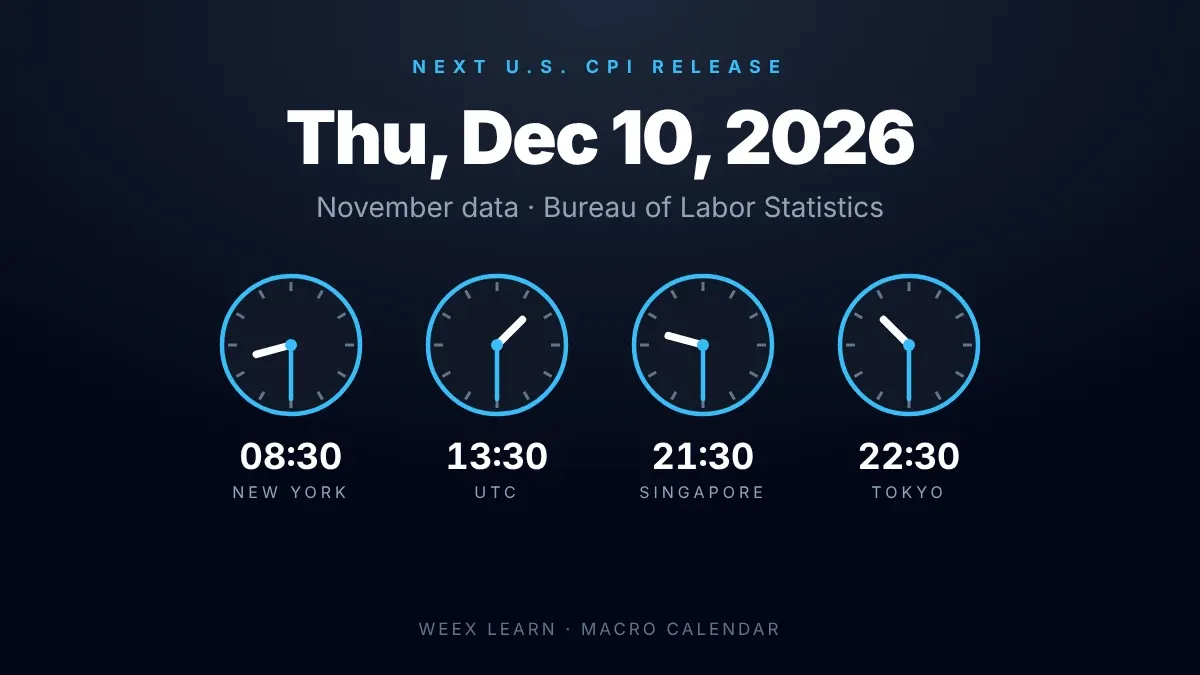
CPI Release Date: Next Report Dec. 10, 2026 at 8:30 a.m. ET
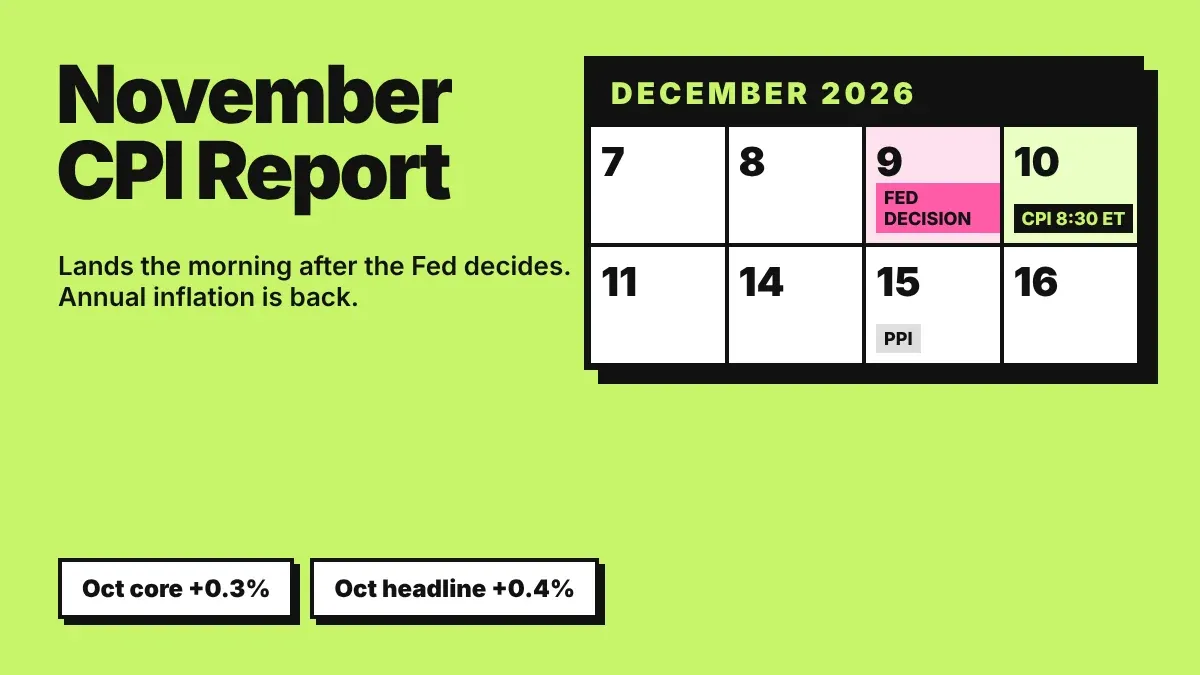
November CPI Report: Dec. 10 Release Lands After the Fed Decides
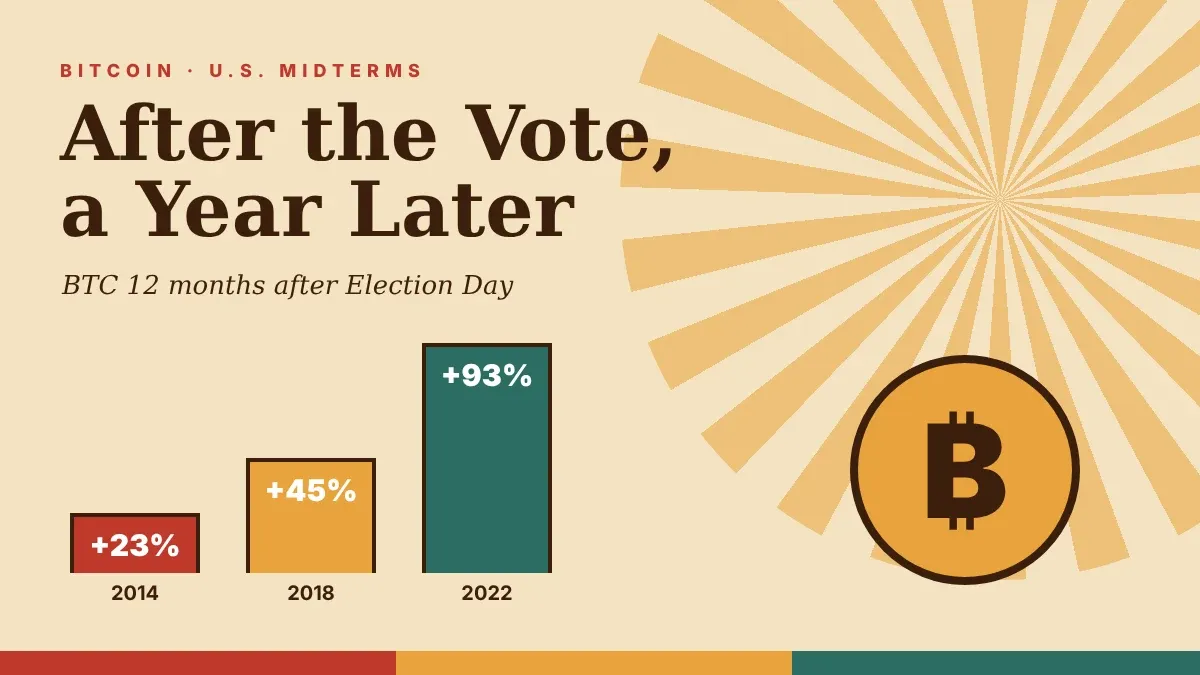
Midterm Elections Bitcoin Price: What 2014, 2018 and 2022 Show

What Is Project Faro? The $270M Bank Stablecoin Plan Explained

Stablecoin Supply Falls $14.2B in 30 Days: What It Means for Bitcoin

Emerging Copy Trading Exchanges for Futures: 5 Retail Favorites

Copy Trading With No Extra Fees: Which Exchanges Really Qualify?

Beginner-Friendly Crypto Exchanges With Simple Interfaces Ranked
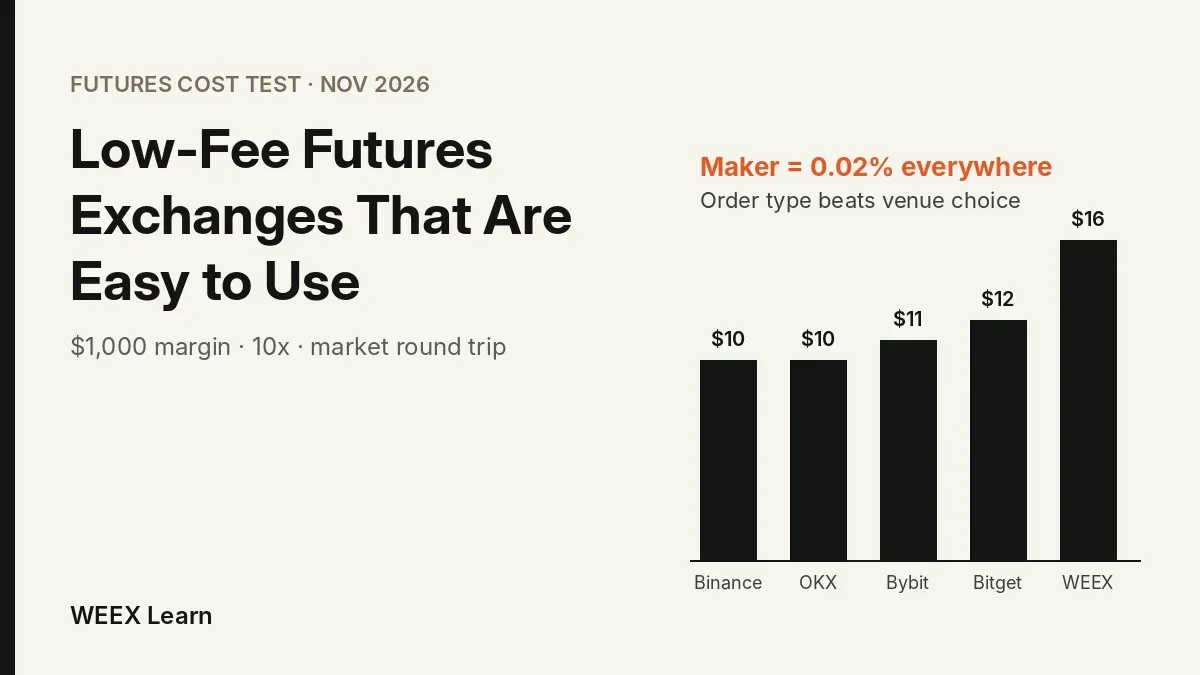
Low-Fee Futures Exchanges That Are Easy to Use: 2026 Cost Test

Is WEEX Safe? Proof of Reserves, 1,000 BTC Fund and Licences Checked (2026)

Bitcoin After Hot CPI: Why December Rate Hike Odds Hit 85%

What Is GRAM? Price Rebounds After Falling Below $1, Telegram Wallet Data and What Is Confirmed
Why Is My WEEX Crypto Withdrawal Still Pending?
PROJECT CORTEX (XTX) Price: Why a 15.8M% Gain and a $6 Billion Market Cap Are Hard to Trust

Copy Trading Platforms With Verified Performance: Spot the Fakes
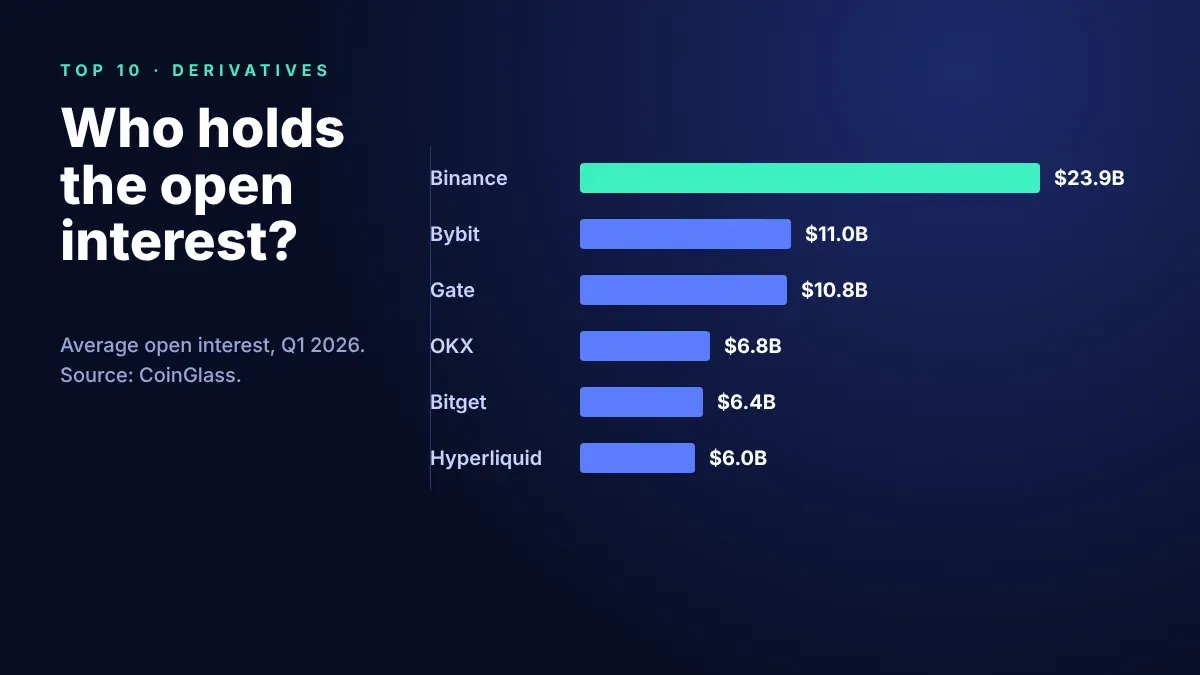
Top 10 Crypto Derivatives Exchanges Worldwide by Open Interest
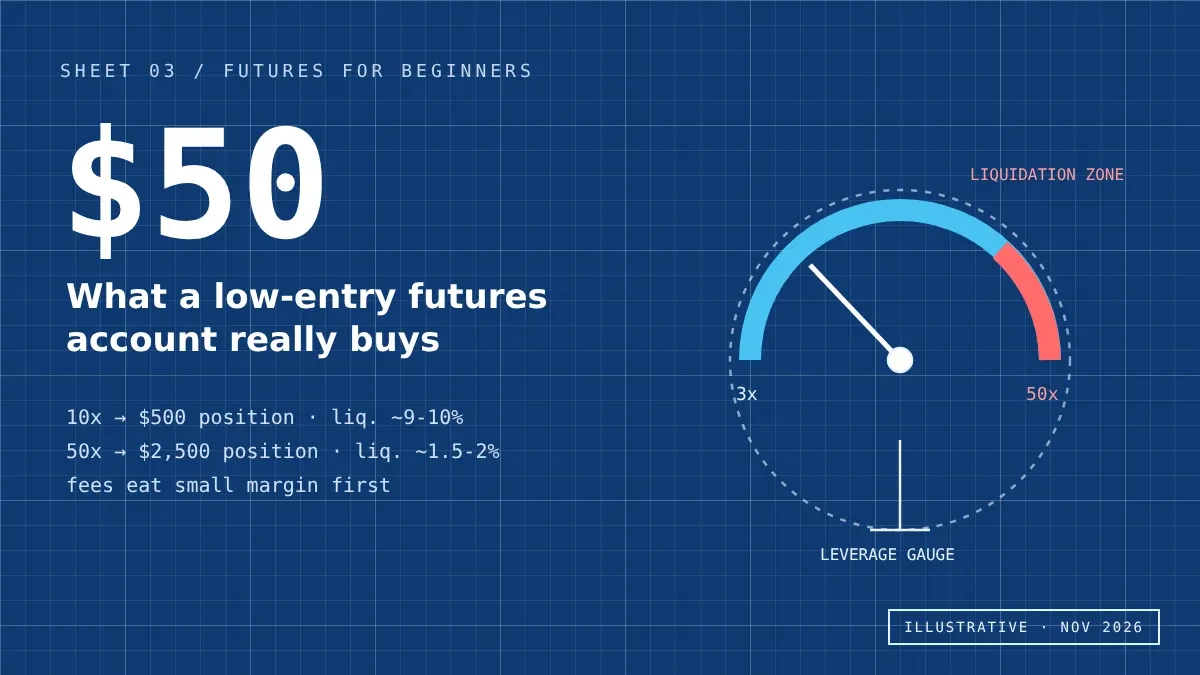
Beginner Futures Exchanges With Low Entry: What $50 Really Buys

User-Friendly Crypto Copy Trading Platforms: 6 Picks Compared

WEEX Review: The Latest Fees, Features, Security and Trading Experience

Midterm Elections Crypto Fallout: $170M Spent, Key Races Lost

FreeBitco.in Shutdown: Frozen Withdrawals and What Users Can Do
Why Is Bitcoin Down Today? BTC's Slide to $76K Explained
Are Bitcoin Lightning Wallets Safe? 5 Security Warnings Since August
Anthropic IPO: ANT Date, Price Range and Valuation
Powell Speech Bitcoin: Why Warsh, Not Powell, Moves BTC in 2026
Fed Rate Cut December 2026? Why Markets Now Price a Hike Instead
Fed Rate Decision Bitcoin: How BTC Reacted to Every 2026 Call
BTC Staking in a Crash: What It Protects and What It Does Not





