
Midterm Elections Bitcoin Price: What 2014, 2018 and 2022 Show

 Prefer us on Google

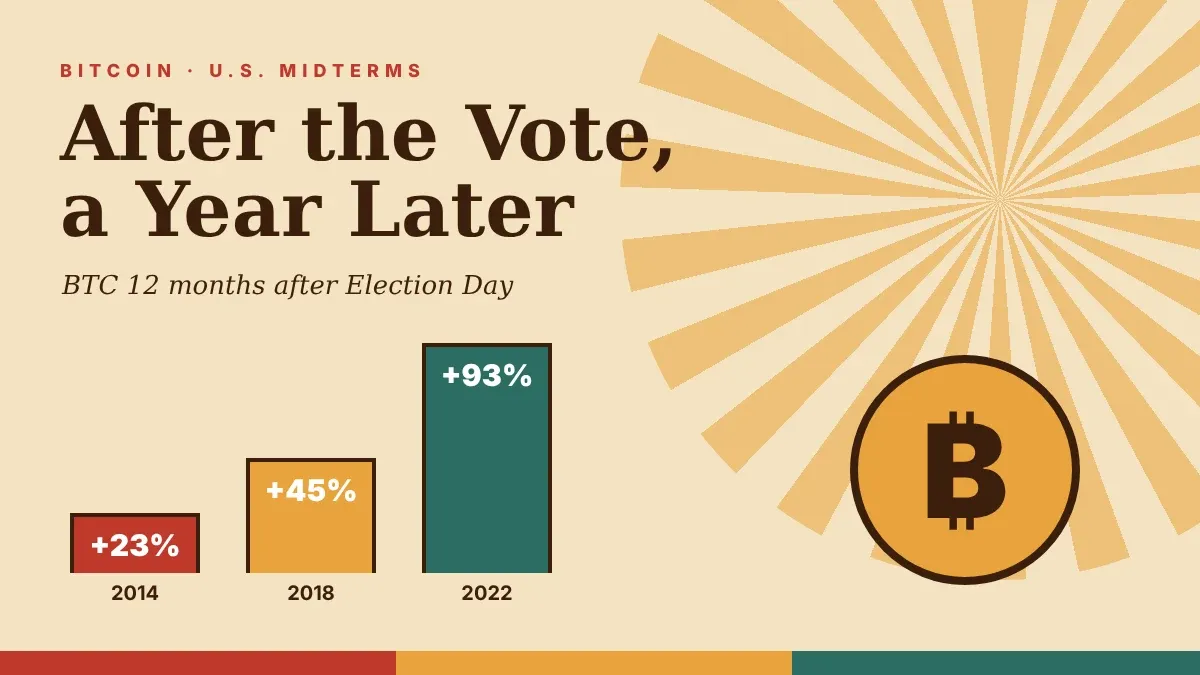
Bitcoin has risen in the 12 months after every U.S. midterm election since 2014, averaging a gain of about 53.7% across 2014, 2018 and 2022, according to CoinDesk's analysis of daily closes. The weeks immediately after those elections were a different story: in 2018 bitcoin fell about 45% within a month, and in 2022 it dropped about 15% the day after the vote. In 2026, bitcoin traded near $80,000 in the run-up to the November 3 midterms and was at about $71,420 on WEEX at 02:00 UTC on November 13. This article looks at how the bitcoin price behaved around each past midterm, why the pattern has more to do with the four-year halving cycle than with politics, and how the 2026 setup compares.
Bitcoin Price Around Past Midterm Elections
Using daily closes on Election Day and the same date a year later, per data compiled by StealthEX and CoinDesk:
- 2014 (November 4): Bitcoin closed at about $330. It rose to about $423 by November 12, then slid to a cycle low near $176 in January 2015. One year after the election, it was about 23% higher.
- 2018 (November 6): Bitcoin closed at about $6,441. It fell roughly 45% over the next 30 days, helped down by the Bitcoin Cash hard fork on November 15, and bottomed near $3,185 on December 15. One year later, it was about 45% higher than on Election Day.
- 2022 (November 8): Bitcoin closed at about $18,521, then fell almost 15% the next day as the FTX collapse unfolded. One year later, it was about 93% higher, near $35,800.
The 2010 midterm is usually left out. Bitcoin traded around $0.19 then, and a gain of more than 1,500% says nothing useful about a market that was barely formed.
Two patterns stand out. Every 12-month return was positive. And in two of the three cases, the first month after the election was sharply negative, with the eventual low coming after Election Day, not before it.
Why the Midterm Pattern Is Really a Halving Pattern
The more important point is that midterm years line up with bitcoin's four-year cycle. Halvings, which cut new bitcoin issuance in half, took place in 2012, 2016, 2020 and 2024. Each one was followed by a rally that peaked 12 to 18 months later, then a bear market.
That puts every midterm since 2014 near the bottom of a bear market:
- 2014 came after the late-2013 peak.
- 2018 came after the December 2017 peak.
- 2022 came after the November 2021 peak.
So when bitcoin rallied in the year after each midterm, it was recovering from a cycle low, not reacting to who won Congress. CoinDesk makes the same point and notes that three data points are too few to draw firm conclusions. For comparison, the S&P 500 has gained an average of about 15.2% in the year after midterms since 1950, versus about 7.3% in other years, per Hartford Funds. Bitcoin's history is far shorter.
How the 2026 Bitcoin Price Fits the Midterm Pattern
The 2026 setup matches the cycle template more closely than many traders expected:
- Before the vote: bitcoin bottomed below $60,000 in June and had bounced more than 35% by late October, trading around $80,000, per CoinDesk.
- Election night: as results showed Democrats winning both chambers, bitcoin slid to a seven-week low around $75,000 overnight on November 3 to 4, then recovered above $80,000 during the November 4 U.S. session.
- The week after: a hotter-than-expected October CPI report on November 10 pushed bitcoin to about $72,787 and raised the odds of a December Fed rate hike.
- Now: about $71,420 on the WEEX Bitcoin price page at 02:00 UTC on November 13, with a 24-hour range of about $71,183 to $74,115.
In other words, the post-election weakness that showed up in 2018 and 2022 has appeared again in 2026. This time, the trigger is macro. Inflation and rate-hike expectations, not the election result itself, have driven the move. For more on how crypto reacted to the results, see our breakdown of the midterm elections and crypto PAC spending.
-- Price
Does a Democratic Congress Change the Bitcoin Outlook?
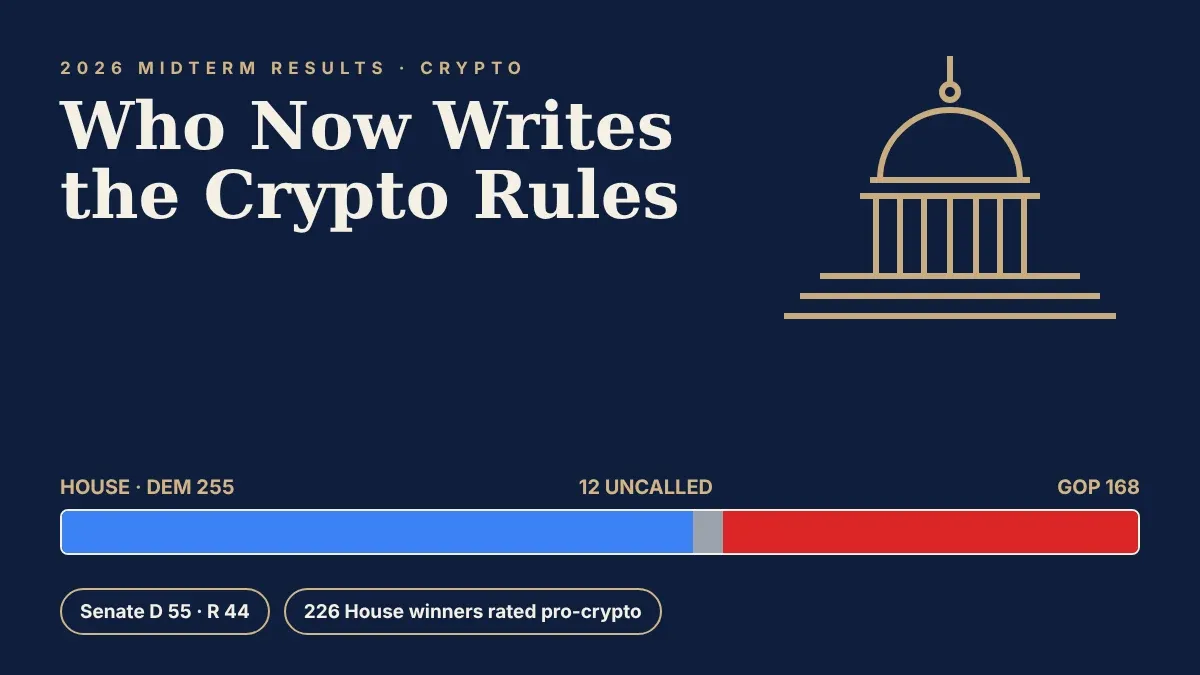
Directly, not much in the short term. Bitcoin's price is set mostly by liquidity, interest rates, ETF flows and leverage. Who controls the House Financial Services or Senate Banking committees matters more for crypto regulation than for bitcoin's day-to-day price.
Indirectly, a few channels are worth watching:
- Market structure legislation. A Republican version of the CLARITY Act is now unlikely to advance in 2027, and House Democrats are drafting an alternative that gives the SEC more oversight. Slower regulatory clarity tends to weigh more on altcoins and exchange tokens than on bitcoin.
- Oversight and investigations. Democratic committee chairs are expected to use hearings and investigations more actively, which can create headline risk for specific companies.
- Gridlock. With a Republican president and a Democratic Congress, sweeping new crypto laws in either direction are less likely before 2029. For bitcoin, policy gridlock is often neutral.
What Bitcoin Traders Should Watch After the Midterms
The historical record says the first month after a midterm can be rough even in years that end higher. In 2026, the near-term calendar is dominated by the Fed:
- November 13: October producer price index.
- December 4: the November jobs report.
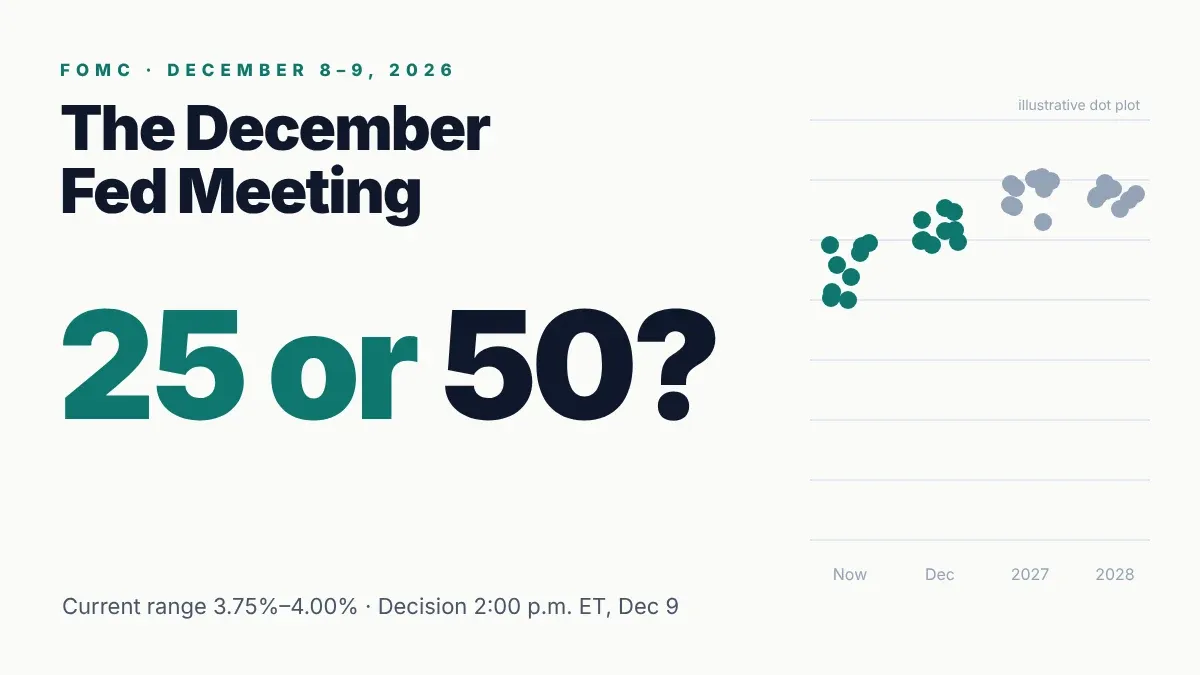
- December 8 to 9: the FOMC meeting, where a rate hike is widely expected.
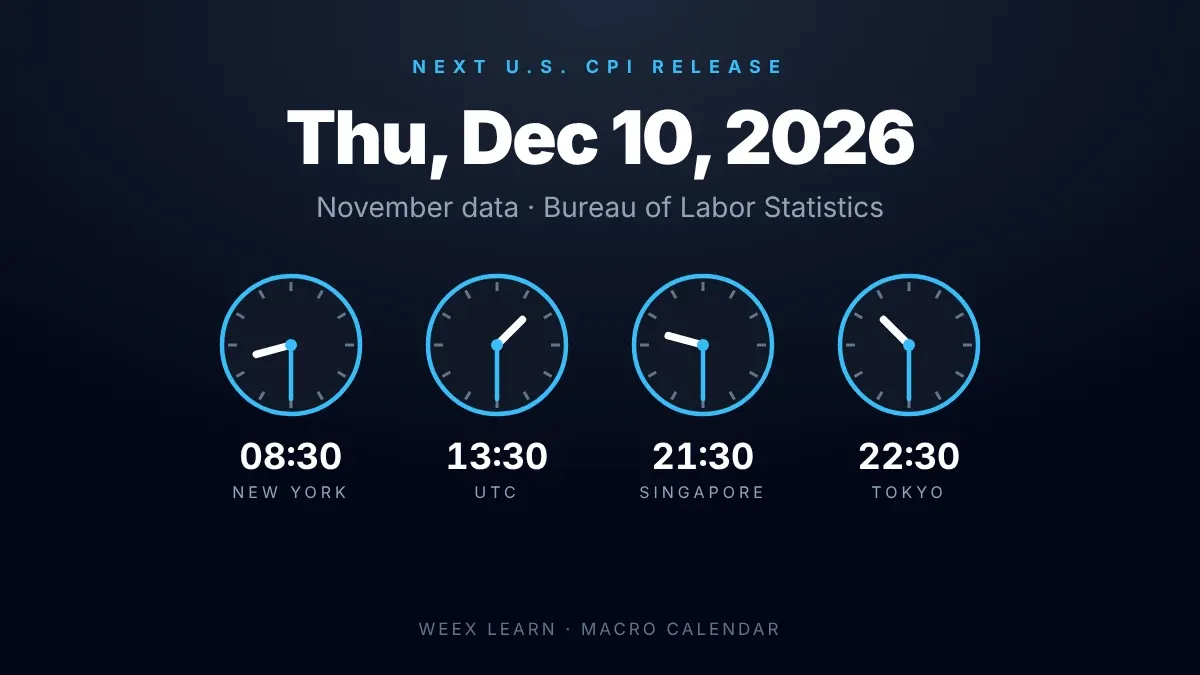
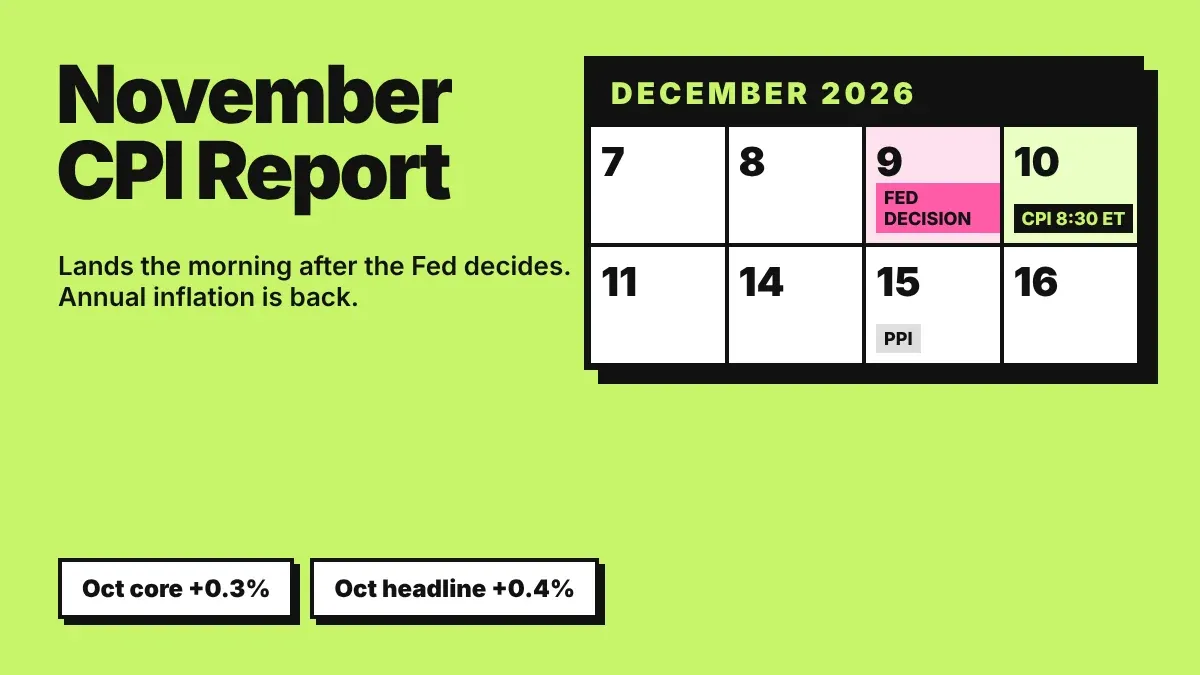
- December 10: the November CPI report, released the day after the Fed decision.
For traders, the practical lesson from 2018 and 2022 is that post-election drawdowns came fast. On the BTC/USDT perpetual futures market on WEEX, macro release days are when liquidations cluster, so position size matters more than conviction about the 12-month average.
FAQ
1. How does bitcoin usually perform after midterm elections?
Bitcoin rose in the 12 months after each midterm in 2014, 2018 and 2022, averaging about 53.7%, per CoinDesk. But it fell sharply in the first month after the 2018 vote and the day after the 2022 vote.
2. Do midterm elections cause bitcoin rallies?
Probably not directly. Every recent midterm fell near the low of bitcoin's four-year halving cycle, so the rallies that followed most likely reflect the cycle rather than election results.
3. What was the bitcoin price on the 2026 midterm election day?
Bitcoin traded around $80,000 before the November 3 vote, slid to about $75,000 overnight as results came in, and recovered above $80,000 on November 4 before falling again after the October CPI report.
4. What is the bitcoin price now after the 2026 midterms?
Bitcoin was at about $71,420 on WEEX at 02:00 UTC on November 13, 2026, with a 24-hour range of roughly $71,183 to $74,115.
This content is provided for general informational purposes only and doesn't constitute financial, investment, legal, or tax advice. Any events, rewards, online promotions, or related information mentioned herein should not be considered a recommendation, solicitation, or invitation to purchase, sell, trade, or otherwise deal in any crypto assets. Crypto assets are highly volatile and may result in loss. The availability of WEEX services, products, and related events may vary by region. You are responsible for ensuring that your participation is in accordance with applicable local laws and regulations.
You may also like

Are Bitcoin Lightning Wallets Safe? 5 Security Warnings Since August

Anthropic IPO: ANT Date, Price Range and Valuation

Powell Speech Bitcoin: Why Warsh, Not Powell, Moves BTC in 2026
Fed Rate Cut December 2026? Why Markets Now Price a Hike Instead
Fed Rate Decision Bitcoin: How BTC Reacted to Every 2026 Call

BTC Staking in a Crash: What It Protects and What It Does Not
Bitcoin Falls Toward $70K: ETF Outflows, Liquidations and What Happens Next
December FOMC Meeting 2026: Dec. 8-9 Rate Hike, 25 or 50 Bps?
CPI Release Date: Next Report Dec. 10, 2026 at 8:30 a.m. ET
November CPI Report: Dec. 10 Release Lands After the Fed Decides
Midterm Election Results Crypto: Who Now Controls Crypto Policy

What Is Project Faro? The $270M Bank Stablecoin Plan Explained

Stablecoin Supply Falls $14.2B in 30 Days: What It Means for Bitcoin
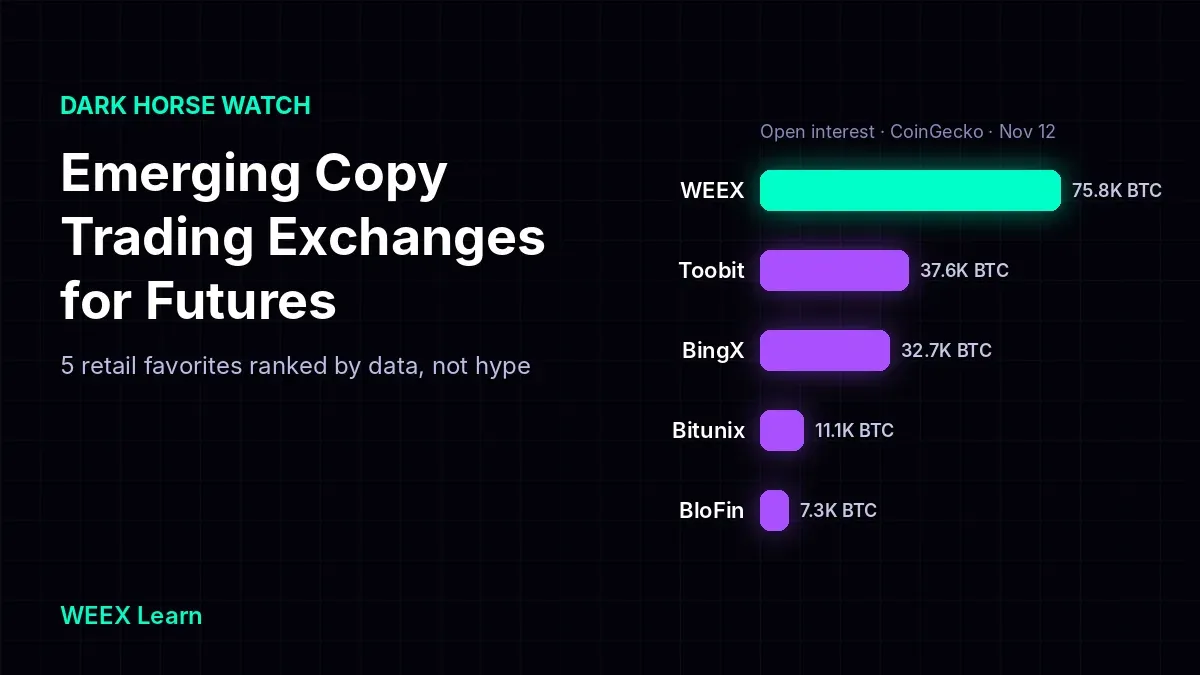
Emerging Copy Trading Exchanges for Futures: 5 Retail Favorites

Copy Trading With No Extra Fees: Which Exchanges Really Qualify?

Beginner-Friendly Crypto Exchanges With Simple Interfaces Ranked
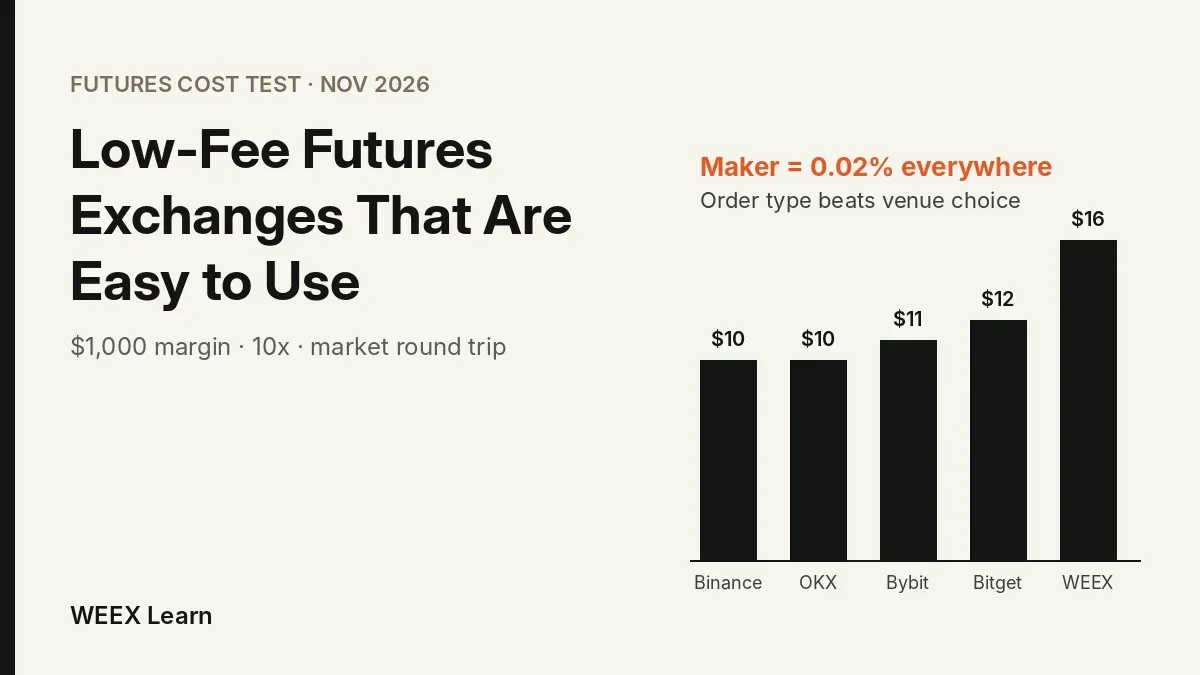
Low-Fee Futures Exchanges That Are Easy to Use: 2026 Cost Test

Is WEEX Safe? Proof of Reserves, 1,000 BTC Fund and Licences Checked (2026)
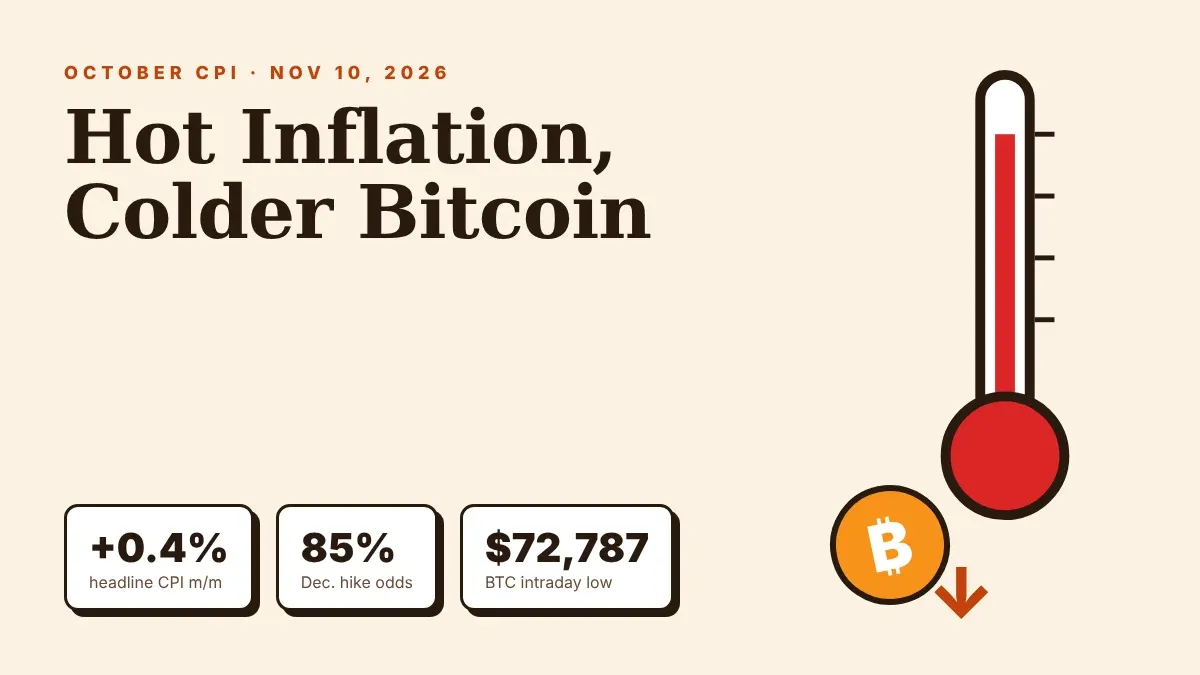
Bitcoin After Hot CPI: Why December Rate Hike Odds Hit 85%

What Is GRAM? Price Rebounds After Falling Below $1, Telegram Wallet Data and What Is Confirmed
Why Is My WEEX Crypto Withdrawal Still Pending?

PROJECT CORTEX (XTX) Price: Why a 15.8M% Gain and a $6 Billion Market Cap Are Hard to Trust

Copy Trading Platforms With Verified Performance: Spot the Fakes
Top 10 Crypto Derivatives Exchanges Worldwide by Open Interest
Beginner Futures Exchanges With Low Entry: What $50 Really Buys
User-Friendly Crypto Copy Trading Platforms: 6 Picks Compared

WEEX Review: The Latest Fees, Features, Security and Trading Experience
Midterm Elections Crypto Fallout: $170M Spent, Key Races Lost

FreeBitco.in Shutdown: Frozen Withdrawals and What Users Can Do
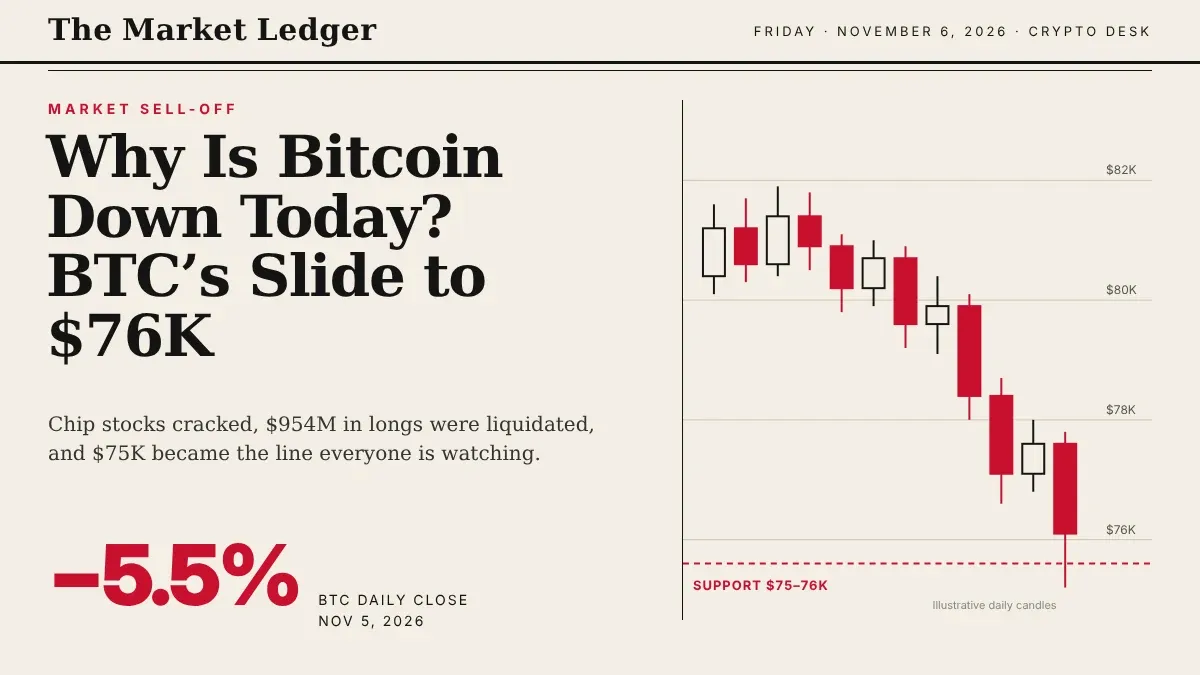
Why Is Bitcoin Down Today? BTC's Slide to $76K Explained
Are Bitcoin Lightning Wallets Safe? 5 Security Warnings Since August
Anthropic IPO: ANT Date, Price Range and Valuation
Powell Speech Bitcoin: Why Warsh, Not Powell, Moves BTC in 2026
Fed Rate Cut December 2026? Why Markets Now Price a Hike Instead
Fed Rate Decision Bitcoin: How BTC Reacted to Every 2026 Call
BTC Staking in a Crash: What It Protects and What It Does Not





