
Bitcoin Volatility: Unraveling the Options-Driven Price Dynamics

 Prefer us on Google

Key Takeaways
- Bitcoin’s recent surge in volatility suggests a shift back to options-driven market movements.
- The rise in implied volatility could imply parallels to Bitcoin’s explosive price actions of early 2021.
- Despite volatility, analysts argue that Bitcoin’s long-term fundamentals remain strong.
- Understanding the role of options positioning can provide insights into Bitcoin’s future price trajectory.
Introduction: The Resurgence of Bitcoin Volatility
Bitcoin, known for its volatility, is once again experiencing fluctuations that hint towards a return to options-driven price dynamics. Over the past couple of months, the volatility in Bitcoin’s price has been on the rise, reminiscent of periods before Bitcoin exchange-traded funds (ETFs) tempered these fluctuations. This could imply a potential market transition, where options play a pivotal role in shaping Bitcoin’s price action.
Analyzing the Surge in Bitcoin Volatility
In recent times, Bitcoin’s implied volatility has seen a gradual increase, indicating a potential reversal to the times when options were instrumental in creating market movements. Notably, Bitcoin’s implied volatility has not breached the 80% mark since the approval of Bitcoin ETFs in the United States. However, current trends show that this volatility is inching towards approximately 60% as of now.
Jeff Park, a market analyst from Bitwise, highlights this volatility as an indicator of possible exciting times ahead. He draws parallels to January 2021, when Bitcoin experienced a massive price surge that eventually led to a new all-time high of $69,000 in November of that year. Park emphasizes that, “Ultimately, it is options positioning, not just spot flows, that creates the decisive moves that carry Bitcoin to new highs.” This implies that options could once again drive significant market moves, potentially reigniting the dynamics seen in past bull runs.
-- Price
The Impact of ETFs and Institutional Investments on Bitcoin Volatility
Contrary to some beliefs that Bitcoin’s integration into more mature market structures, facilitated by ETFs and institutional investors, would permanently smooth out price volatility, recent trends suggest otherwise. While ETFs have undoubtedly contributed to a more structured market environment, the current uptick in volatility highlights the persistent influence of options markets.
Correcting the notion that the presence of institutional investors has fundamentally altered Bitcoin’s volatility, the analysis underscores the enduring role of options in driving market movements. This rise in volatility amidst a broader market downturn illustrates that Bitcoin’s market activity is not solely dictated by passive investment vehicles but remains dynamically influenced by options positioning.
Market Reactions: From Bearish Fears to Bullish Prospects
The broader crypto market has not been immune to these shifts, with Bitcoin experiencing significant price corrections in recent weeks, falling below $85,000. This has sparked concerns of a potential imminent bear market. However, industry experts argue that these fluctuations are part of a “tactical rebalancing,” rather than indicative of a broader institutional withdrawal.
Analysts from Bitfinex underscore that Bitcoin’s long-term fundamentals, such as price appreciation and institutional adoption, remain strong despite the current turbulence. They view the current volatility as reflective of short-term market dynamics, rather than a shift in the overall demand or faith in Bitcoin as a viable asset class.
The Role of Market Regulations and Implications for Future Trends
Market volatility can often be influenced by regulatory developments or macroeconomic pressures, leading to changes in trading patterns and investment strategies. As more jurisdictions develop comprehensive regulations for cryptocurrencies, these frameworks could impact market behavior, either stabilizing it or contributing to further volatility.
The interplay between regulations, market maturity, and investor behavior continues to shape the landscape for cryptocurrencies like Bitcoin. As options markets regain prominence, this could further contribute to Bitcoin’s price dynamics and market volatility, providing both challenges and opportunities for investors navigating this complex environment.
Brand Alignment and Market Position: Empowering Investors on WEEX
Amidst these dynamic market conditions, WEEX remains committed to providing a robust platform for cryptocurrency trading. With a focus on security, transparency, and user empowerment, WEEX ensures that investors can navigate through market fluctuations with greater confidence. By offering comprehensive tools and resources, WEEX empowers its users to make informed investment decisions, regardless of market volatility.
In aligning its services with the evolving needs of the cryptocurrency market, WEEX continues to enhance its platform, ensuring a seamless trading experience. This commitment to excellence reinforces WEEX’s position as a trusted partner in the cryptocurrency ecosystem, adapting to market changes and empowering traders to capitalize on new opportunities.
Frequently Asked Questions (FAQ)
What is driving the recent increase in Bitcoin’s volatility?
The recent increase in Bitcoin’s volatility appears to be driven primarily by the resurgence of options-driven market movements. This shift suggests that options are once again playing a significant role in influencing Bitcoin’s price, reminiscent of dynamics seen in prior bull markets.
How do Bitcoin ETFs affect volatility?
Bitcoin ETFs have contributed to creating a more structured market environment, potentially smoothing out price volatility to some extent. However, the enduring influence of options markets means that Bitcoin’s volatility remains susceptible to changes, even in the presence of ETFs.
Are current volatility levels indicative of a bear market?
While Bitcoin has experienced a significant price correction recently, industry experts argue that this is more reflective of tactical market rebalancing rather than an impending bear market. Long-term fundamentals for Bitcoin remain robust, with institutional adoption and price appreciation trends still positive.
How do options impact Bitcoin’s price?
Options play a pivotal role in driving Bitcoin’s price movements, as options positioning can create significant market shifts. This influence of options is evident in past periods of explosive price action, where options drove Bitcoin to reach new all-time highs.
How does WEEX support traders amidst market volatility?
WEEX provides a secure and transparent platform for cryptocurrency trading, offering comprehensive tools and resources to help traders navigate market volatility. By empowering users with valuable insights and robust trading utilities, WEEX ensures that traders can make informed investment decisions in a dynamic market environment.
This content is provided for general informational purposes only and doesn't constitute financial, investment, legal, or tax advice. Any events, rewards, online promotions, or related information mentioned herein should not be considered a recommendation, solicitation, or invitation to purchase, sell, trade, or otherwise deal in any crypto assets. Crypto assets are highly volatile and may result in loss. The availability of WEEX services, products, and related events may vary by region. You are responsible for ensuring that your participation is in accordance with applicable local laws and regulations.
You may also like

Are Bitcoin Lightning Wallets Safe? 5 Security Warnings Since August

Anthropic IPO: ANT Date, Price Range and Valuation
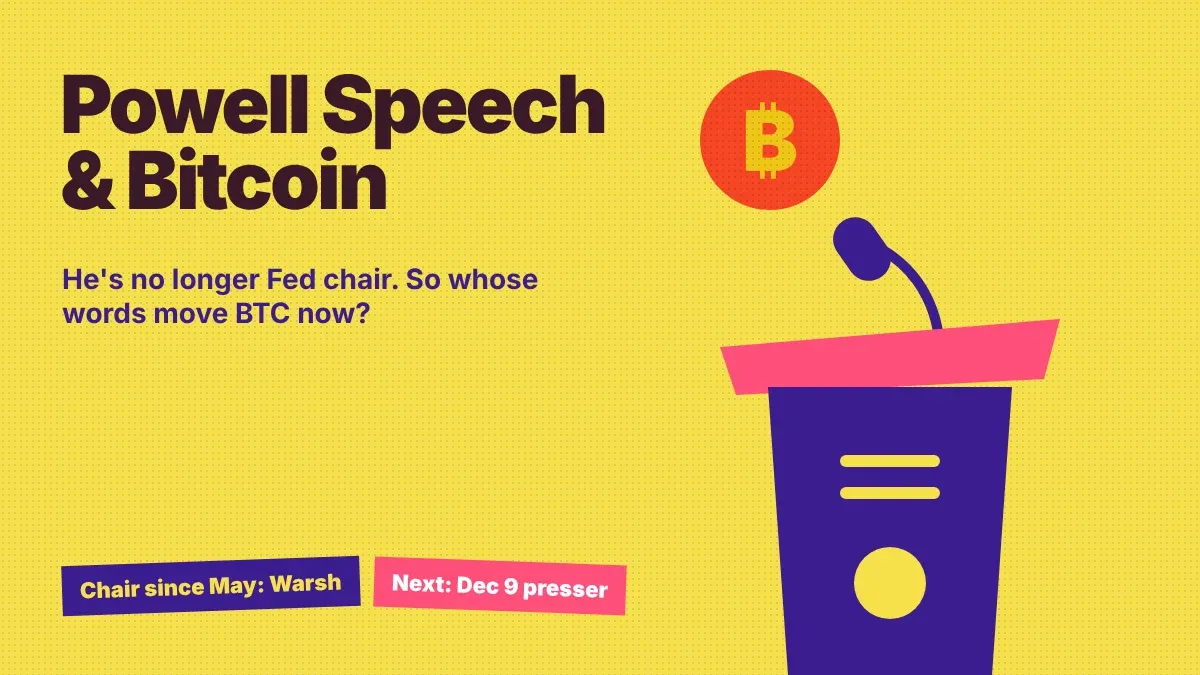
Powell Speech Bitcoin: Why Warsh, Not Powell, Moves BTC in 2026
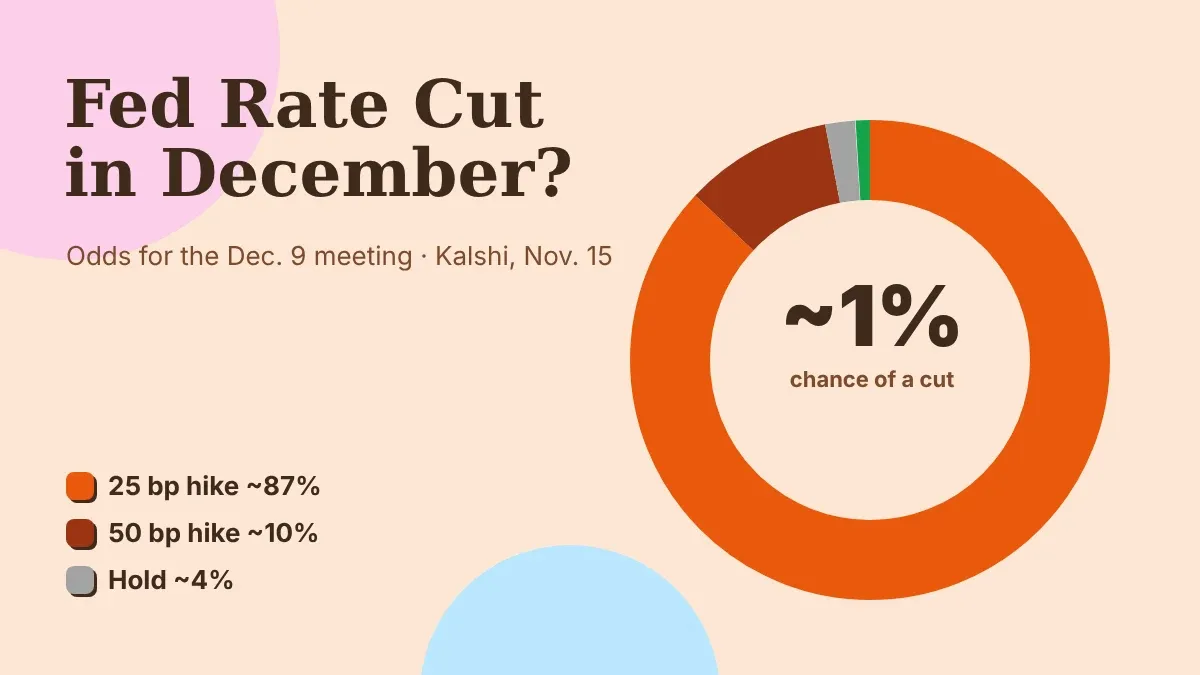
Fed Rate Cut December 2026? Why Markets Now Price a Hike Instead
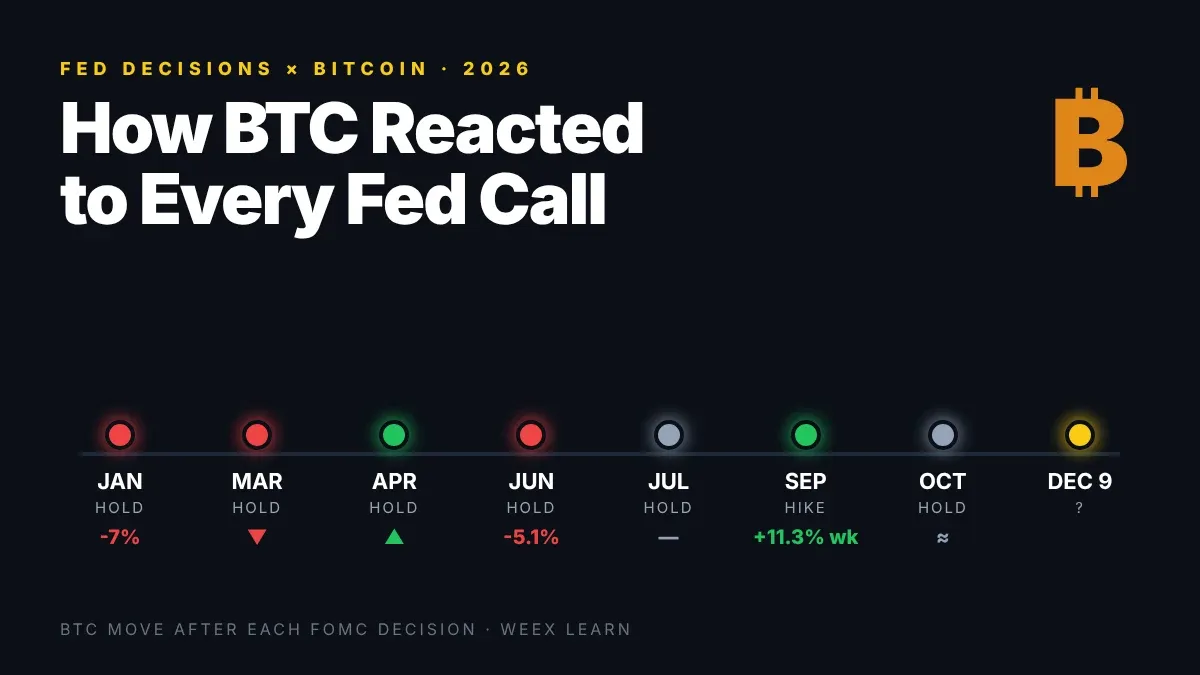
Fed Rate Decision Bitcoin: How BTC Reacted to Every 2026 Call

BTC Staking in a Crash: What It Protects and What It Does Not
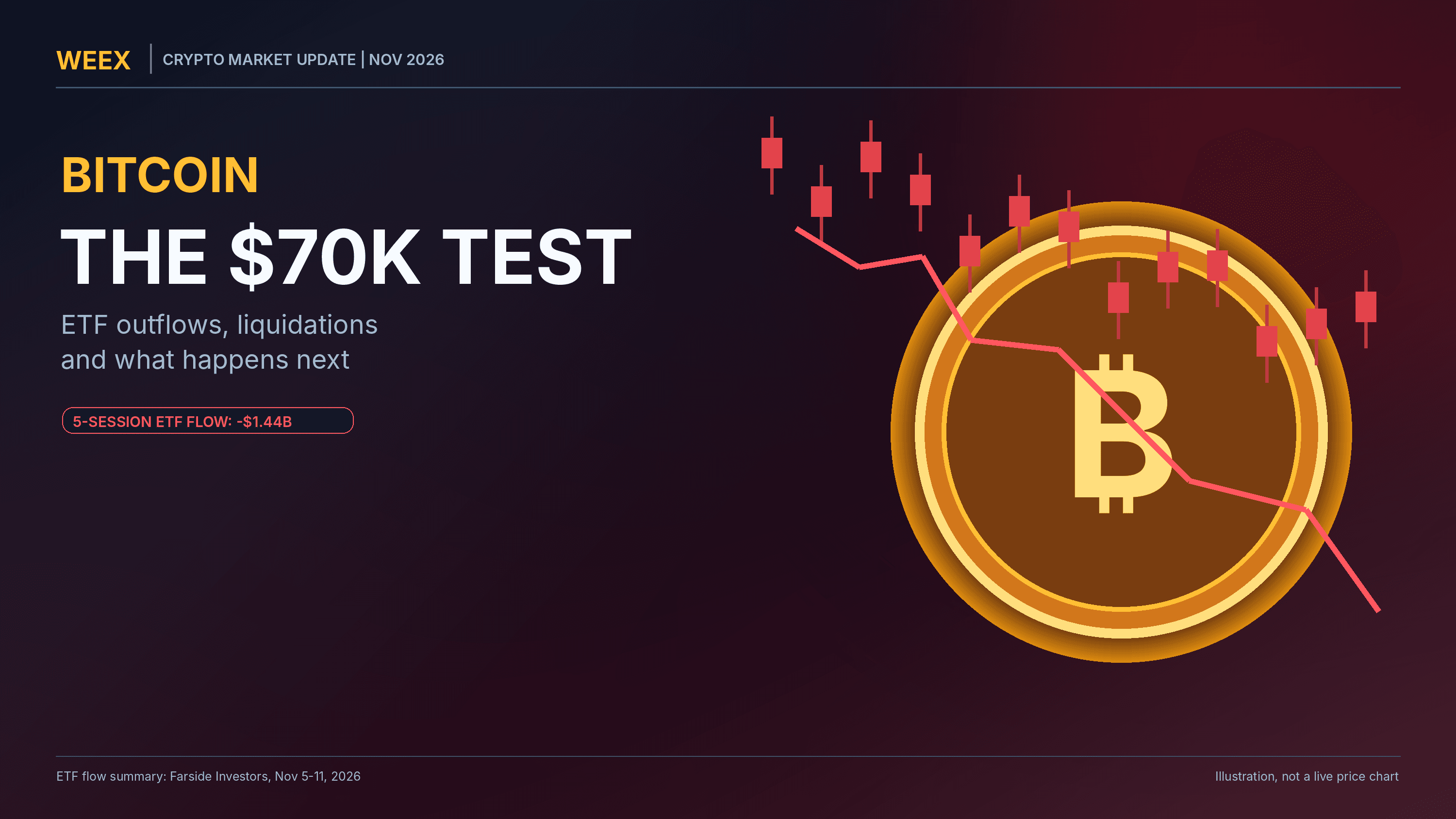
Bitcoin Falls Toward $70K: ETF Outflows, Liquidations and What Happens Next
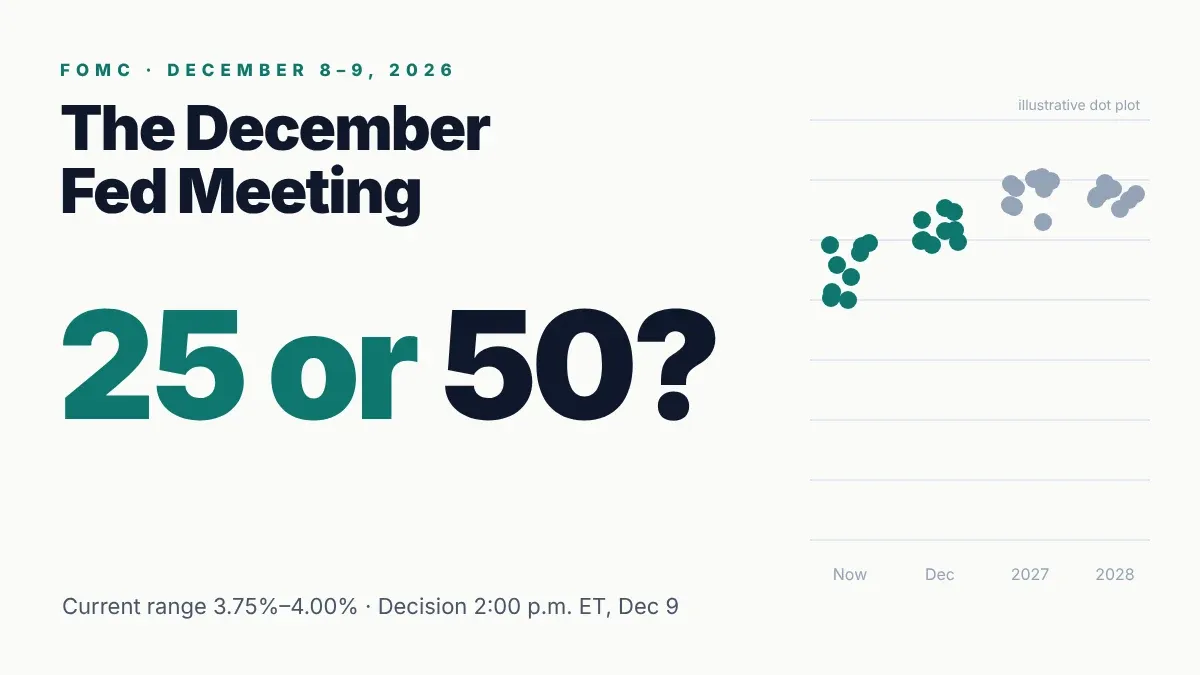
December FOMC Meeting 2026: Dec. 8-9 Rate Hike, 25 or 50 Bps?
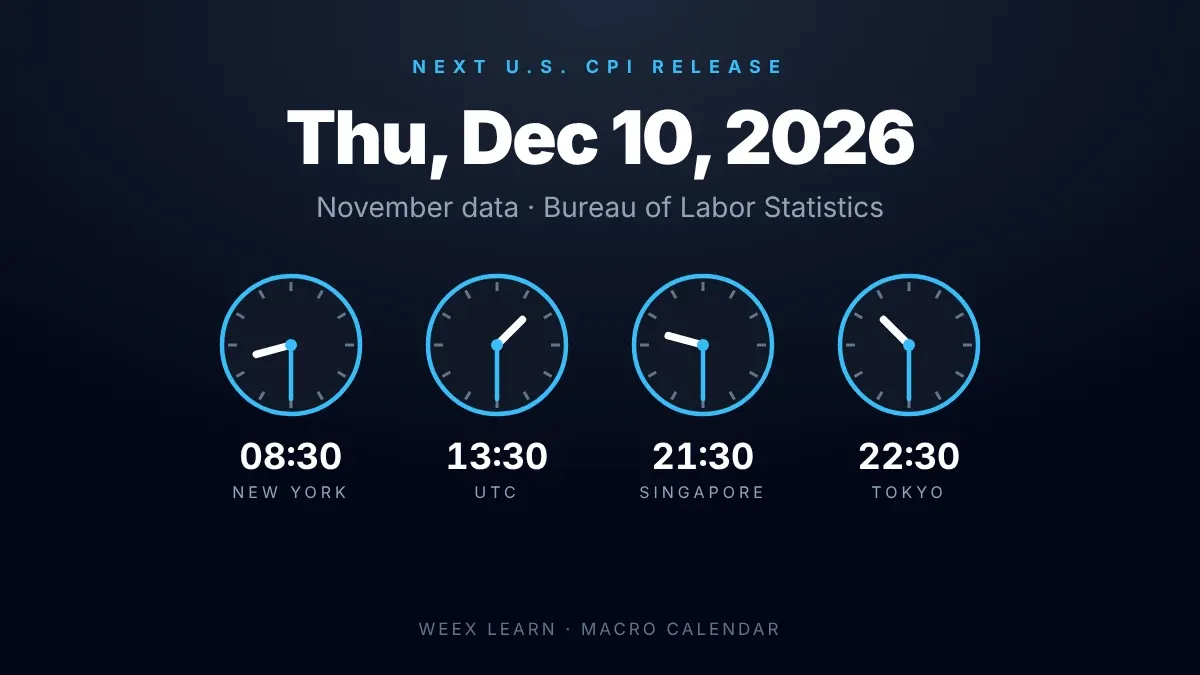
CPI Release Date: Next Report Dec. 10, 2026 at 8:30 a.m. ET
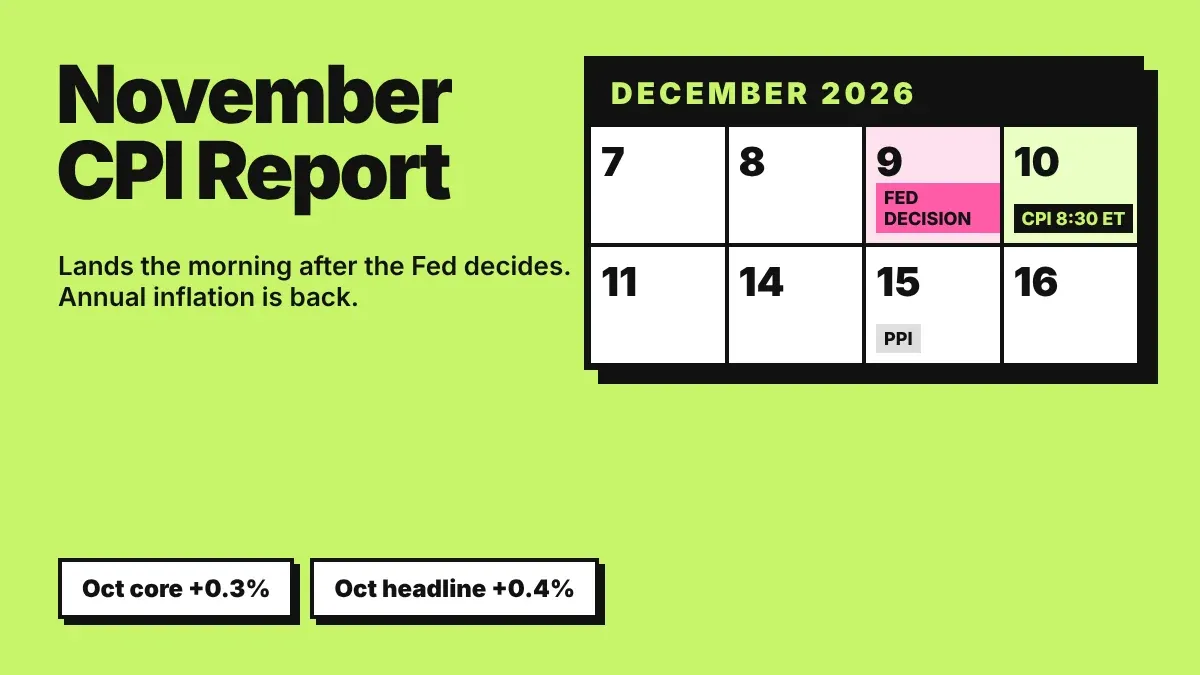
November CPI Report: Dec. 10 Release Lands After the Fed Decides
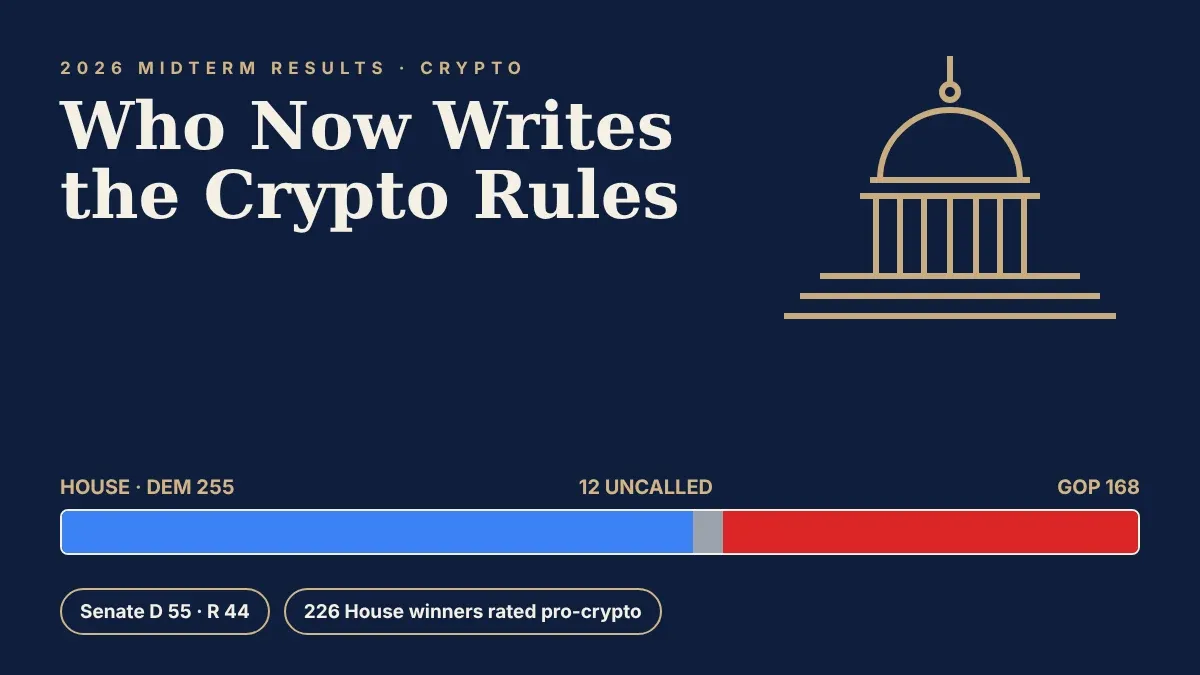
Midterm Election Results Crypto: Who Now Controls Crypto Policy
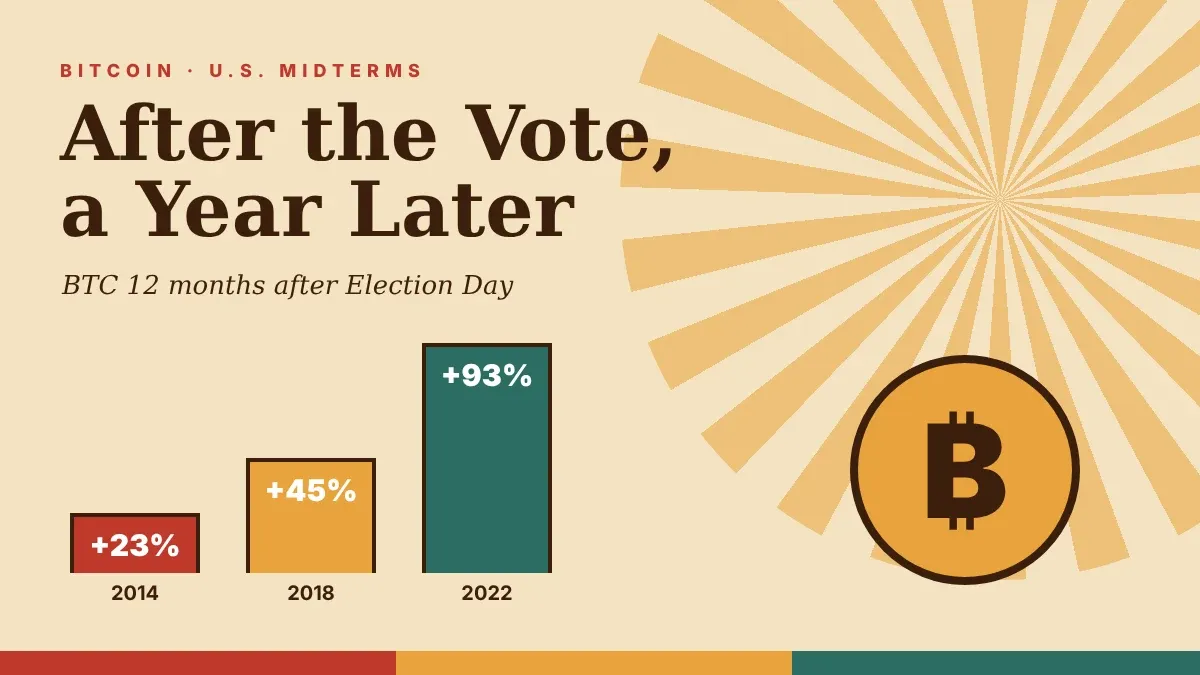
Midterm Elections Bitcoin Price: What 2014, 2018 and 2022 Show

What Is Project Faro? The $270M Bank Stablecoin Plan Explained

Stablecoin Supply Falls $14.2B in 30 Days: What It Means for Bitcoin
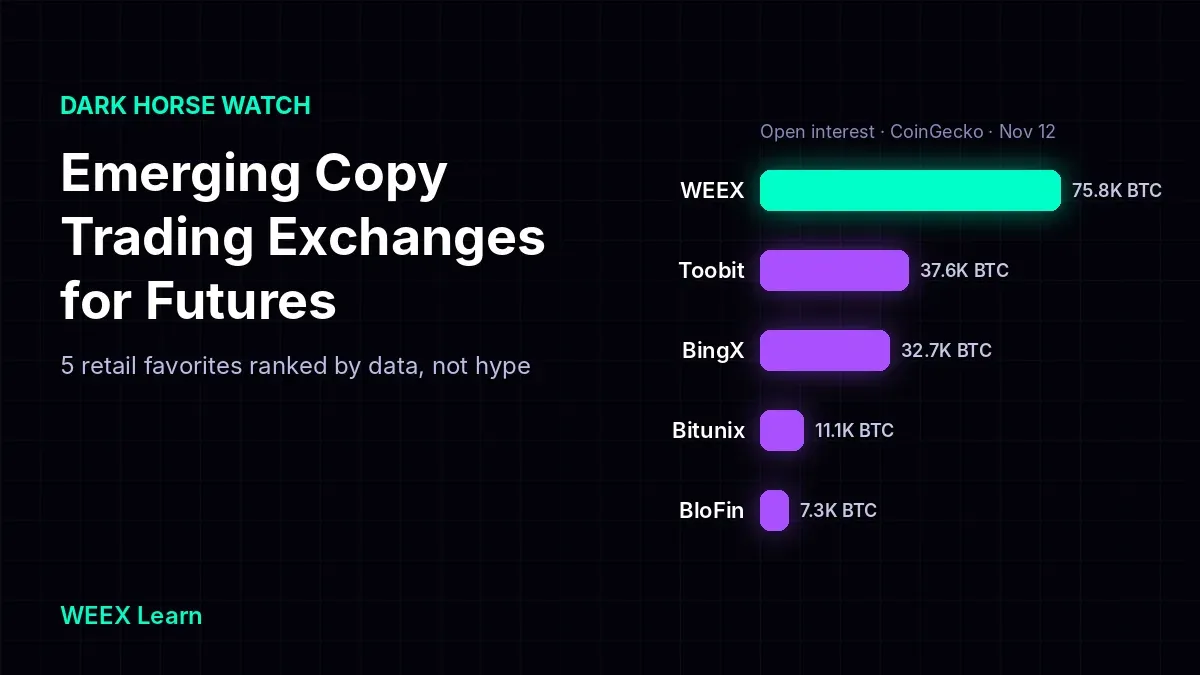
Emerging Copy Trading Exchanges for Futures: 5 Retail Favorites

Copy Trading With No Extra Fees: Which Exchanges Really Qualify?

Beginner-Friendly Crypto Exchanges With Simple Interfaces Ranked
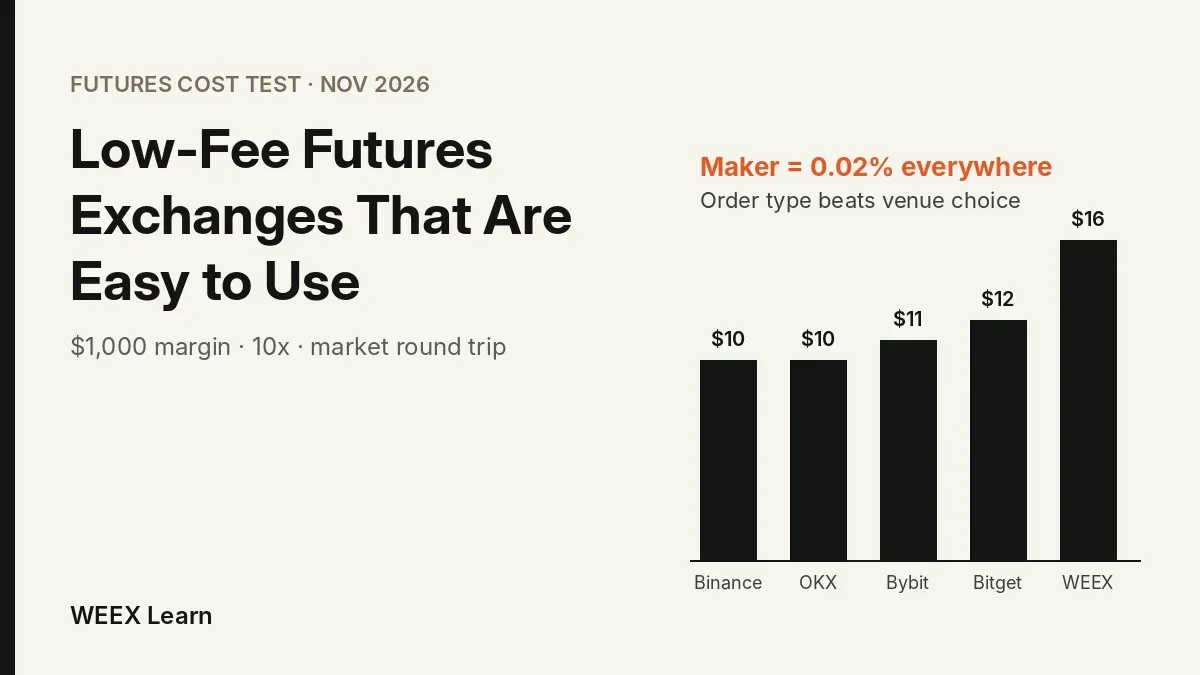
Low-Fee Futures Exchanges That Are Easy to Use: 2026 Cost Test

Is WEEX Safe? Proof of Reserves, 1,000 BTC Fund and Licences Checked (2026)
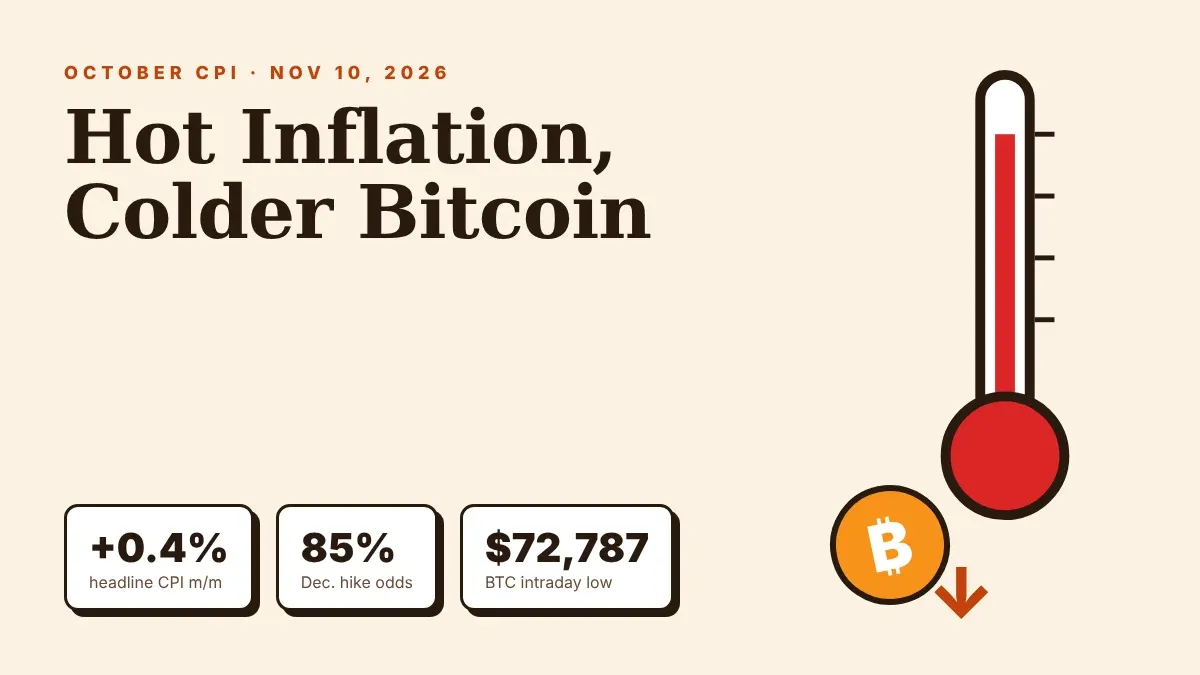
Bitcoin After Hot CPI: Why December Rate Hike Odds Hit 85%

What Is GRAM? Price Rebounds After Falling Below $1, Telegram Wallet Data and What Is Confirmed
Why Is My WEEX Crypto Withdrawal Still Pending?

PROJECT CORTEX (XTX) Price: Why a 15.8M% Gain and a $6 Billion Market Cap Are Hard to Trust

Copy Trading Platforms With Verified Performance: Spot the Fakes
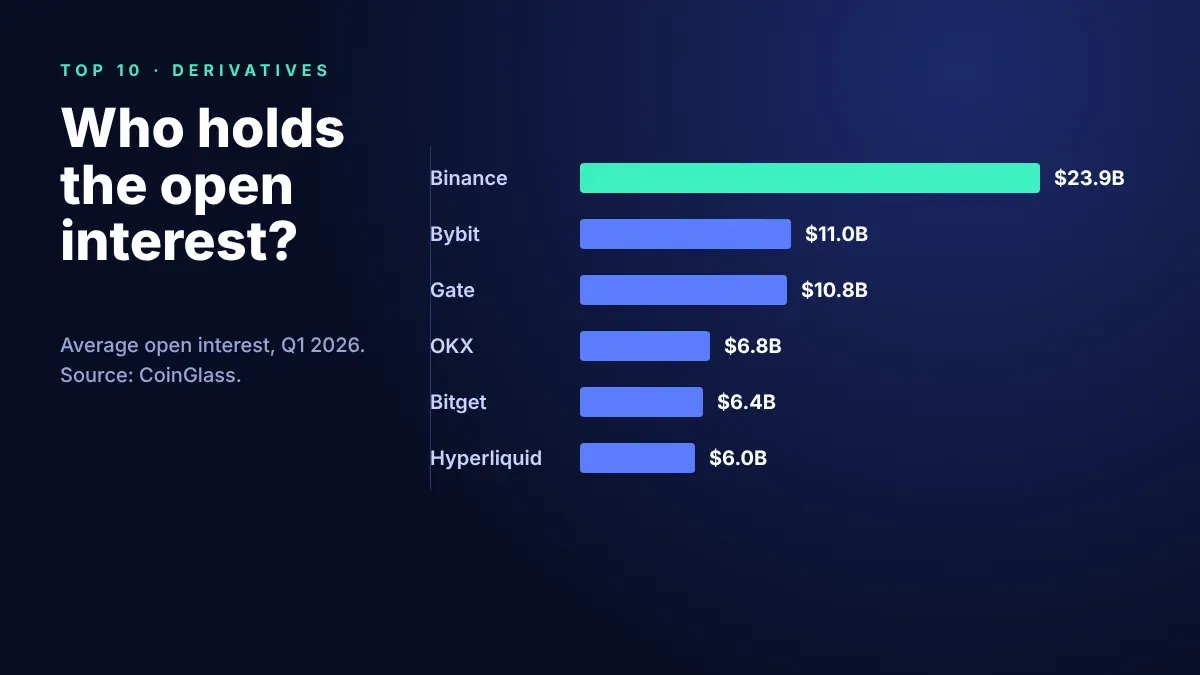
Top 10 Crypto Derivatives Exchanges Worldwide by Open Interest
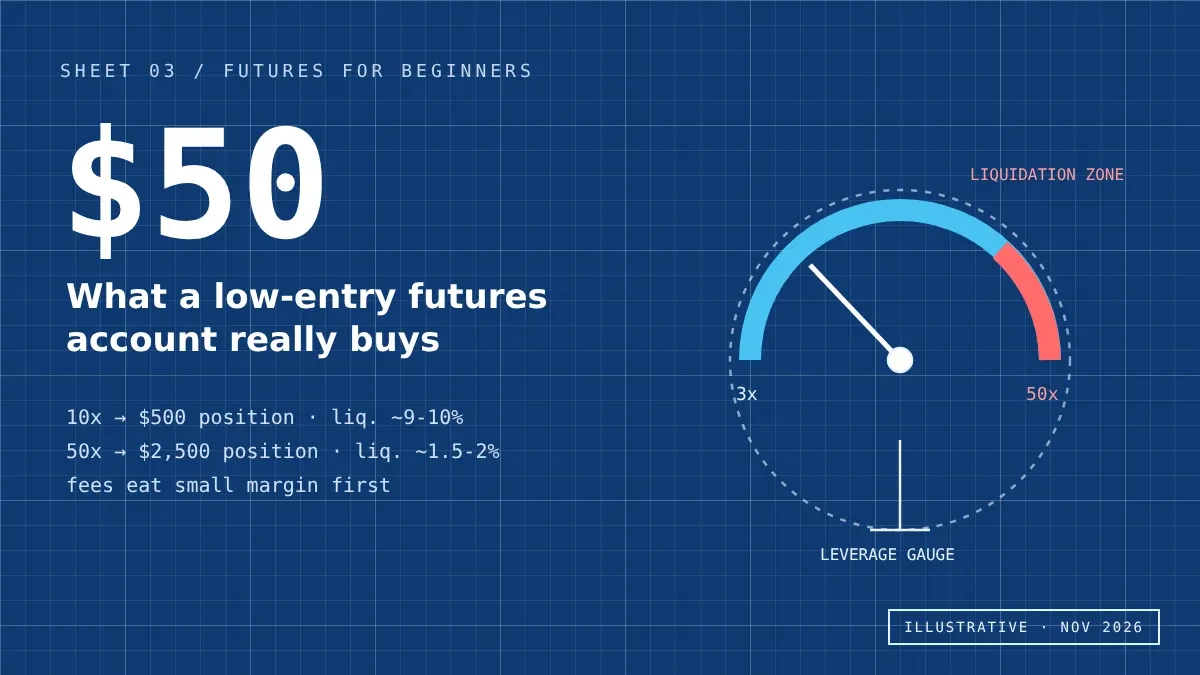
Beginner Futures Exchanges With Low Entry: What $50 Really Buys
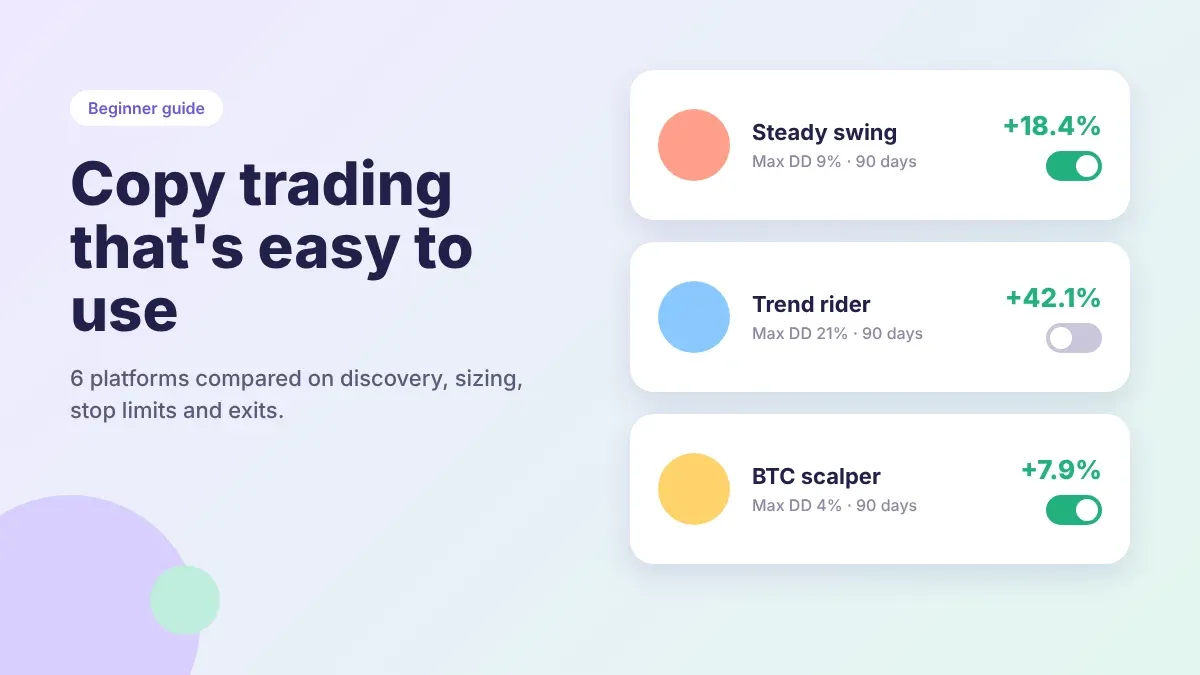
User-Friendly Crypto Copy Trading Platforms: 6 Picks Compared

WEEX Review: The Latest Fees, Features, Security and Trading Experience
Midterm Elections Crypto Fallout: $170M Spent, Key Races Lost

FreeBitco.in Shutdown: Frozen Withdrawals and What Users Can Do
Are Bitcoin Lightning Wallets Safe? 5 Security Warnings Since August
Anthropic IPO: ANT Date, Price Range and Valuation
Powell Speech Bitcoin: Why Warsh, Not Powell, Moves BTC in 2026
Fed Rate Cut December 2026? Why Markets Now Price a Hike Instead
Fed Rate Decision Bitcoin: How BTC Reacted to Every 2026 Call
BTC Staking in a Crash: What It Protects and What It Does Not





