
Difference Between Blockchain and Bitcoin

 Prefer us on Google

For beginners in cryptocurrency, the terminology can be confusing. Some use "Bitcoin" when discussing blockchain technology, while others say "blockchain" when referring to cryptocurrencies in general. However, these terms aren’t interchangeable—they represent distinct but related concepts. Understanding their differences is key. Below, we explain the basics of blockchain, cryptocurrencies, and Bitcoin.
Here is a Very Basic Analogy
- Websites are a technology designed for sharing information online.
- Search engines are among the most common and widely recognized applications of website technology.
- Google, in turn, is one of the most popular and well-known search engines.
Similarly:
- Blockchain is a decentralized technology for storing data in secure, linked blocks.
- Cryptocurrency is the most widely recognized application of blockchain technology.
- Bitcoin, as the first and most dominant cryptocurrency, remains its flagship example.
Blockchain
Blockchain is a decentralized digital ledger technology where each block securely links to the previous one through cryptographic hashes, containing timestamped transaction data. This distributed structure across multiple computers ensures security and transparency, eliminating single points of failure while preventing tampering. While best known for powering Bitcoin and other cryptocurrencies, blockchain's applications extend far beyond digital assets to any system requiring verifiable, trustless record-keeping.
Bitcoin
Bitcoin, launched in 2009 by the anonymous Satoshi Nakamoto, was the first cryptocurrency. Designed as a decentralized payment system, it relies on cryptography and mathematical proofs. Though the most prominent, Bitcoin isn’t alone—many other cryptocurrencies exist, each with unique features. Some operate on existing blockchains, while others built their own from scratch.
A key feature of Bitcoin is its limited supply—capped at 21 million coins, ensuring scarcity. This contrasts with other cryptocurrencies, which may have different supply models. Details like circulating supply and price are publicly available, such as on Binance Info.
Bitcoin’s open-source protocol allows anyone to review or modify its code. A global community of developers contributes to its ongoing evolution, ensuring transparency and innovation in the network.
Final Thoughts
Understanding crypto begins with grasping three key layers: blockchain (the foundational technology) and Bitcoin (the pioneering application). Like websites powering search engines, blockchain enables cryptocurrencies—with Bitcoin as its breakthrough example. While interconnected, these terms aren’t interchangeable. Clarity here unlocks smarter exploration of the crypto space.
-- Price
This content is provided for general informational purposes only and doesn't constitute financial, investment, legal, or tax advice. Any events, rewards, online promotions, or related information mentioned herein should not be considered a recommendation, solicitation, or invitation to purchase, sell, trade, or otherwise deal in any crypto assets. Crypto assets are highly volatile and may result in loss. The availability of WEEX services, products, and related events may vary by region. You are responsible for ensuring that your participation is in accordance with applicable local laws and regulations.
You may also like

Are Bitcoin Lightning Wallets Safe? 5 Security Warnings Since August

Anthropic IPO: ANT Date, Price Range and Valuation
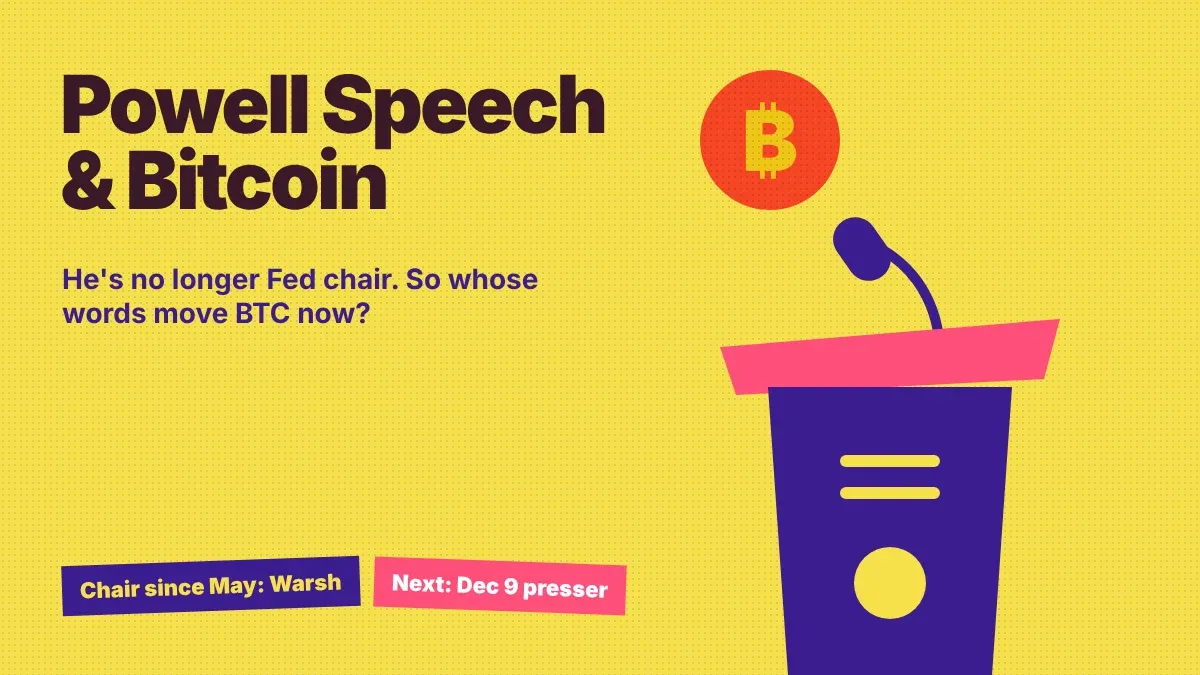
Powell Speech Bitcoin: Why Warsh, Not Powell, Moves BTC in 2026
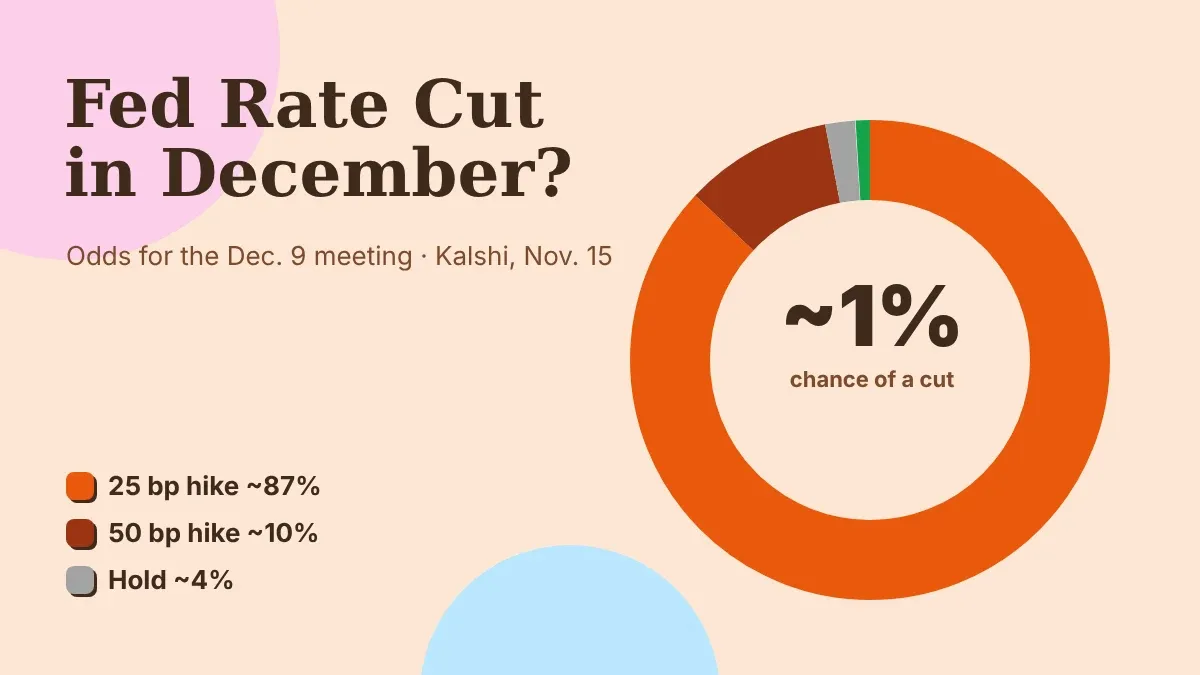
Fed Rate Cut December 2026? Why Markets Now Price a Hike Instead
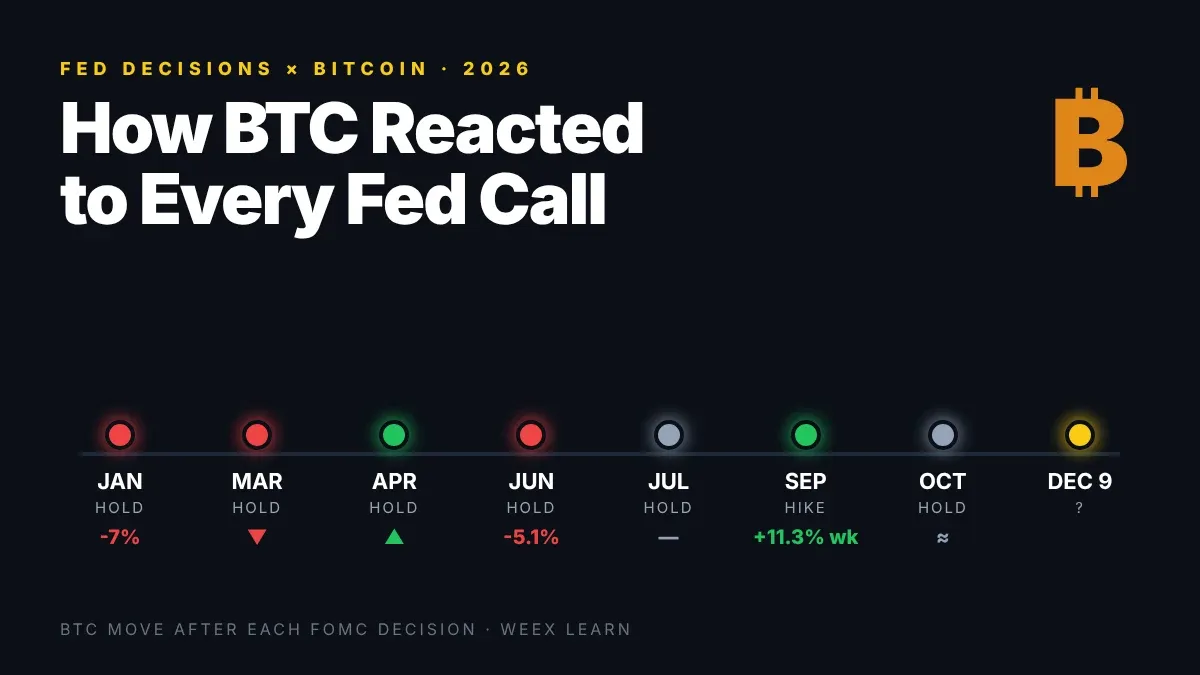
Fed Rate Decision Bitcoin: How BTC Reacted to Every 2026 Call

BTC Staking in a Crash: What It Protects and What It Does Not
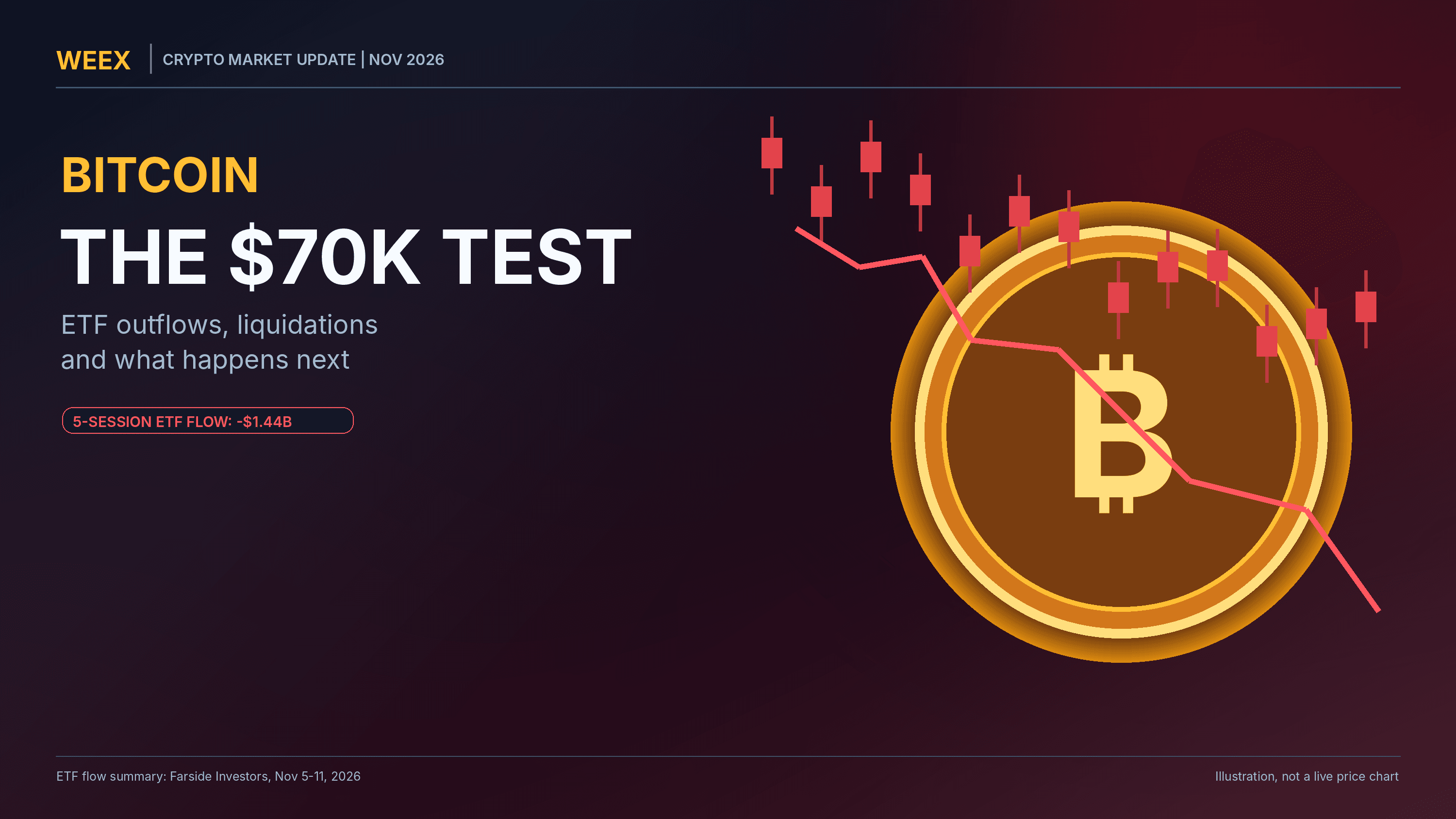
Bitcoin Falls Toward $70K: ETF Outflows, Liquidations and What Happens Next
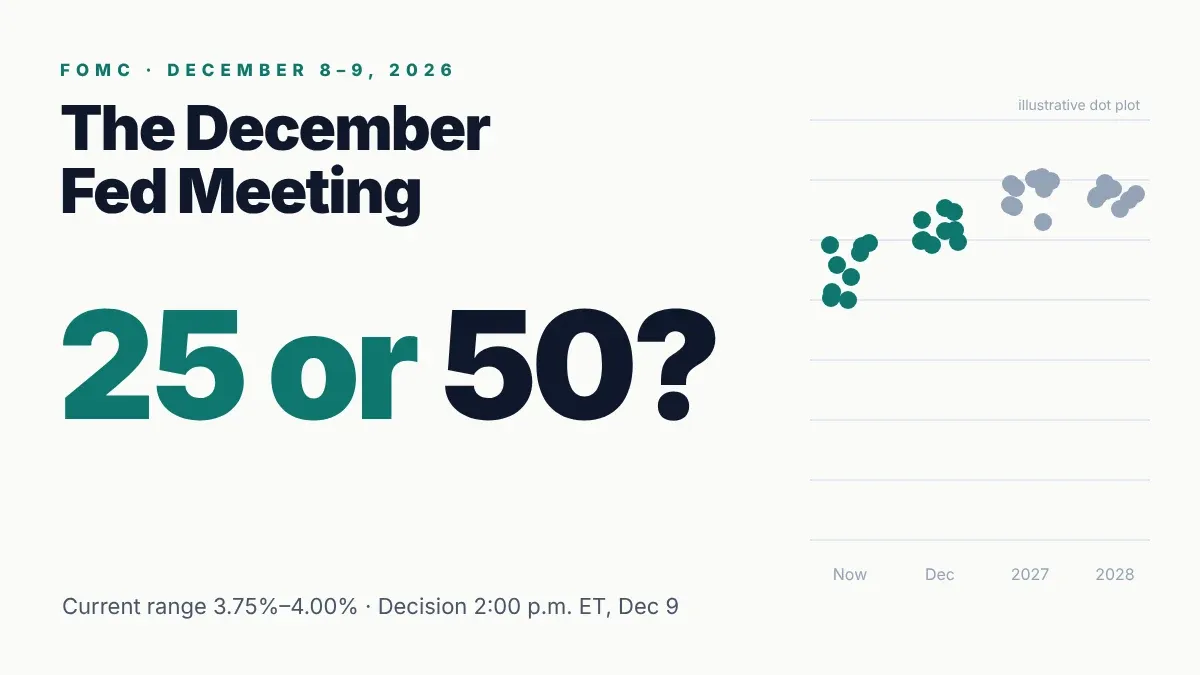
December FOMC Meeting 2026: Dec. 8-9 Rate Hike, 25 or 50 Bps?
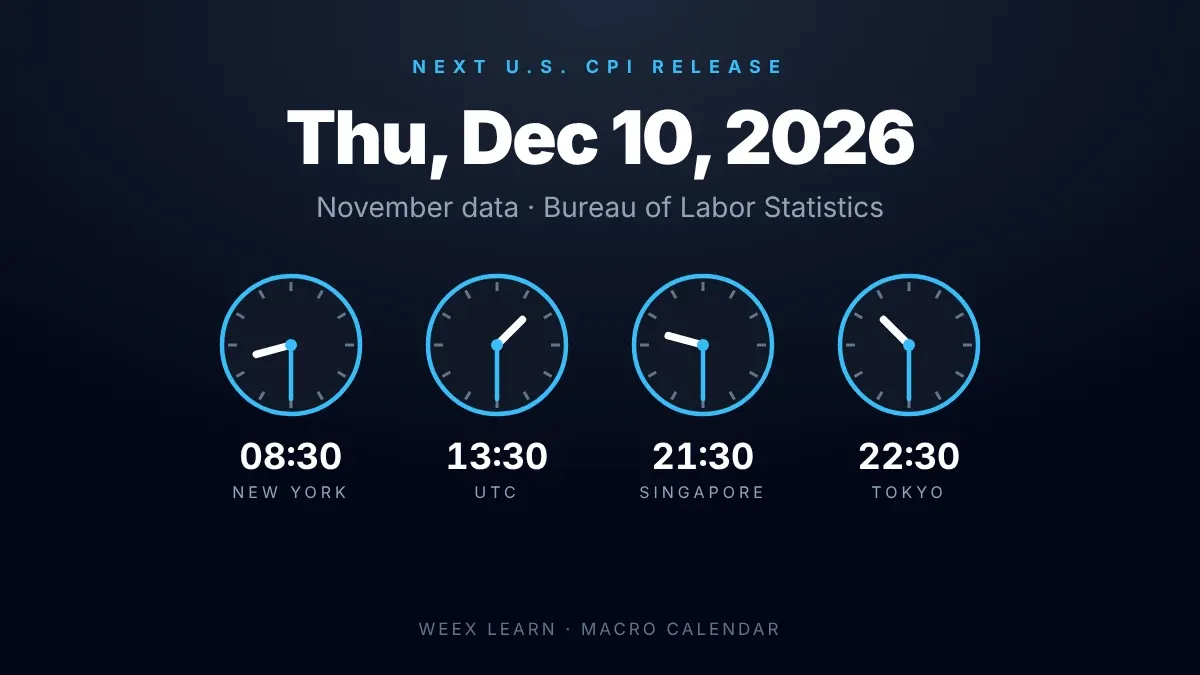
CPI Release Date: Next Report Dec. 10, 2026 at 8:30 a.m. ET
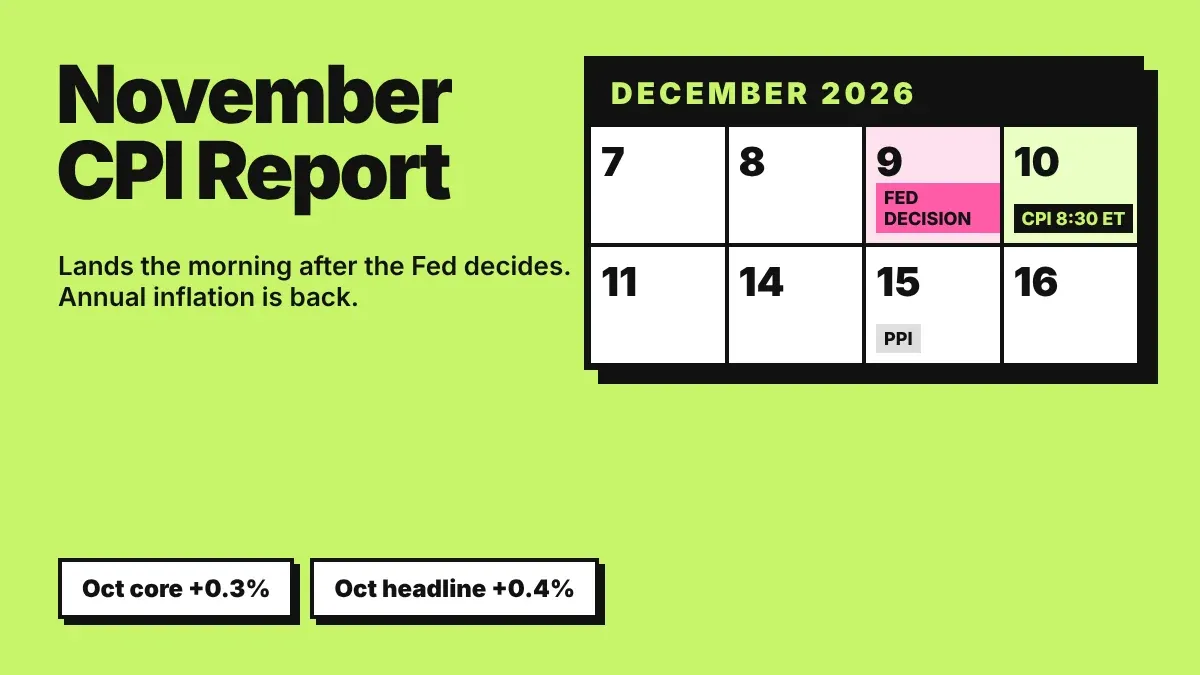
November CPI Report: Dec. 10 Release Lands After the Fed Decides
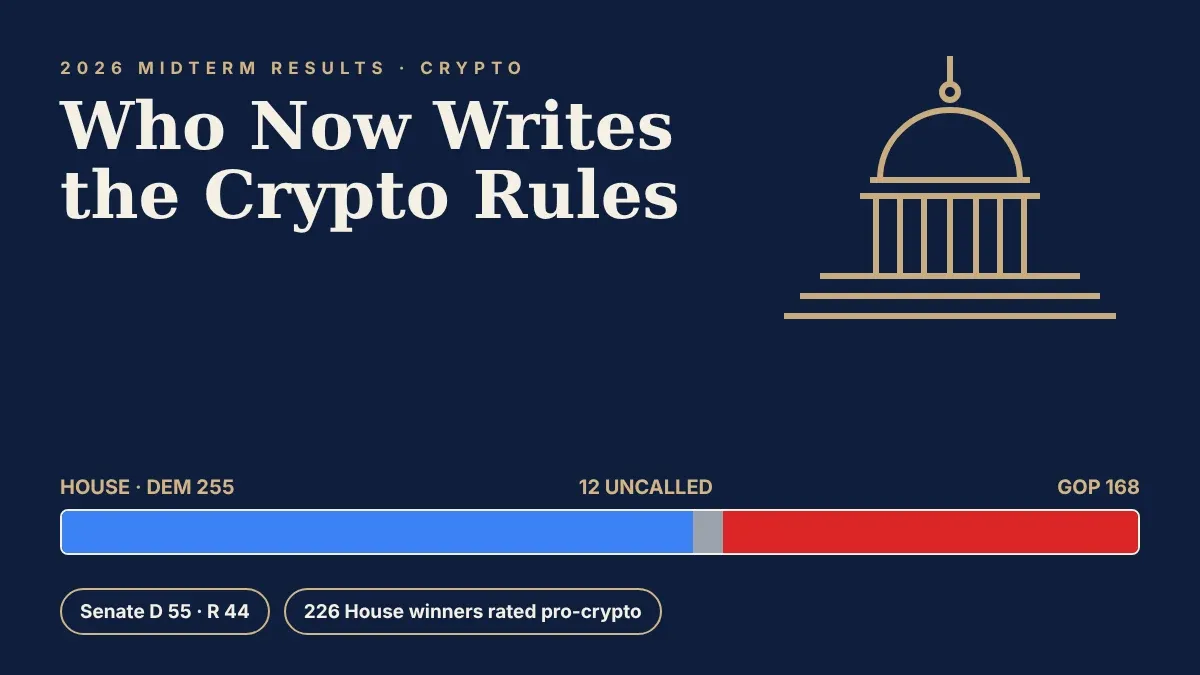
Midterm Election Results Crypto: Who Now Controls Crypto Policy
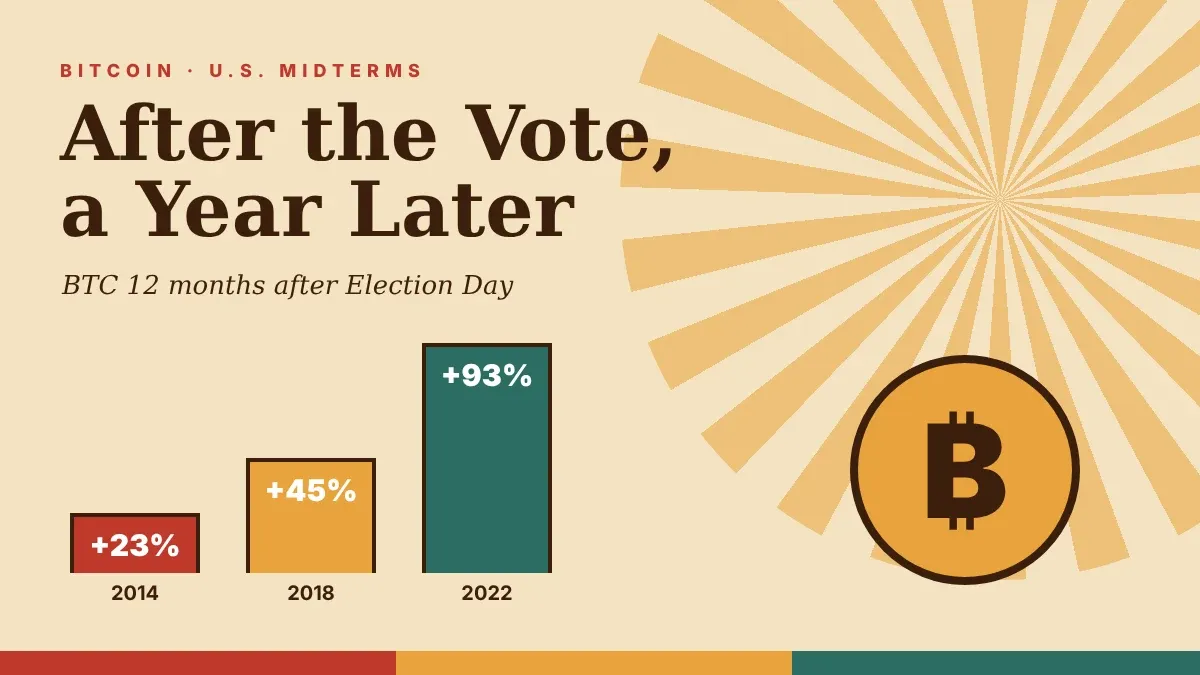
Midterm Elections Bitcoin Price: What 2014, 2018 and 2022 Show

What Is Project Faro? The $270M Bank Stablecoin Plan Explained

Stablecoin Supply Falls $14.2B in 30 Days: What It Means for Bitcoin
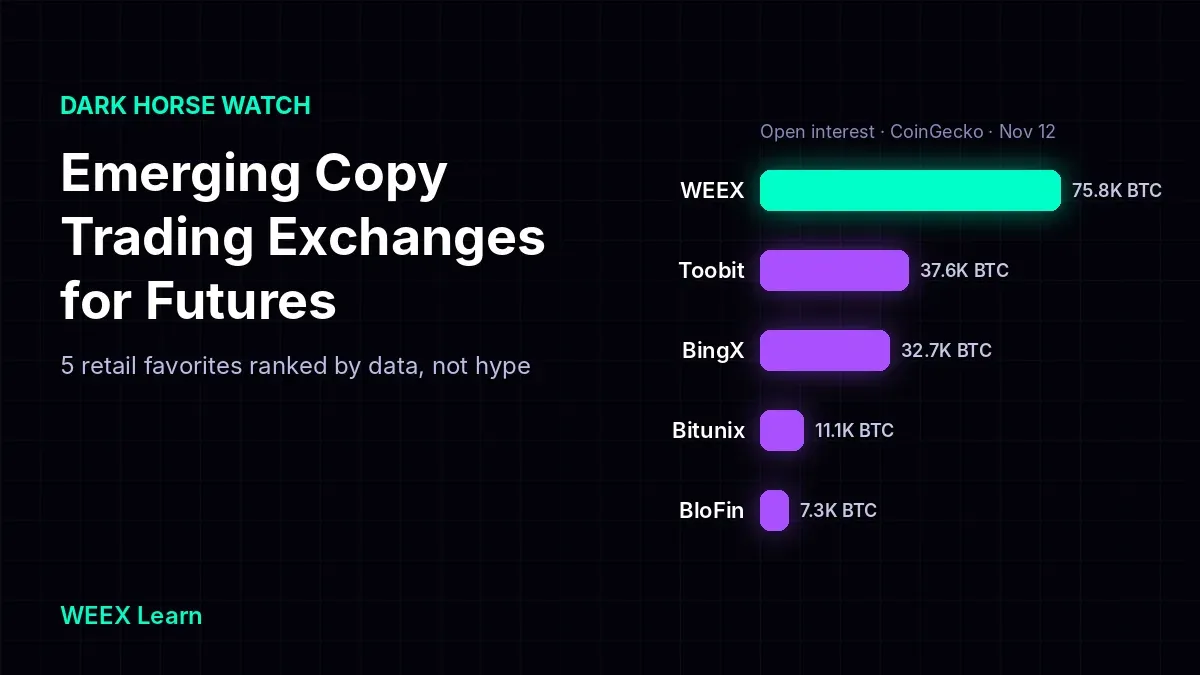
Emerging Copy Trading Exchanges for Futures: 5 Retail Favorites

Copy Trading With No Extra Fees: Which Exchanges Really Qualify?

Beginner-Friendly Crypto Exchanges With Simple Interfaces Ranked
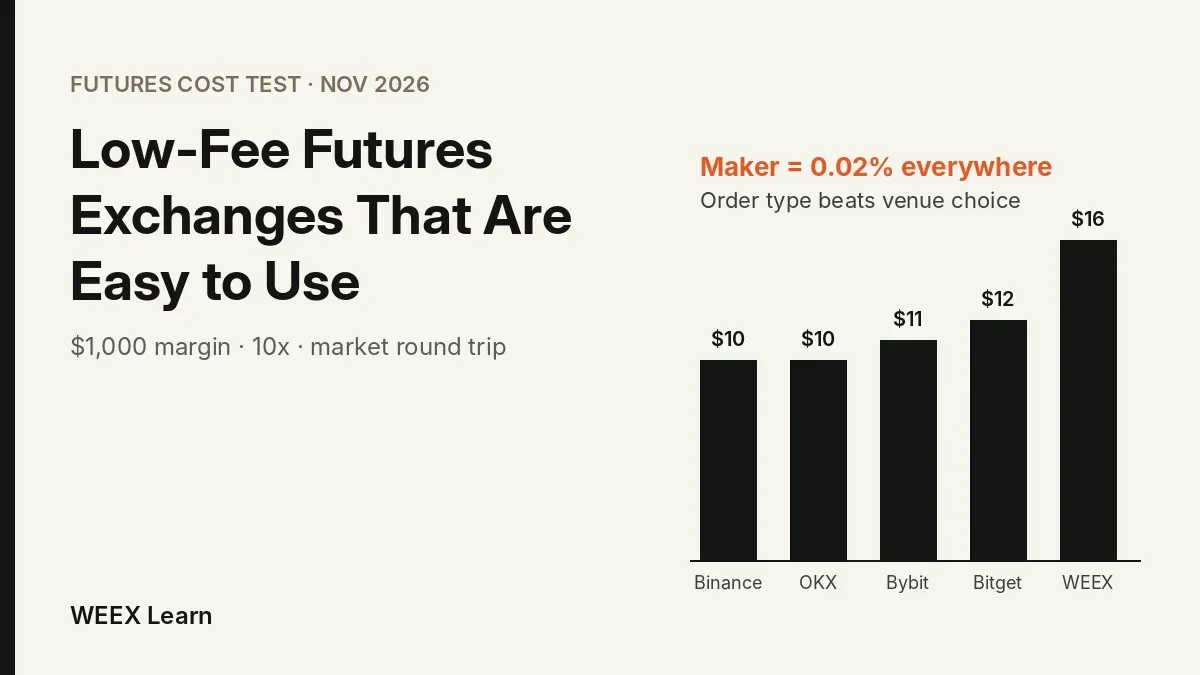
Low-Fee Futures Exchanges That Are Easy to Use: 2026 Cost Test

Is WEEX Safe? Proof of Reserves, 1,000 BTC Fund and Licences Checked (2026)
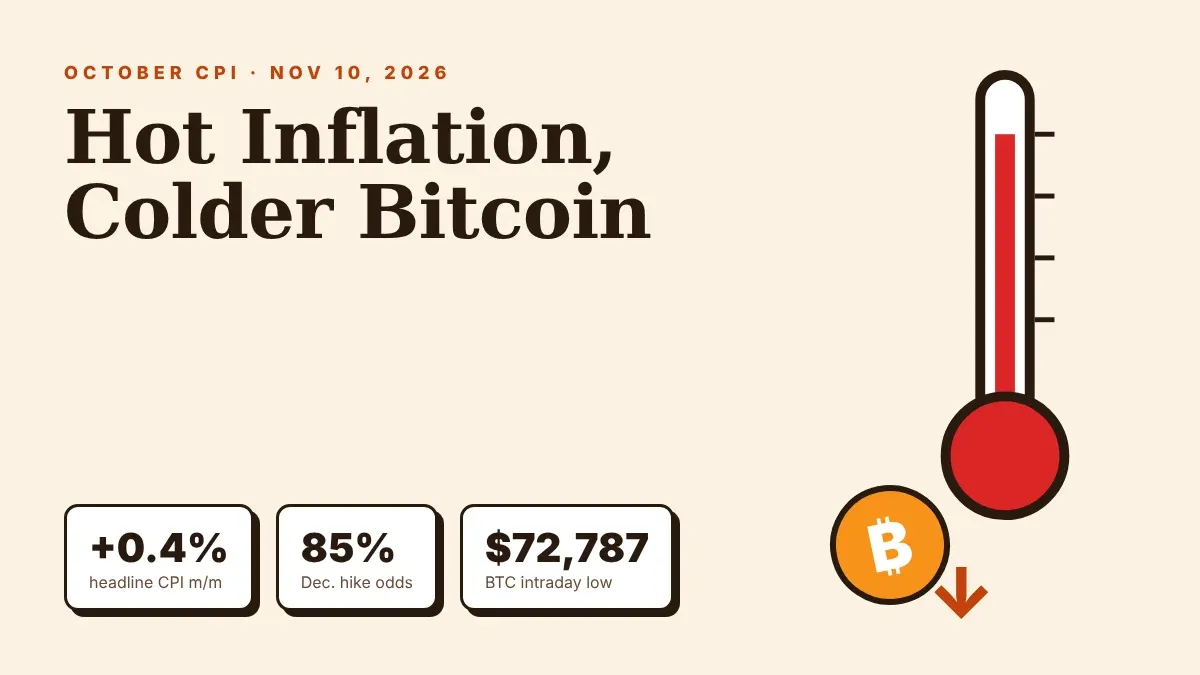
Bitcoin After Hot CPI: Why December Rate Hike Odds Hit 85%
What Is GRAM? Price Rebounds After Falling Below $1, Telegram Wallet Data and What Is Confirmed
Why Is My WEEX Crypto Withdrawal Still Pending?
PROJECT CORTEX (XTX) Price: Why a 15.8M% Gain and a $6 Billion Market Cap Are Hard to Trust

Copy Trading Platforms With Verified Performance: Spot the Fakes
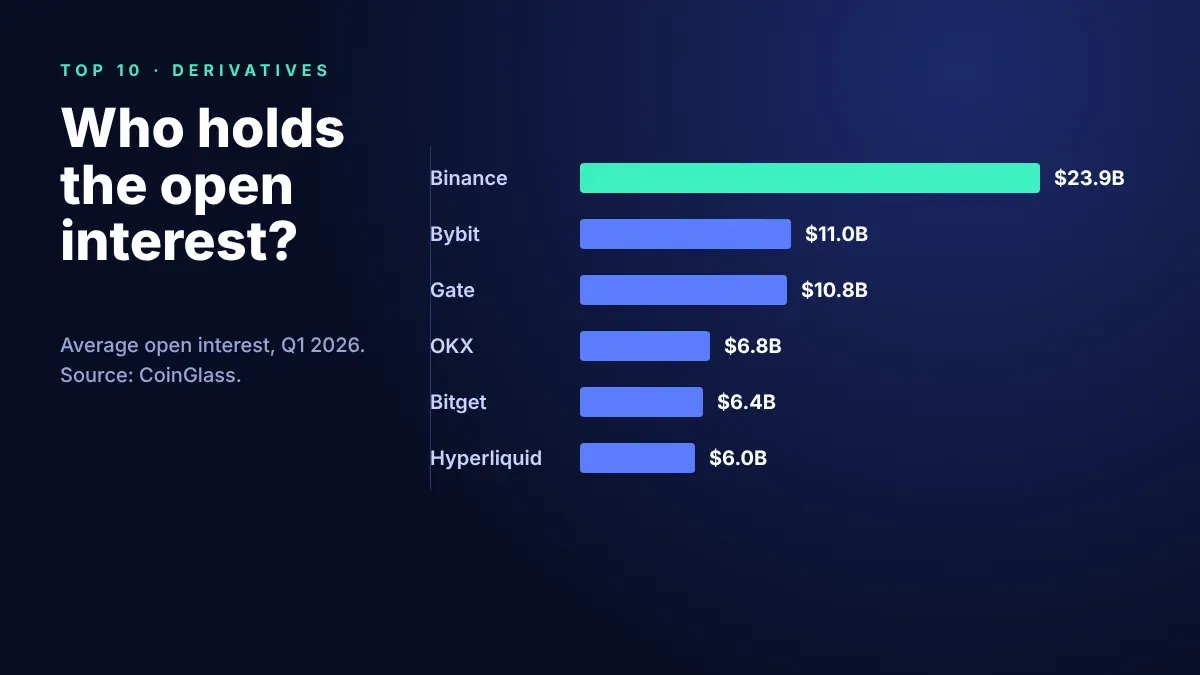
Top 10 Crypto Derivatives Exchanges Worldwide by Open Interest
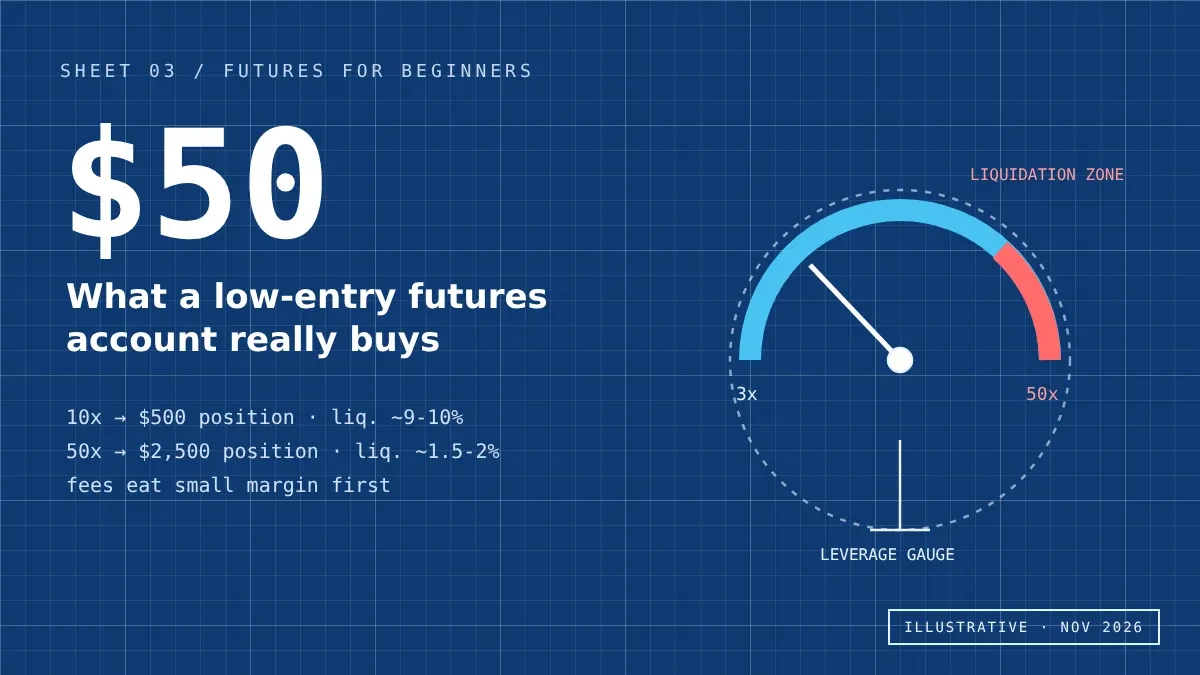
Beginner Futures Exchanges With Low Entry: What $50 Really Buys
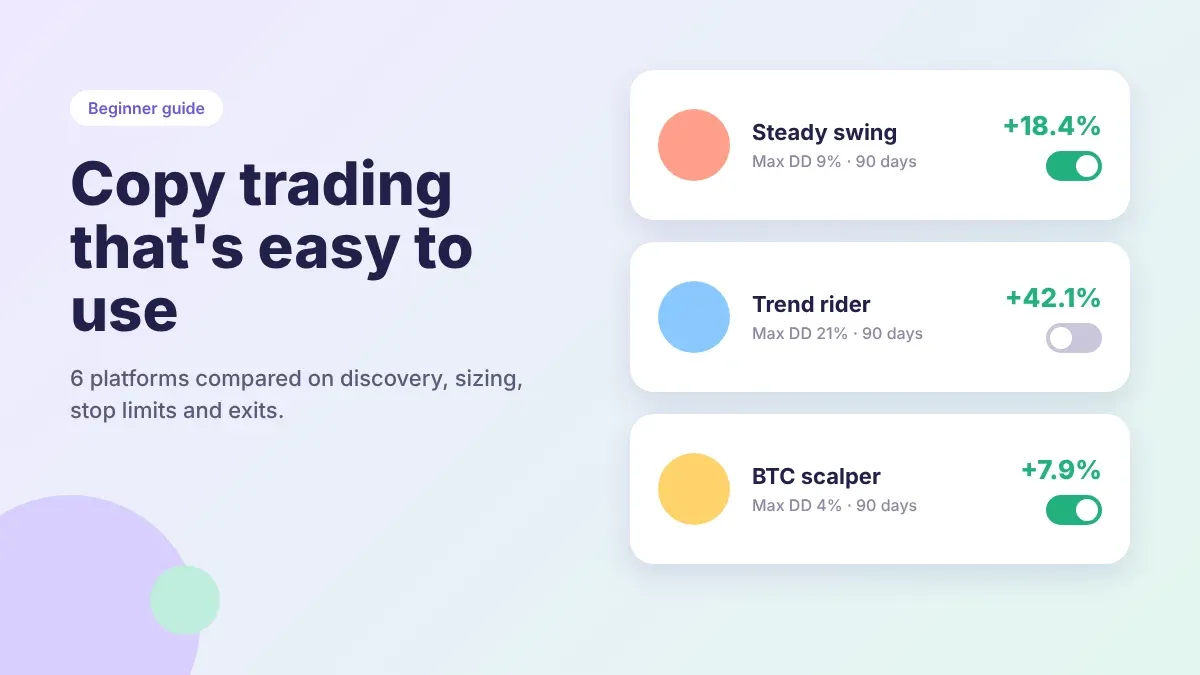
User-Friendly Crypto Copy Trading Platforms: 6 Picks Compared

WEEX Review: The Latest Fees, Features, Security and Trading Experience
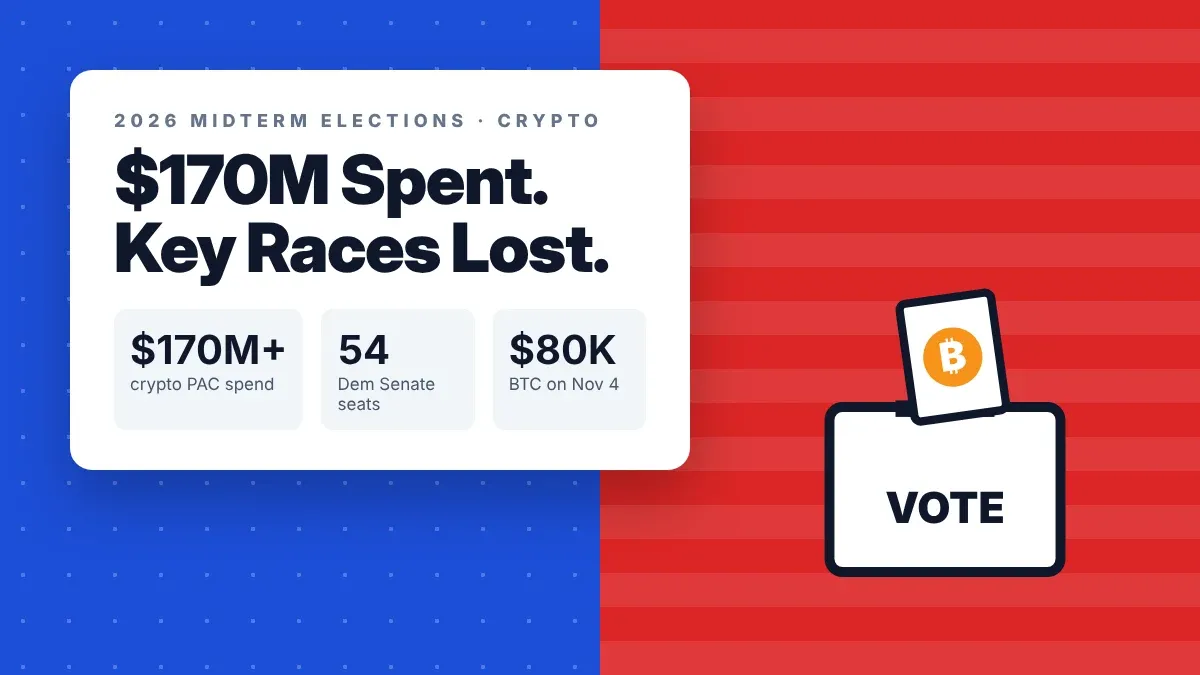
Midterm Elections Crypto Fallout: $170M Spent, Key Races Lost
FreeBitco.in Shutdown: Frozen Withdrawals and What Users Can Do
Are Bitcoin Lightning Wallets Safe? 5 Security Warnings Since August
Anthropic IPO: ANT Date, Price Range and Valuation
Powell Speech Bitcoin: Why Warsh, Not Powell, Moves BTC in 2026
Fed Rate Cut December 2026? Why Markets Now Price a Hike Instead
Fed Rate Decision Bitcoin: How BTC Reacted to Every 2026 Call
BTC Staking in a Crash: What It Protects and What It Does Not





