
Understanding Bitcoin’s ‘Max Pain’ Zone and Market Dynamics

 Prefer us on Google

Key Takeaways:
- Bitcoin is nearing a ‘max pain’ price range between $84,000 and $73,000, influenced by major institutional holdings.
- BlackRock’s IBIT cost basis and MicroStrategy’s strategic positioning are key market indicators.
- The Federal Reserve’s uncertainty over December rate cuts could impact liquidity and market behavior.
- A buildup of stablecoin reserves hints at potential market activities, even as macroeconomic risks linger.
Bitcoin’s Journey to ‘Max Pain’
As Bitcoin approaches a pivotal price range between $84,000 and $73,000, industry analysts are tasked with navigating these financially turbulent waters. This range, termed the ‘max pain’ zone, indicates the prices where major market participants like BlackRock and MicroStrategy might face significant financial pressure. Bitcoin’s current journey through these ranges reflects complex market dynamics where institutional players hold significant influence over broader market sentiments.
Assessing the Institutional Impact
BlackRock and MicroStrategy are two heavyweights whose Bitcoin cost basis significantly affects the market. The cost basis for BlackRock’s spot Bitcoin exchange-traded fund (ETF), IBIT, lies at $84,000. When Bitcoin’s price aligns with this threshold, market sentiment tends to sour as ETF holders reassess the viability of maintaining their investments in such volatile conditions. Just recently, IBIT experienced a substantial one-day outflow of $523 million, contributing to an outflow total of $3.3 billion over the past month. This financial pressure underscores an environment of trepidation and speculative hesitation among institutional investors.
MicroStrategy, on the other hand, sees a similar tension with its cost basis nearing $73,000. As MicroStrategy’s net asset value (NAV) edges lower, indicating a valuation discount to the underlying Bitcoin assets, this scenario warns of liquidity tightening and heightens risk aversion among market participants. Should Bitcoin test these critical cost bases, the ripple effect could trigger widespread market de-risking, especially if broader economic conditions worsen.
Navigating Macroeconomic Risk
Adding to market anxieties is the Federal Reserve’s current policy stance. The uncertainty surrounding potential December rate cuts casts a long shadow on the market’s future path. Following a government shutdown that delayed critical labor data, the Federal Open Market Committee (FOMC) ponders its strategy amidst persistent inflation and the delicate balance of economic recovery.
As of November 21, 2025, discussions around rate cuts are fraught with uncertainty, with market anticipation dwindling to 41.8%. The committee’s decisions could either sustain the liquidity drought that contributed to Bitcoin’s recent sell-offs or rejuvenate market activity should they opt for economic easing.
Bitcoin’s Market Resilience
Despite these challenges, promise exists within the market liquidity. Exchanges have amassed stablecoin reserves reaching $72 billion, mirroring patterns from previous years that often preceded significant Bitcoin rallies. These reserves might represent an underlying anticipation of market shifts, poised to activate should clarity on economic policies emerge.
If no immediate rate cuts materialize, Bitcoin’s trading range is likely to hover between $60,000 and $80,000, paving the way for uncertain yet exciting market possibilities in the months leading to the year-end. The build-up of stablecoin reserves further feeds speculation that a liquidity influx could spiral into new rally trends, echoing developments of previous years when similar conditions prevailed.
FAQs
What is the ‘max pain’ zone in Bitcoin trading?
The ‘max pain’ zone refers to specific price ranges where significant investor holdings, such as those by large institutions like BlackRock, face potential pressure, creating conditions for a market correction or adjustment. It represents a threshold where sentiment may dramatically shift, driving broader market movements.
How do BlackRock and MicroStrategy influence Bitcoin’s market dynamics?
Both BlackRock and MicroStrategy, with their substantial Bitcoin investments, serve as key barometers for market sentiment. Their cost bases are crucial indicators, with market behavior often reacting to these companies’ financial positioning and maneuverings, as they hold large portions of Bitcoin’s circulating supply.
What is the impact of the Federal Reserve’s policy on Bitcoin?
The Federal Reserve’s decisions, such as interest rate adjustments, invariably affect liquidity conditions in financial markets. A rate cut typically eases liquidity constraints, while keeping rates unchanged can tighten market conditions, influencing Bitcoin’s sell-off behaviors or rally potential.
How do stablecoin reserves affect Bitcoin’s price?
Stablecoin reserves on exchanges signal potential market activities. A large accumulation may indicate readiness among traders to re-enter the market or to facilitate large-scale Bitcoin purchases, often seen as precursors to new market rallies once macroeconomic uncertainties abate.
How does WEEX fit into the current market scenario?
WEEX, as part of the crypto trading ecosystem, aligns with broader market trends, providing users with robust exchange solutions during turbulent times. By enhancing user access to trading tools and insightful market analyses, WEEX positions itself as a valuable resource for navigating Bitcoin’s turbulent phases and capitalizing on emerging opportunities.
-- Price
This content is provided for general informational purposes only and doesn't constitute financial, investment, legal, or tax advice. Any events, rewards, online promotions, or related information mentioned herein should not be considered a recommendation, solicitation, or invitation to purchase, sell, trade, or otherwise deal in any crypto assets. Crypto assets are highly volatile and may result in loss. The availability of WEEX services, products, and related events may vary by region. You are responsible for ensuring that your participation is in accordance with applicable local laws and regulations.
You may also like

Are Bitcoin Lightning Wallets Safe? 5 Security Warnings Since August

Anthropic IPO: ANT Date, Price Range and Valuation
Powell Speech Bitcoin: Why Warsh, Not Powell, Moves BTC in 2026
Fed Rate Cut December 2026? Why Markets Now Price a Hike Instead
Fed Rate Decision Bitcoin: How BTC Reacted to Every 2026 Call

BTC Staking in a Crash: What It Protects and What It Does Not
Bitcoin Falls Toward $70K: ETF Outflows, Liquidations and What Happens Next
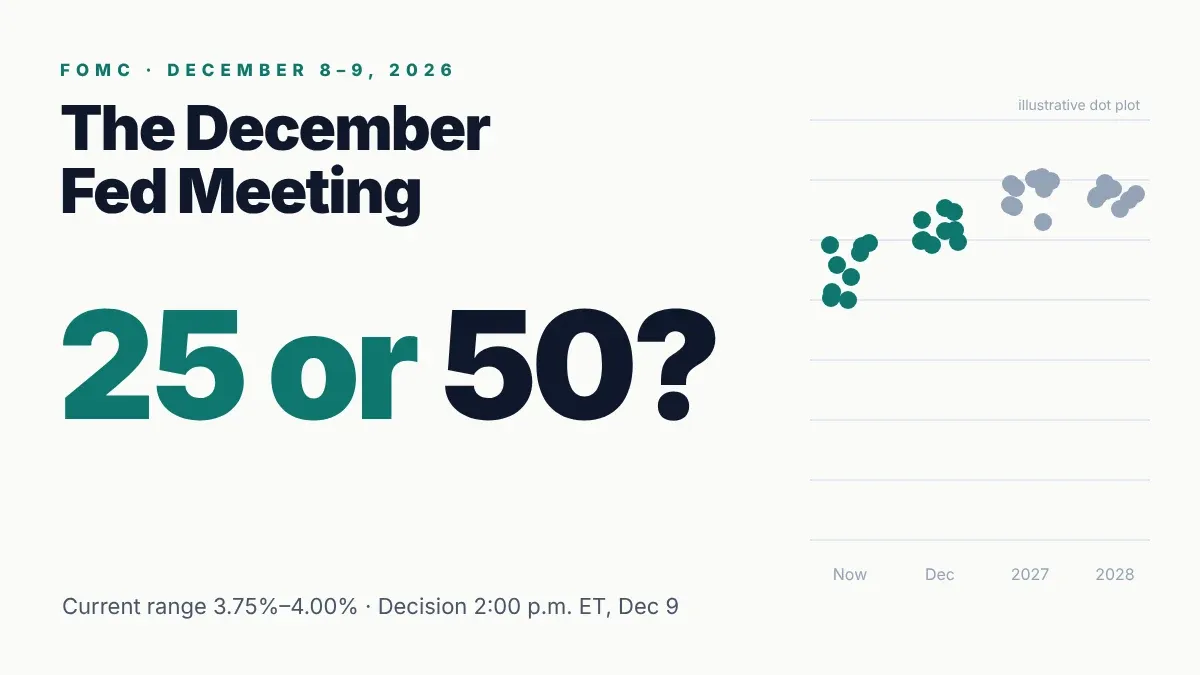
December FOMC Meeting 2026: Dec. 8-9 Rate Hike, 25 or 50 Bps?
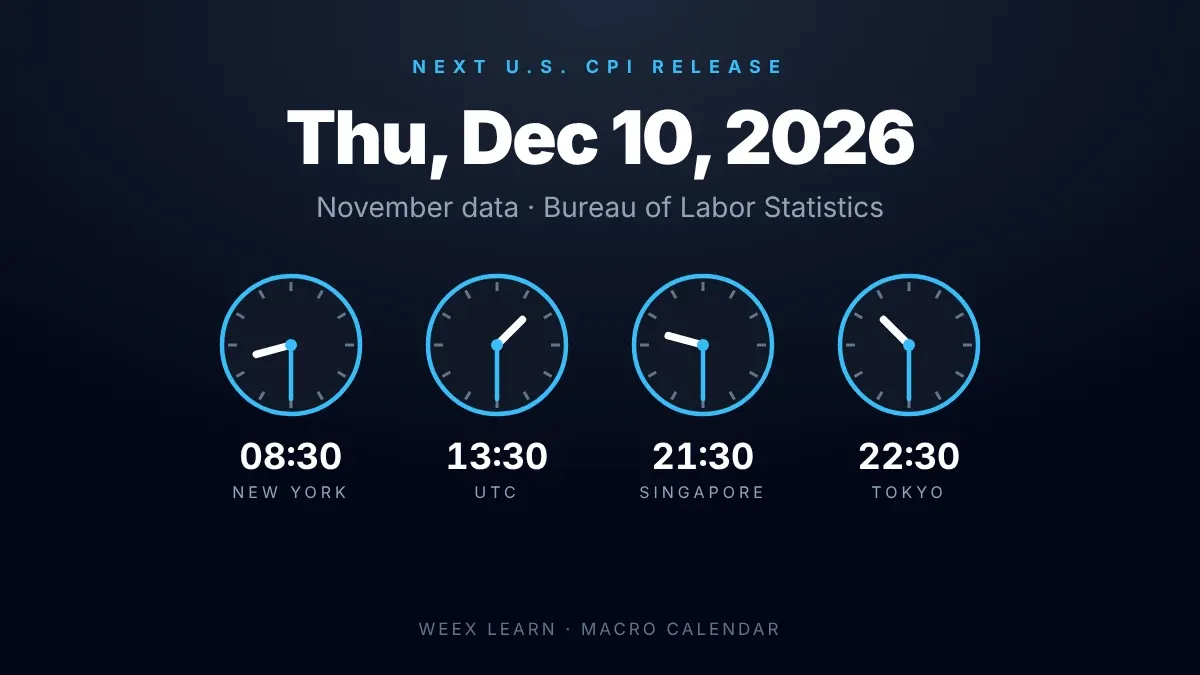
CPI Release Date: Next Report Dec. 10, 2026 at 8:30 a.m. ET
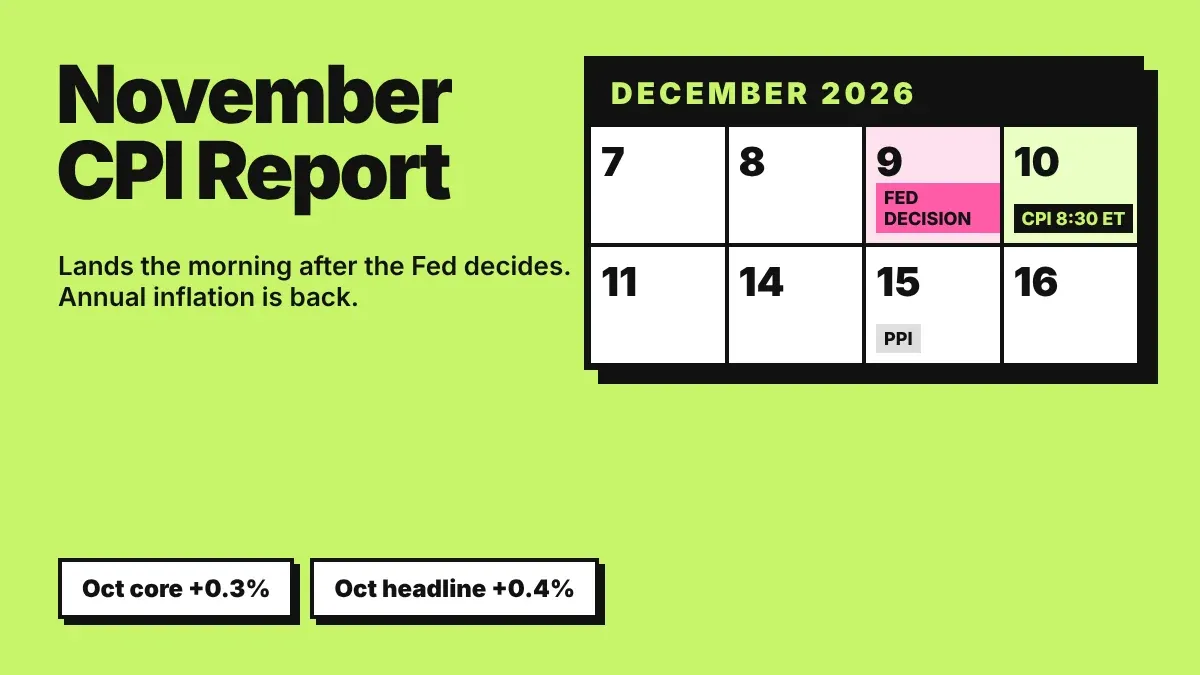
November CPI Report: Dec. 10 Release Lands After the Fed Decides
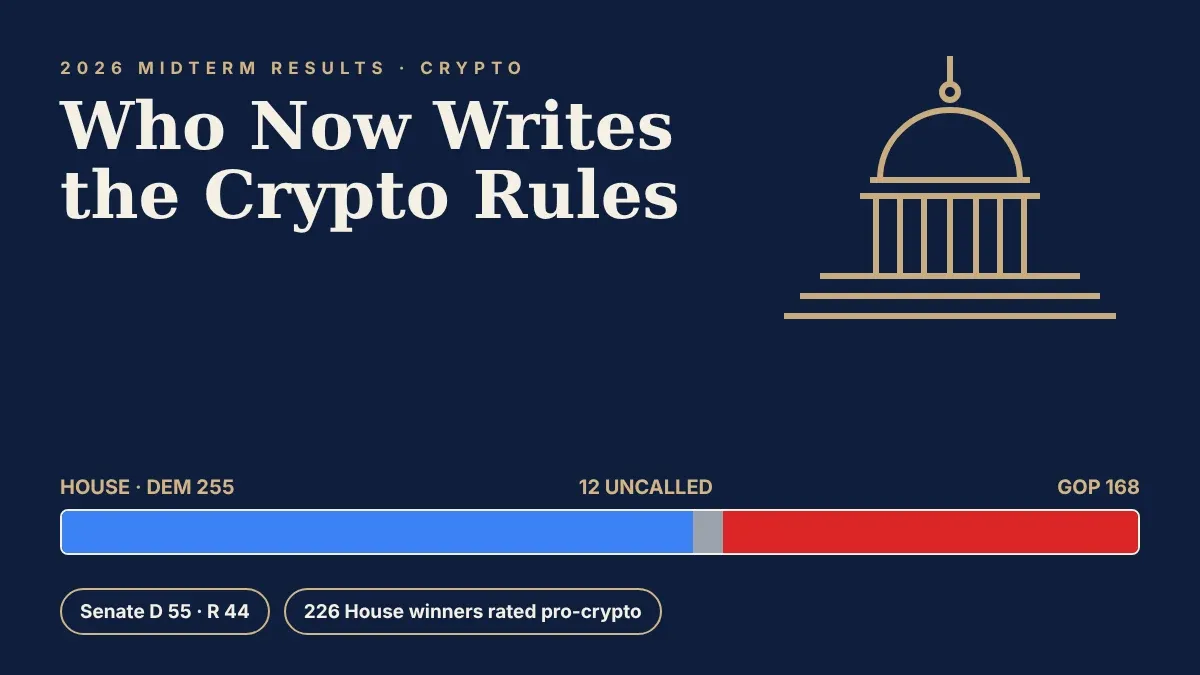
Midterm Election Results Crypto: Who Now Controls Crypto Policy
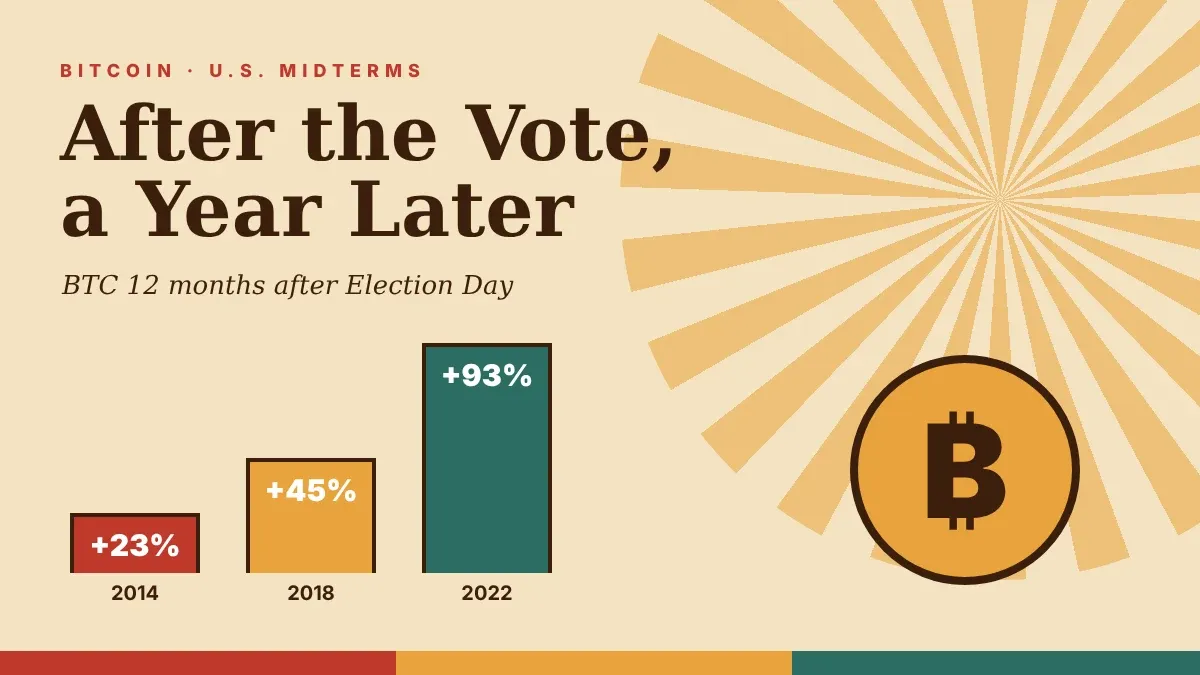
Midterm Elections Bitcoin Price: What 2014, 2018 and 2022 Show

What Is Project Faro? The $270M Bank Stablecoin Plan Explained

Stablecoin Supply Falls $14.2B in 30 Days: What It Means for Bitcoin
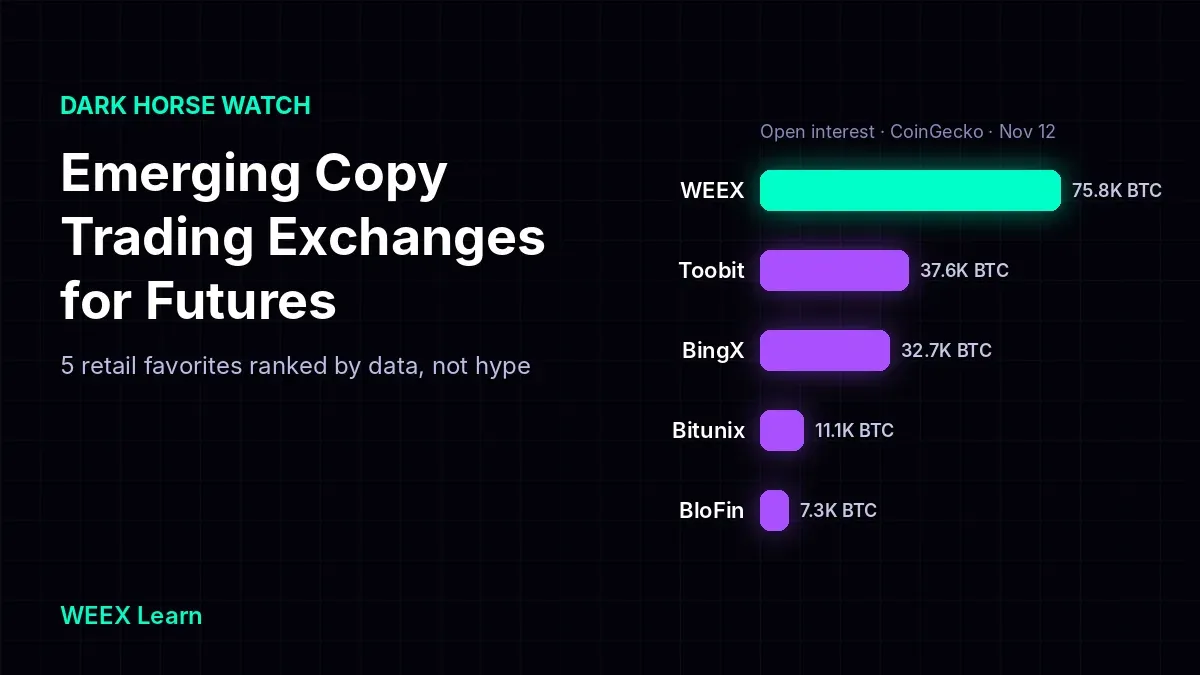
Emerging Copy Trading Exchanges for Futures: 5 Retail Favorites

Copy Trading With No Extra Fees: Which Exchanges Really Qualify?

Beginner-Friendly Crypto Exchanges With Simple Interfaces Ranked
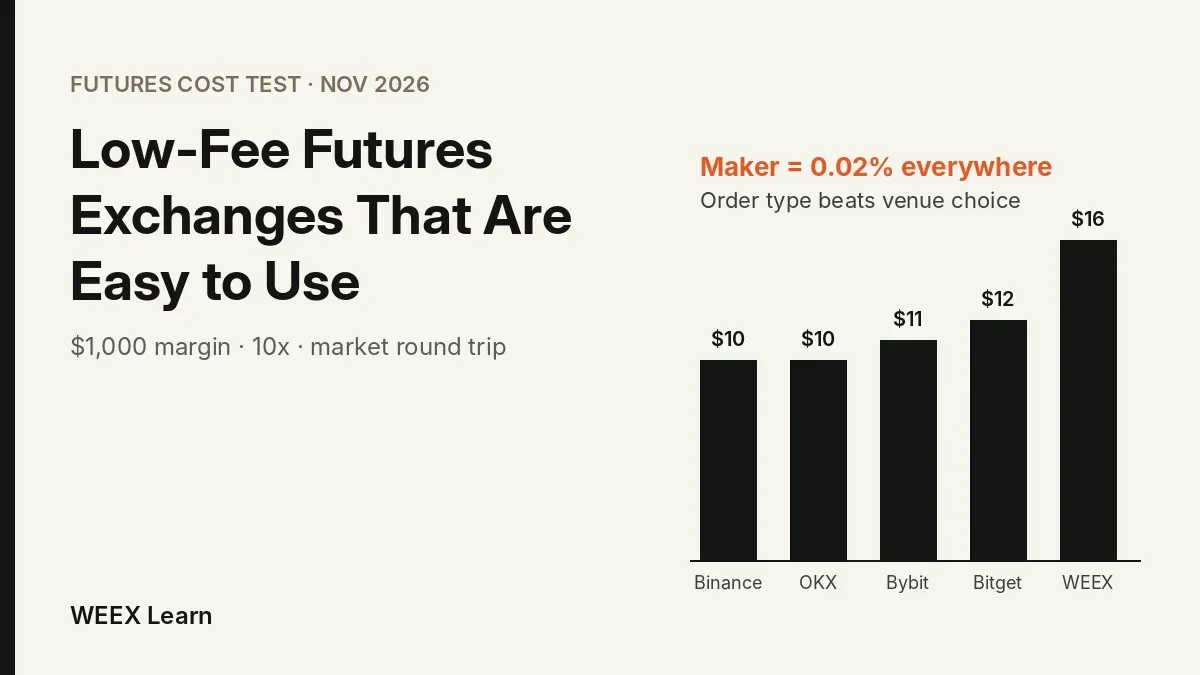
Low-Fee Futures Exchanges That Are Easy to Use: 2026 Cost Test

Is WEEX Safe? Proof of Reserves, 1,000 BTC Fund and Licences Checked (2026)
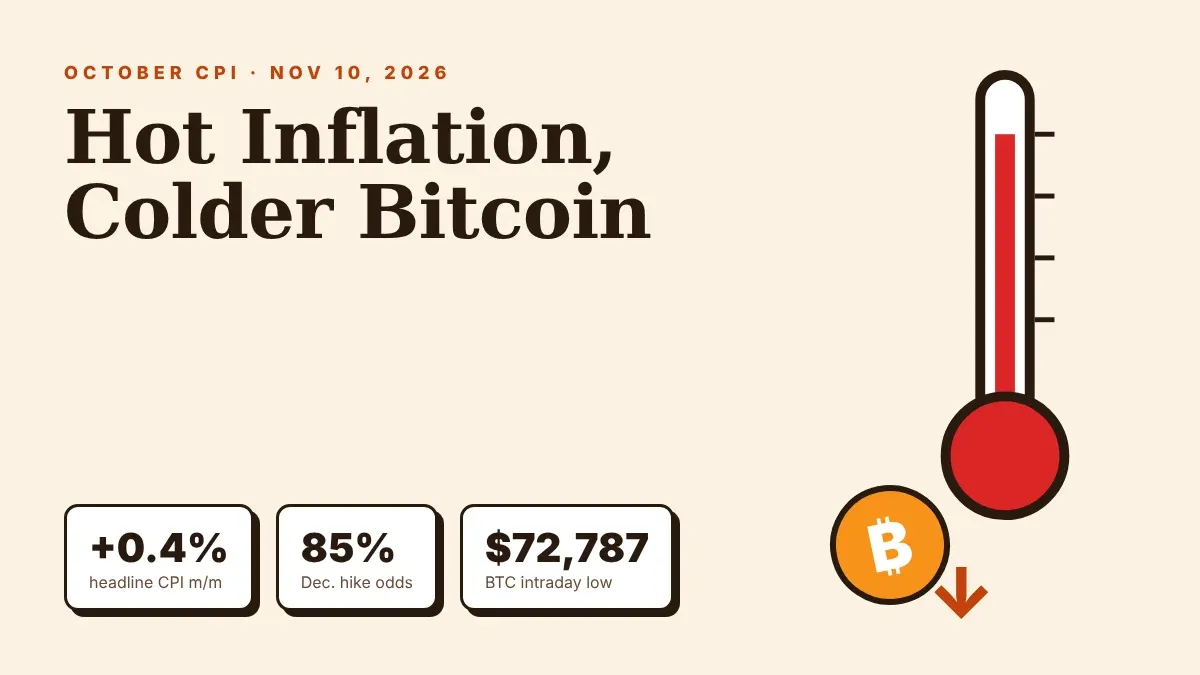
Bitcoin After Hot CPI: Why December Rate Hike Odds Hit 85%

What Is GRAM? Price Rebounds After Falling Below $1, Telegram Wallet Data and What Is Confirmed
Why Is My WEEX Crypto Withdrawal Still Pending?
PROJECT CORTEX (XTX) Price: Why a 15.8M% Gain and a $6 Billion Market Cap Are Hard to Trust

Copy Trading Platforms With Verified Performance: Spot the Fakes
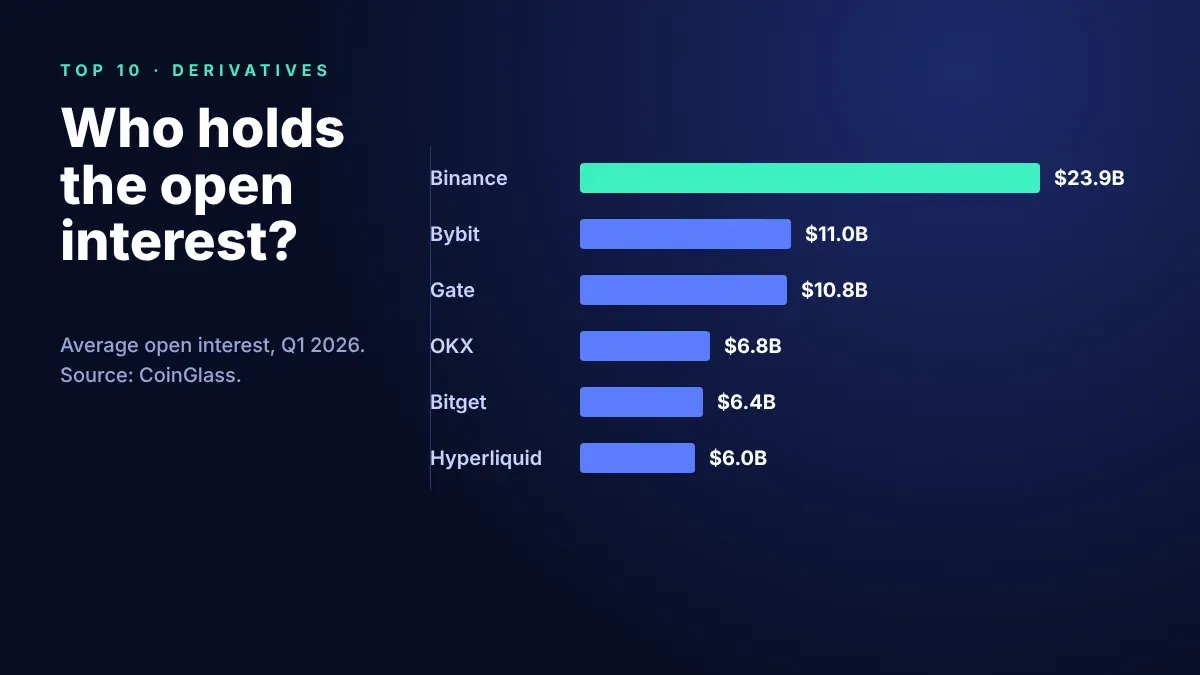
Top 10 Crypto Derivatives Exchanges Worldwide by Open Interest
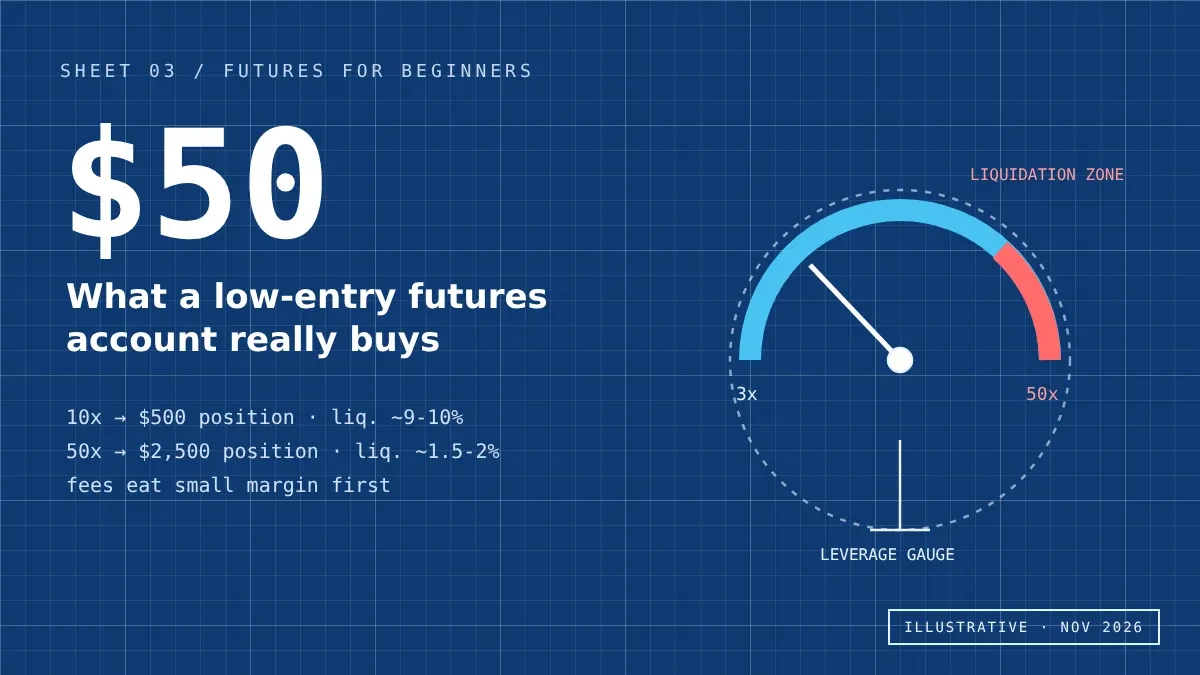
Beginner Futures Exchanges With Low Entry: What $50 Really Buys
User-Friendly Crypto Copy Trading Platforms: 6 Picks Compared

WEEX Review: The Latest Fees, Features, Security and Trading Experience
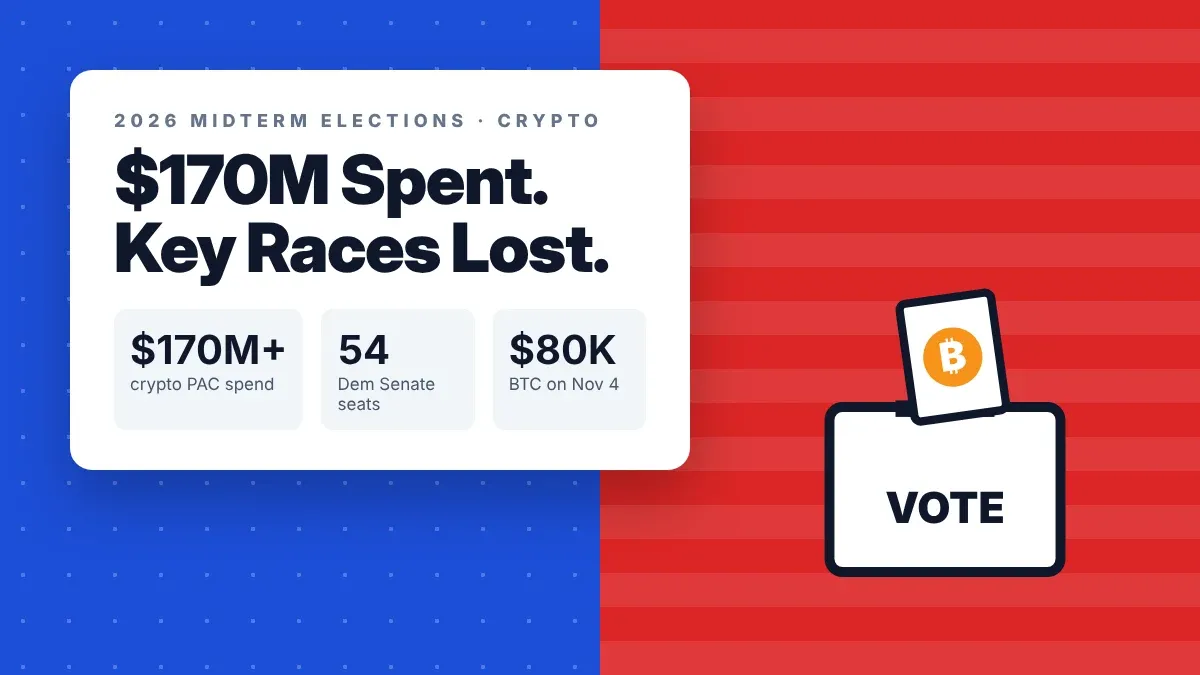
Midterm Elections Crypto Fallout: $170M Spent, Key Races Lost

FreeBitco.in Shutdown: Frozen Withdrawals and What Users Can Do
Are Bitcoin Lightning Wallets Safe? 5 Security Warnings Since August
Anthropic IPO: ANT Date, Price Range and Valuation
Powell Speech Bitcoin: Why Warsh, Not Powell, Moves BTC in 2026
Fed Rate Cut December 2026? Why Markets Now Price a Hike Instead
Fed Rate Decision Bitcoin: How BTC Reacted to Every 2026 Call
BTC Staking in a Crash: What It Protects and What It Does Not





