What is Openverse Network (BTG) Coin? A Guide to the Layer 0 Project

 Prefer us on Google



The challenge of getting different blockchains to communicate with each other, known as interoperability, remains one of the most significant hurdles in Web3. Openverse Network (BTG) is a new project tackling this head-on with its Layer 0 hub network. Following the premiere listing of Openverse Network (BTG) on WEEX on October 2, 2025, the project has drawn considerable interest. I've personally reviewed its whitepaper and technical architecture to understand its approach. This article provides a comprehensive guide to what Openverse Network is, who is behind it, how its technology works, and a balanced look at its potential as an investment.
An Introduction to Openverse Network (BTG) Crypto
Openverse Network (BTG) is a Layer 0 blockchain protocol designed to function as a foundational hub for universal cross-chain communication. In essence, it aims to create a network where transferring assets or data between different blockchains—like BNB Chain and Ethereum—is as simple and seamless as sending an email. By building at the Layer 0 level, it provides the underlying infrastructure that other blockchains (Layer 1s) can plug into, enabling them to interact without the need for complex and often insecure bridges. The native BTG token is the lifeblood of this ecosystem, used for securing the network, governance, and facilitating cross-chain transactions.
Who Created Openverse Network Coin?
The Openverse Network is being developed by a global team of blockchain engineers and cryptographers with backgrounds in decentralized systems and network security. Unlike some projects that opt for anonymity, the core contributors to Openverse have maintained a public presence, actively engaging with the community through platforms like X (formerly Twitter) and Telegram. Their stated mission is to dismantle the siloed nature of the current blockchain landscape and foster a more interconnected and efficient Web3. From my research into the team's professional history, they appear to possess the technical expertise required for such an ambitious undertaking, though the project is still in its early stages of development.
How Does Openverse Network Crypto Work?
To understand how Openverse works, it's helpful to use an analogy. Think of major blockchains like Bitcoin, Ethereum, and Solana as separate countries, each with its own unique language, laws, and economy. Transferring value between them is often slow and complicated. Openverse Network aims to be the global infrastructure—like the international banking (SWIFT) and shipping systems—that connects these countries. It doesn't replace them but provides a universal communication protocol they can all understand.
Technically, it achieves this through its "fully open protocol-based cross-chain" system. This involves a hub-and-spoke model where the Openverse Network acts as the central hub. Other blockchains connect to this hub as "spokes." When a user wants to send an asset from Chain A to Chain B, the transaction is routed through the Openverse hub, which verifies it, ensures its security, and facilitates its arrival on the destination chain. The BTG token is used by network validators who stake it to process and validate these cross-chain messages, earning rewards for maintaining the network's integrity.
-- Price
How is Openverse Network Crypto Used?
The utility of the Openverse Network is centered around its native BTG token, which is designed to be indispensable to the ecosystem's operations. Its primary use cases are crucial for the network's function and growth.
For developers and the protocols that integrate with Openverse, it offers a secure and standardized way to make their applications cross-chain compatible, expanding their user base and liquidity pools. For token holders, BTG offers several key functions:
| Use Case | Description | Purpose |
|---|---|---|
| Network Security | Users stake BTG tokens with validators who process and secure cross-chain transactions. | To maintain the integrity and security of the hub network. |
| Governance | BTG holders can vote on key protocol upgrades and changes to the network's parameters. | To ensure decentralized control and community-led development. |
| Transaction Fees | Fees for cross-chain data and value transfers are paid in BTG tokens. | To compensate validators and prevent network spam. |
How Do You Buy Openverse Network (BTG)?
Since its premiere listing, acquiring Openverse Network (BTG) has become accessible to the global crypto market. The token is now actively trading on WEEX. If you're looking to add BTG to your portfolio, the process is straightforward. First, you'll need to create an account; you can register on WEEX if you don't already have one. After completing the setup and funding your account, you can proceed directly to the BTG USDT trading pair page to execute your trades.
Is Openverse Network (BTG) Coin a Good Investment?
From an investor's standpoint, Openverse Network presents a classic high-risk, high-reward scenario, which is typical for projects in the infrastructure sector. The bull case is compelling: a truly seamless and secure interoperability solution would be a game-changer for Web3 and could command a massive market share. The addressable market for cross-chain infrastructure is enormous, and a successful Layer 0 solution could become one of the most valuable protocols in the entire crypto space.
However, many SEO "experts" will tell you that getting in early on an infrastructure project is a guaranteed win. My experience has been far more nuanced. The reality is that this field is incredibly competitive. Openverse is entering a space with established giants like Cosmos (ATOM) and Polkadot (DOT), as well as other well-funded projects like LayerZero and Axelar. Its success will depend not just on its technology, but on its ability to attract a critical mass of developers and blockchain partners. Without widespread adoption, even the best technology can fail.
Since the token just began trading on October 2, 2025, there is no price history for technical analysis. An investment at this stage is a bet on the team's vision and their ability to execute. Potential investors should weigh the immense potential against the fierce competition and the execution risk. It is crucial to conduct your own research and never invest more than you are prepared to lose.
Final Thoughts: A New Contender in the Race for Interoperability
Openverse Network (BTG) has entered the blockchain arena with a bold promise to solve one of the industry's most persistent problems. Its Layer 0 architecture is technically sound, and its focus on creating a user-friendly cross-chain experience is precisely what the market needs. The project's recent listing on WEEX gives it the visibility and liquidity to begin its journey. While the road ahead is long and filled with challenges, Openverse Network is a project that anyone interested in the future of a multi-chain world should be watching closely.
This content is provided for general informational purposes only and doesn't constitute financial, investment, legal, or tax advice. Any events, rewards, online promotions, or related information mentioned herein should not be considered a recommendation, solicitation, or invitation to purchase, sell, trade, or otherwise deal in any crypto assets. Crypto assets are highly volatile and may result in loss. The availability of WEEX services, products, and related events may vary by region. You are responsible for ensuring that your participation is in accordance with applicable local laws and regulations.
You may also like
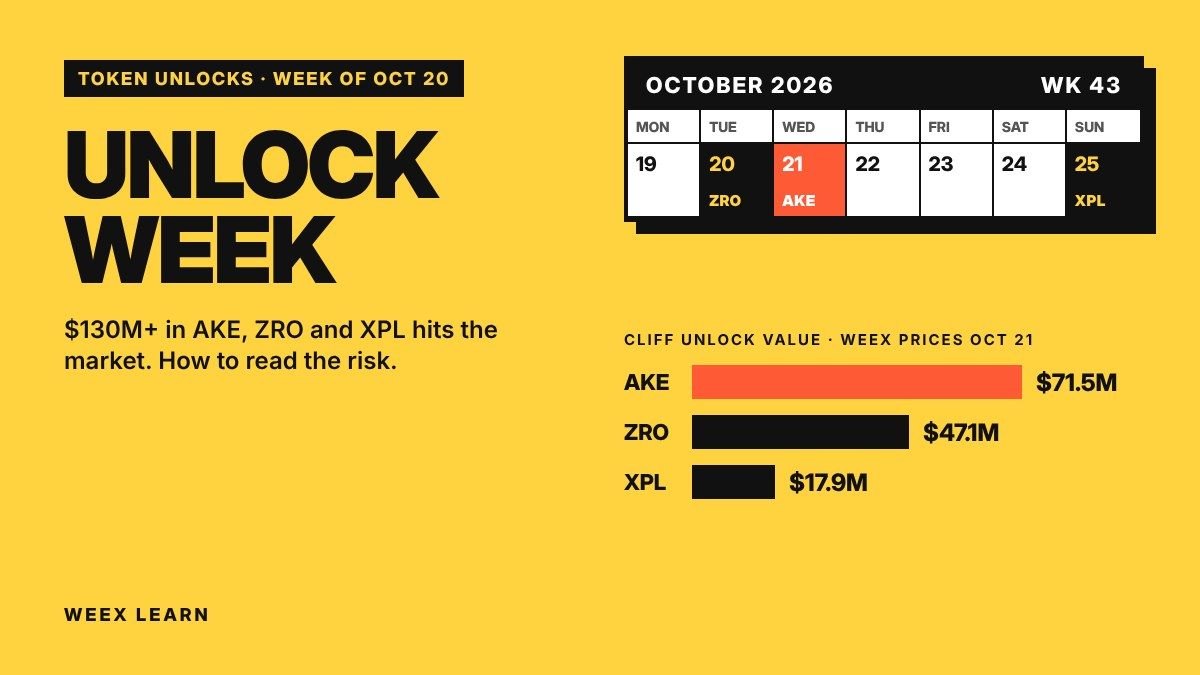
Token Unlocks This Week: How to Read AKE, ZRO and XPL Releases
LayerZero Unlock October 2026: Can ZRO Hold $2 Amid Whale Inflows?
What is Zerobase (ZBT) and How Does It Work?
What is Crypto Airdrop ? The Most Complete Guide for Beginners to Get Airdrop
Are Bitcoin Lightning Wallets Safe? 5 Security Warnings Since August
How to Buy ANT Stock on Day One: What Is Confirmed

Anthropic IPO: ANT Date, Price Range and Valuation

Jensen Huang Comeback Reports: Petition, War Room and Nvidia’s Response
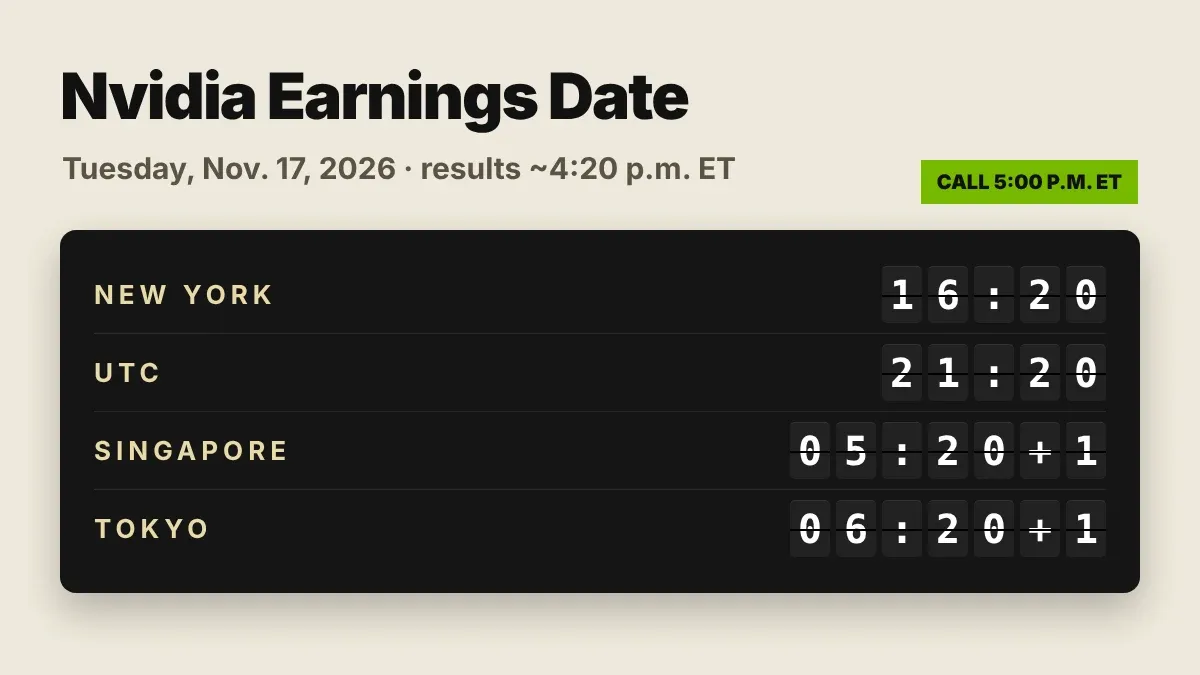
Nvidia Earnings Date: Nov. 17, 2026 After the Bell, in Every Zone
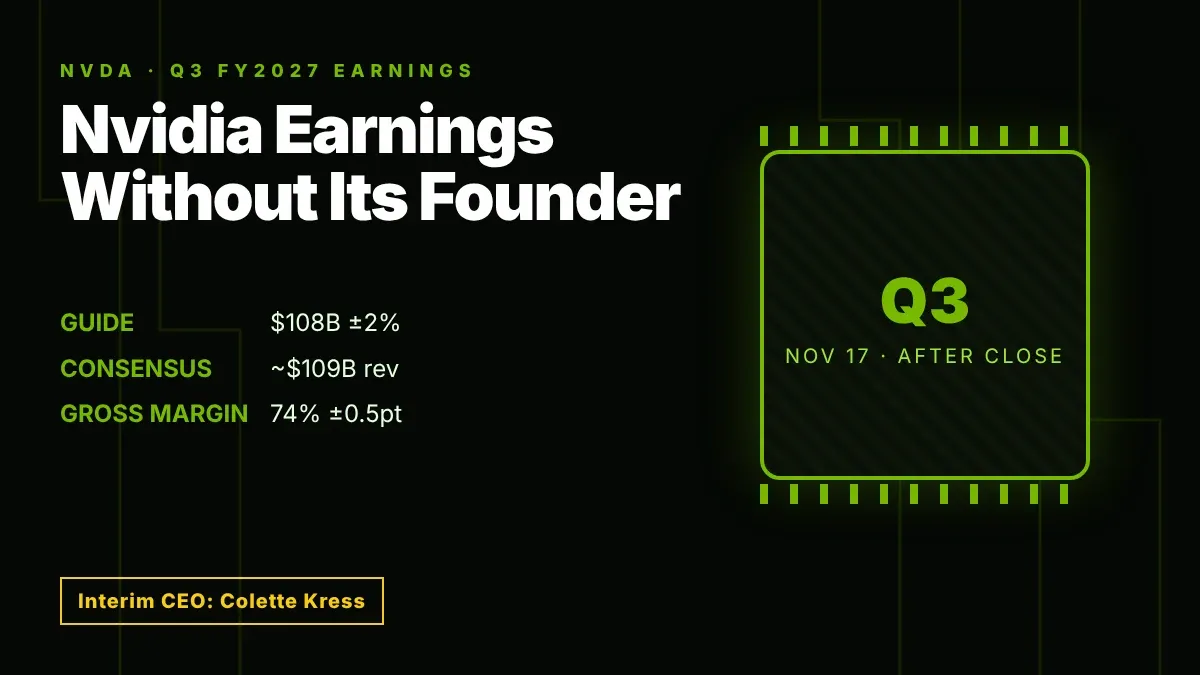
Nvidia Earnings Preview: Q3 Results Land Days After Huang's Exit
Powell Speech Bitcoin: Why Warsh, Not Powell, Moves BTC in 2026
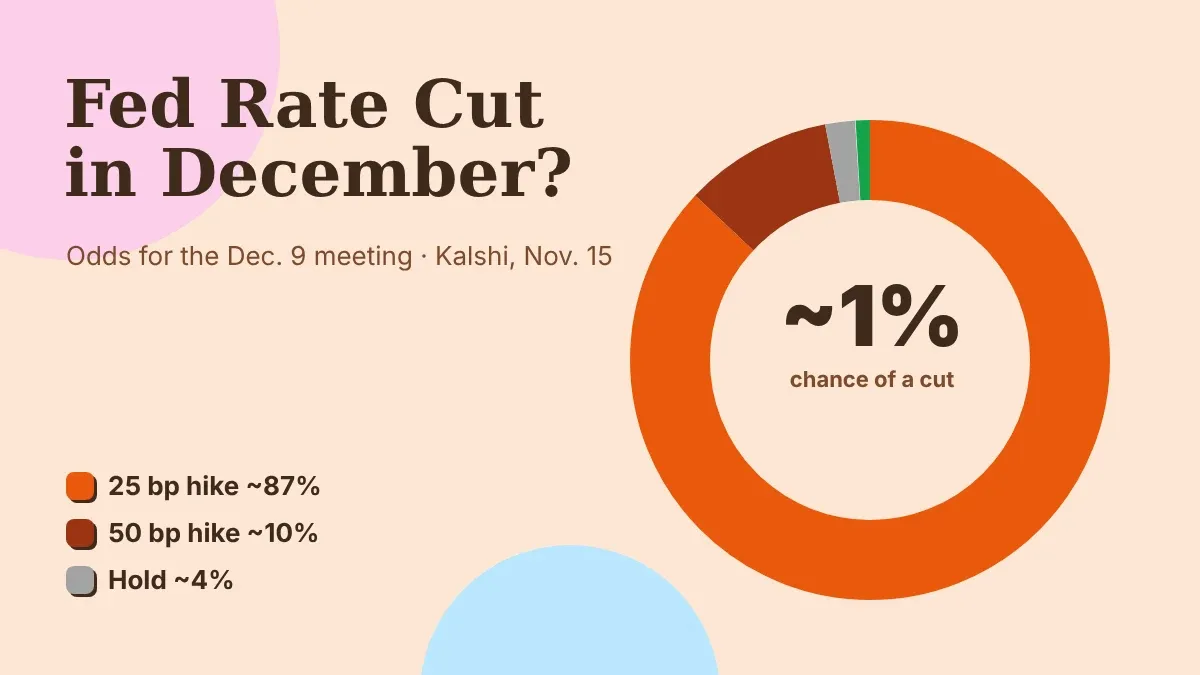
Fed Rate Cut December 2026? Why Markets Now Price a Hike Instead
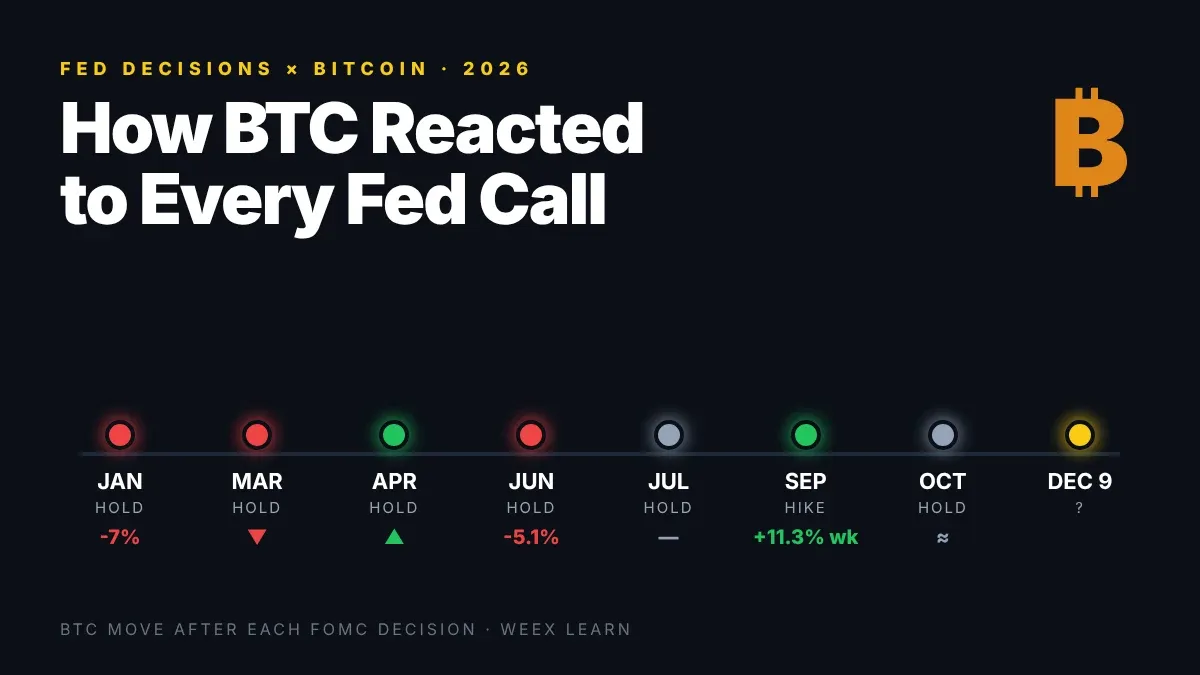
Fed Rate Decision Bitcoin: How BTC Reacted to Every 2026 Call
Nebius Cuts 2026 Revenue Outlook: Are Data Center Delays a Threat to NBIS?
BTC Staking in a Crash: What It Protects and What It Does Not
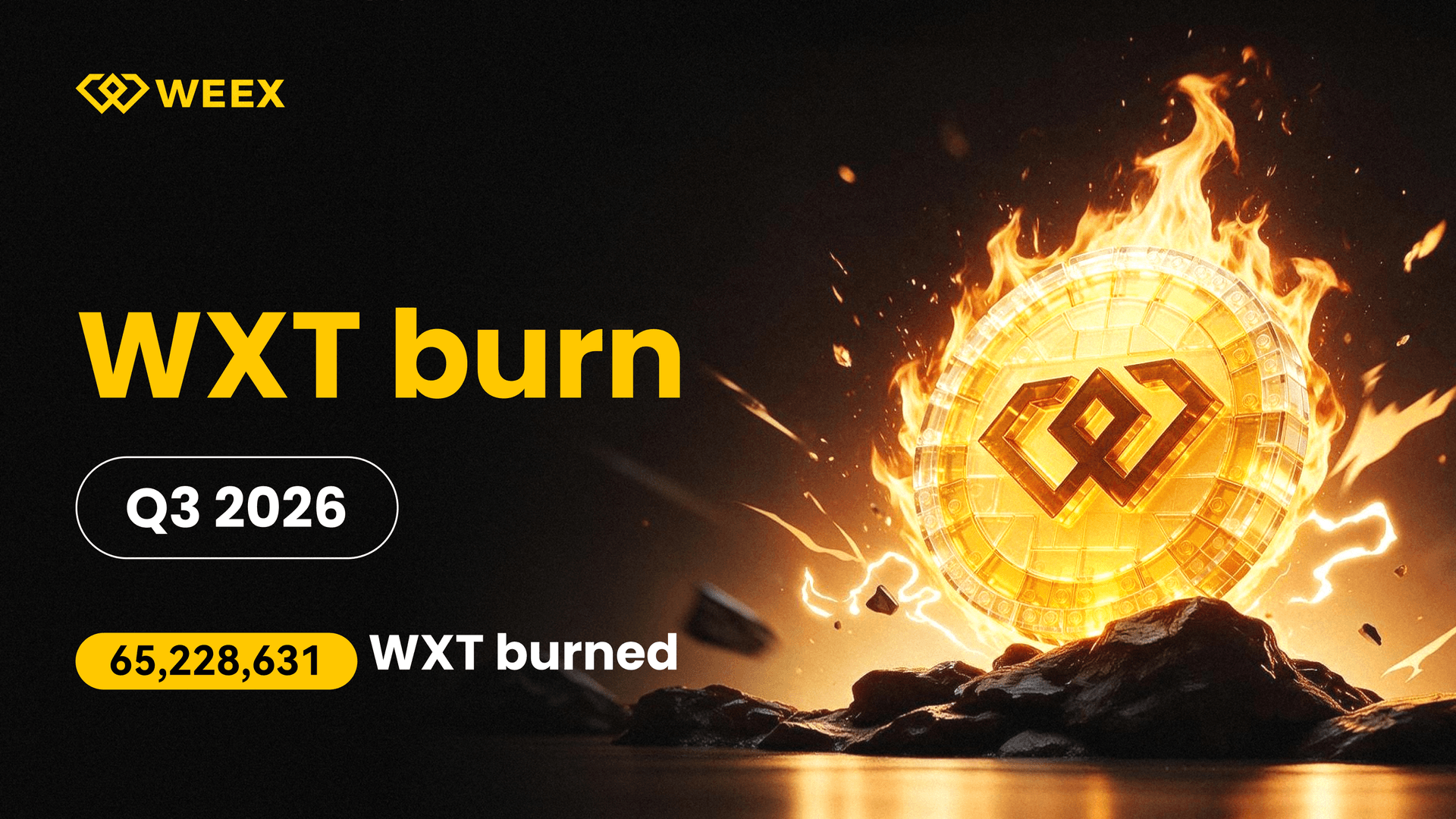
WXT Burn Q3 2026: WEEX to Burn 65,228,631 WXT on November 16
ACKET Token Surges 1,000% After Jensen Huang Resigns: What Is Confirmed
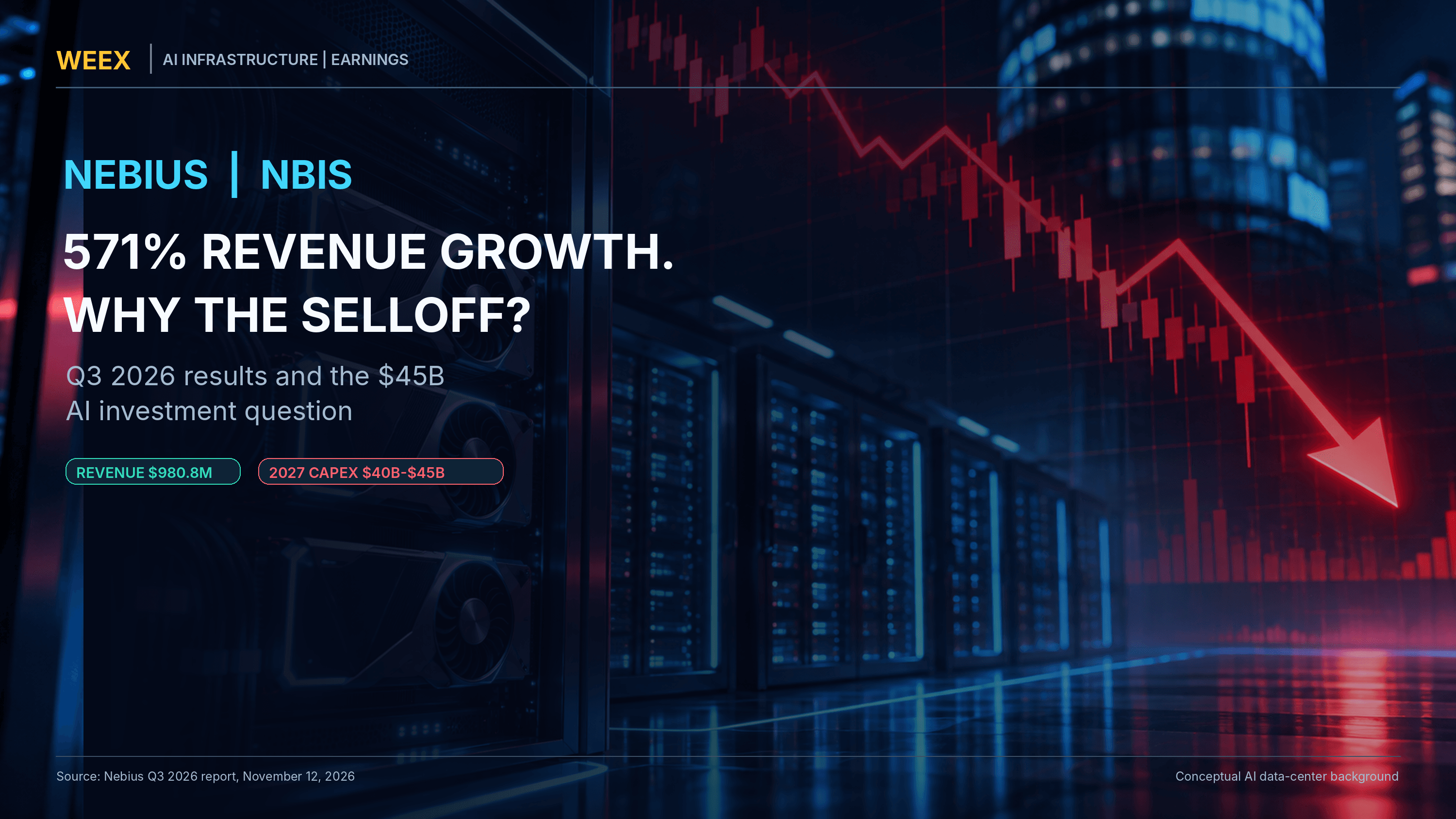
Why Did Nebius Stock Crash Despite 571% Revenue Growth? NBIS Q3 Earnings Explained
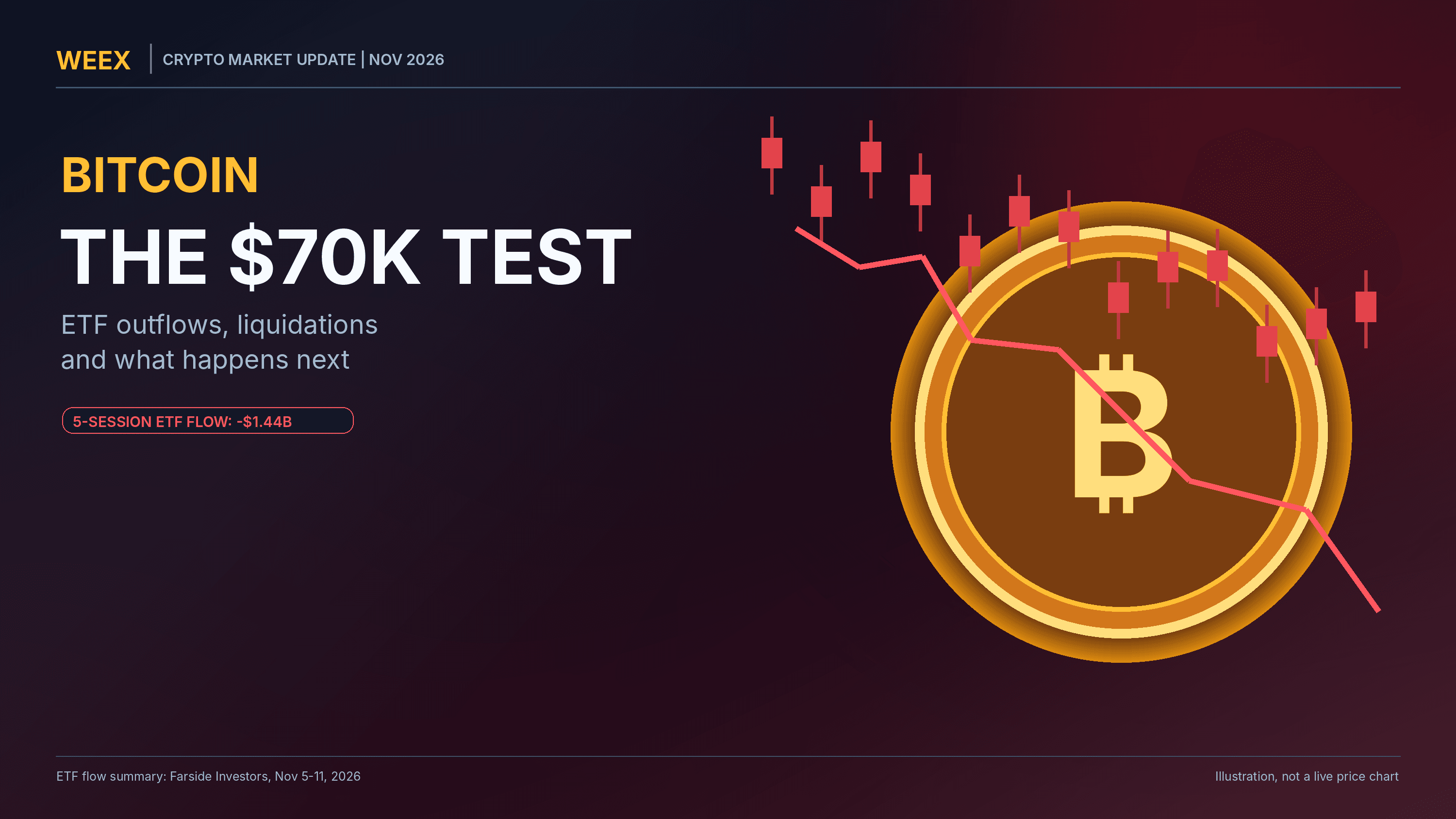
Bitcoin Falls Toward $70K: ETF Outflows, Liquidations and What Happens Next
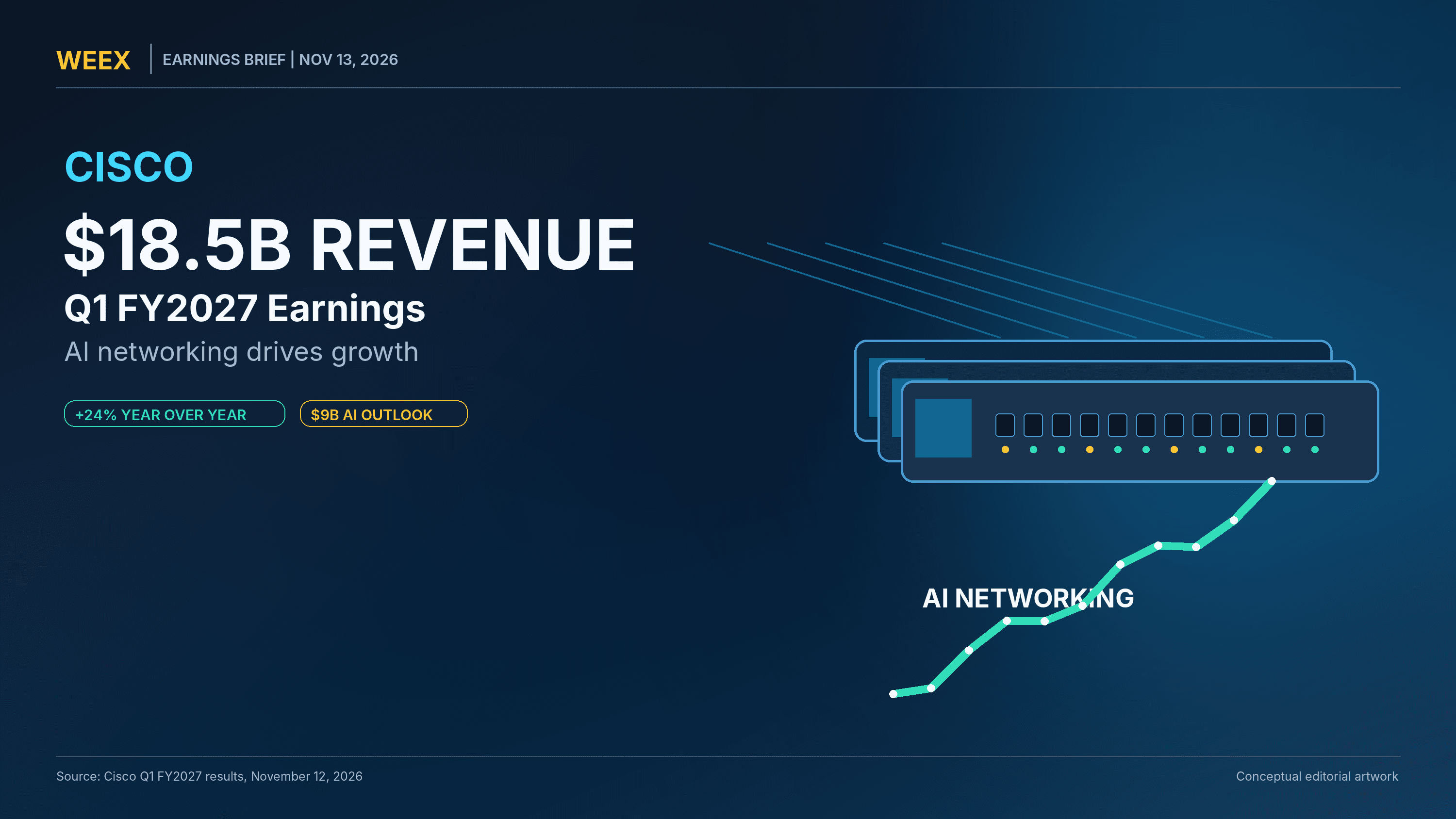
Cisco Q1 FY2027 Earnings: $18.5B Revenue, $9B AI Outlook and CSCO Stock Reaction
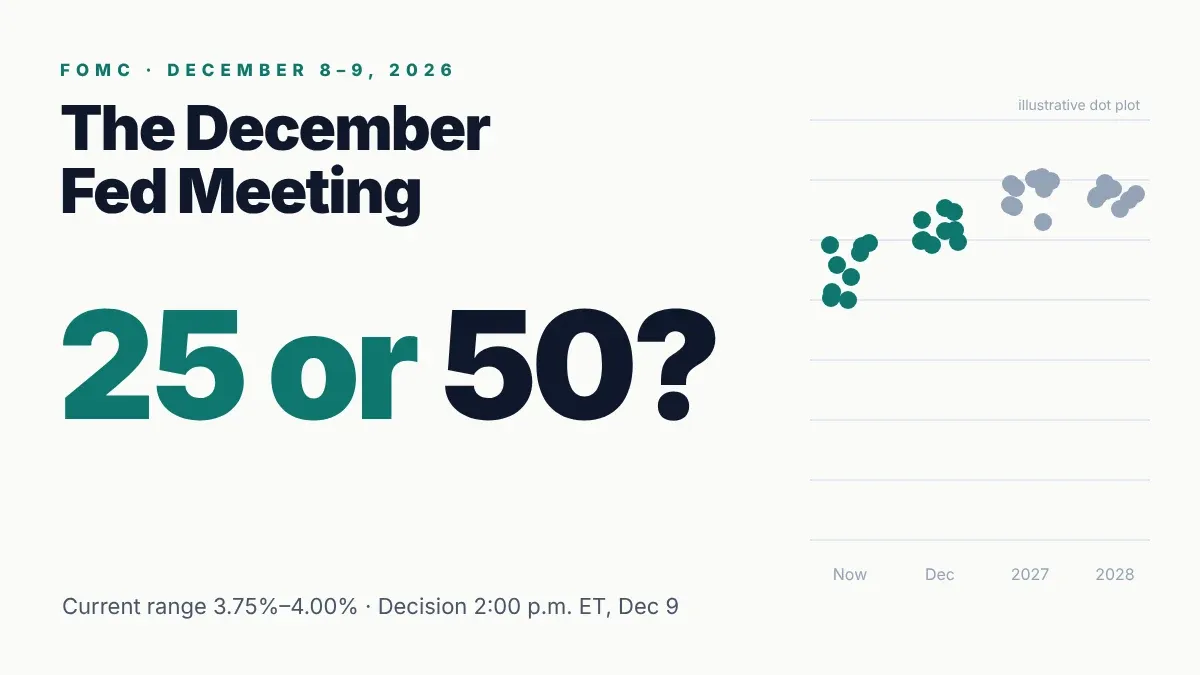
December FOMC Meeting 2026: Dec. 8-9 Rate Hike, 25 or 50 Bps?
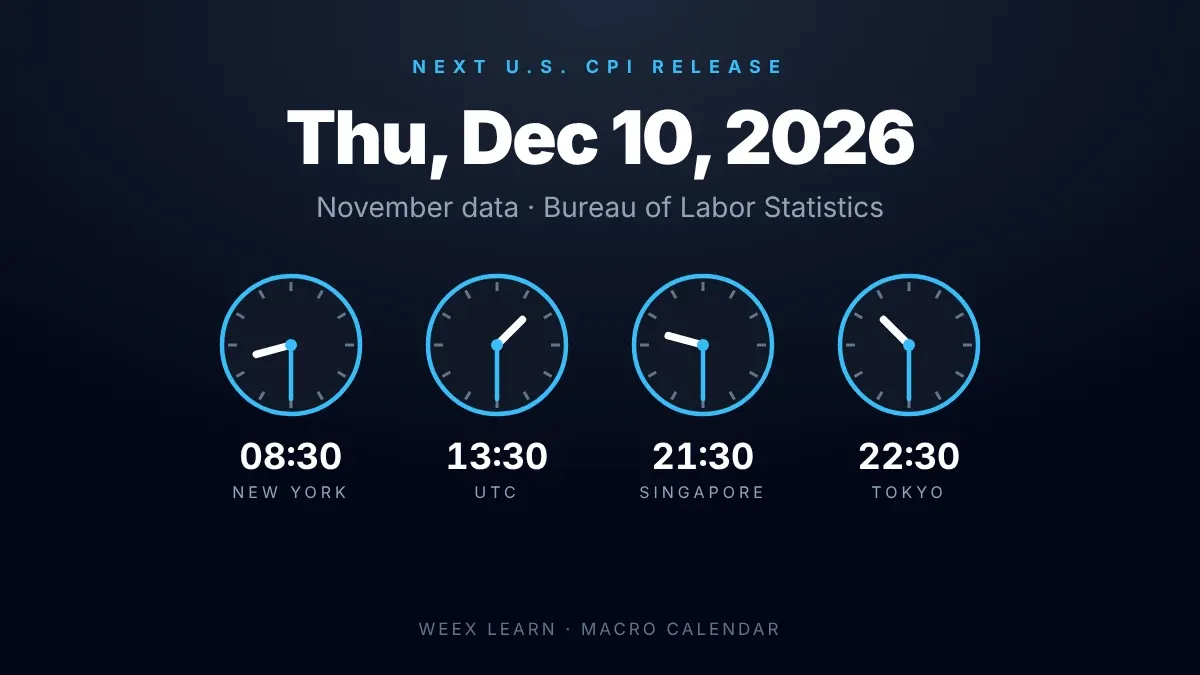
CPI Release Date: Next Report Dec. 10, 2026 at 8:30 a.m. ET
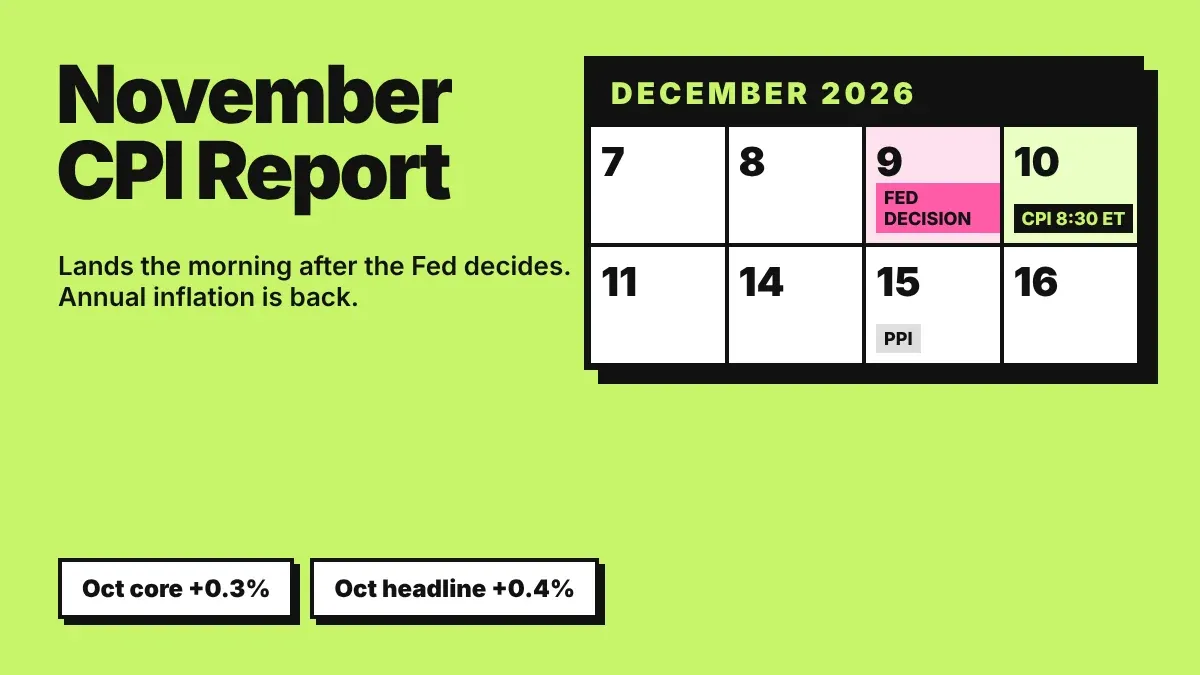
November CPI Report: Dec. 10 Release Lands After the Fed Decides
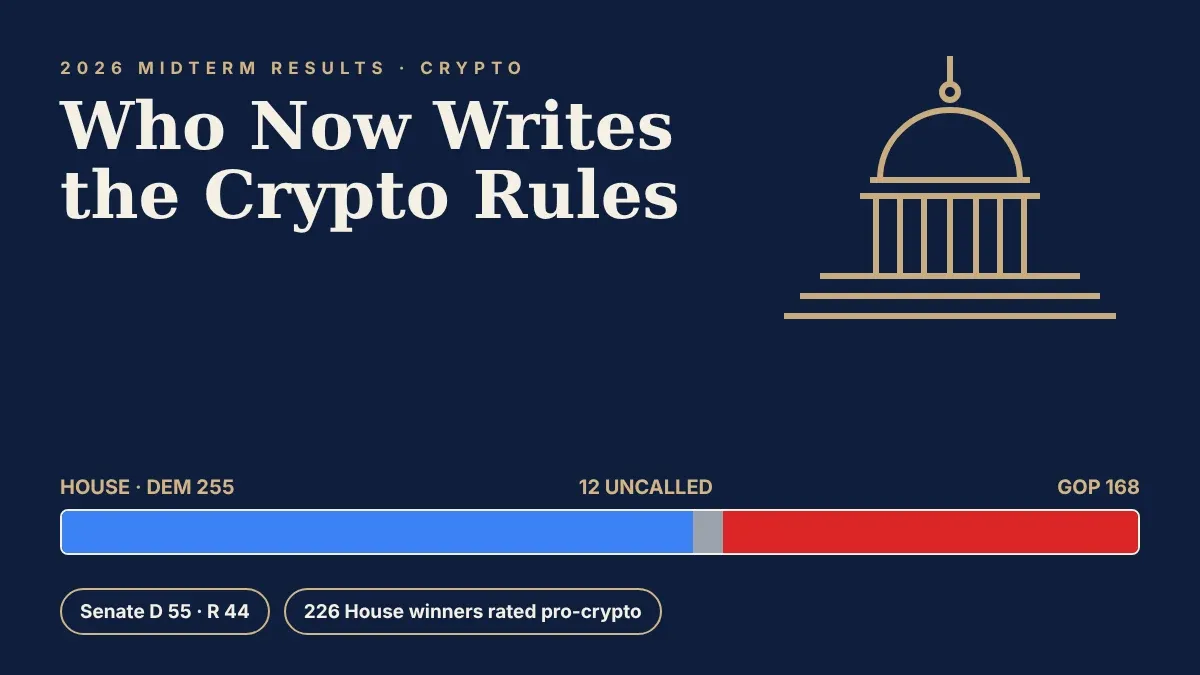
Midterm Election Results Crypto: Who Now Controls Crypto Policy
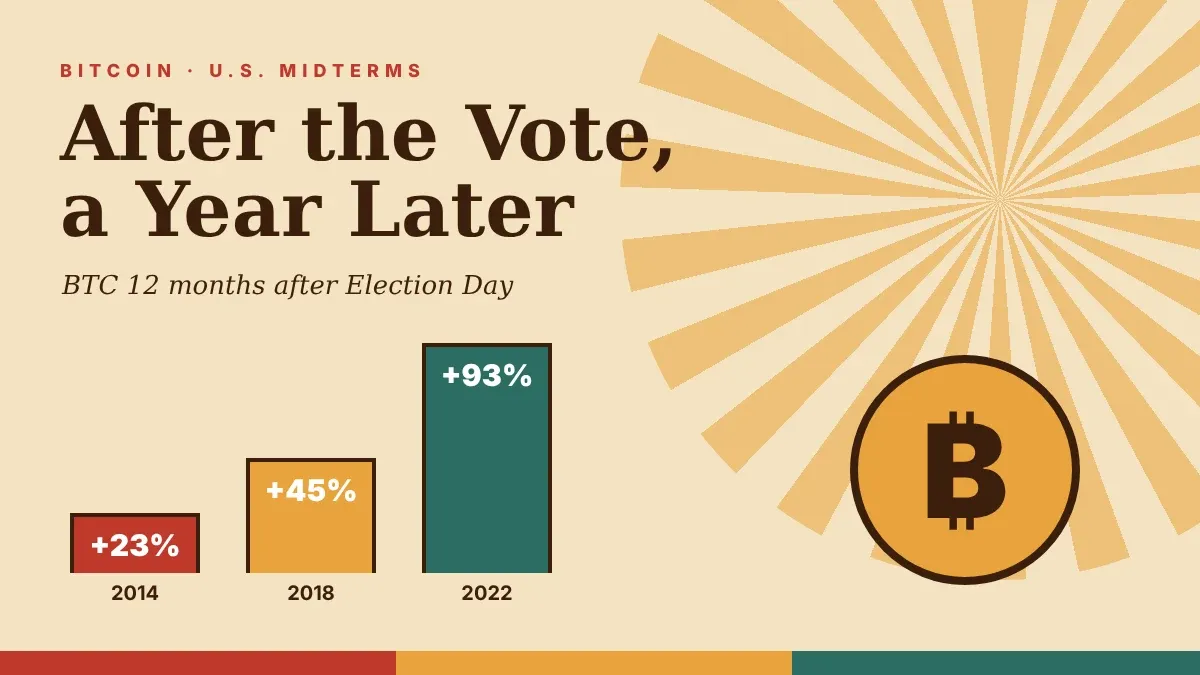
Midterm Elections Bitcoin Price: What 2014, 2018 and 2022 Show
Is Staking Crypto Worth It? What You Earn on WEEX Staking
MSCI Removes Strategy (MSTR): Will Index Selling Pressure Bitcoin?
DTCC Brings Tokenized Securities to Solana: Will SOL Demand Rise in 2027?
Jensen Huang Resigns as NVIDIA CEO: What Happens to NVDA Stock Next?

Rocket Lab's 100th Electron Launch: November 14 Window, Mission Details and RKLB Stock Outlook
Token Unlocks This Week: How to Read AKE, ZRO and XPL Releases
LayerZero Unlock October 2026: Can ZRO Hold $2 Amid Whale Inflows?
What is Zerobase (ZBT) and How Does It Work?
What is Crypto Airdrop ? The Most Complete Guide for Beginners to Get Airdrop
Are Bitcoin Lightning Wallets Safe? 5 Security Warnings Since August
How to Buy ANT Stock on Day One: What Is Confirmed