
MSCI Removes Strategy (MSTR): Will Index Selling Pressure Bitcoin?

 Prefer us on Google

Introduction
The MSCI Strategy removal has become a major concern for investors following Bitcoin treasury companies after MSCI confirmed on November 11, 2026, that Strategy Inc. (NASDAQ: MSTR) would be removed from its global equity benchmarks. The decision follows a revision to MSCI's eligibility framework for non-operating companies and will take effect after the U.S. market close on November 30, becoming effective for the December 1 index composition. The announcement raises the possibility of selling by passive funds that track MSCI benchmarks, potentially affecting Strategy's share price and its ability to raise capital for additional Bitcoin purchases.
The MSCI Strategy removal comes at a time when Strategy's corporate identity is closely tied to its Bitcoin accumulation strategy. The company has financed substantial cryptocurrency purchases through a combination of equity and debt instruments, making its market valuation and access to capital important components of its business model. Strategy previously estimated that MSCI-linked investors held approximately 13 million shares, or 3.1% of its basic shares outstanding, while warning that exclusion could create approximately $2.8 billion in stock selling. Broader estimates involving other index providers have suggested potentially larger outflows, although these figures represent scenarios rather than completed transactions.
For investors evaluating the MSCI Strategy removal, the most important distinction is that selling MSTR stock does not automatically mean selling Bitcoin. Index-tracking funds hold shares in Strategy rather than direct claims on the Bitcoin in the company's treasury, so a portfolio rebalance occurs in the equity market. However, a prolonged decline in MSTR's valuation could weaken the economics of future capital raising, potentially slowing additional BTC purchases. This article examines why MSCI excluded Strategy, the scale of possible passive selling, the role of its Bitcoin treasury model, and the conditions under which equity-market pressure could affect cryptocurrency demand.
Why Is MSCI Removing Strategy From Its Indexes?
MSCI's decision follows an update to its Global Investable Market Indexes methodology announced on October 15, 2026. The revised framework is designed to identify companies that resemble investment funds or other non-operating investment vehicles rather than businesses with substantial operating assets. Because such vehicles are generally excluded from major equity benchmarks, MSCI introduced additional financial tests to determine which corporate issuers should remain eligible.
Under the new methodology, companies first undergo a core assessment of whether they possess substantial operating assets. Those that fail this initial screen are then evaluated using five financial ratios. An issuer can be classified as ineligible when four or more of the five ratios trigger the relevant exclusion conditions, subject to the methodology's rules and thresholds.
For existing constituents, MSCI generally requires the ineligibility conditions to be met across the two most recent annual reporting periods, with provisions for using more recent interim financial information. This framework replaced earlier interim measures that focused on companies whose digital asset holdings represented at least half their total assets. Consequently, the November decision should not be described simply as an automatic ban on every company holding more than 50% of its assets in cryptocurrency.
Strategy's business model attracted attention because Bitcoin ownership is central to its financial position and market valuation. The company continues to have operating activities, but a large share of its economic exposure comes from its digital asset treasury. MSCI's methodology evaluates whether that financial structure is consistent with inclusion in indexes intended to represent operating companies.
Strategy has publicly criticized the approach, arguing that excluding digital asset treasury companies is discriminatory and that its activities constitute a legitimate operating business. MSCI, by contrast, has presented the revised tests as part of a broader framework for identifying non-operating issuers. The disagreement concerns index classification and eligibility; it does not mean that Strategy's Nasdaq listing has been canceled or that the company has lost legal ownership of its assets.
MSCI Strategy Removal: Key Facts and Timeline
| Category | Confirmed Information | Source |
|---|---|---|
| Company | Strategy Inc. | Company filings |
| Nasdaq Ticker | MSTR | Nasdaq / Strategy |
| Index Provider | MSCI | MSCI |
| New Methodology Announced | October 15, 2026 | MSCI |
| Removal Announced | November 11, 2026 | MSCI Index Review |
| Implementation | After November 30, 2026 market close | MSCI |
| Effective Index Composition | December 1, 2026 | MSCI |
| Affected Benchmark | MSCI USA and related global indexes | MSCI / Reuters |
| Relevant Classification | Non-operating company methodology | MSCI |
| Nasdaq Delisting | No | MSCI decision concerns index membership |
| Mandatory Bitcoin Liquidation | No | Index adjustment affects MSTR shares |
Sources: MSCI Non-Operating Companies Methodology, MSCI November 2026 Index Review, and Reuters — MSCI Removes Strategy.

The distinction between November 11 and November 30 matters for market analysis. November 11 was the announcement date, when investors learned which securities would be removed. November 30 is the implementation point around which index-tracking funds must bring their portfolios into line with the revised benchmarks. Some investors may adjust positions before the deadline, meaning the actual trading response can unfold over several sessions rather than occurring in a single transaction.
How Much MSTR Stock Could Index Funds Be Forced to Sell?
Passive investment funds seek to track the performance and composition of a designated index. When the index provider removes a constituent, a fund attempting to replicate that index generally needs to reduce or eliminate the corresponding position. This creates a potential source of selling that is driven by portfolio methodology rather than an independent judgment about the company's earnings or financial prospects.
However, estimating the actual volume of selling is more complicated than multiplying the number of index-linked shares by a single market price. Some funds replicate indexes directly, while others use optimization strategies, derivatives, or sampling techniques. Fund managers can also adjust their portfolios before the effective date, and existing market participants may anticipate the transaction by trading ahead of the rebalance.
Strategy previously estimated that MSCI-linked investors held approximately 13 million shares, representing about 3.1% of its basic shares outstanding. It warned that exclusion could trigger approximately $2.8 billion of equity selling. Reuters also reported an estimate from JPMorgan indicating that total outflows could reach as much as $8.8 billion if other major index providers adopted similar exclusions.
These figures should not be combined as though they describe separate confirmed transactions. The $2.8 billion figure relates to Strategy's assessment of MSCI-linked exposure, while the larger estimate depends on an additional scenario involving other index providers. Neither figure demonstrates that the stated amount has already been sold.
Potential MSTR Index-Related Selling: Reported Estimates
| Indicator | Reported Figure | Interpretation |
|---|---|---|
| MSCI-Linked MSTR Shares | Approximately 13 million | Strategy's previous estimate |
| Share of Basic Shares Outstanding | Approximately 3.1% | Strategy's estimate |
| Potential MSCI-Related Selling | Approximately $2.8 billion | Company warning, not confirmed sales |
| Broader Potential Outflows | Up to $8.8 billion | JPMorgan scenario if other index providers follow |
| MSCI Implementation Date | November 30, 2026 | Scheduled closing-date rebalance |
| Confirmed Forced Bitcoin Sales | None | MSCI removal does not require BTC liquidation |
Sources: Reuters, November 11, 2026 and WEEX's Earlier MSCI–Strategy Analysis.
Even if a substantial number of shares changes hands, the effect on price will depend on available liquidity and the willingness of buyers to absorb the supply. Market makers, active funds, event-driven traders, and other investors may provide liquidity during the adjustment period. The presence of a mechanical seller does not establish the final transaction price or imply that every share will be sold at once.
This is why reported potential outflows are best treated as measures of possible portfolio reallocation, not forecasts of market capitalization losses. A $2.8 billion share sale, for example, would not mechanically reduce Strategy's market capitalization by exactly $2.8 billion. The actual valuation effect would depend on the prices at which transactions occur and the market's subsequent assessment of the company.
-- Price
Does MSCI Removal Force Strategy to Sell Bitcoin?
No. The exclusion affects Strategy's membership in equity indexes, not the Bitcoin held on its balance sheet. When an index fund sells MSTR, it transfers company shares to another market participant. The transaction does not require Strategy to transfer Bitcoin from its treasury, and shareholders cannot generally redeem their MSTR shares for an equivalent portion of the company's BTC holdings.
This separation between corporate ownership and underlying treasury assets is central to understanding the event. A company can experience significant changes in shareholder composition without immediately changing the assets it owns. Strategy's Bitcoin would only enter the market through a separate transaction initiated under its applicable corporate financing or treasury arrangements.
The more realistic transmission mechanism is indirect. If sustained selling pressure lowers MSTR's market valuation, issuing new equity could become less attractive. That may influence the amount of capital Strategy can raise and, consequently, the amount of Bitcoin it can purchase in future financing transactions.
How Index Selling Could Affect Bitcoin Indirectly
| Stage | Possible Development | Direct BTC Sale Required? |
|---|---|---|
| 1. Index Adjustment | MSCI removes MSTR | No |
| 2. Portfolio Rebalancing | Index-tracking funds sell MSTR shares | No |
| 3. Equity Valuation | Selling pressure may influence MSTR's market price | No |
| 4. Financing Conditions | Lower valuation may reduce the attractiveness of issuing shares | No |
| 5. Future BTC Purchases | Strategy could alter the scale or timing of additional purchases | No |
| 6. Treasury Liquidation | Strategy independently decides or becomes obligated to sell BTC | Yes, but this is a separate event |
This distinction also explains why the MSCI announcement cannot, by itself, establish the cause of a specific Bitcoin price decline. Traders may respond to concerns about future institutional demand, but the resulting market movement is different from evidence of an actual treasury sale.
For Bitcoin market analysis, the more useful question is whether Strategy subsequently changes its financing activities, Bitcoin acquisition announcements, or treasury holdings. These measurable developments would provide stronger evidence of a direct change in corporate BTC demand than the index decision alone.
Why Is Strategy's Bitcoin Financing Model Vulnerable to Share-Price Pressure?
Strategy has accumulated Bitcoin using a financing model that extends beyond cash generated by its operating business. The company has issued equity, preferred securities, and debt instruments to raise capital, some of which has been used to acquire additional BTC.
This approach connects the company's ability to expand its Bitcoin treasury with investor demand for its securities. When capital markets are willing to finance Strategy on attractive terms, the company may be able to issue securities and deploy the proceeds toward Bitcoin purchases. Conversely, weaker investor demand, lower equity valuations, or higher financing costs can make those transactions less attractive.
An MSCI exclusion matters because passive funds represent one potential source of demand for MSTR shares. Removing that demand may affect the market environment in which Strategy raises capital, although it does not eliminate every financing option.
How a Lower Share Price Can Change Equity Financing Capacity
Consider a simplified hypothetical example in which a company issues one million new shares.
If investors purchase those shares at $120 each, the offering raises $120 million before expenses. If the market price falls to $100 and the company issues the same number of shares, it raises only $100 million.
| Hypothetical Offering | Share Price | New Shares Issued | Gross Capital Raised |
|---|---|---|---|
| Scenario A | $120 | 1,000,000 | $120 million |
| Scenario B | $100 | 1,000,000 | $100 million |
| Difference | -$20 | Unchanged | -$20 million |
Source: Illustrative calculation, not an actual Strategy offering or financing forecast.
The example demonstrates that a lower share price can reduce the proceeds generated from issuing a fixed number of shares. A company could attempt to issue more shares to raise the same amount of money, but doing so may increase dilution for existing shareholders.
In practice, Strategy's financing decisions are more complex. The company may choose different security structures, vary the timing of issuances, or retain capital for purposes other than Bitcoin purchases. Therefore, a reduction in MSTR's share price is a potential financing constraint rather than proof that all future BTC acquisitions will stop.
What Is mNAV, and Why Does It Matter for Strategy?
A commonly discussed valuation measure for Bitcoin treasury companies is the multiple of net asset value, or mNAV. In broad terms, mNAV compares a company's market valuation with the estimated economic value of its underlying assets after considering relevant liabilities and capital structure adjustments.
For Strategy, Bitcoin holdings are a major component of the underlying asset value. However, its financing structure also includes debt and preferred securities, meaning a simple comparison between market capitalization and the gross value of BTC holdings can be misleading.
The exact mNAV calculation can vary between analysts. Some focus on common-equity value relative to adjusted Bitcoin net assets, while others use enterprise-value frameworks and different treatments of outstanding securities. Readers should therefore verify the methodology before comparing values across data providers.
Illustrative mNAV Comparison
Assume a hypothetical Bitcoin treasury company has adjusted net assets attributable to common equity worth $15 billion.
| Scenario | Market Capitalization | Adjusted Net Asset Value | Illustrative mNAV |
|---|---|---|---|
| Premium Valuation | $18 billion | $15 billion | 1.20× |
| NAV Valuation | $15 billion | $15 billion | 1.00× |
| Discount Valuation | $12 billion | $15 billion | 0.80× |
Source: Illustrative calculation using market capitalization divided by adjusted net asset value. These are not reported Strategy figures.
When shares trade at a significant premium to adjusted net asset value, certain financing transactions may be more attractive to existing shareholders. A lower premium can weaken that advantage, particularly when new common shares would create additional dilution.
However, mNAV is not a fixed measure of intrinsic value. The underlying Bitcoin price changes continuously, and capital-structure adjustments can materially affect the calculation. A company may also trade at a premium or discount for reasons unrelated to the value of its Bitcoin alone, including operating businesses, financing flexibility, liquidity, and investor expectations.
The MSCI decision may matter to this valuation framework if reduced passive demand affects MSTR's market price. But whether that translates into a lasting change in financing behavior will depend on actual capital-market conditions.
How Could the MSCI Decision Affect the Bitcoin Market?
There are several possible pathways through which an equity-index change could influence the broader cryptocurrency market, but none creates an automatic requirement for Bitcoin selling.
The first is sentiment. Strategy has become closely associated with corporate Bitcoin adoption, and market participants may interpret index exclusion as evidence that some traditional equity benchmarks are becoming less receptive to treasury-focused companies. That perception can influence short-term trading even before any financing decisions change.
The second is incremental demand. If Strategy eventually purchases less Bitcoin than investors previously expected, the cryptocurrency market could experience a reduction in one source of future buying. This differs from additional sell-side supply: buying fewer coins does not mean selling existing holdings.
The third concerns broader corporate treasury strategies. Other companies pursuing similar financing models may face questions about their index eligibility and the role of digital assets within their balance sheets. However, MSCI's methodology applies financial tests to individual issuers and does not establish that all cryptocurrency-holding businesses will be excluded.
Three Potential Market Scenarios
| Scenario | MSTR Market Effect | Potential BTC Implication |
|---|---|---|
| Index-related rebalancing only | Temporary trading pressure | Limited direct fundamental change |
| Sustained valuation compression | Equity issuance becomes less attractive | Future BTC purchases could slow |
| Broader treasury-sector repricing | More companies face financing pressure | Corporate Bitcoin demand may weaken |
| Financing conditions stabilize | Other buyers absorb MSTR selling | BTC accumulation may continue |
Source: Scenario analysis based on MSCI's announced index changes and Strategy's financing model. These are conditional possibilities, not price forecasts.
The relevant question is how much of the announcement's impact remains after the scheduled rebalance. If MSTR attracts sufficient demand from active investors and retains access to financing, the economic consequences may be more limited than the initial market reaction suggests. If the change contributes to sustained valuation pressure, the effect on Strategy's future acquisition strategy could become more significant.
No single scenario can be established from the index announcement alone. Monitoring company filings and subsequent treasury transactions is essential.

What Should MSTR and Bitcoin Investors Watch Before November 30?
The immediate focus is the scheduled implementation of MSCI's index review after the November 30 close. Trading volume and volatility around that date may help indicate how the market is absorbing index-related portfolio adjustments. However, the number of shares changing hands should be interpreted alongside available liquidity and broader market conditions.
Investors should also monitor Strategy's disclosures of financing activity and Bitcoin purchases. Changes in outstanding shares, newly issued securities, debt obligations, and BTC holdings can provide evidence of whether the company's financial strategy is changing.
Another important development would be any comparable decision from other index providers. The larger reported outflow estimates depend on circumstances beyond MSCI's confirmed action, so they should not be presented as inevitable consequences of the November review.
For historical context, WEEX previously examined the pending decision in MSCI vs. Strategy: What the November 11 Index Decision Means for BTC. That earlier analysis describes the pre-decision concerns, while the current announcement establishes that MSCI has now confirmed Strategy's removal.
MSTR Stock vs. Bitcoin: Why the Trading Products Matter
Strategy shares and Bitcoin provide different forms of financial exposure, even though Strategy's corporate value is heavily influenced by its BTC holdings.
Owning MSTR common stock represents an equity interest in Strategy. Shareholders are exposed to the company's operating activities, financing decisions, liabilities, and Bitcoin treasury strategy. The market price may therefore move differently from BTC, reflecting corporate-specific factors such as dilution, index membership, and capital structure.
Bitcoin, by contrast, is a cryptocurrency with its own supply dynamics and market structure. Its price depends on global buying and selling activity across spot and derivatives markets, not exclusively on decisions made by Strategy.
WEEX also provides stock-related digital products, which are distinct from ordinary corporate shares. Under the platform's published rules, WEEX stock tokens are synthetic price-tracking assets and do not grant legal ownership of the underlying equities.
Comparing MSTR-Related and BTC Products
| Feature | Nasdaq MSTR Shares | WEEX MSTR Stock Token | Bitcoin Spot | BTC Perpetual Futures |
|---|---|---|---|---|
| Economic Exposure | Strategy equity | Synthetic MSTR price tracking | BTC ownership | BTC price movements |
| Underlying Share Ownership | Yes | No | Not applicable | No |
| Shareholder Voting Rights | Generally yes | No | No | No |
| Direct BTC Ownership | No | No | Yes | No |
| Leverage | Brokerage-dependent | Product-specific | No inherent leverage | May be available |
| Major Risks | Equity, financing, corporate governance | Tracking, liquidity, issuer | Cryptocurrency volatility | Margin, funding, liquidation |
Source: WEEX Stock Token Trading Rules.
These differences are particularly relevant during events involving traditional equity indexes. An MSCI decision directly affects MSTR's equity-market classification, whereas the impact on Bitcoin is indirect. A stock-linked token may follow movements in the reference equity, but its trading price and liquidity can vary from ordinary Nasdaq shares.
How to View and Trade MSTR and Bitcoin on WEEX
Users following Strategy's index removal can monitor available stock-linked products and cryptocurrency markets through WEEX, subject to regional eligibility and current platform availability.
How to Access MSTR Stock-Related Trading
Open the WEEX MSTR/USDT Stock-Related Trading page and review the available market quotation, trading status, order types, and applicable fees. If trading is supported for the account, users can select an available order type, enter the desired quantity, and review the execution details before confirming.
WEEX stock-related tokens provide synthetic exposure to the reference stock's price performance rather than direct ownership of Strategy shares. They do not grant shareholder voting rights or ownership of the Bitcoin held by Strategy. Users should also consider differences in trading hours, available liquidity, and execution prices.
For more information about how these products work, see How to Trade U.S. Stocks With USDT on WEEX.
How to Buy and Trade Bitcoin on WEEX
Users seeking direct cryptocurrency exposure can access the WEEX BTC/USDT Spot Trading page. After logging in, users can review the current price, select a supported order type, enter the amount, and confirm the applicable costs before purchasing or selling BTC.
Experienced users can also review BTC/USDT Perpetual Futures, which provide derivatives exposure to Bitcoin price movements. Futures positions involve margin requirements, funding payments, and liquidation risk, making them materially different from holding BTC in a spot account.
The MSCI decision is an equity-index event, so users should not assume that trading MSTR-related products, Bitcoin spot, and Bitcoin perpetual futures produces equivalent results. Each instrument has its own pricing and risk characteristics.
Conclusion
MSCI's decision to remove Strategy from its equity indexes represents a meaningful change in how a major benchmark provider classifies Bitcoin treasury companies. The removal will take effect after the November 30, 2026 market close and could prompt portfolio adjustments by funds tracking affected MSCI benchmarks.
The potential financial implications extend beyond immediate share selling. Strategy's ability to raise capital and accumulate additional Bitcoin depends partly on investor demand for its securities and the valuation at which new financing can be arranged. If the MSCI exclusion contributes to sustained pressure on MSTR shares, it could make some future financing transactions less attractive.
Nevertheless, the decision does not delist Strategy from Nasdaq, invalidate its existing Bitcoin holdings, or require the company to sell BTC. The more useful indicators will be actual index-related trading, subsequent financing announcements, and changes in Strategy's Bitcoin treasury.
For investors, the critical distinction is between confirmed equity-market mechanics and hypothetical cryptocurrency-market consequences. The MSCI removal is confirmed; its longer-term effect on Bitcoin demand remains to be demonstrated.
FAQ
1. Why is MSCI removing Strategy from its indexes?
MSCI adopted a revised methodology for identifying non-operating companies, using an initial operating-asset screen and additional financial ratios. Strategy was included among the companies affected by the new eligibility framework. The decision concerns index membership and does not represent a Nasdaq delisting.
2. When will Strategy be removed from MSCI indexes?
The change was announced on November 11, 2026, and is scheduled to take effect after the market close on November 30. The revised index composition becomes effective on December 1, 2026, with index-tracking funds expected to adjust their holdings according to their applicable portfolio strategies.
3. How much MSTR stock could be sold because of the MSCI decision?
Strategy previously estimated that MSCI-linked investors held approximately 13 million shares, or 3.1% of basic shares outstanding, and warned of potential equity selling of around $2.8 billion. Larger estimates depend on additional index-provider decisions. These are reported estimates rather than confirmed executed sales.
4. Does MSCI removal mean Strategy must sell Bitcoin?
No. Index funds removing MSTR shares are trading corporate equity, not redeeming shares for Bitcoin. MSCI's decision does not require Strategy to liquidate its BTC holdings. Any effect on future Bitcoin purchases would depend on the company's subsequent financing and treasury decisions.
5. Can I trade MSTR-related products and Bitcoin on WEEX?
WEEX provides stock-related digital products and BTC spot and perpetual futures markets, subject to product availability and account eligibility. MSTR stock tokens are synthetic price-tracking assets rather than ordinary shares, while BTC spot trading and perpetual contracts have different ownership, margin, and liquidation characteristics.
This content is provided for general informational purposes only and doesn't constitute financial, investment, legal, or tax advice. Any events, rewards, online promotions, or related information mentioned herein should not be considered a recommendation, solicitation, or invitation to purchase, sell, trade, or otherwise deal in any crypto assets. Crypto assets are highly volatile and may result in loss. The availability of WEEX services, products, and related events may vary by region. You are responsible for ensuring that your participation is in accordance with applicable local laws and regulations.
You may also like

Are Bitcoin Lightning Wallets Safe? 5 Security Warnings Since August

How to Buy ANT Stock on Day One: What Is Confirmed

Anthropic IPO: ANT Date, Price Range and Valuation

Jensen Huang Comeback Reports: Petition, War Room and Nvidia’s Response
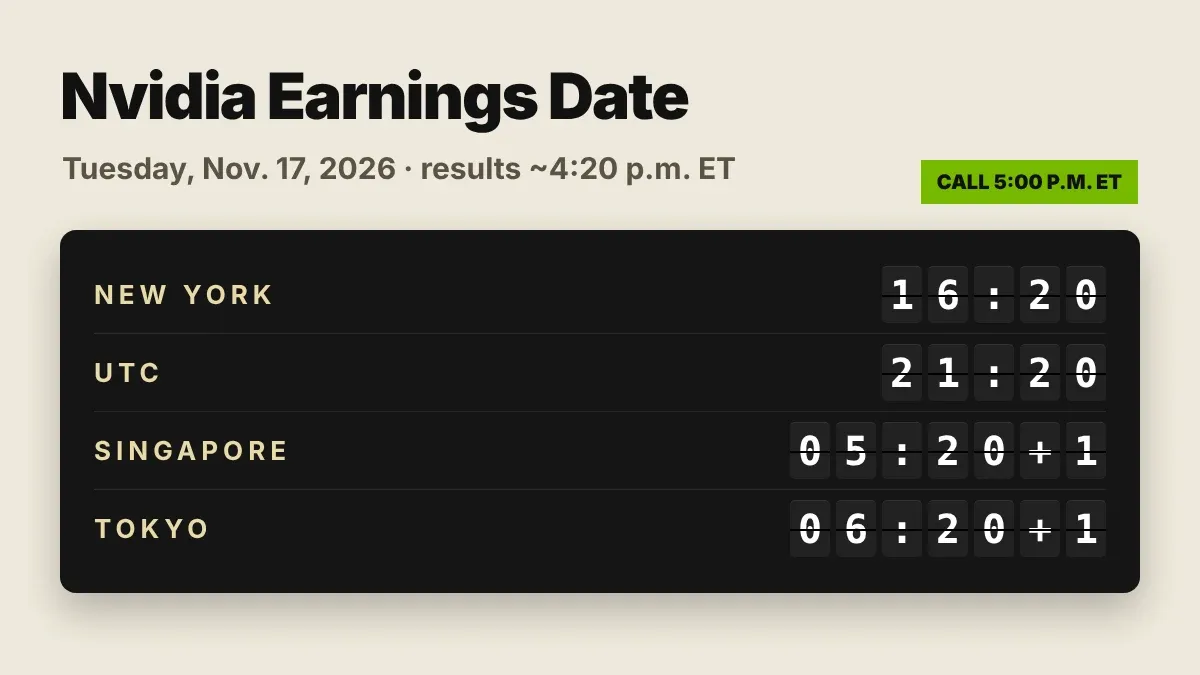
Nvidia Earnings Date: Nov. 17, 2026 After the Bell, in Every Zone
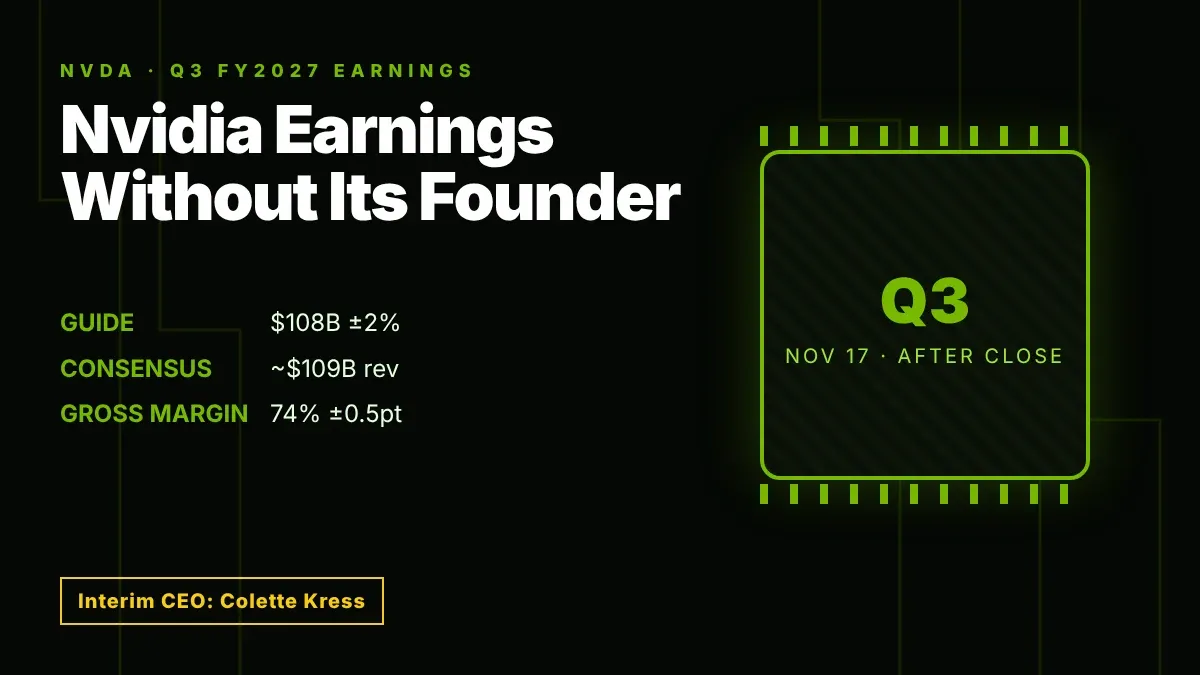
Nvidia Earnings Preview: Q3 Results Land Days After Huang's Exit

Powell Speech Bitcoin: Why Warsh, Not Powell, Moves BTC in 2026

Fed Rate Cut December 2026? Why Markets Now Price a Hike Instead
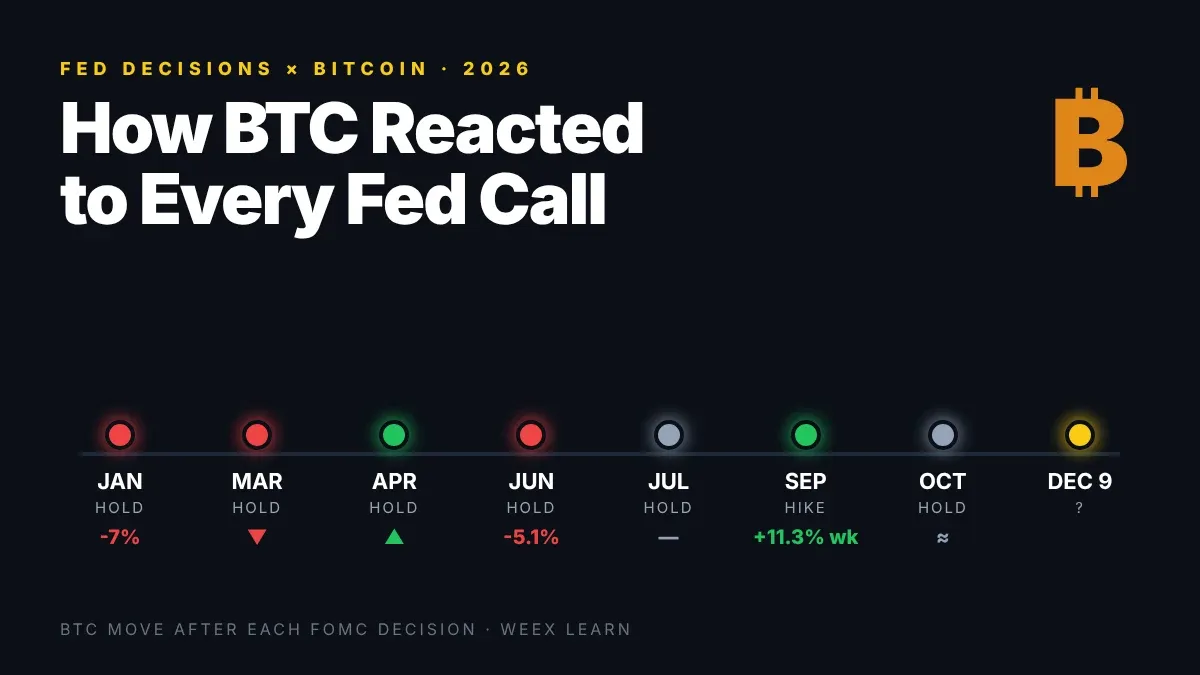
Fed Rate Decision Bitcoin: How BTC Reacted to Every 2026 Call

Nebius Cuts 2026 Revenue Outlook: Are Data Center Delays a Threat to NBIS?

BTC Staking in a Crash: What It Protects and What It Does Not

WXT Burn Q3 2026: WEEX to Burn 65,228,631 WXT on November 16

ACKET Token Surges 1,000% After Jensen Huang Resigns: What Is Confirmed

Why Did Nebius Stock Crash Despite 571% Revenue Growth? NBIS Q3 Earnings Explained

Bitcoin Falls Toward $70K: ETF Outflows, Liquidations and What Happens Next
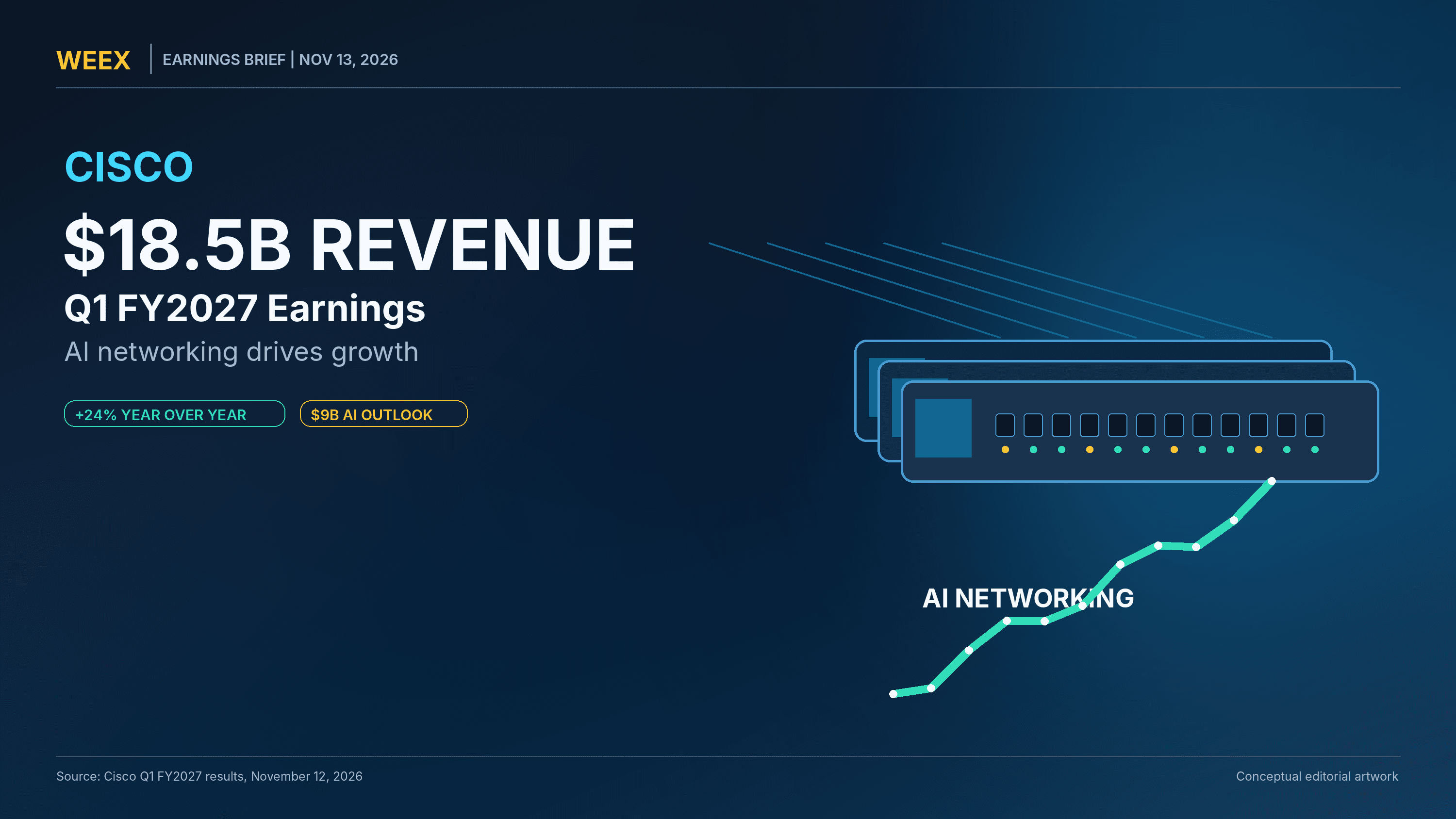
Cisco Q1 FY2027 Earnings: $18.5B Revenue, $9B AI Outlook and CSCO Stock Reaction
December FOMC Meeting 2026: Dec. 8-9 Rate Hike, 25 or 50 Bps?
CPI Release Date: Next Report Dec. 10, 2026 at 8:30 a.m. ET

November CPI Report: Dec. 10 Release Lands After the Fed Decides
Midterm Election Results Crypto: Who Now Controls Crypto Policy
Midterm Elections Bitcoin Price: What 2014, 2018 and 2022 Show

Is Staking Crypto Worth It? What You Earn on WEEX Staking
DTCC Brings Tokenized Securities to Solana: Will SOL Demand Rise in 2027?

Jensen Huang Resigns as NVIDIA CEO: What Happens to NVDA Stock Next?

Rocket Lab's 100th Electron Launch: November 14 Window, Mission Details and RKLB Stock Outlook

What Is Project Faro? The $270M Bank Stablecoin Plan Explained

Stablecoin Supply Falls $14.2B in 30 Days: What It Means for Bitcoin
Binance Hack: $6.3B Laundering Trail and Recovery Progress
Is Strategy (MSTR) Being Removed From the MSCI Index? What Happens After November 30

Beginner-Friendly Crypto Exchanges With Simple Interfaces Ranked
Are Bitcoin Lightning Wallets Safe? 5 Security Warnings Since August
How to Buy ANT Stock on Day One: What Is Confirmed
Anthropic IPO: ANT Date, Price Range and Valuation
Jensen Huang Comeback Reports: Petition, War Room and Nvidia’s Response
Nvidia Earnings Date: Nov. 17, 2026 After the Bell, in Every Zone
Nvidia Earnings Preview: Q3 Results Land Days After Huang's Exit


