
Why Is STRK Up Over 25%? Starknet's Layer 1 Idea, the Quantum Roadmap and the Risks Behind the Jump

 Prefer us on Google

The STRK price has jumped after Starknet, an Ethereum Layer 2 built by StarkWare, said it is weighing a move to its own Layer 1 to defend against quantum computing. According to TokenPost, the STRK price rose nearly 26% in 24 hours, while CoinGecko showed a gain of about 46% in the same window. The gap between sources is large because each captured a different moment of a fast move, which is why any single number needs a timestamp.
The announcement itself is far from settled. Starknet said it is "actively considering" the change, no formal proposal or vote exists, and the rally came after weak network metrics and heavy futures activity. Whether the STRK price can hold these gains depends on what happens to that proposal and on the traders who bought the headline.
Why Is STRK Up Over 25%?
STRK is up because Starknet said on October 8 that it is "actively considering becoming an L1," a step it describes as a path to becoming "the first fully quantum-resistant network" by 2027, according to Bankless and Unchained. Minutes before that post, StarkWare CEO Eli Ben-Sasson asked his followers whether "Starknet becoming an L1 for post-quantum agility" is a good or bad idea, and linked the thread to his Token2049 talk. The announcement is an early consideration, not a decision. Neither post said whether or when a decision will be made, and any protocol change would need governance approval.
The reaction was amplified by derivatives. TokenPost reported that open interest in STRK futures rose more than 53% and that futures volume reached five times spot volume, which points to leveraged traders chasing the headline. AMBCrypto said STRK gained about 50% over 48 hours while the broader market sold off. A rally built on a headline and heavy leverage can reverse quickly if the idea stalls or the market turns.

What Did Starknet Say About Becoming a Layer 1?
As a Layer 2, Starknet depends on Ethereum for settlement and security, and Ben-Sasson argued that this dependence limits how fast it can respond to new cryptographic threats. According to Bankless, he said becoming an L1 would let Starknet run its own security migrations instead of waiting for Ethereum, whose quantum-resistance target he put at the end of 2029, while Bitcoin has not committed to a date. He said quantum computing and fast-moving AI together call for "bunker mode," meaning chains need to future-proof their cryptography quickly. AMBCrypto summarized his view as Ethereum not moving "fast enough." Ethereum's own timetable comes from his remarks and was not verified against Ethereum's official roadmap.
An independent chain would carry costs. TokenPost noted that Starknet would need its own validator network and would have to fund separate security and data availability infrastructure, and that the move would end its reliance on Ethereum for settlement and economic security. AMBCrypto also reported that some critics consider the 2027 timeline too aggressive, with arguments circulating on social media that have not been independently verified. For now, the L1 plan remains an open question put to the community rather than a roadmap commitment.
What Is Starknet's Quantum-Safe Roadmap?
StarkWare published a three phase quantum safe roadmap on June 30, 2026, and that plan is separate from the L1 idea. According to The Quantum Insider, it argues that STARK proofs, which rely on hash functions rather than elliptic curves, are already post-quantum secure, and it targets the remaining elliptic-curve dependencies. Phase one replaces Pedersen hashing with BLAKE2 in state commitments, contract addresses and network configuration for new activity, without requiring action from users or developers. Phase two extends protection to existing contracts through native tooling and a migration toolkit. The plan also includes post-quantum consensus signatures, such as Falcon-512.
Phase three covers dependencies Starknet cannot resolve alone, namely the Ethereum bridge messaging layer and blob data availability, which depend on Ethereum's own migration. This is the gap that the L1 idea is meant to close. StarkWare said improvements could arrive "within months" but gave no firm dates. KuCoin reported a test transfer using an experimental, unaudited account with the Falcon-512 signature scheme at a fee of about $0.06, which shows the technology is being tested but not yet in broad use.
-- Price
How Far Has the STRK Price Moved?
CoinGecko showed STRK near $0.0757, up about 46.4% over 24 hours, 61.4% over seven days and 124.1% over 30 days, in a snapshot that carried no explicit timestamp. Its market capitalization was about $562 million, its fully diluted valuation about $757 million and its 24 hour volume about $461 million, with 7.42 billion STRK circulating out of a 10 billion maximum. KuCoin listed STRK at $0.0684 earlier on October 9, which is why a single price should always be dated. Trading volume close to the size of the market cap, by my calculation about 82%, signals unusually heavy turnover.
Context matters here. CoinGecko lists STRK's all-time high at $4.41, so the current price sits roughly 98% below that level by my calculation, and the gains of the past week come from a very low base. KuCoin's daily report separately noted STRK up about 21% intraday on the possible quantum resistance upgrade before the larger move developed. Different trackers report different percentages, so the safest reading is that STRK rose by more than 25% in the 24 hours after the announcement.
What Are the Risks Behind the STRK Price Jump?
Network activity does not match the price. AMBCrypto, citing DeFiLlama, reported that Starknet's DeFi total value locked fell from about $310 million to about $160 million, although the article later gave a slightly different figure of $152 million. KuCoin, citing Nansen's first half 2026 report, said Starknet averaged about 239,000 daily transactions and 50,000 daily active addresses in the second quarter, with AVNU and Cartridge accounting for about 91% of volume. DefiLlama showed about $13,700 in fee revenue over the prior 24 hours. A price move this large against such metrics suggests the market is paying for the narrative rather than for current usage.
Supply and positioning add pressure. CoinGecko listed the next STRK unlock for October 15, though the amount was not verified here, and the gap between the $562 million market cap and the $757 million fully diluted valuation shows how much supply remains to enter circulation. With futures volume at five times spot, a quick unwind could trigger liquidations in both directions. And if Starknet decides against an L1 or the plan stalls, the catalyst behind this move could fade.
Trading STRK on WEEX Spot and Futures
For traders who want exposure to this move, WEEX offers STRK on both Spot and Futures, and the two suit different situations. On WEEX Spot, users buy STRK with USDT and hold the actual token with no leverage and no liquidation risk, which fits those who believe the quantum narrative has longer to run and prefer to ride out volatility. After a rise of this size, splitting a purchase into smaller limit orders instead of a single market order helps avoid paying a wide spread at a short-term peak.
WEEX Futures is for traders who want to trade the volatility in either direction, including shorting a headline that fades. Leverage amplifies gains and losses, and a position can be liquidated if price moves against it, so the crowded futures activity reported by TokenPost is a warning to keep leverage low, use stop-loss orders and check funding rates before holding overnight. The October 15 unlock is another date to plan around. WEEX maintains a 1,000 BTC protection fund, with details at weex.com/protectfund. Users should confirm the STRK trading pairs, fees and rules on the platform before placing any order.
Conclusion
STRK is up more than 25% because Starknet said it is considering becoming a Layer 1 to speed up quantum-safe upgrades, a plan that is still an open question rather than a decision. The move came on top of a 124% gain over 30 days, falling TVL and heavy futures activity, which makes the rally fragile. Traders should watch for a formal proposal, the October 15 unlock and whether the STRK price holds after the headline fades.
FAQ
1. Why is STRK up today?
STRK rose after Starknet said on October 8 that it is considering becoming its own Layer 1 to reach quantum resistance by 2027. Heavy futures activity amplified the move.
2. Is Starknet becoming a Layer 1?
Not yet. Starknet said it is "actively considering" the move, but no formal proposal or governance vote exists, and the idea was first posed as a question to the community.
3. What is Starknet's quantum roadmap?
StarkWare's June 30 roadmap has three phases that replace elliptic-curve dependencies, starting with BLAKE2 hashing, then existing contracts, then Ethereum-dependent pieces. It gave no firm dates.
4. How much has the STRK price risen?
TokenPost reported a gain of nearly 26% in 24 hours, while CoinGecko showed about 46%. The figures differ because the snapshots were taken at different times.
5. Can STRK be traded on WEEX Spot and Futures?
Yes. WEEX Spot has no leverage or liquidation risk, while WEEX Futures uses leverage and carries liquidation risk.
This content is provided for general informational purposes only and doesn't constitute financial, investment, legal, or tax advice. Any events, rewards, online promotions, or related information mentioned herein should not be considered a recommendation, solicitation, or invitation to purchase, sell, trade, or otherwise deal in any crypto assets. Crypto assets are highly volatile and may result in loss. The availability of WEEX services, products, and related events may vary by region. You are responsible for ensuring that your participation is in accordance with applicable local laws and regulations.
You may also like
Starknet Independent L1 Vote: What It Really Means for STRK
Are Bitcoin Lightning Wallets Safe? 5 Security Warnings Since August
How to Buy ANT Stock on Day One: What Is Confirmed

Anthropic IPO: ANT Date, Price Range and Valuation
Jensen Huang Comeback Reports: Petition, War Room and Nvidia’s Response
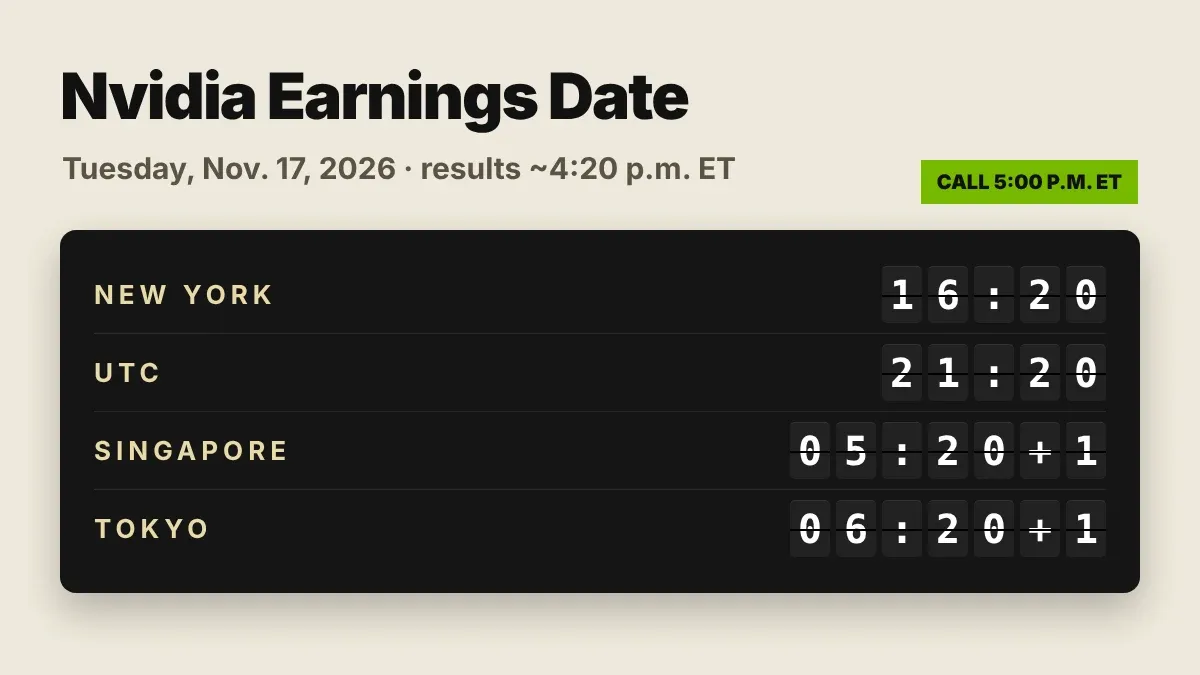
Nvidia Earnings Date: Nov. 17, 2026 After the Bell, in Every Zone
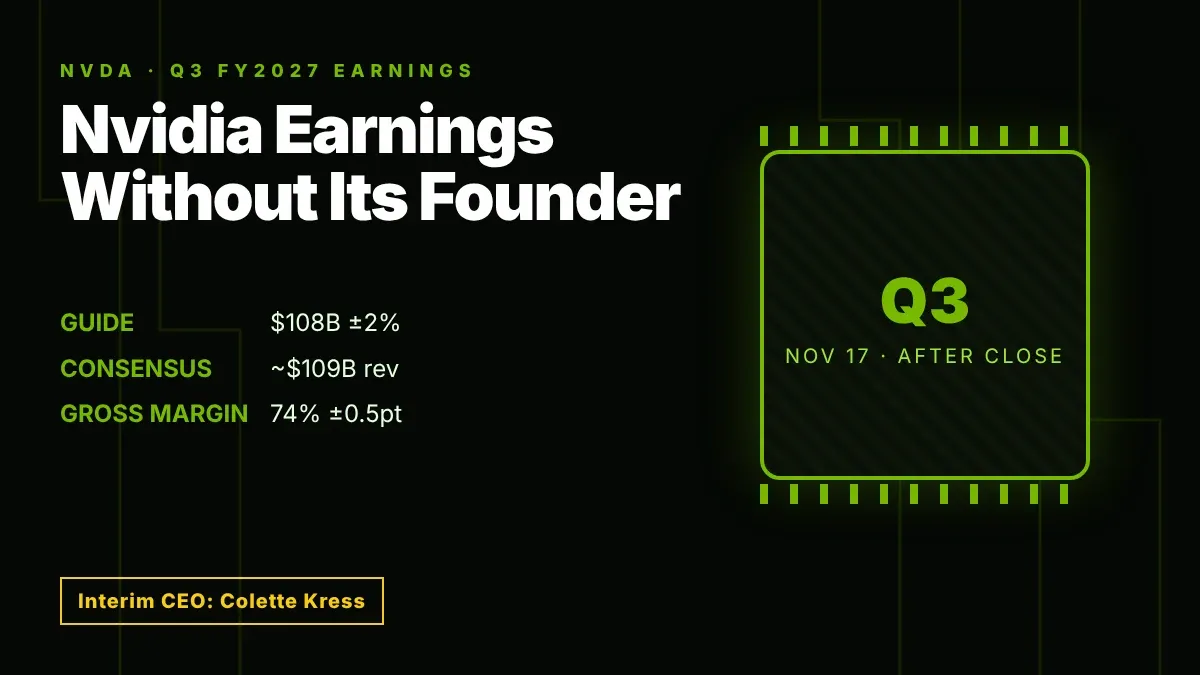
Nvidia Earnings Preview: Q3 Results Land Days After Huang's Exit
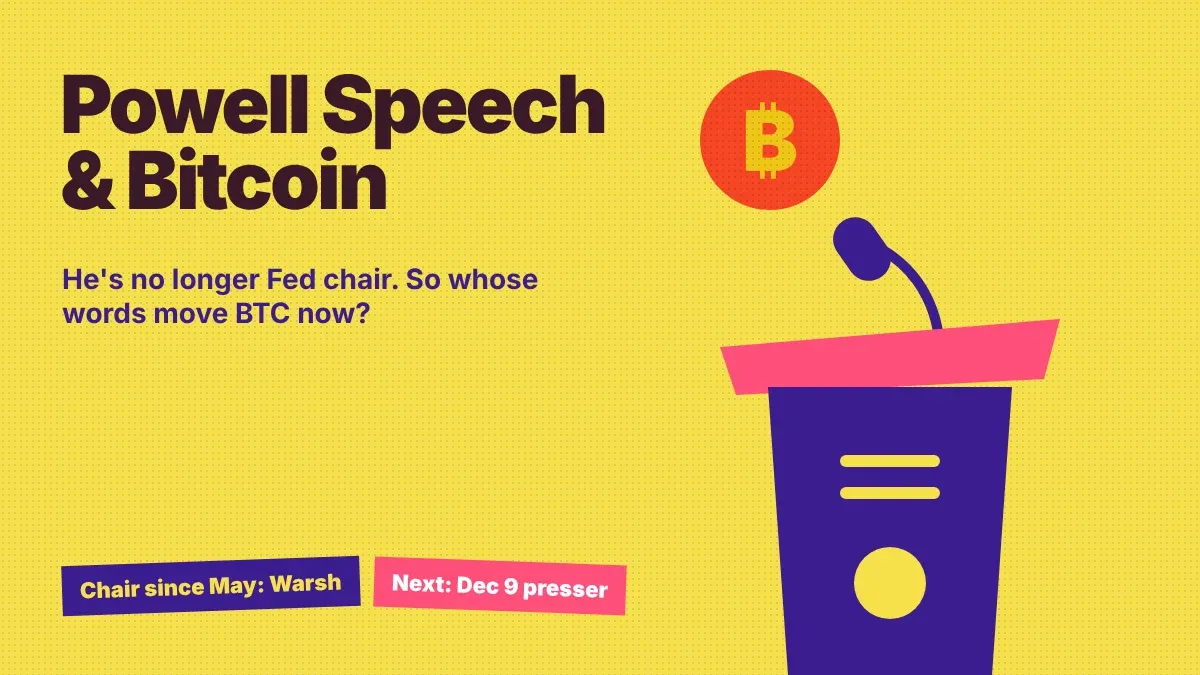
Powell Speech Bitcoin: Why Warsh, Not Powell, Moves BTC in 2026
Fed Rate Cut December 2026? Why Markets Now Price a Hike Instead
Fed Rate Decision Bitcoin: How BTC Reacted to Every 2026 Call
Nebius Cuts 2026 Revenue Outlook: Are Data Center Delays a Threat to NBIS?

BTC Staking in a Crash: What It Protects and What It Does Not
WXT Burn Q3 2026: WEEX to Burn 65,228,631 WXT on November 16
ACKET Token Surges 1,000% After Jensen Huang Resigns: What Is Confirmed
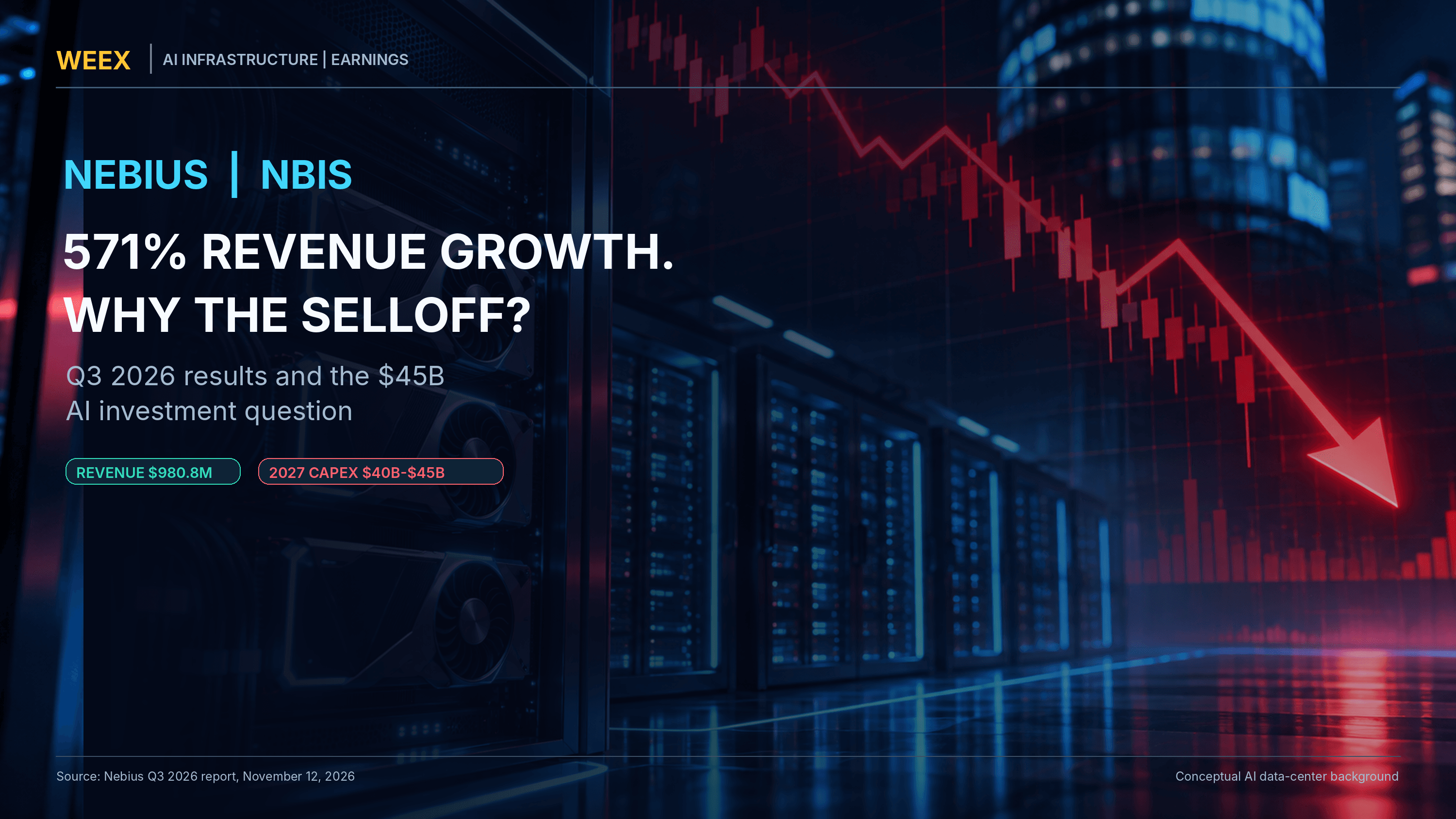
Why Did Nebius Stock Crash Despite 571% Revenue Growth? NBIS Q3 Earnings Explained
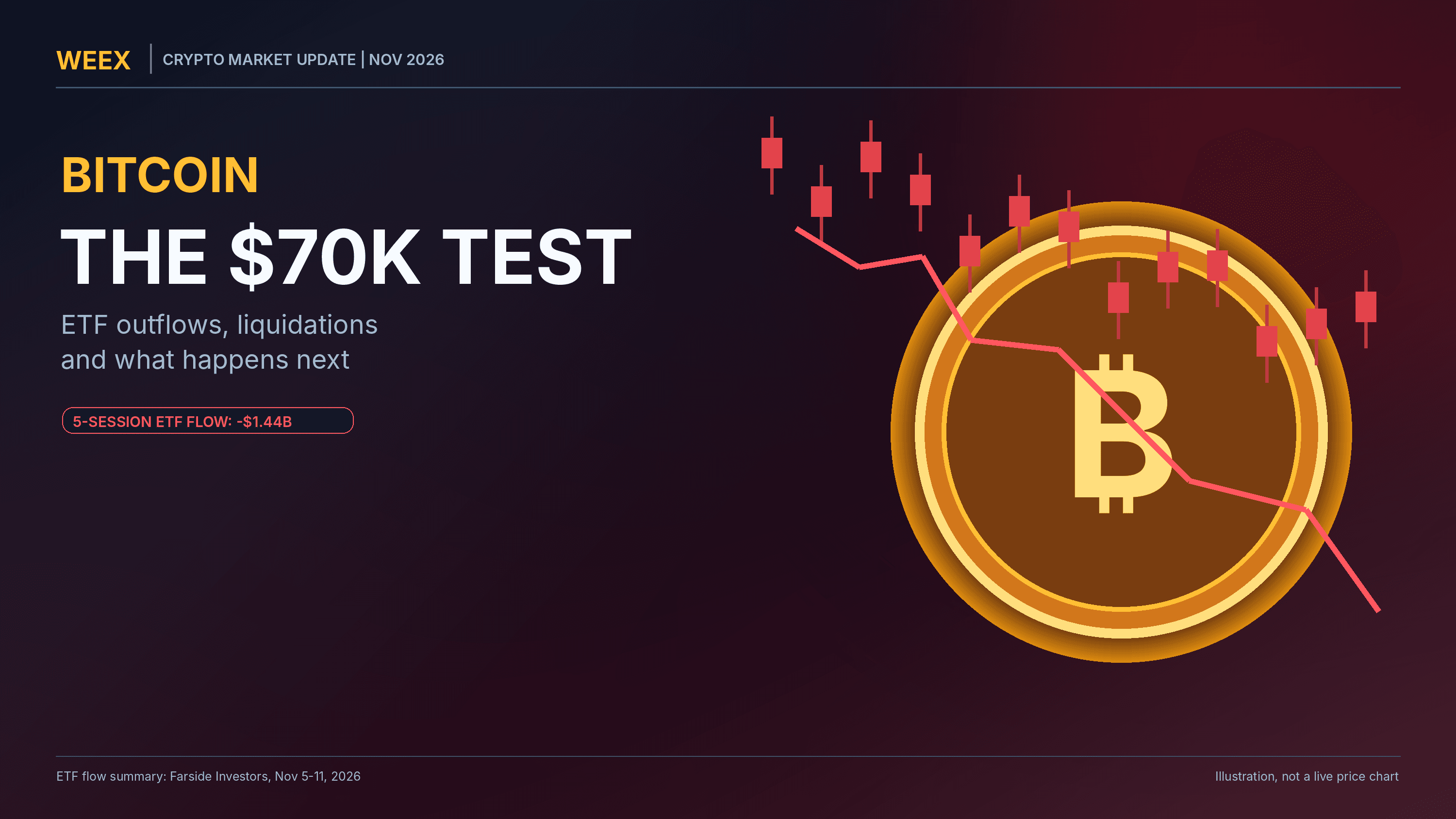
Bitcoin Falls Toward $70K: ETF Outflows, Liquidations and What Happens Next
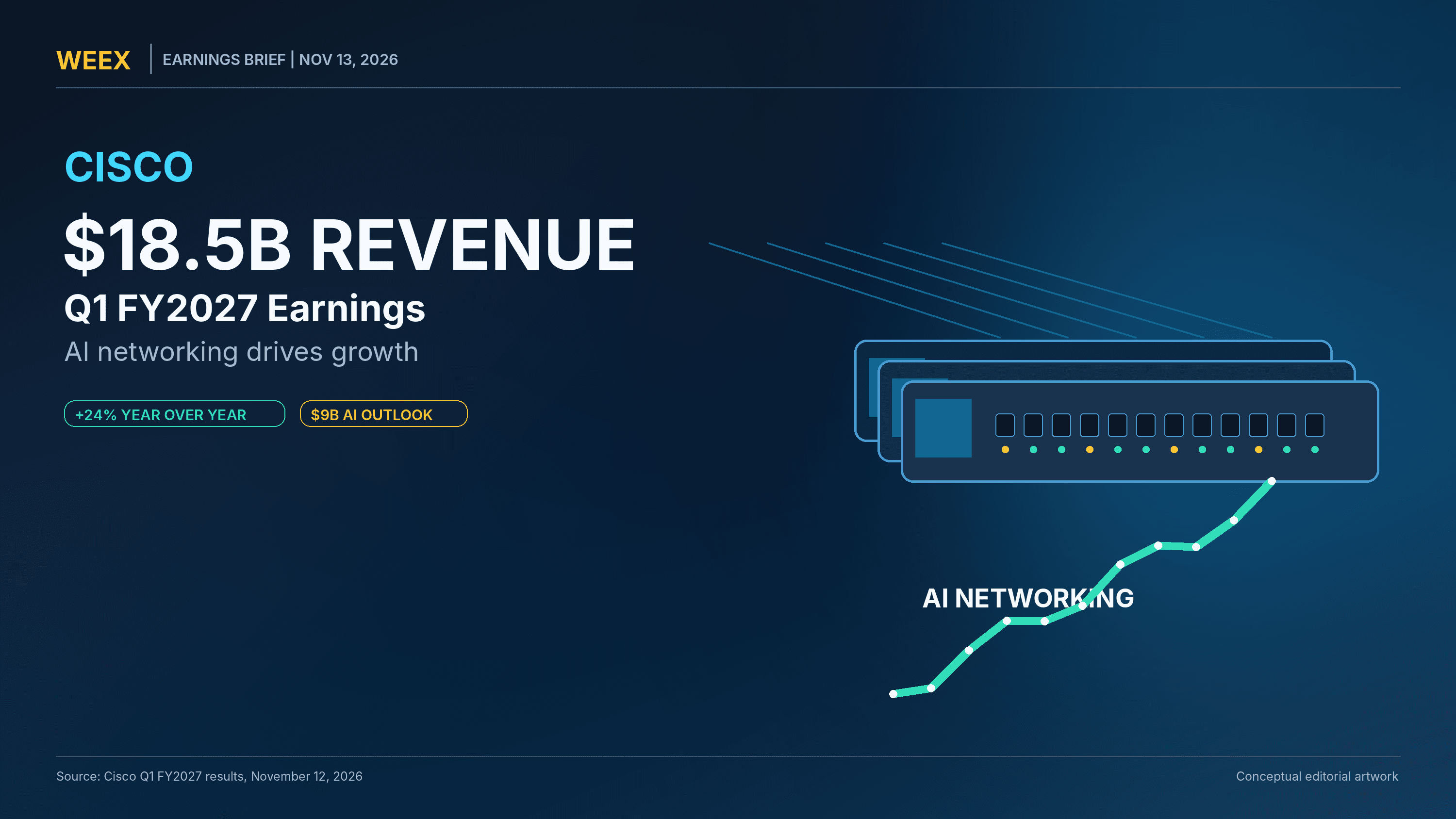
Cisco Q1 FY2027 Earnings: $18.5B Revenue, $9B AI Outlook and CSCO Stock Reaction
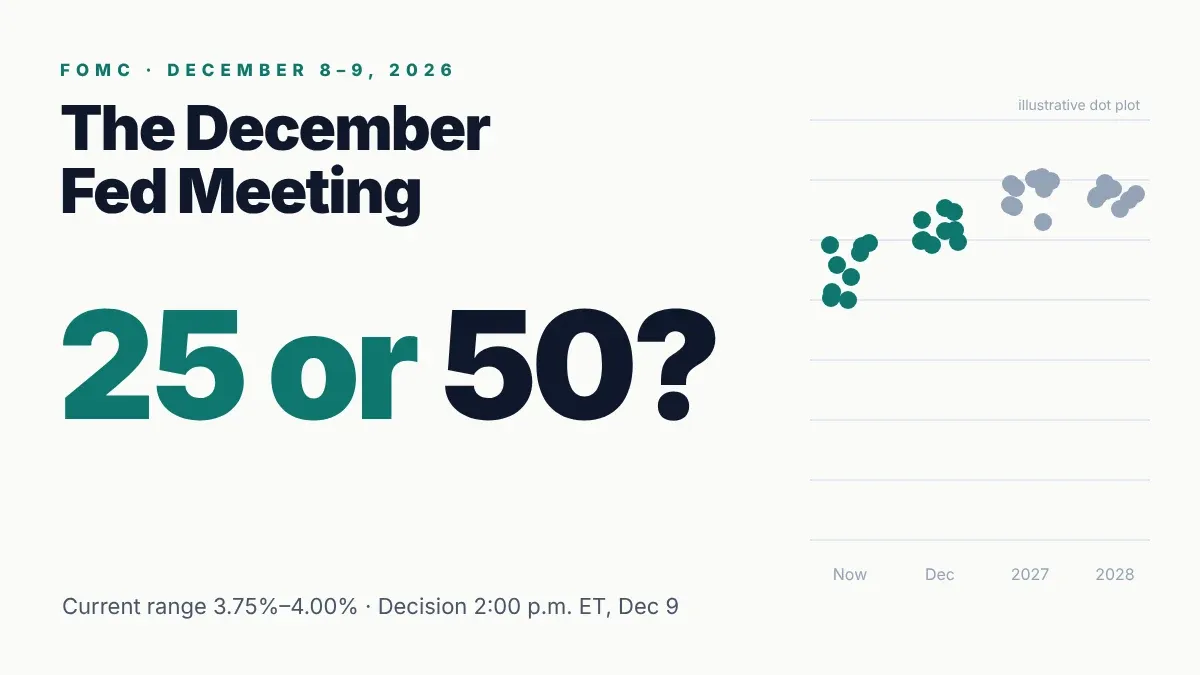
December FOMC Meeting 2026: Dec. 8-9 Rate Hike, 25 or 50 Bps?
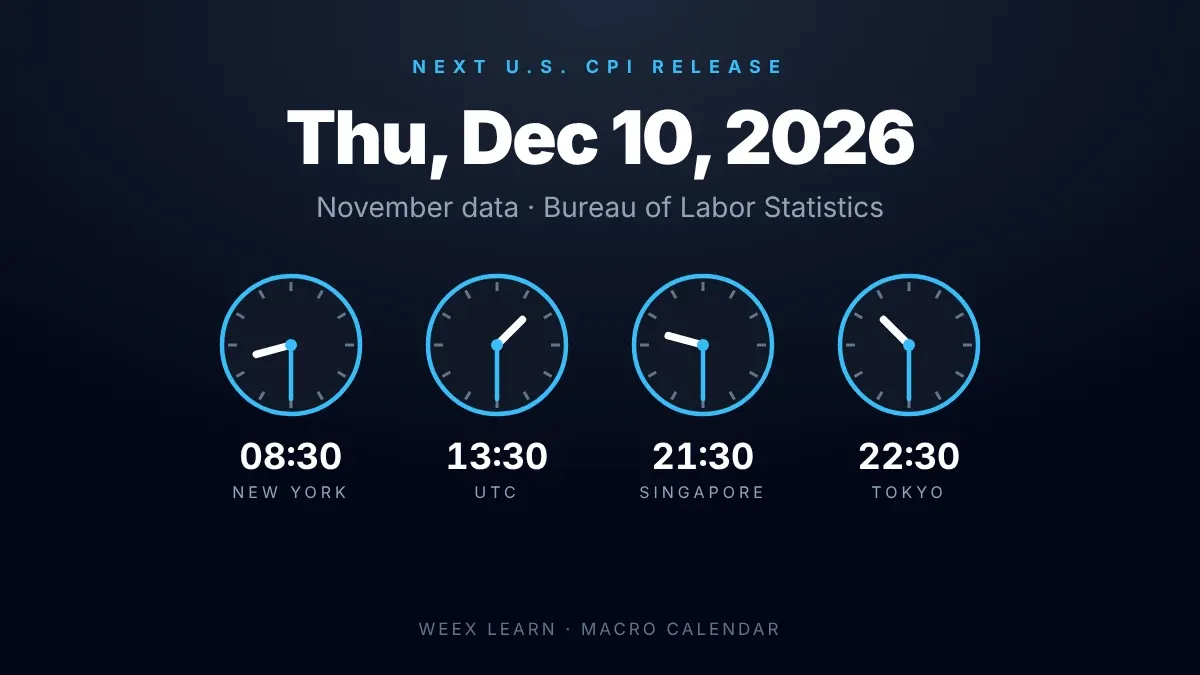
CPI Release Date: Next Report Dec. 10, 2026 at 8:30 a.m. ET
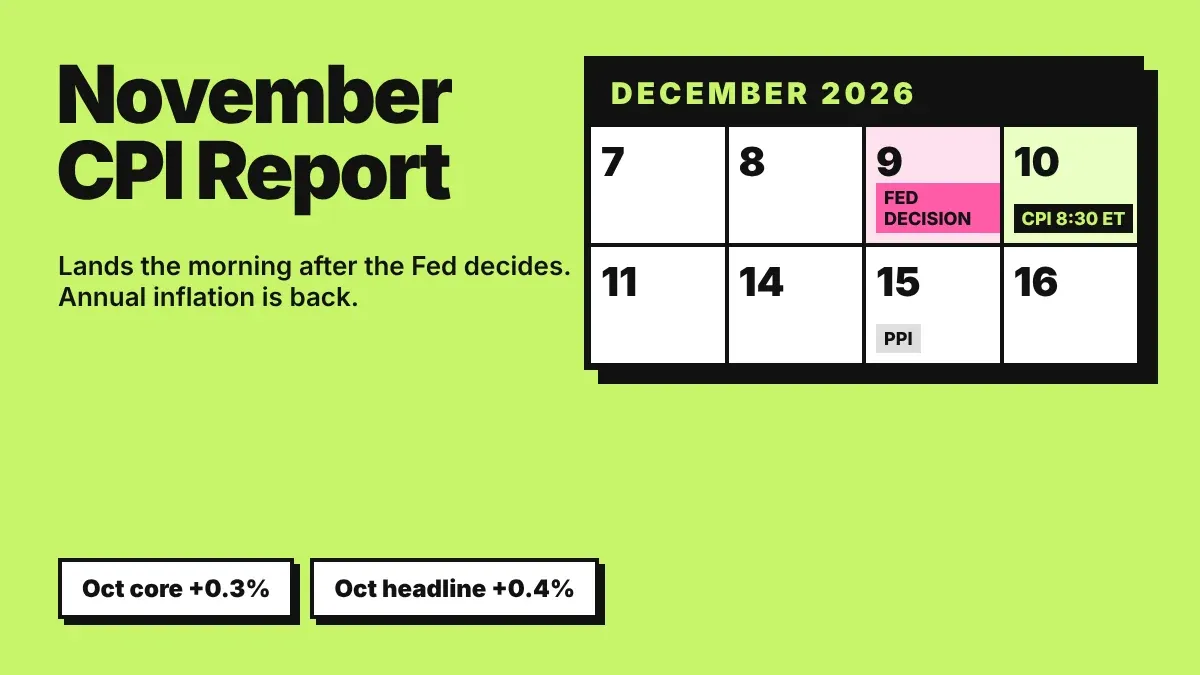
November CPI Report: Dec. 10 Release Lands After the Fed Decides
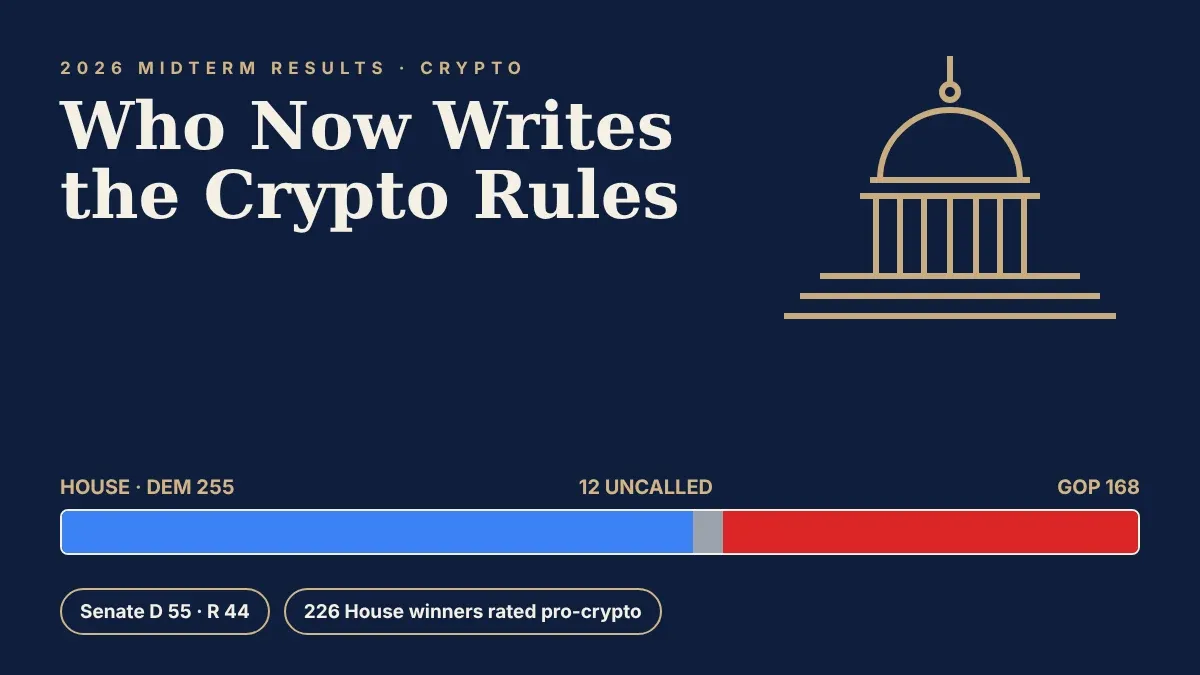
Midterm Election Results Crypto: Who Now Controls Crypto Policy
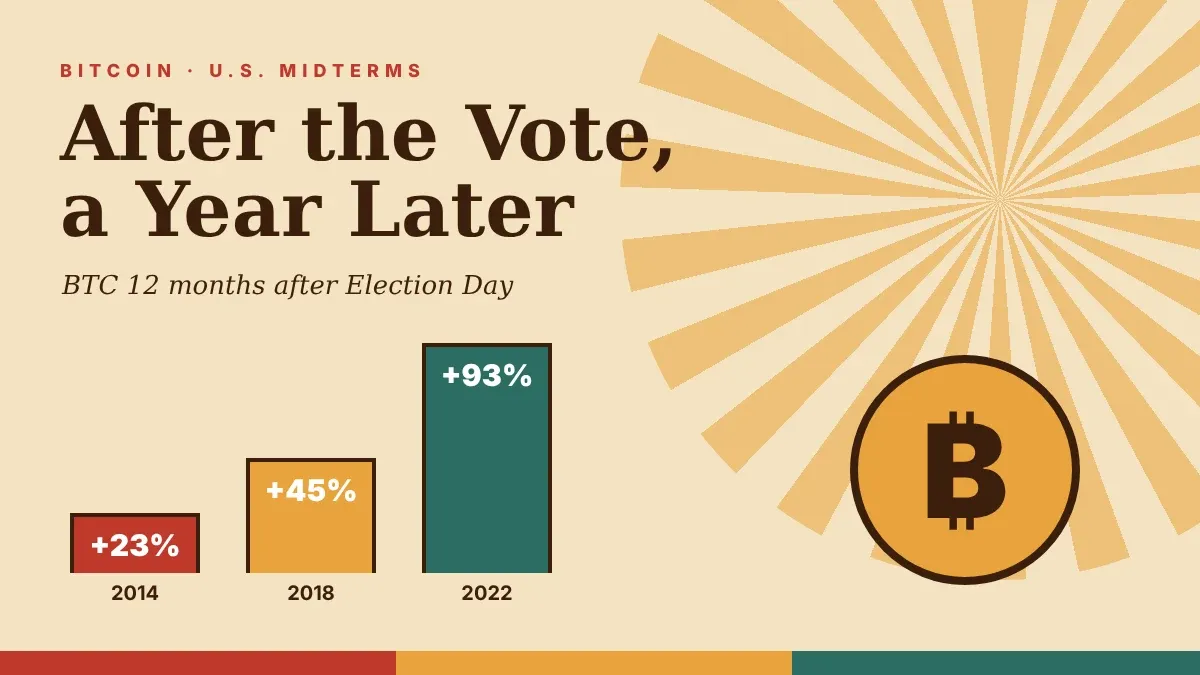
Midterm Elections Bitcoin Price: What 2014, 2018 and 2022 Show

Is Staking Crypto Worth It? What You Earn on WEEX Staking
MSCI Removes Strategy (MSTR): Will Index Selling Pressure Bitcoin?
DTCC Brings Tokenized Securities to Solana: Will SOL Demand Rise in 2027?
Jensen Huang Resigns as NVIDIA CEO: What Happens to NVDA Stock Next?

Rocket Lab's 100th Electron Launch: November 14 Window, Mission Details and RKLB Stock Outlook
What Is Project Faro? The $270M Bank Stablecoin Plan Explained
Stablecoin Supply Falls $14.2B in 30 Days: What It Means for Bitcoin
Binance Hack: $6.3B Laundering Trail and Recovery Progress
Starknet Independent L1 Vote: What It Really Means for STRK
Are Bitcoin Lightning Wallets Safe? 5 Security Warnings Since August
How to Buy ANT Stock on Day One: What Is Confirmed
Anthropic IPO: ANT Date, Price Range and Valuation
Jensen Huang Comeback Reports: Petition, War Room and Nvidia’s Response
Nvidia Earnings Date: Nov. 17, 2026 After the Bell, in Every Zone


